Local customsAnhui
Huizhou Architecture
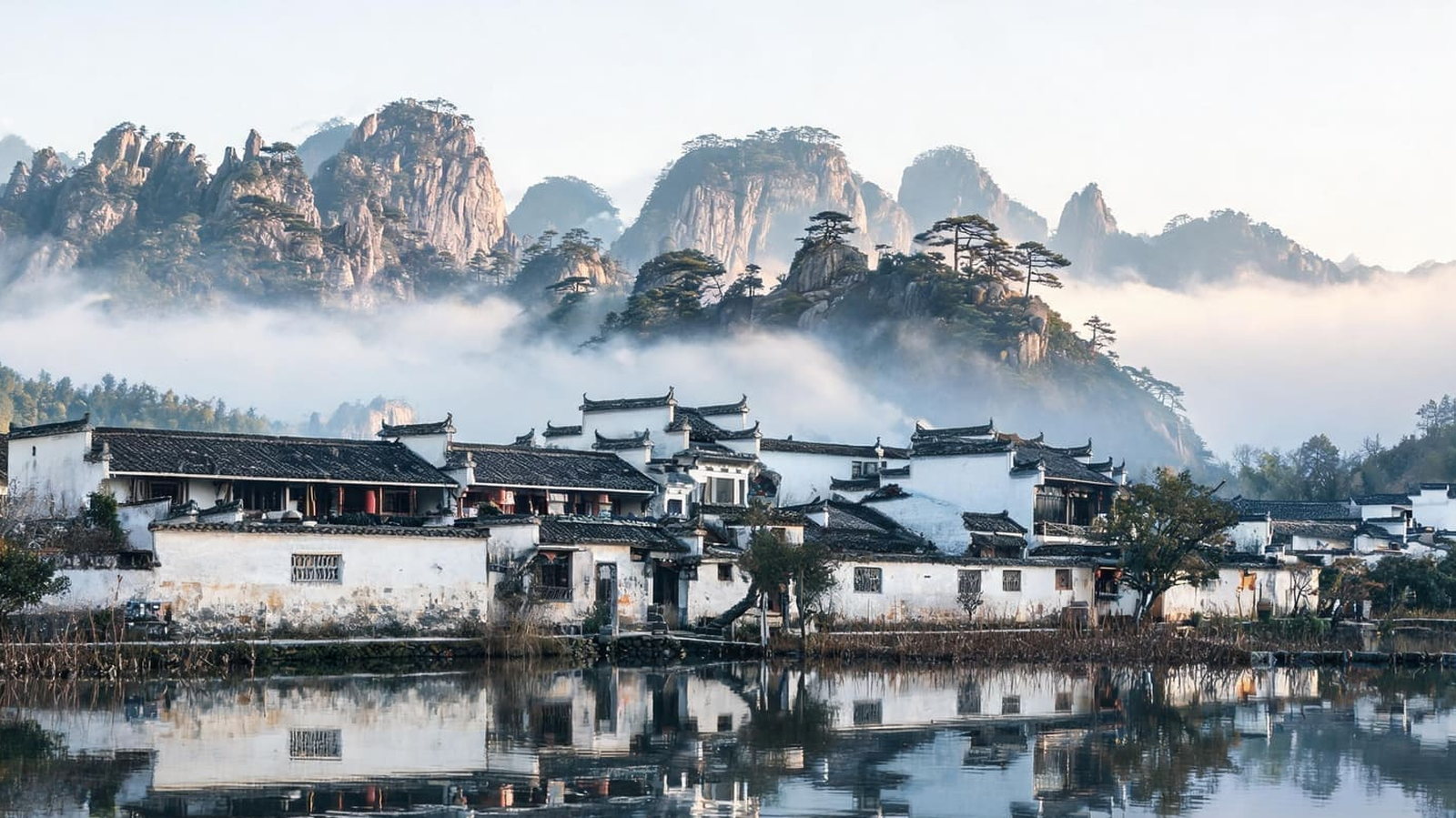
White walls, dark tiles and stepped horse-head gables — the most poetic of China's traditional dwelling styles.
White walls, dark tiles and stepped horse-head gables — the most poetic of China's traditional dwelling styles.
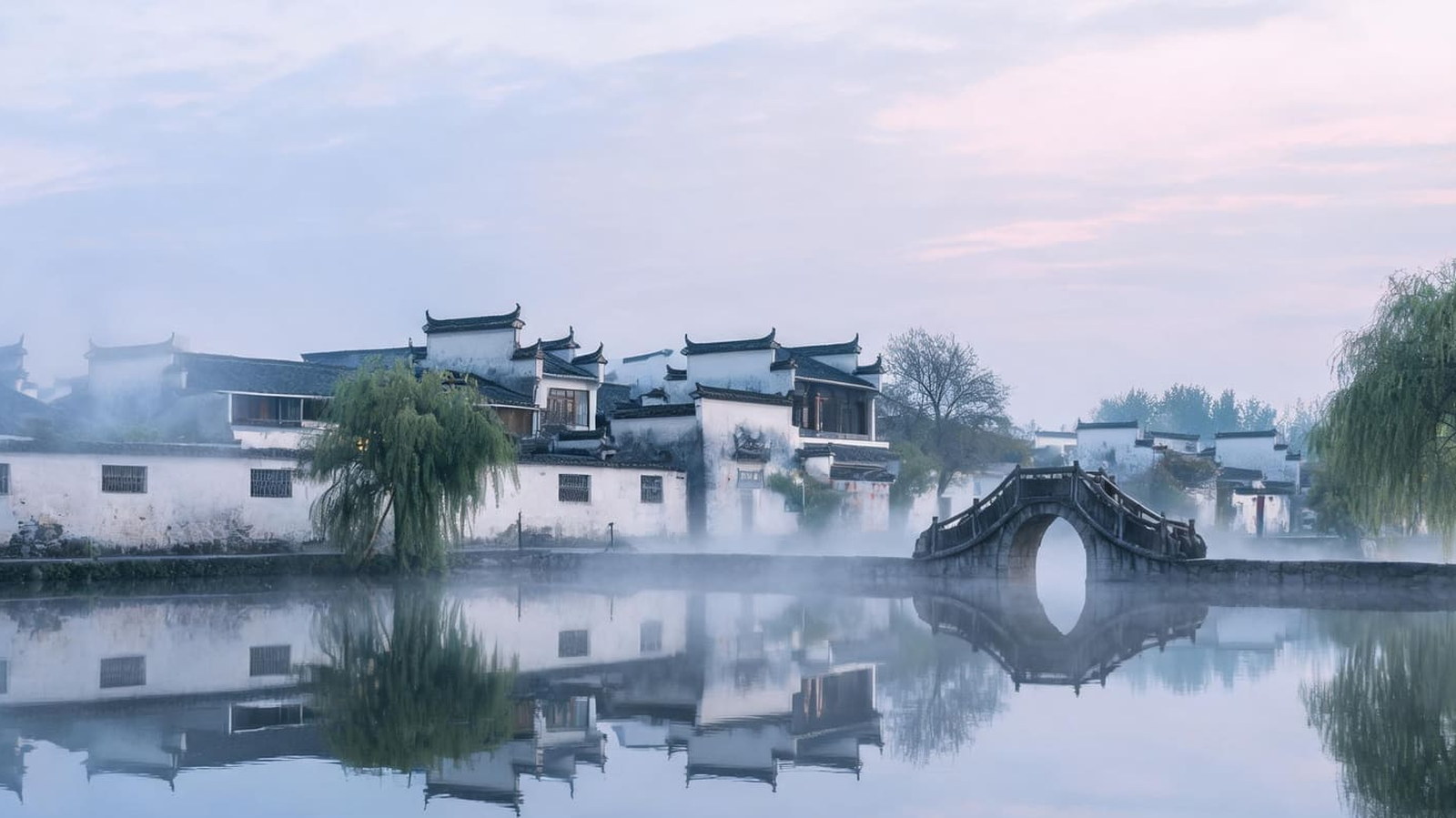
Early morning in Hongcun: the Moon Pond is a mirror, and the horse-head gables above the white walls tremble faintly in the water. Smoke rises between the grey tiles, a woman with a bamboo basket crosses the stone slab bridge, and the shadow of the memorial arch stretches long. People here used to say that those who had not earned merit in a former life were born in Huizhou, and at thirteen or fourteen were thrown out into the world; those who came home rich built ancestral halls and houses, and brought honour to the family name.
White wall and dark tile are the love letter Huizhou merchants wrote home — however far they went, the root stayed in this ink-wash country.
Traditions, echoed by a new generation
Horse-head gables, stone flags, mist and rain: Huizhou looks like a moving ink painting. Its slowness is the slowness of a spiritual homeland.
White walls, dark tiles, stepped gables — a natural ink-wash filter; every frame is wallpaper
'The place of a lifetime's hopeless passion — I never even dreamed my way to Huizhou' answers every young imagining of a poetic dwelling
Huizhou people honoured learning above all, merchants though they were, and even the old houses smell of books
History · Customs · Cultural meaning
 Huizhou Architecture · Historical Origins
One continuous line · back to the source
Huizhou architecture began in the Eastern Jin and matured in the Ming and Qing. As Huizhou merchants rose, they poured wealth back into their home districts, building finely made houses, ancestral halls and memorial arches. The three carvings of Huizhou — brick, wood and stone — are the essence of the style.
Huizhou Architecture · Customs and Practice
Seasonal rites · everyday life
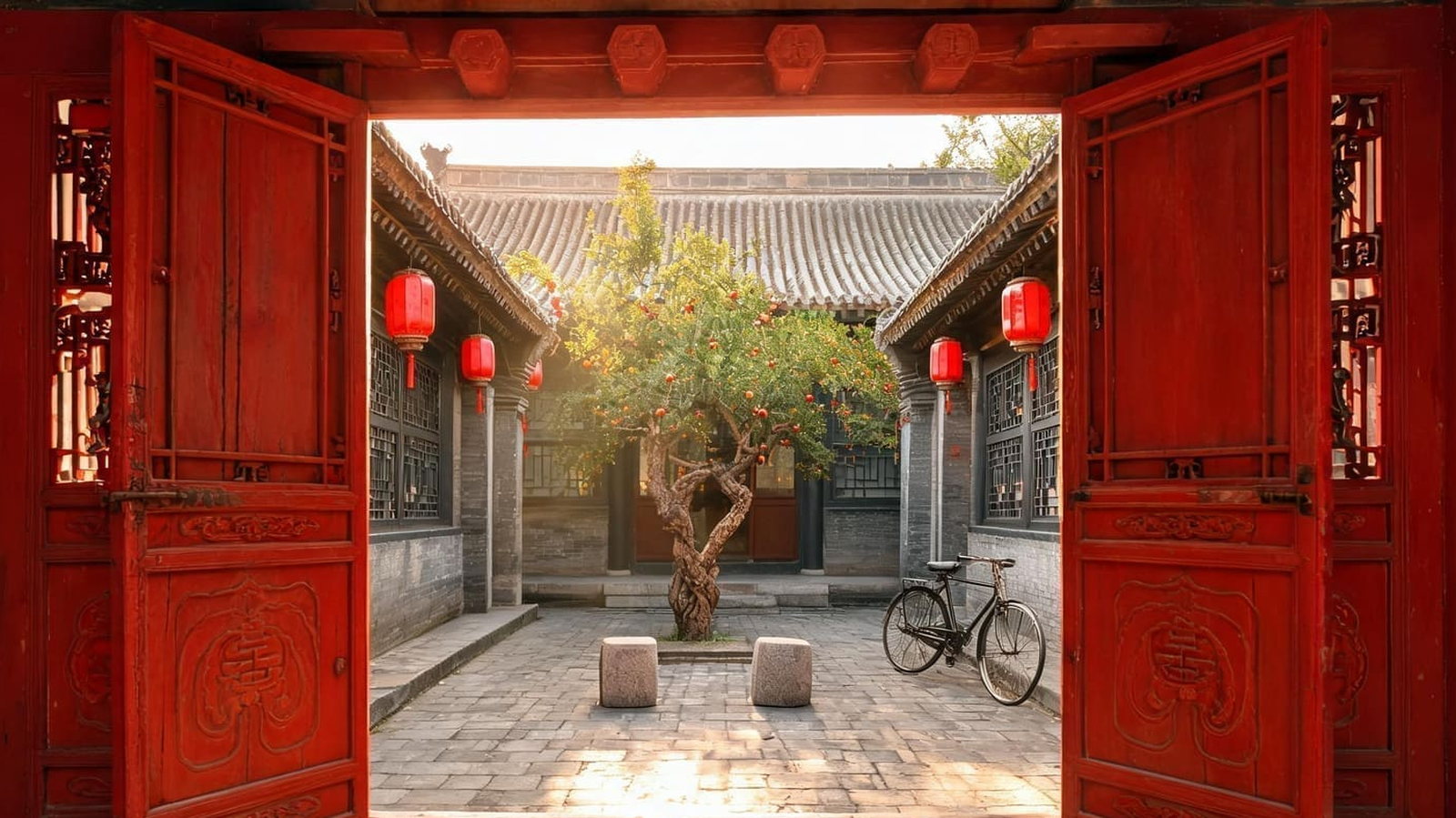
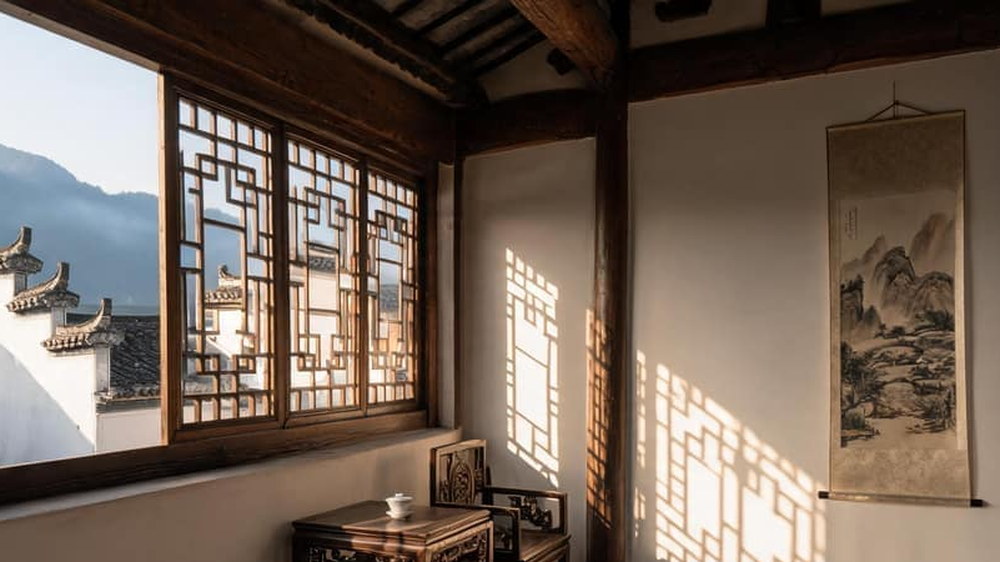
The signature is the white wall, the dark tile and the horse-head gable. High walls close the house off, small windows face out, and an inner skywell brings light and air. Halls hang with couplets and paintings, and furniture is largely carved rosewood. Siting follows feng shui: back to the hill, face to the water, the village laid out with the land. Hongcun and Xidi are the outstanding examples, their Moon Pond and South Lake like mirrors holding the white walls and black tiles.
 Huizhou Architecture · Cultural Significance
What the heart turns toward · handed down through generations
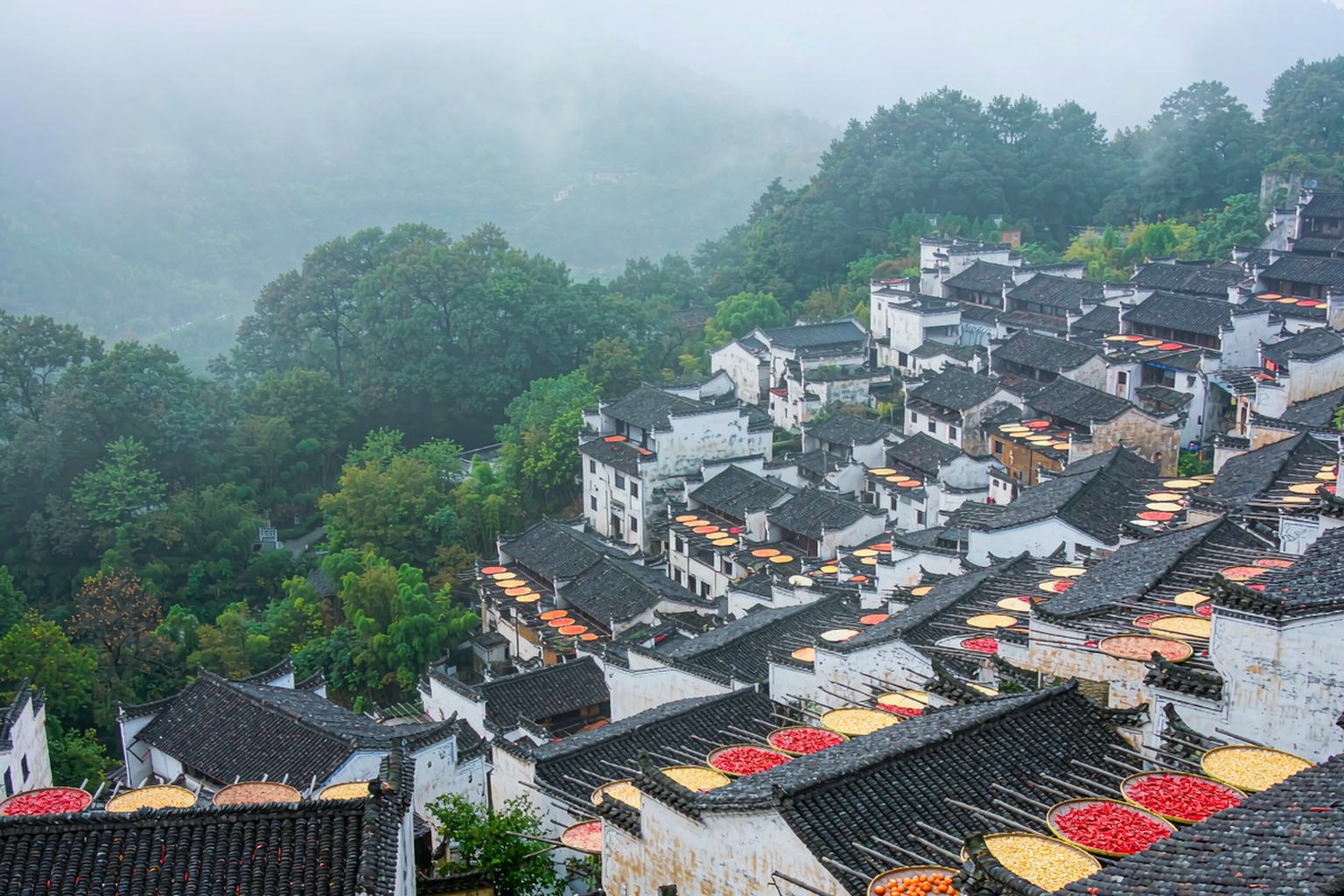
Huizhou architecture is a treasure of Chinese building art, marrying Confucian ritual order with Daoist natural philosophy. In 2008 the traditional building craft of Huizhou dwellings was entered on the second national list of representative intangible cultural heritage items (no. Ⅷ-178). In 2000 the ancient villages of southern Anhui — Xidi and Hongcun — were inscribed on the World Heritage List.
To admire and to use · Tradition in everyday life
 Experience
Stay in a Ming-Qing house, hear rain on the skywell, watch the Moon Pond's reflection
Case: Stay in a Ming-Qing house, hear rain on the skywell, watch the Moon Pond's reflection
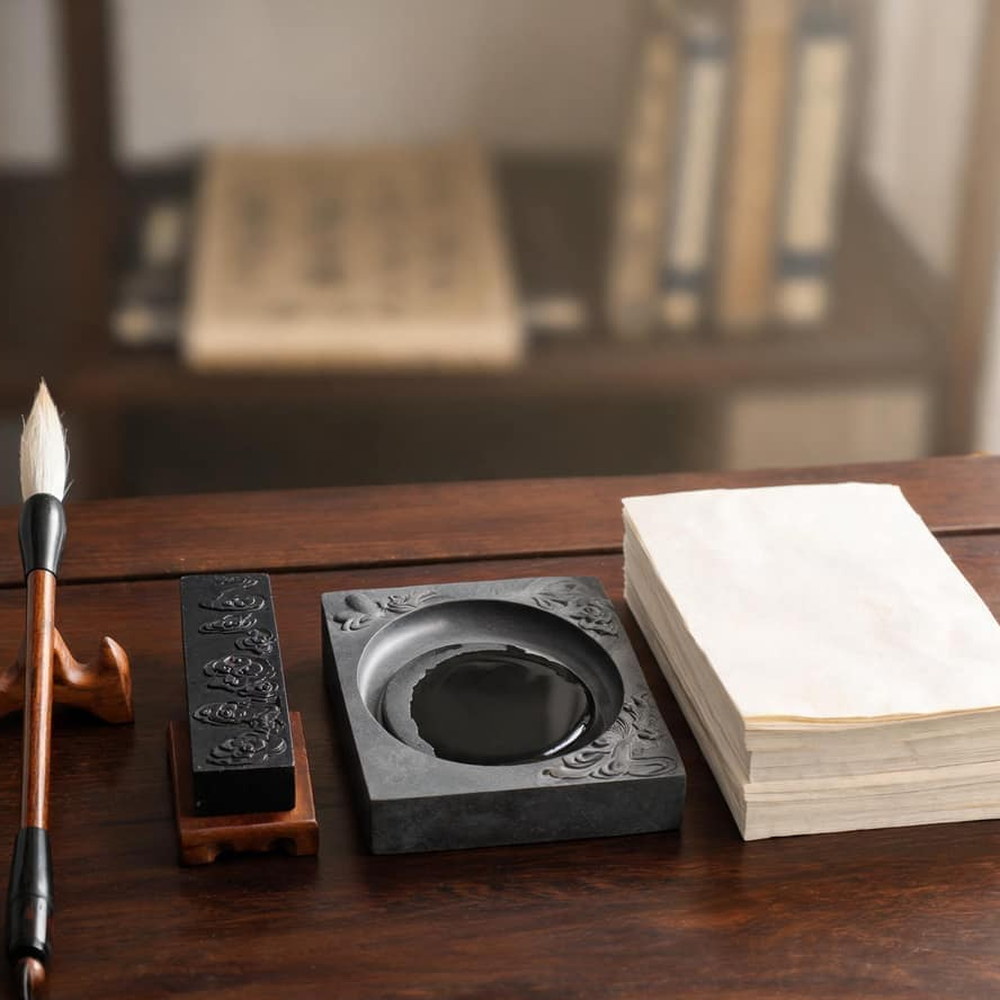 Craft
For writing, practising and journaling — a fragrant way in
Case: For writing, practising and journaling — a fragrant way in
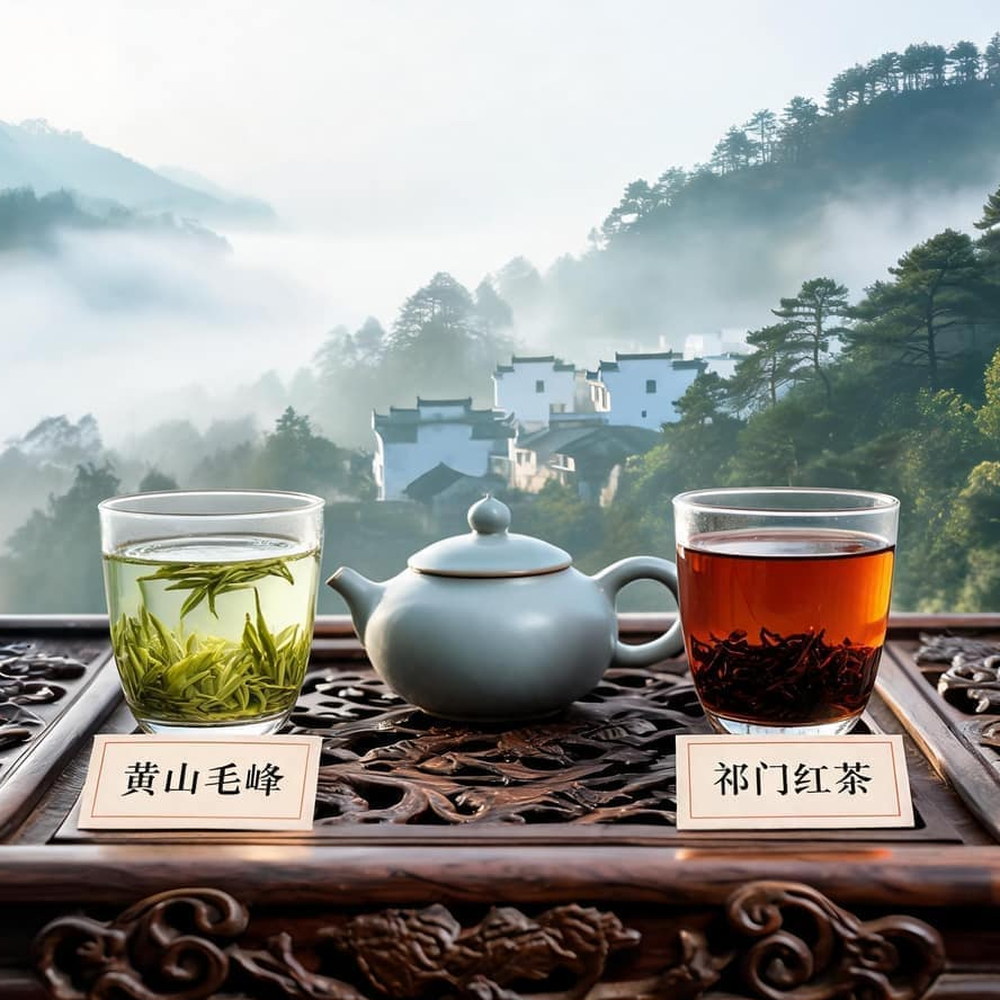 Food
Famous mountain, famous leaf: a cultured gift, a considered daily cup
Case: Famous mountain, famous leaf: a cultured gift, a considered daily cup
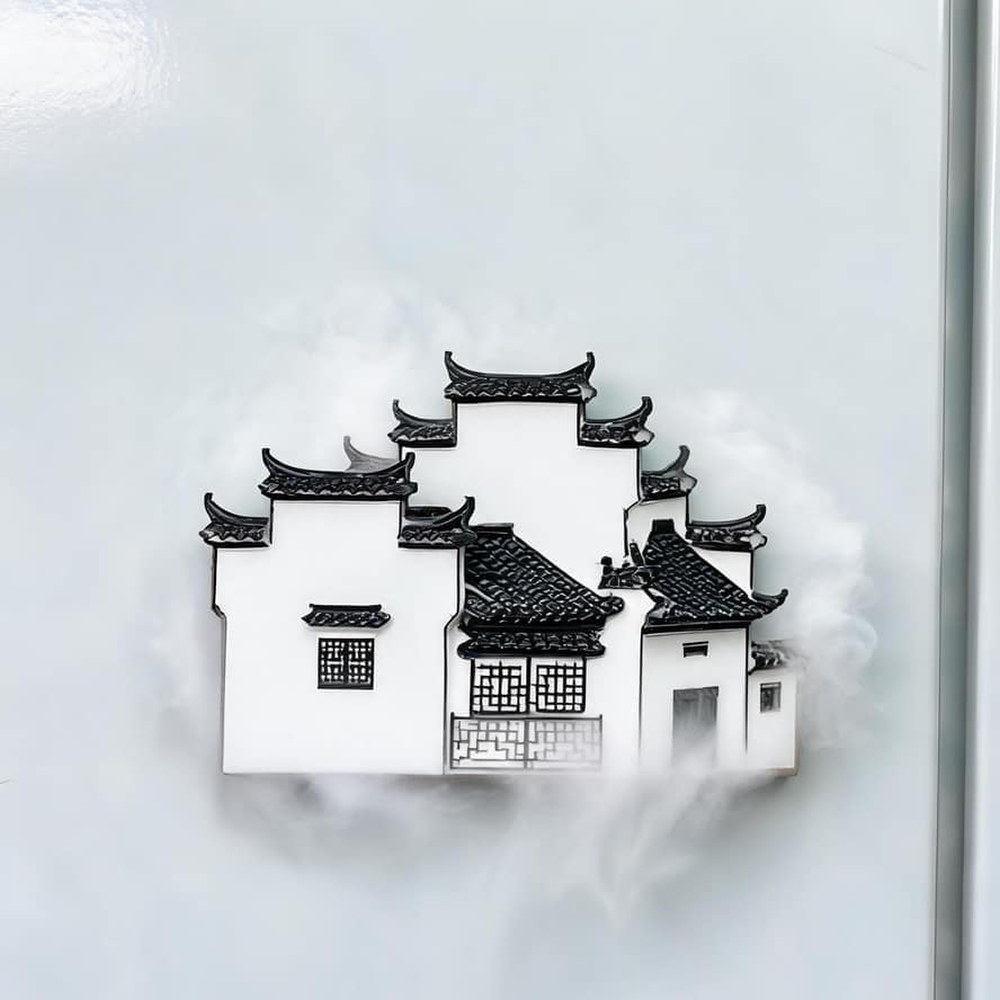 Craft
One corner of ink-wash Huizhou, stuck to the fridge
Case: One corner of ink-wash Huizhou, stuck to the fridge
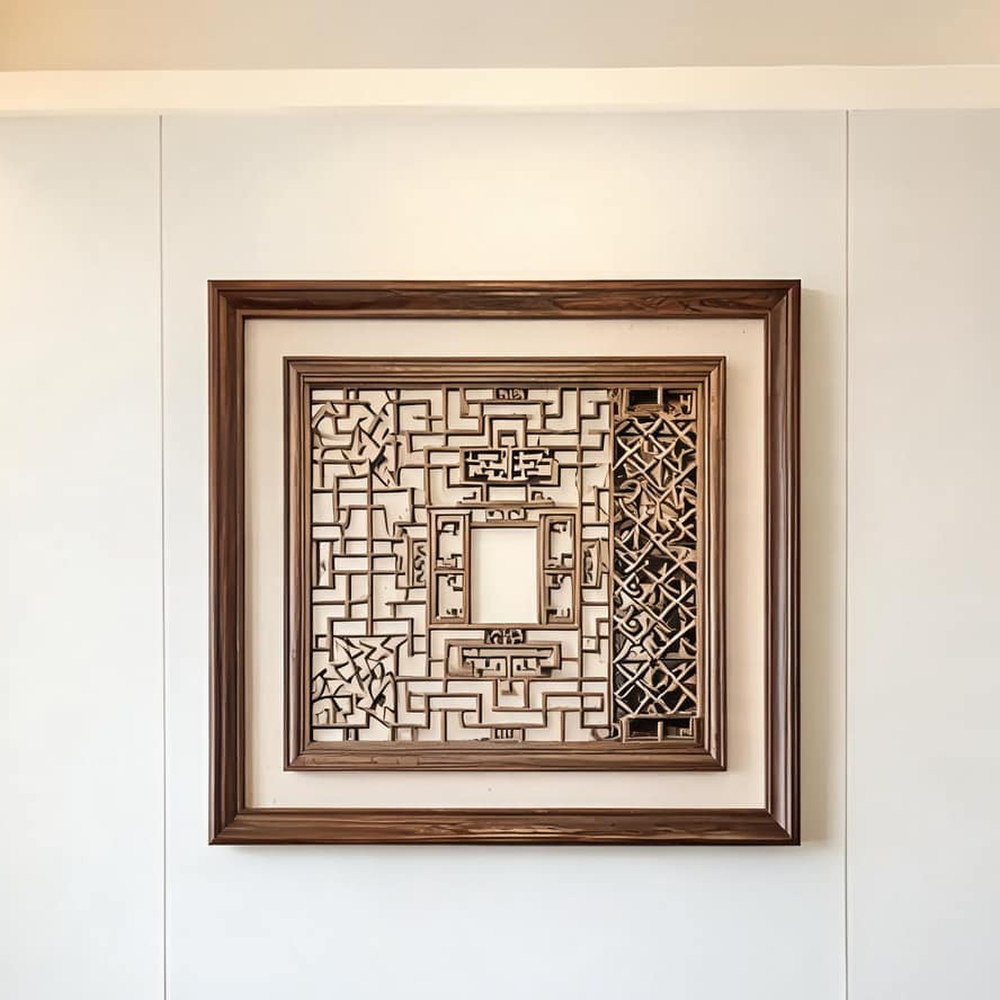 Home
A focal point for a new-Chinese wall; the carving rewards a closer look
Case: A focal point for a new-Chinese wall; the carving rewards a closer look
← Scroll sideways for more →
Links lead to third-party marketplaces. This site has no promotional relationship with them.
Travel proposals · Meet the custom in its real setting
← Scroll sideways for more →
Related customs
← Scroll sideways for more →
Fact-checked October 2026 · every citation traceable
Primary sources are Chinese-language publications, cited for traceability. Bodies without a standard English name are listed by domain.