Local customsChengdu, Sichuan
Sichuan Teahouse Culture
The teahouse as social institution in the Bashu region, and the unhurried philosophy behind the saying 'do not go to Sichuan young'.
The teahouse as social institution in the Bashu region, and the unhurried philosophy behind the saying 'do not go to Sichuan young'.
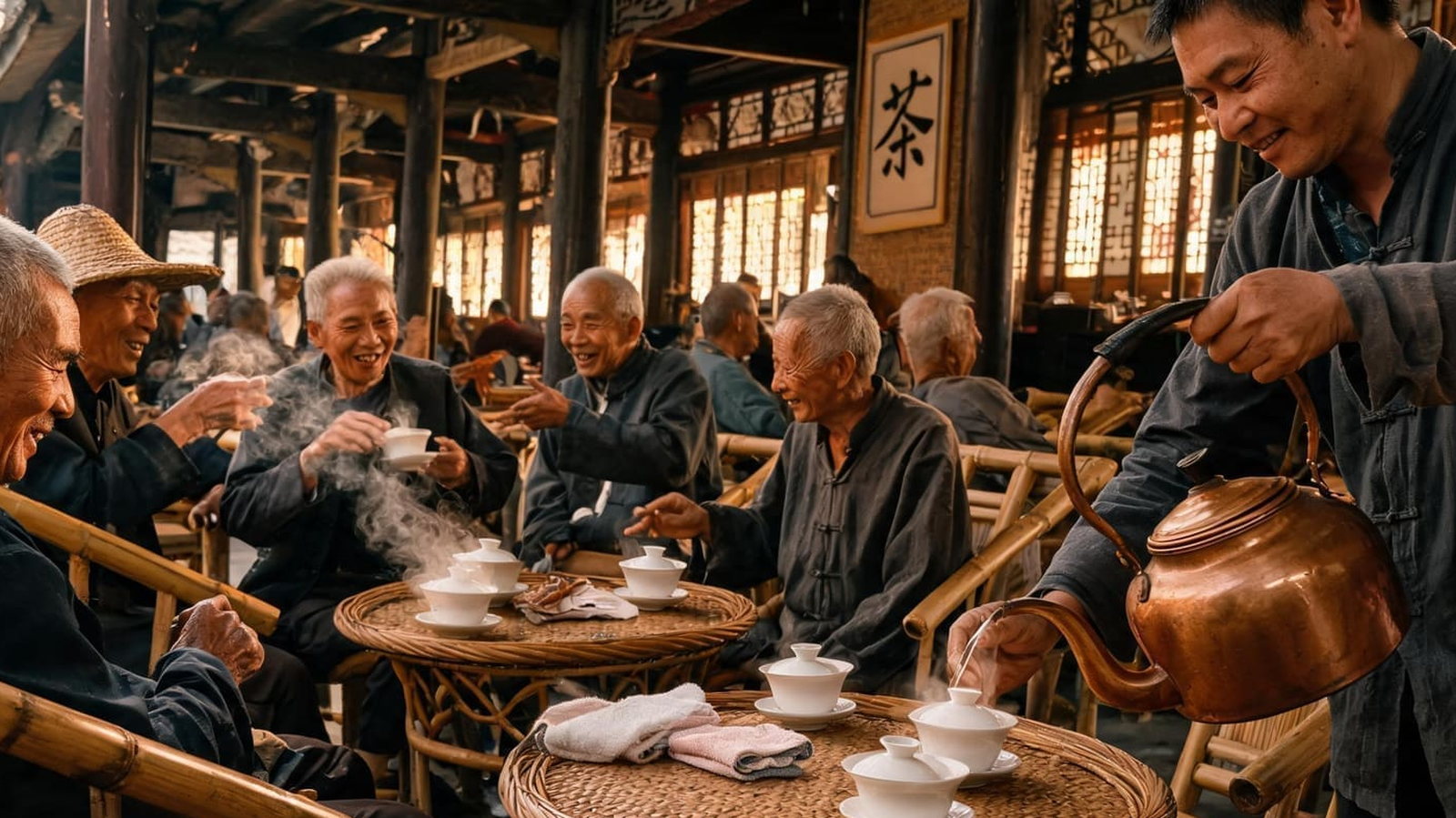
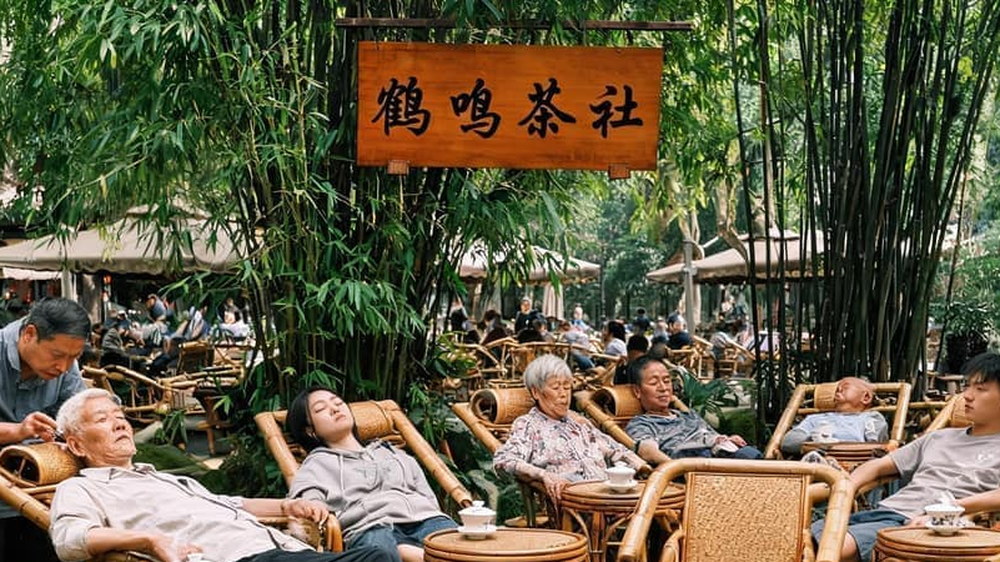
The old teahouses of Chengdu are busy at first light. Bamboo chairs stand in a row, and the tea master carries a copper kettle with a metre-long spout, sending boiling water into the cups from a distance without spilling a drop. Lidded bowls steam; old men play chess, walk their birds and talk the afternoon away; a man who cleans ears moves between the tables. One cup of tea can last from morning until the sun goes down.
In Chengdu you are not drinking tea, you are drinking a philosophy — 'what's the hurry?' — because days are for living.
Traditions, echoed by a new generation
In Sichuan one lidded bowl lasts an afternoon. Nothing here is measured by efficiency, only by comfort — and that is the freedom to do nothing that young people lack most.
Bamboo chair, lidded bowl, long-spout kettle: lean back and the afternoon is gone.
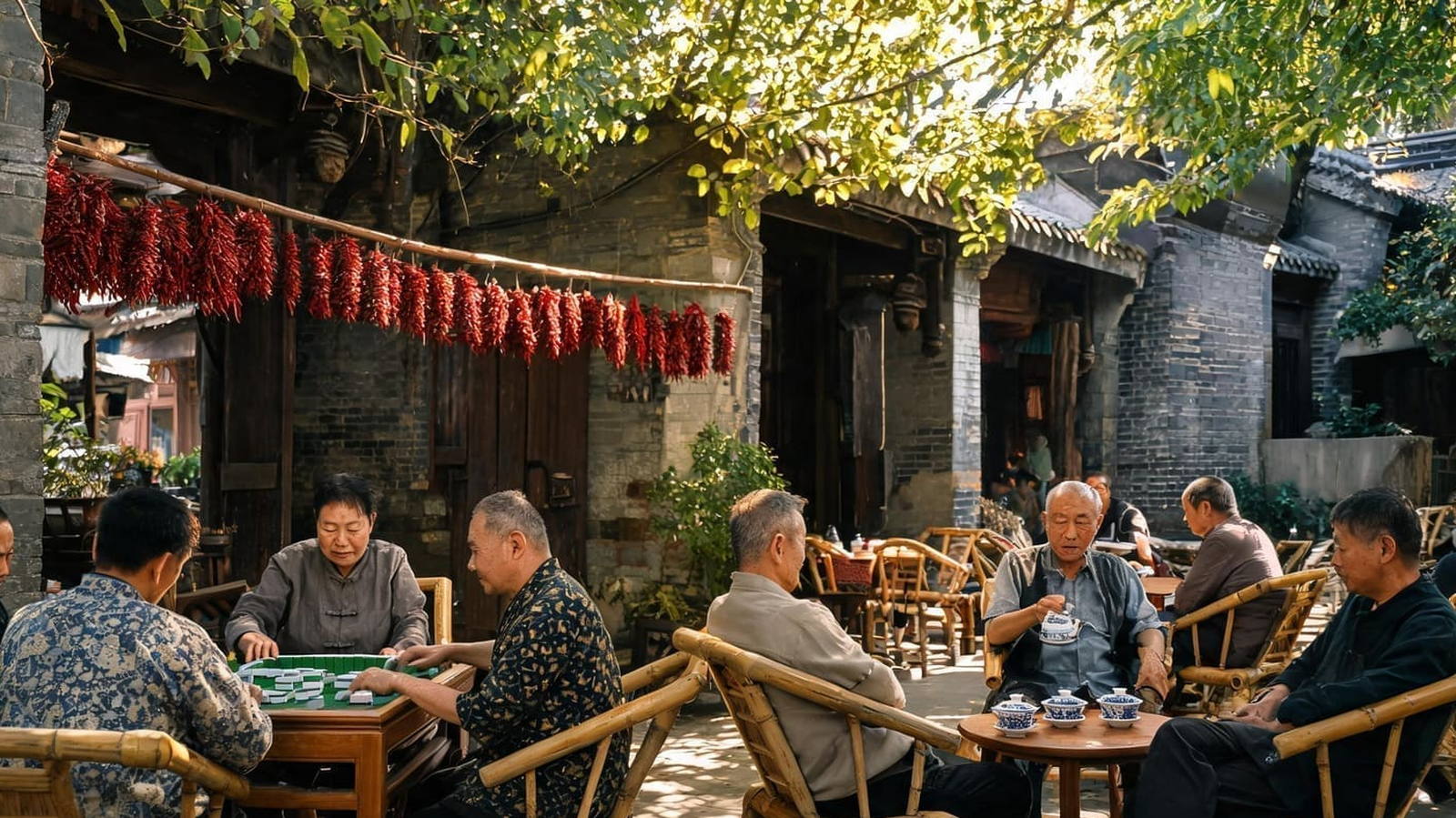
Ear cleaning, face-changing and long conversations: a working social space of the street
Slowness is not laziness but a considered way of enjoying the present — a massage for the mind
History · Customs · Cultural meaning
 Sichuan Teahouse Culture · Historical Origins
One continuous line · back to the source
Sichuan's teahouse culture begins in the Ming and Qing, and Chengdu has been an important node on the Tea Horse Road since ancient times. Numbers peaked in the late Qing and early Republic: records speak of nearly a thousand teahouses in the city. Sichuan people turned tea drinking from a daily habit into a mode of social life and a philosophy of living.
Sichuan Teahouse Culture · Customs and Practice
Seasonal rites · everyday life
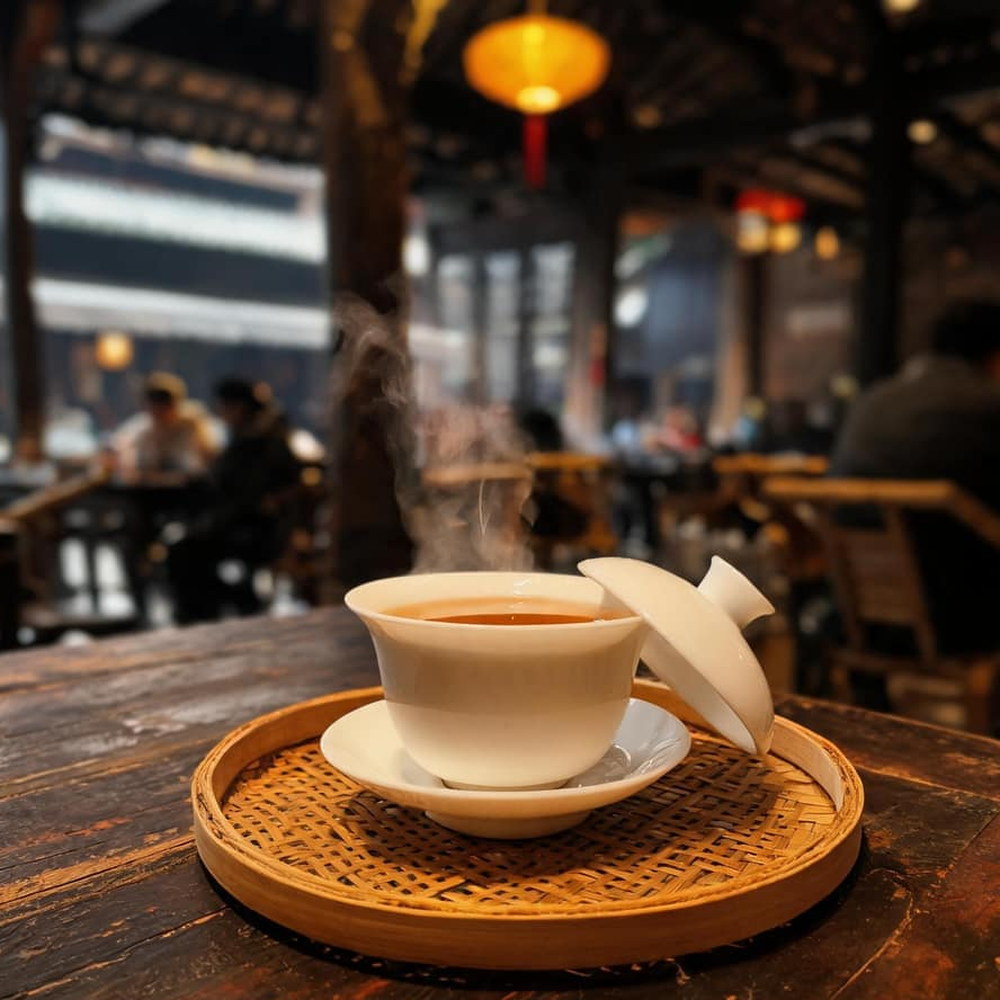
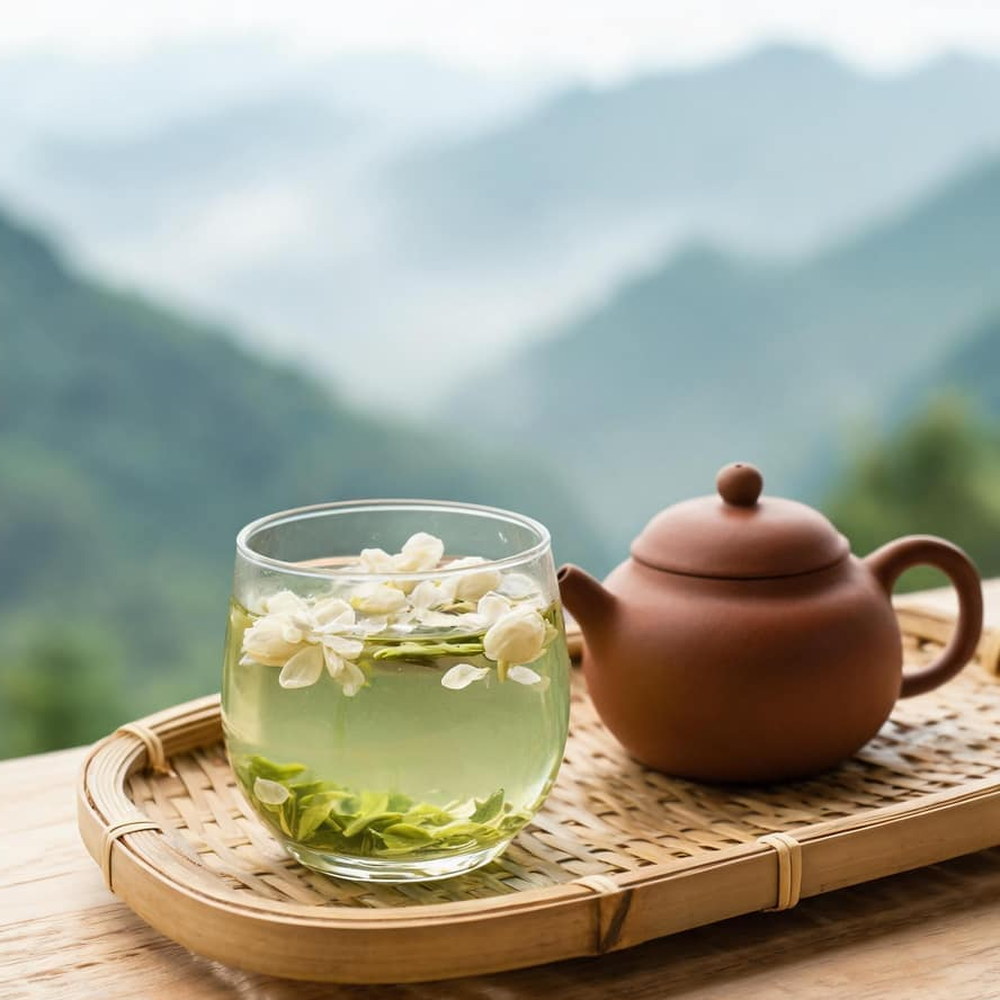
Most teahouses use the gaiwan — lid, bowl and saucer, the 'three talents' of heaven, earth and man — and serve mainly scented tea, above all jasmine. You can watch Sichuan opera face-changing, hear storytelling, and set out the 'dragon-gate array' of talk. The tea master's pouring is a skill in itself, the long-spout kettle done in one unbroken movement. Teahouses also served as places of mediation, known as 'drinking the tea of judgement': two parties put their case and the assembled drinkers decide.
 Sichuan Teahouse Culture · Cultural Significance
What the heart turns toward · handed down through generations
Sichuan teahouse culture expresses the Chinese value of harmony and the open, easy-going temper of the Bashu people. As a public space the teahouse has carried several social functions at once: meeting, exchange of news, and the settling of disputes.
To admire and to use · Tradition in everyday life
 Home
Brewing in the three-talent bowl has its rules — good for yourself, presentable as a gift
Case: Brewing in the three-talent bowl has its rules — good for yourself, presentable as a gift
 Food
Flowers folded into the leaf — the office afternoon's gentle life support
Case: Flowers folded into the leaf — the office afternoon's gentle life support
 Experience
An afternoon at Heming Teahouse, and the most authentic version of comfort
Case: An afternoon at Heming Teahouse, and the most authentic version of comfort
 Craft
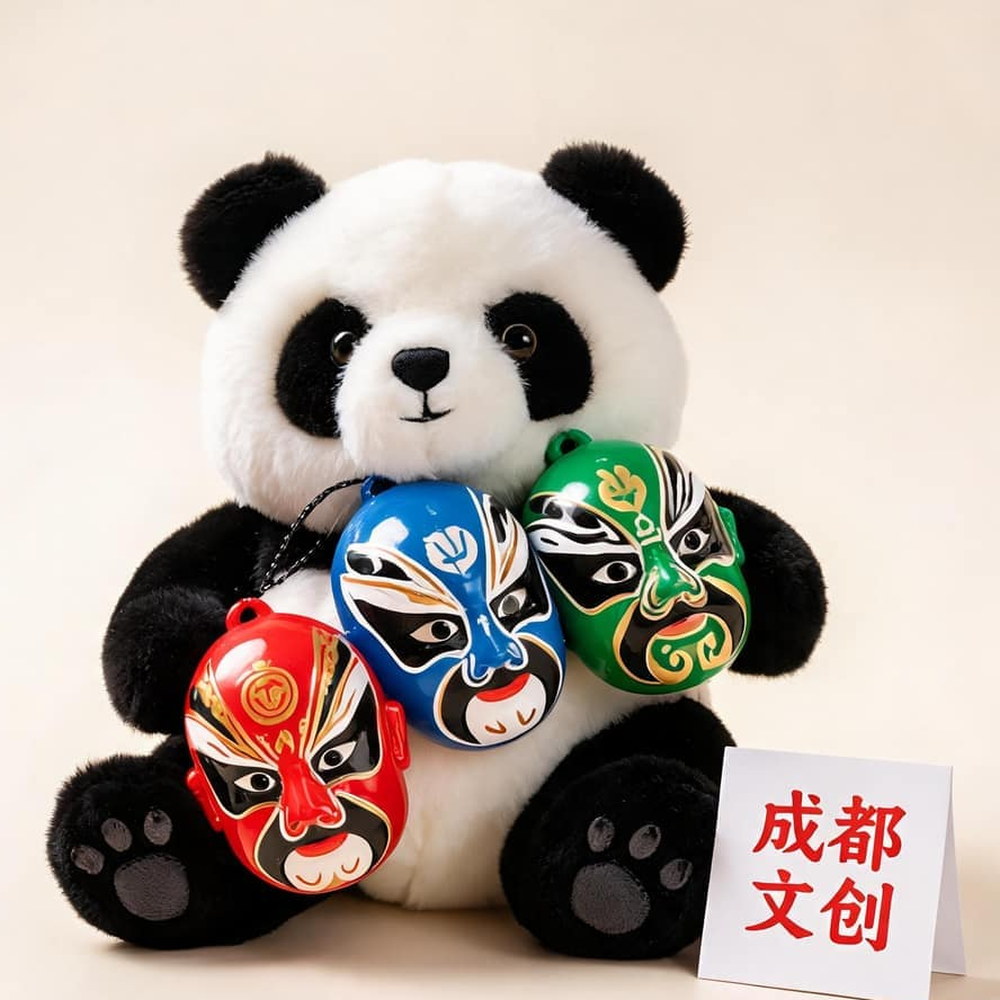
Chengdu only: cute and cool in the same souvenir
Case: Chengdu only: cute and cool in the same souvenir
 Home
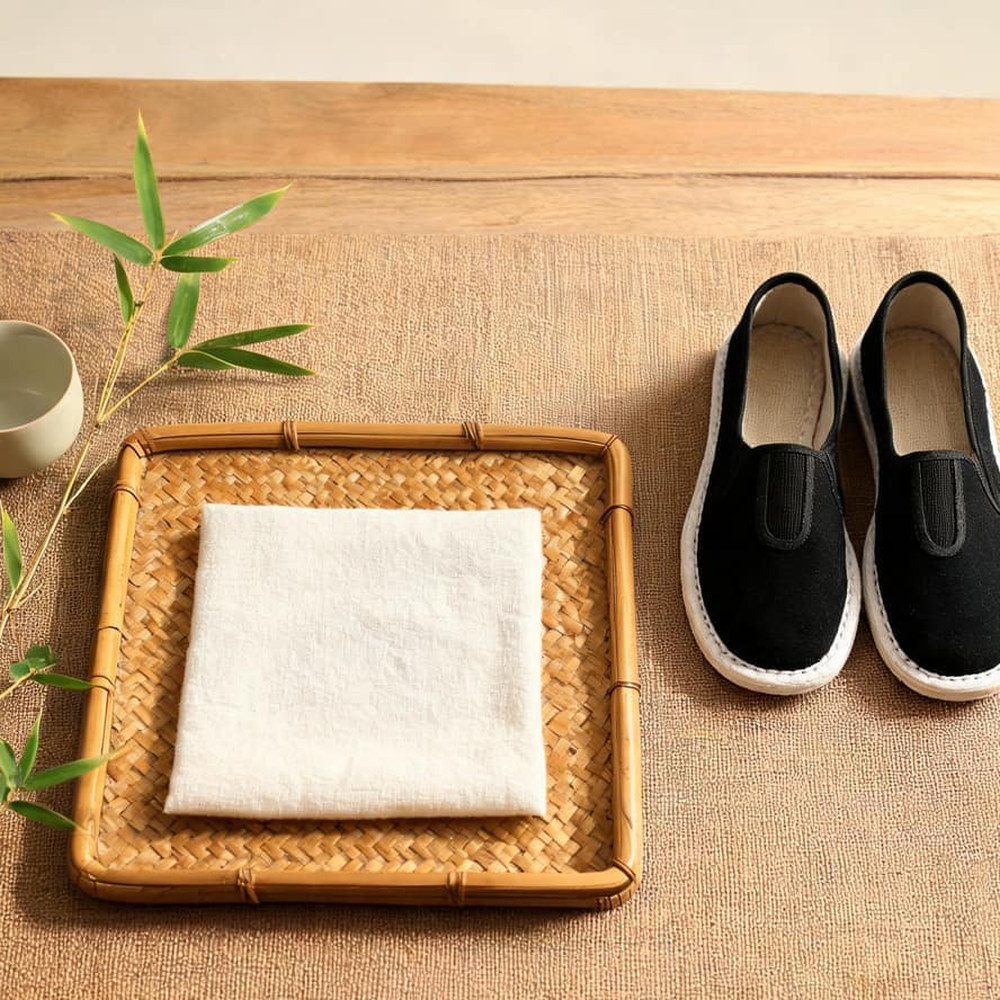
Heritage basketwork — bring the teahouse's ease home
Case: Heritage basketwork — bring the teahouse's ease home
← Scroll sideways for more →
Links lead to third-party marketplaces. This site has no promotional relationship with them.
Travel proposals · Meet the custom in its real setting
← Scroll sideways for more →
Related customs
← Scroll sideways for more →
Fact-checked October 2026 · every citation traceable
Primary sources are Chinese-language publications, cited for traceability. Bodies without a standard English name are listed by domain.