FestivalNingxia
Eid al-Fitr
Thirty days of fasting kept, and a reunion at first light — the greatest festival of the year for the Hui.
Thirty days of fasting kept, and a reunion at first light — the greatest festival of the year for the Hui.
As the first grey light shows in the east, the call to prayer sounds from the mosque on the hour. People washed and dressed in new clothes embrace and greet one another, and the smell of fried youxiang drifts out of every household. Children's pockets bulge with sanzi and sweets, and every face in the street is smiling — after a month of fasting, this dawn is especially clear.
Thirty days of self-discipline come before a single day of rejoicing: a happy Eid is the reward for those who held to it.
Traditions, echoed by a new generation
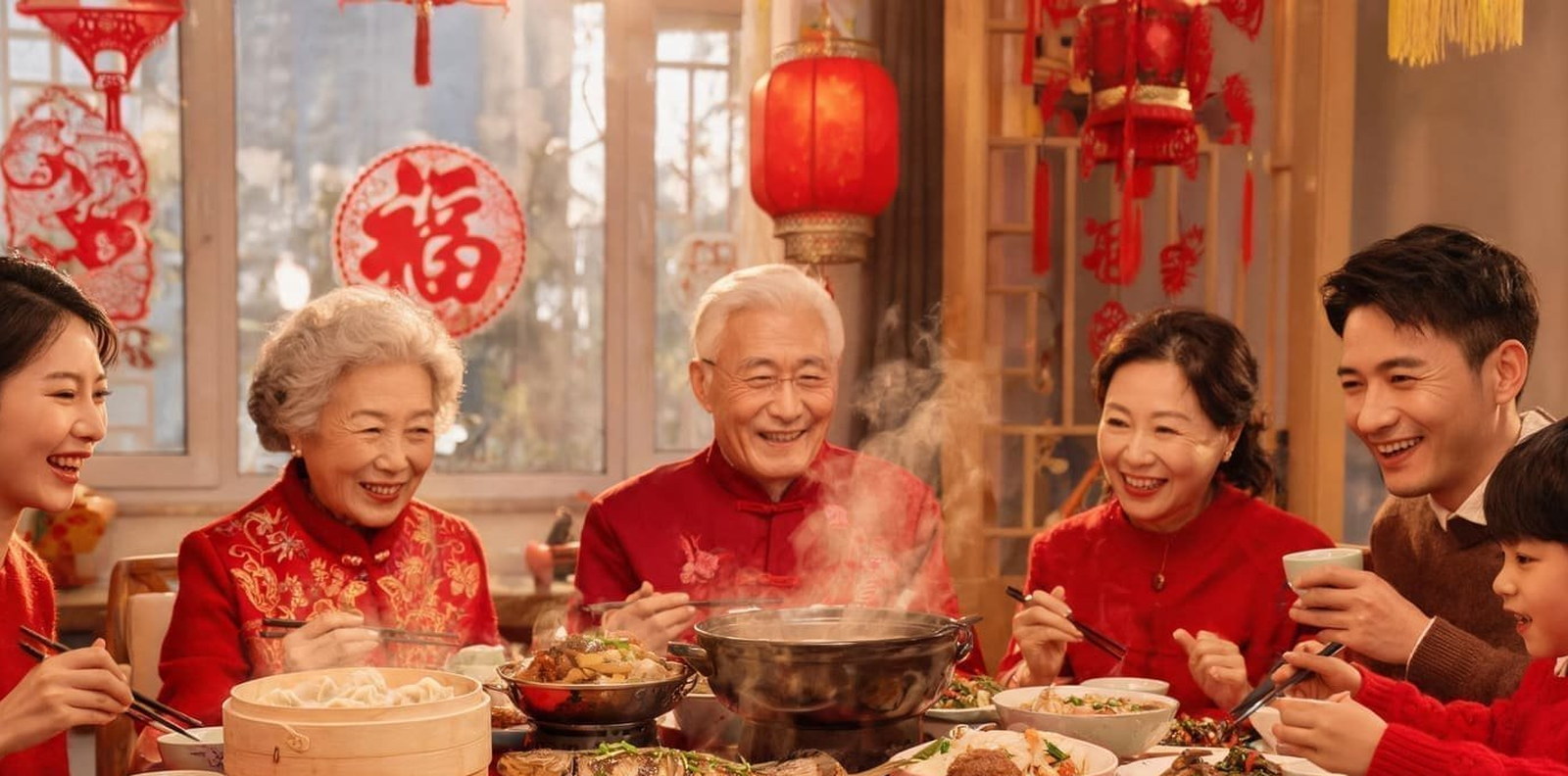
The first day after a month of fasting: the streets smell of fried cakes, and relatives go from door to door.
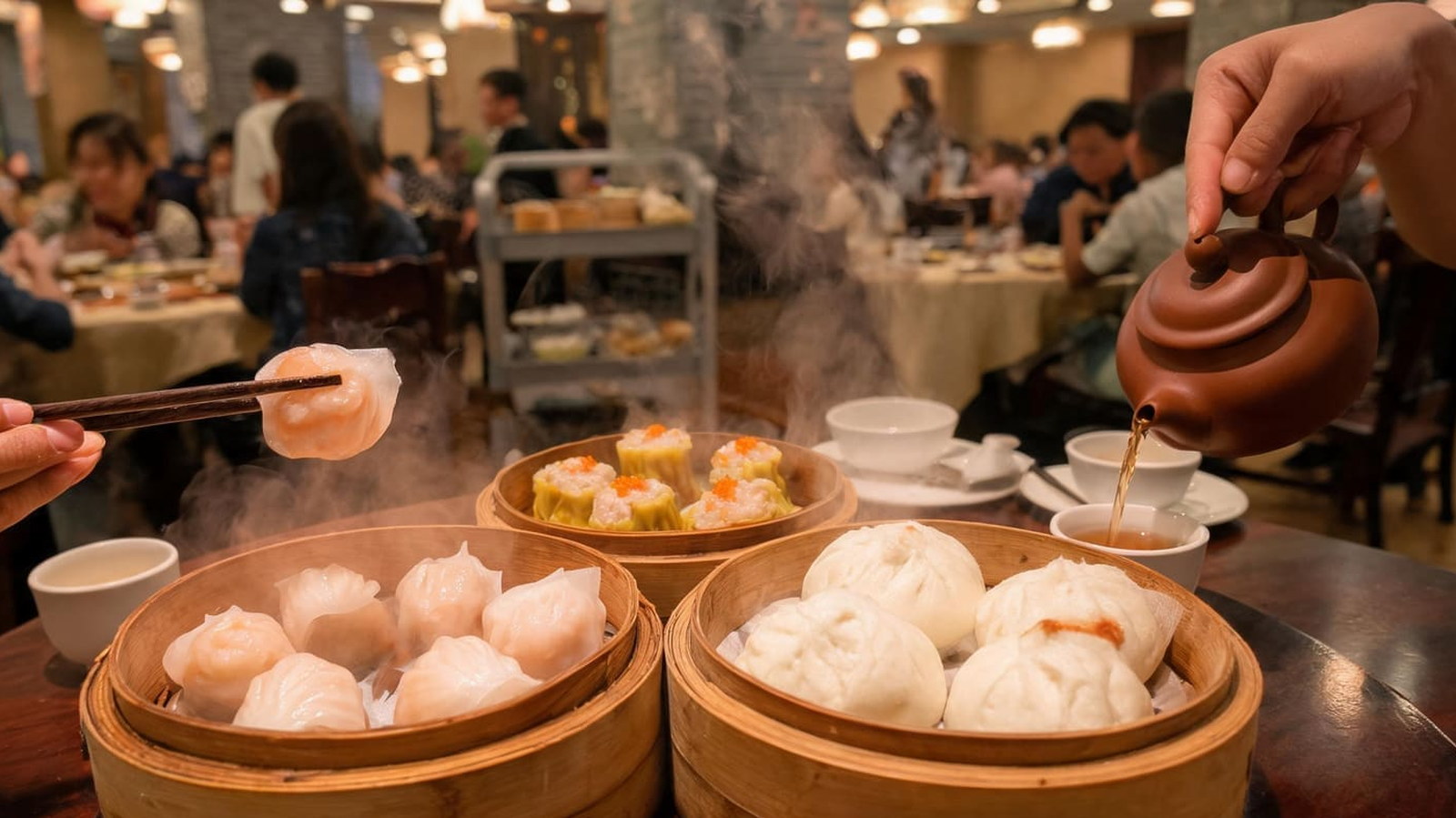
Taste the real Hui table — youxiang, sanzi and gaiwan tea: one bite and it is a festival
The dawn congregational prayer at the mosque is solemn and on a grand scale, prime material for documentary photography
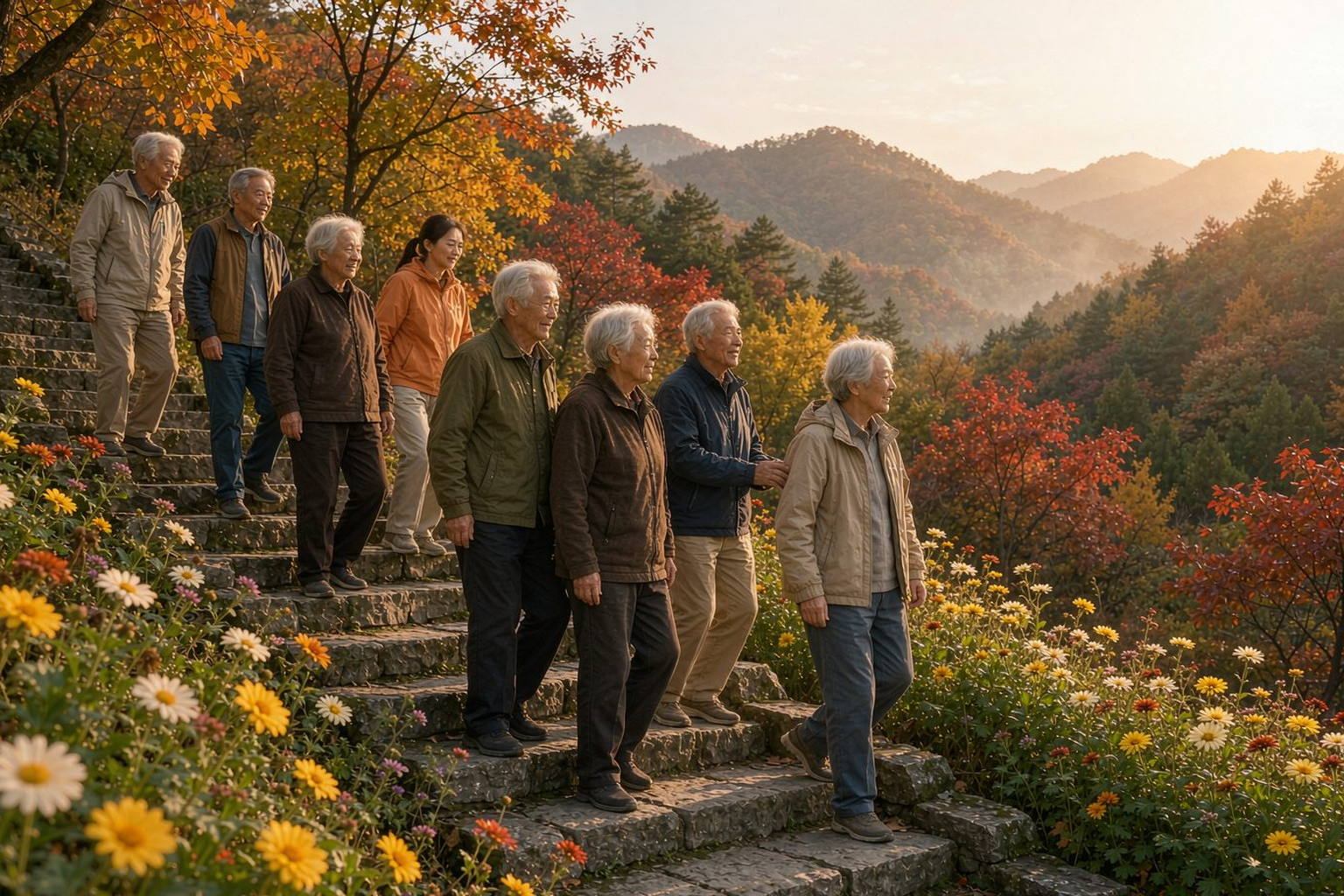
A philosophy of plain living earned by discipline: more rewarding than a checklist tour
History · Customs · Cultural meaning
Eid al-Fitr · Origins
One line of descent · tracing the root
Eid al-Fitr is the greatest festival of the Hui, Uyghur and other Muslim peoples of China; in Arabic the name means 'the festival of breaking the fast'. Through the thirty days of Ramadan adult Muslims take neither food nor drink between sunrise and sunset, practising self-restraint and giving to charity.
The day Ramadan ends is Eid al-Fitr. Reckoned by the Islamic calendar, its Gregorian date falls about eleven days earlier each year, so that over a cycle of some thirty-three years it travels through every season.
Eid al-Fitr · Customs
Seasonal rites · the life of people
On the morning of the festival Muslims bathe, dress in their best and gather at the mosque for the congregational prayer, listening to the imam's wa'z, the exhortation to do good. They then visit graves to remember their forebears and call on relatives and friends with greetings. Every household fries youxiang, sanzi and dough twists, and sets out eight-treasure tea in lidded bowls for guests.
It is customary to give sadaqah, alms for the poor, so that those with little may keep the festival too — sharing and compassion are the warmest ground note of Eid.
Eid al-Fitr · Cultural meaning
What the heart turns to · handed down through generations
With its shape of restraint first and celebration after, Eid al-Fitr carries a core of self-examination, gratitude and sharing, and it is an important cultural window through which the peoples of Ningxia come to know and respect one another.
In Ningxia people of different backgrounds often visit and celebrate together at Eid: a bowl of gaiwan tea and a piece of youxiang are the most natural kind of cultural exchange.
Related customs
← Scroll sideways for more →
Fact-checked October 2026 · every citation traceable
Primary sources are Chinese-language publications, cited for traceability. Bodies without a standard English name are listed by domain.