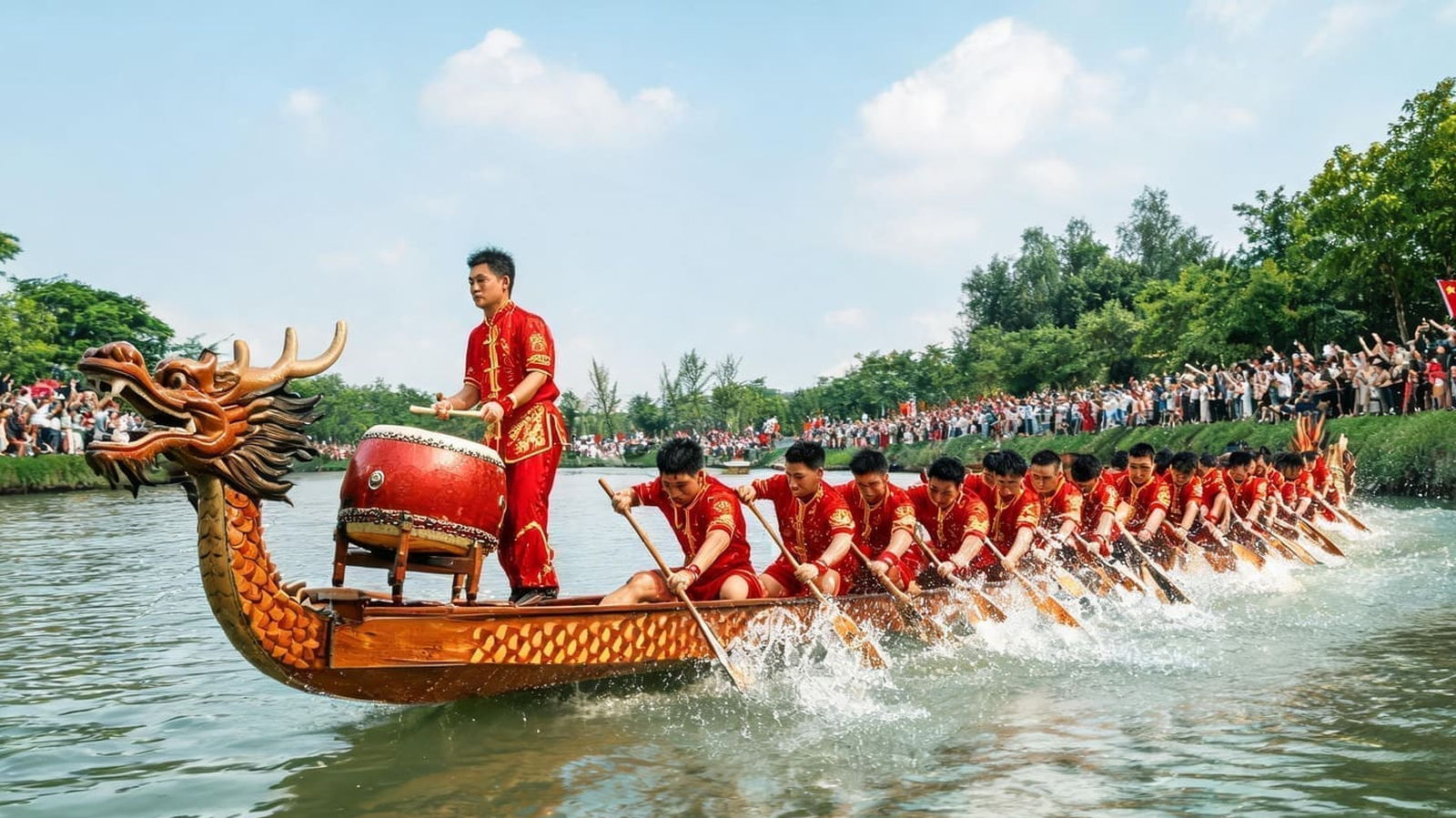
On the ninth day of the ninth month, both month and day meet on nine — two yang numbers doubled, hence Chongyang. Before daybreak someone is already walking uphill with a basket of Chongyang cake, a sprig of dogwood pinned to the lapel.
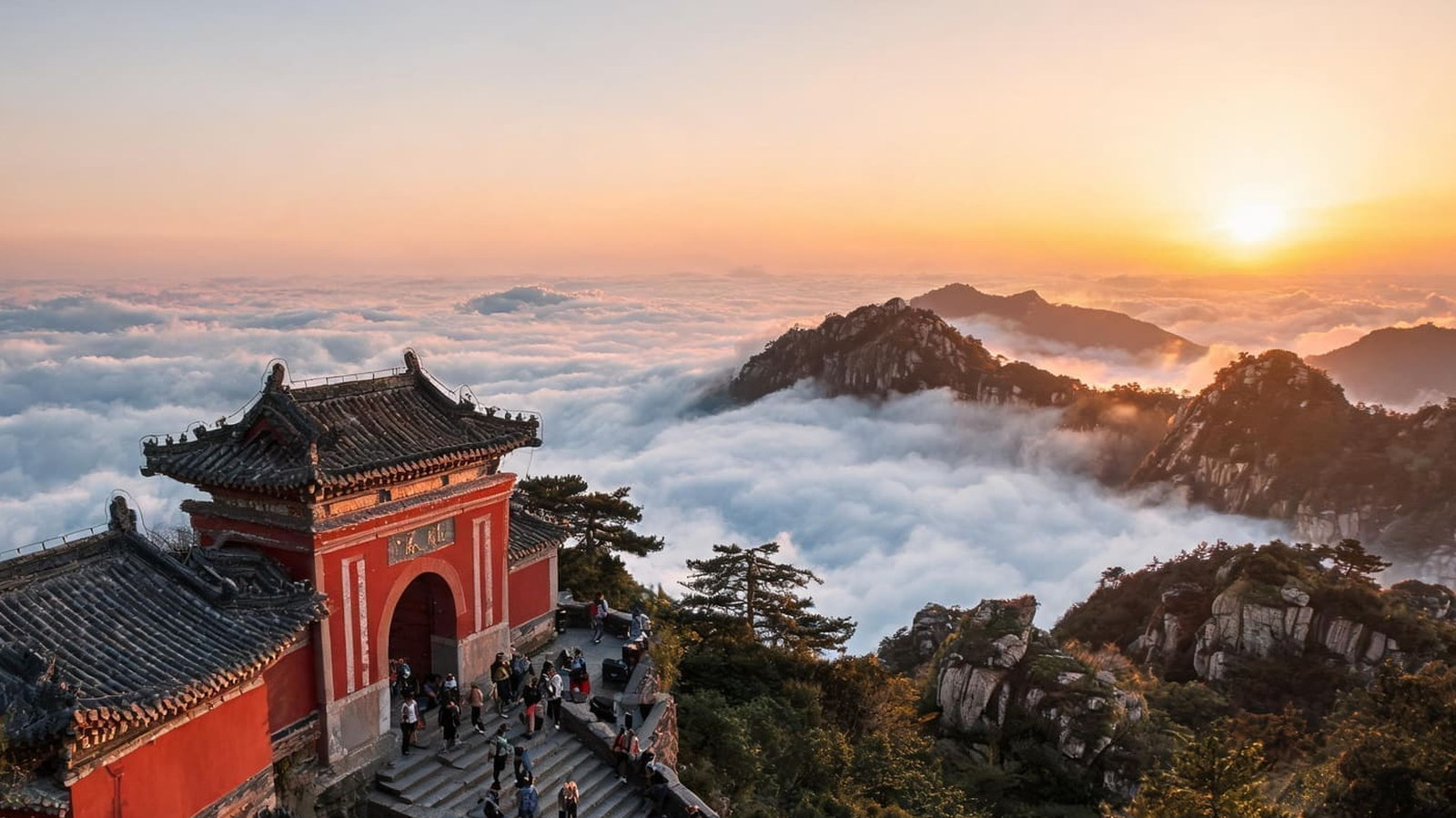
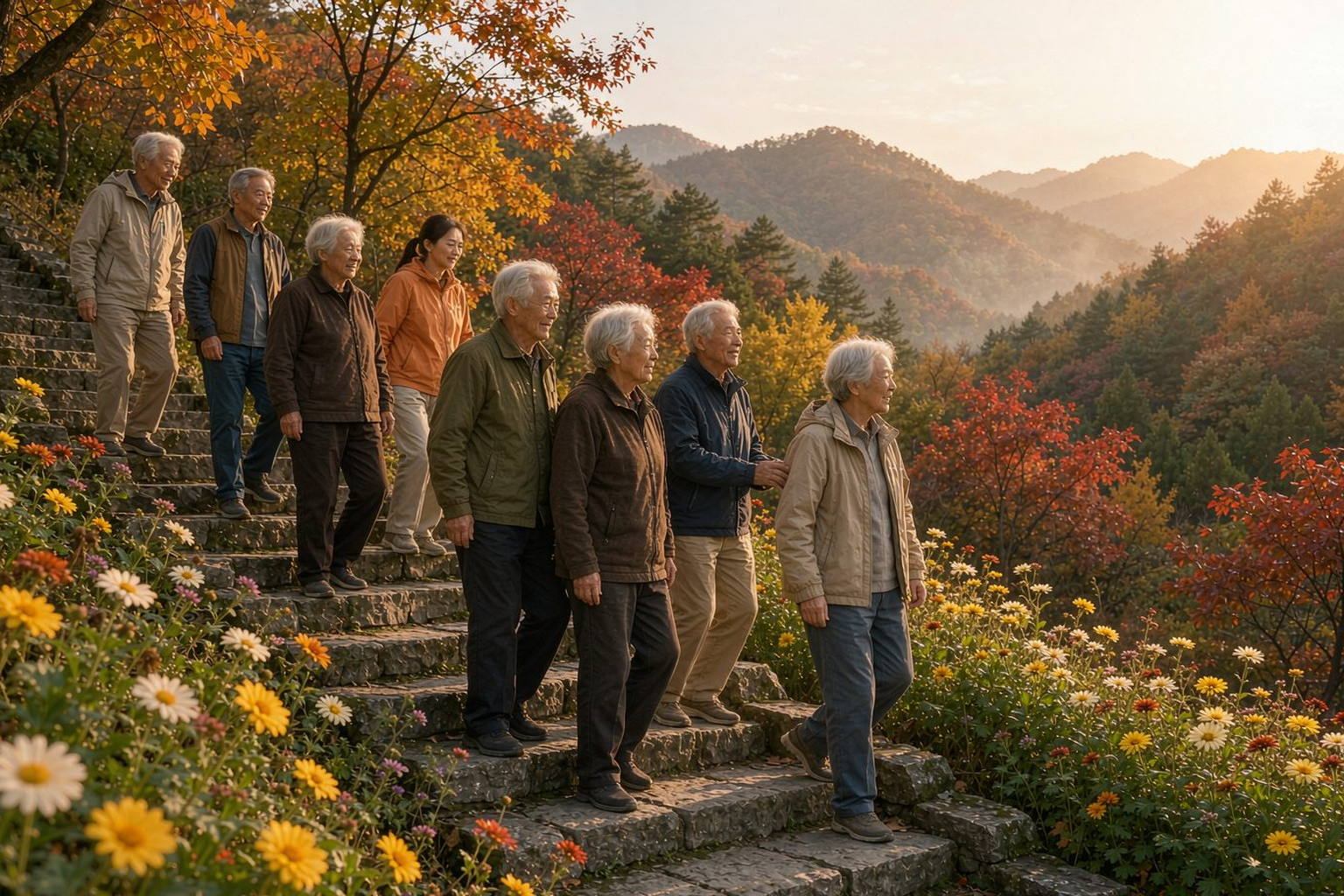
On the September mountain path the wind has taken on a chill, and wild chrysanthemums bloom in clumps beside the stone steps. The old walk ahead on canes; the young follow with cake and tea. At the summit, looking back over the spread of autumn colour, you finally understand how many generations of plain hope for health and long life the two characters 'climb high' carry.
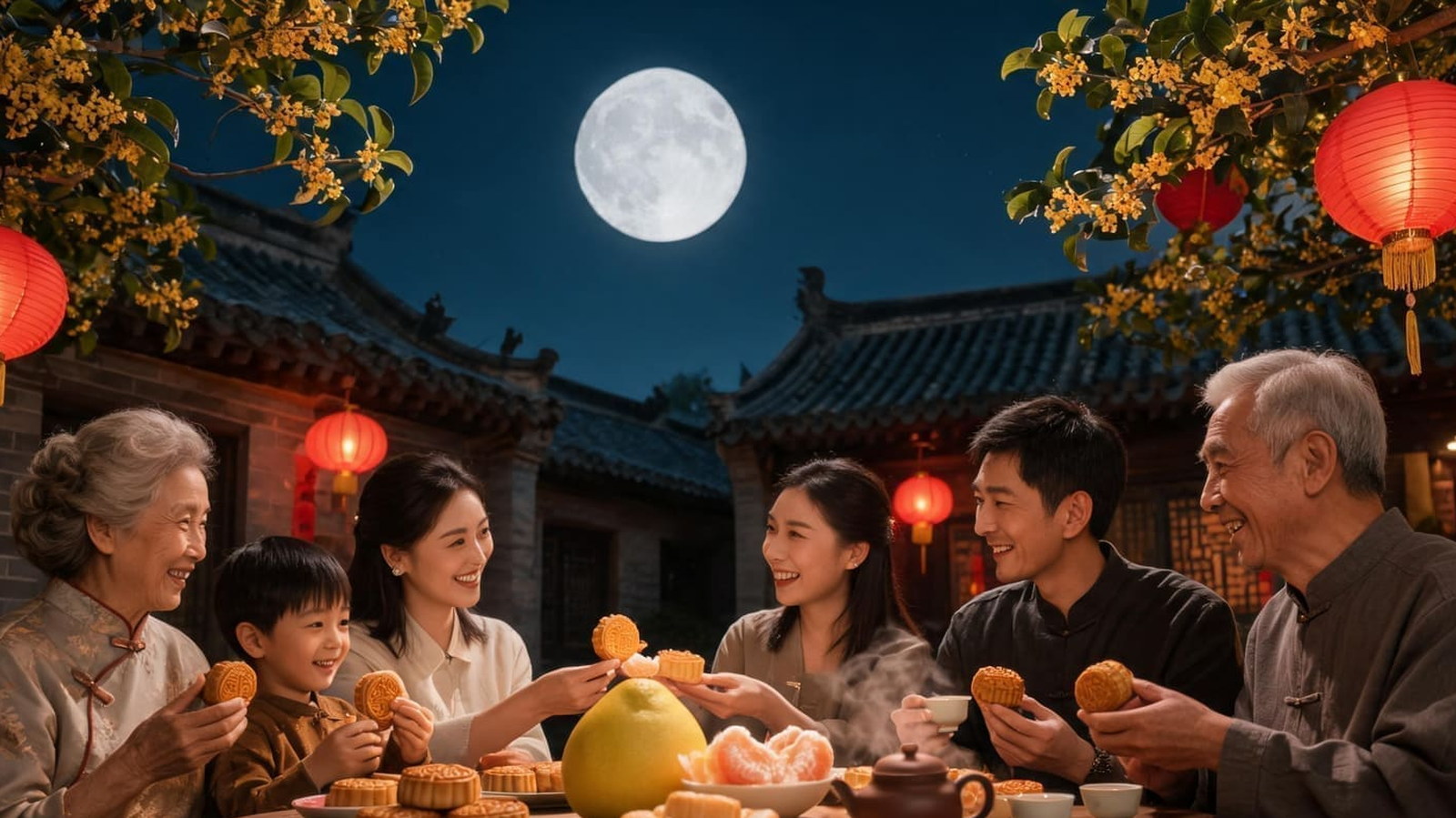
Nine-nine sounds like 'long-long' — lift the Chongyang cake, and the first piece goes to the eldest.
Traditions, echoed by a new generation
Double Ninth is a day for going out. If the mountain is beyond you, go to the park; if the mountain is far, climb a tower or a city gate — one way or another, get somewhere high and look at autumn.
Climbing, chrysanthemum-viewing, chrysanthemum tea — autumn's first proper hike; the old name was 'bidding the green farewell'
Chongyang cake layered with dates and chestnuts, chrysanthemum wine brewed just once a year, dogwood tucked into a little sachet
Nine-nine sounds like 'long-long'; a phone call home or a meal with the elders lands exactly right on this day
History · Customs · Cultural meaning
The Double Ninth Festival · Origins
Where the number and the date come from
The name comes from the Yijing. The ancients counted odd numbers as yang and even as yin, and nine is the greatest of the yang; on the ninth day of the ninth month both meet, two yang doubled — Chongyang, also Chongjiu. In 2006 the festival entered the first batch of the national intangible cultural heritage list as item Ⅹ-6.
As a festival it took shape roughly in the Han, matured in Wei–Jin, and flourished in the Tang — when it became a statutory holiday with leave and gifts from the court, and climbing heights, drinking wine and writing verse became the fashion.
Folklore explains the climb through Huan Jing of Runan (Eastern Han), who was advised to lead his family up the mountain on the ninth of the ninth, wearing dogwood and drinking chrysanthemum wine, and so escaped a plague. The story is preserved in the Xu Qi Xie Ji and the Jingchu Suishiji; scholars mostly treat it as later embroidery to explain the customs. Trace it further up and the festival's bedrock is the autumn tasting — qiu chang — and the old rites of honouring the aged and praying for long life: the Liji's 'Monthly Ordinances' instructs to 'care for the ageing, present armrests and staves, serve gruel and food'. The festival's respect for elders was planted that early.
The Double Ninth Festival · The customs
Heights and chrysanthemums · dogwood and cake
Climbing is the festival's main text — hence its other name, the Climbing Festival. The Xijing Zaji of the Western Han already records the ninth of the ninth as a day to 'wear dogwood, eat peng'er cake, drink chrysanthemum wine'. Autumn skies run high; to climb and look far carries the old sense of avoiding harm and praying for blessing, and suits the season's itch to move the limbs. Where plains offer no mountain, people climb towers; where no tower, they eat cake instead — gao, cake, puns on gao, high. That is how Chongyang cake came about.
Viewing chrysanthemums and wearing dogwood are the festival's other half — hence also the Chrysanthemum Festival, the Dogwood Festival. The chrysanthemum blooms against frost; the ancients called it the flower of longevity, brewing it into wine, pinning it in the hair, setting it before the desk. Dogwood's sharp scent repels insects and damp; people tied it to the arm, tucked it in the hair or into a small sachet, and called it the 'ward-off-evil lord'. When Wang Wei wrote, 'I know my brothers climb the heights, dogwood pinned — and one of us is missing', these two plants became, forever after, what the Chinese reach for to speak of longing.
Cake is the festival's most tangible food. Chongyang cake of old layered rice flour with dates and chestnuts, a little coloured flag stuck on top — a spoken charm of 'rising step by step'. In Tengzhou and Linyi, Shandong, the old practice of brewing chrysanthemum wine on the ninth of the ninth survives to this day: 'Nine-nine, Double Ninth, chrysanthemum wine fills the vats with fragrance.'
The Double Ninth Festival · What it means
Honouring age, bidding the green farewell
Nine-nine sounds like 'long-long', and nine is the greatest of numbers — longevity follows the sound. In 1989 China named the ninth day of the ninth month 'Seniors' Day'; the Law on the Protection of the Rights and Interests of the Elderly, in force from 2013, fixed it in statute as the national Elders' Day.
Nor is the day only for the old. The ancients called the climb 'bidding the green farewell', answering spring's outing — one last good walk before winter. Today some keep it as autumn hiking: up the hill for chrysanthemums, down for tea. Underneath, the sense is unchanged: while the weather holds, get out and walk.
A modern Double Ninth mostly looks like this: a phone call in the morning to promise dinner at home; an afternoon walk with the elders in a nearby park or up a city gate tower, some gentle slope. The mountain need not be high — stairs that can be climbed are enough.
To admire and to use · Tradition in everyday life
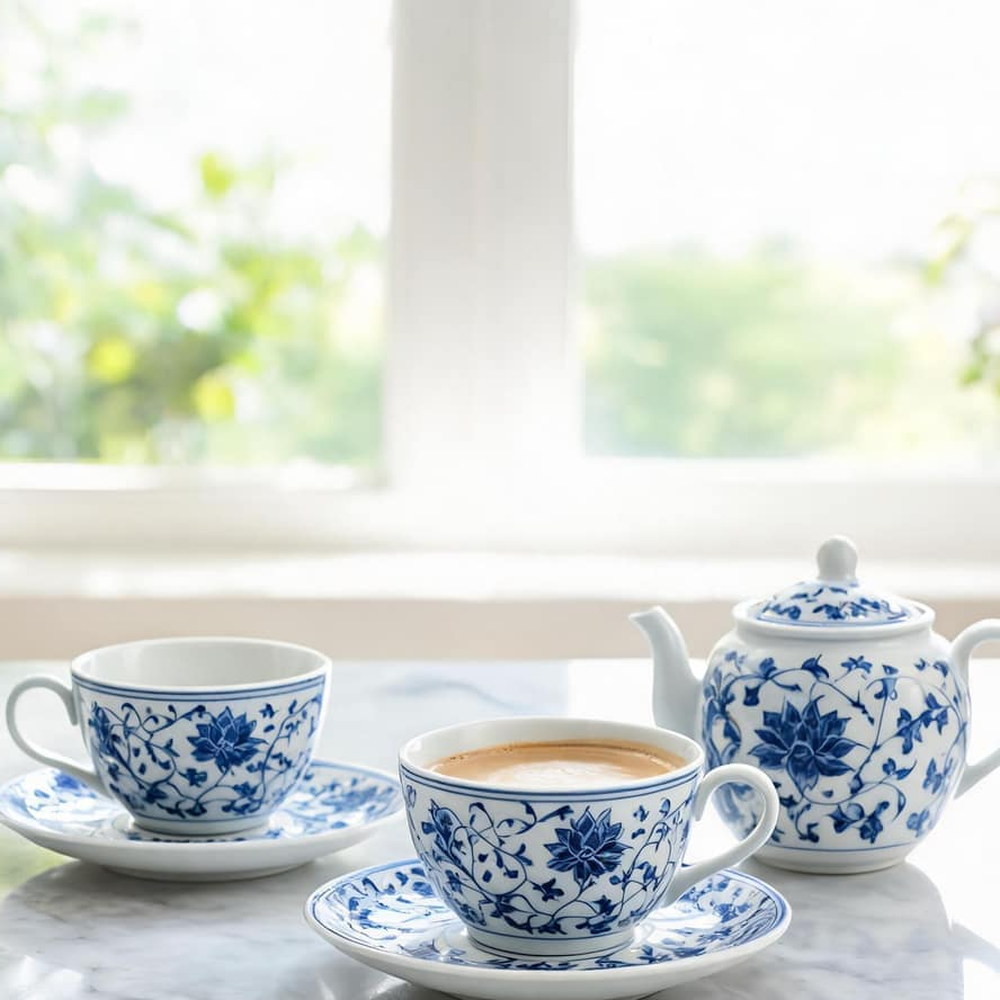
Tea
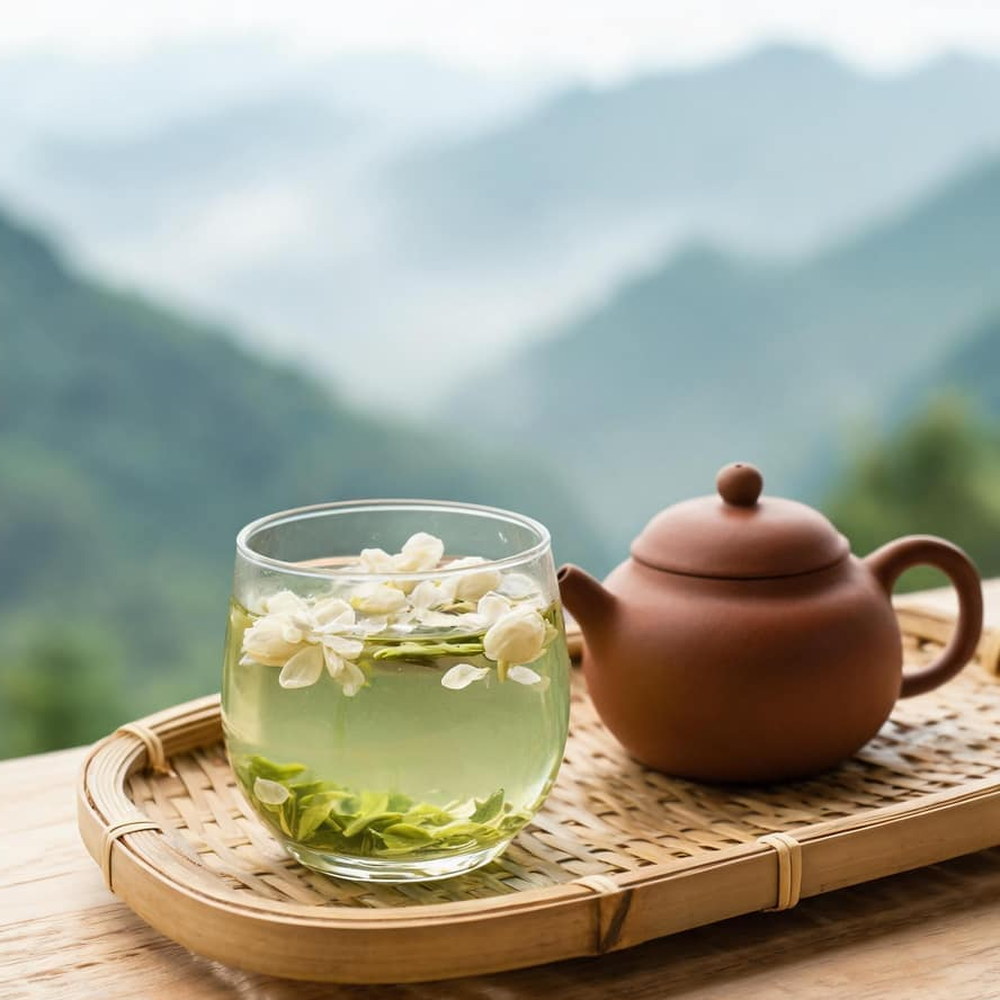
Unopened Hangbaiju buds, dried and roasted; a pinch steeps to a pale-gold cup
Case: Unopened Hangbaiju buds, dried and roasted; a pinch steeps to a pale-gold cup
Food
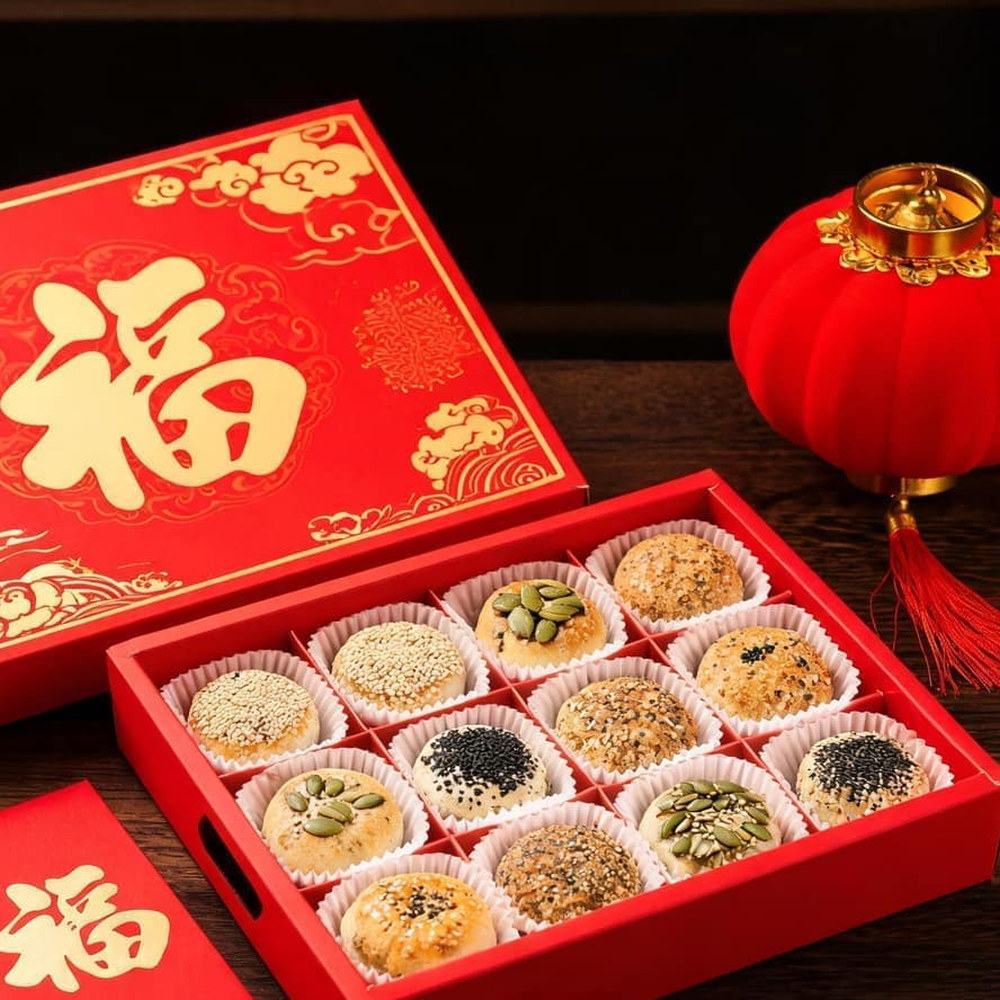
Rice flour steamed in layers with date paste and chestnuts between, tiny five-colour flags set on top
Case: Rice flour steamed in layers with date paste and chestnuts between, tiny five-colour flags set on top
Craft
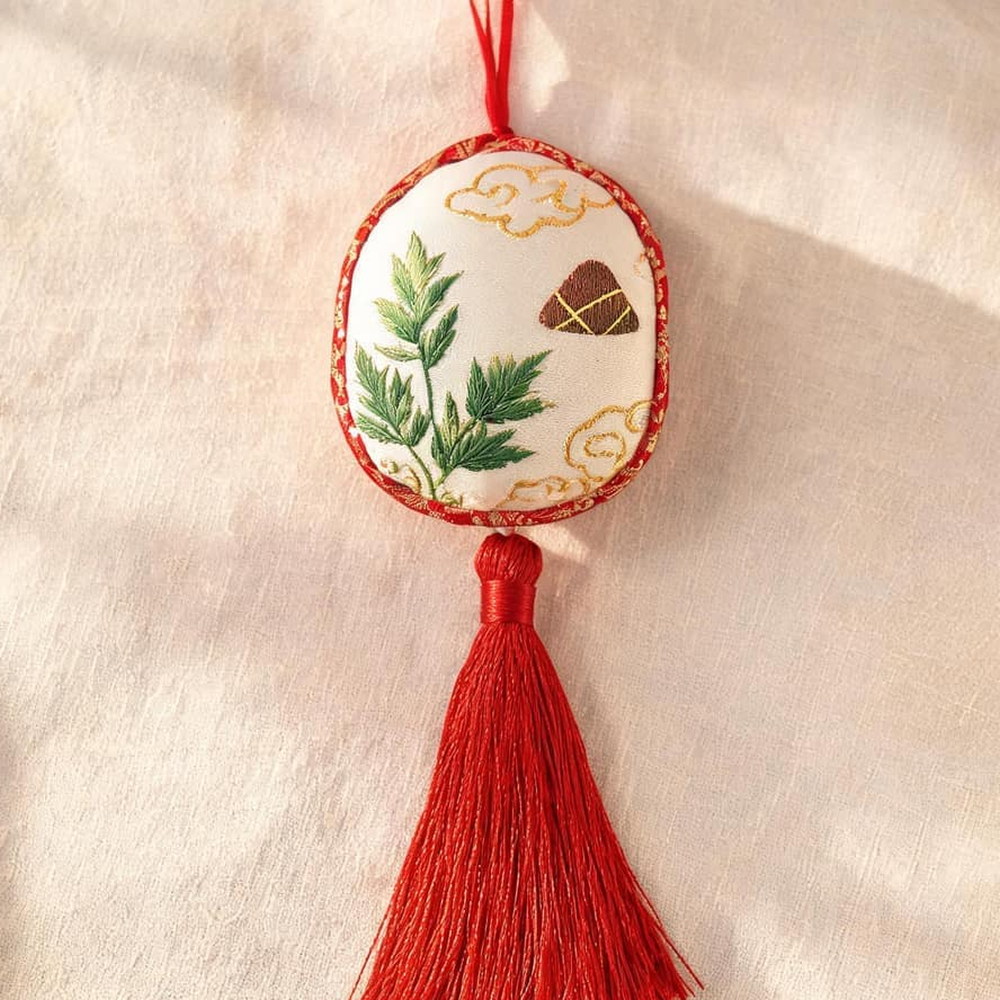
A silk pouch sewn around dogwood and a few herbs, corded to hang at the chest
Case: A silk pouch sewn around dogwood and a few herbs, corded to hang at the chest
Craft
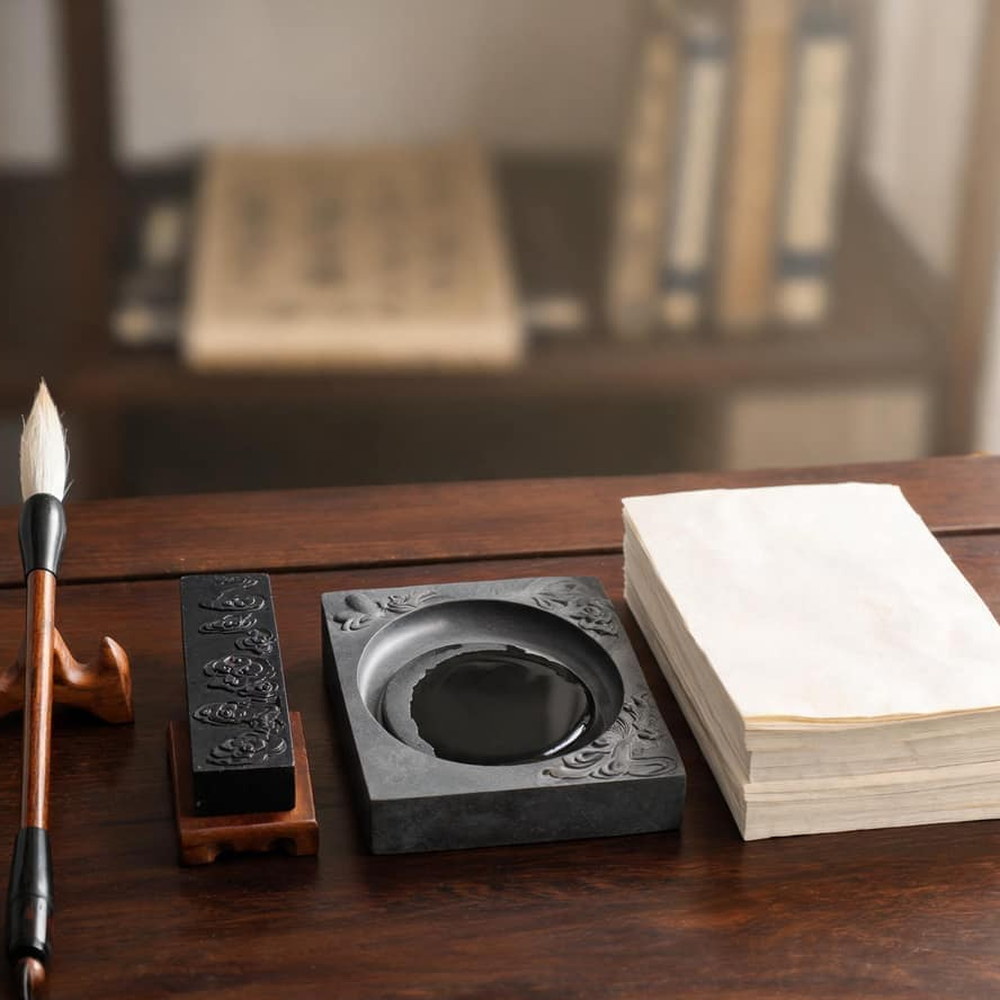
Xuan paper letter sheets, envelopes and a small ink cake, cut to the old formats
Case: Xuan paper letter sheets, envelopes and a small ink cake, cut to the old formats
Objects
A small white-porcelain bottle of brewed chrysanthemum wine, narrow-necked, with one tiny cup
Case: A small white-porcelain bottle of brewed chrysanthemum wine, narrow-necked, with one tiny cup
← Scroll sideways for more →
Links lead to third-party marketplaces. This site has no promotional relationship with them.
Travel proposals · Meet the custom in its real setting
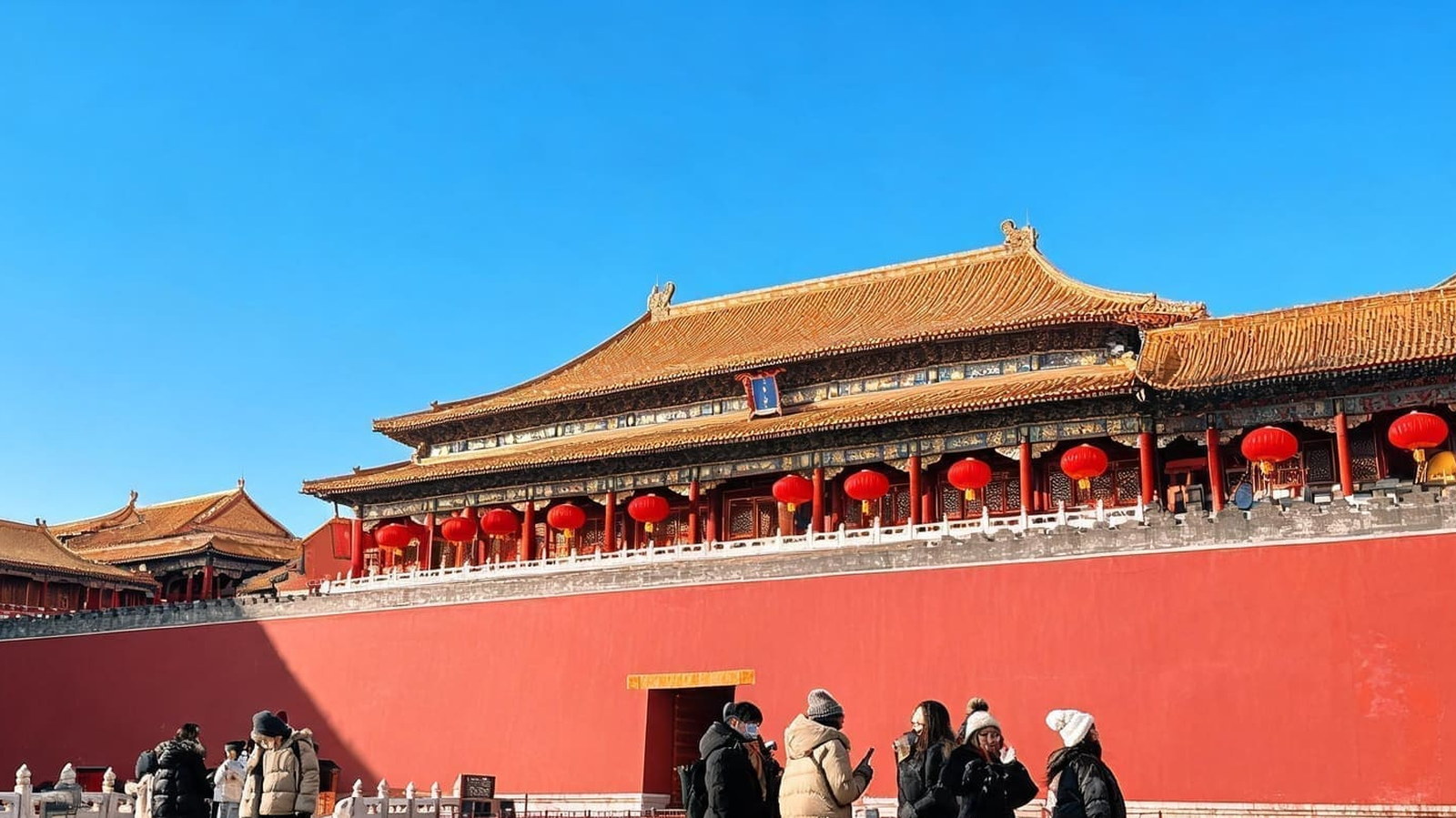
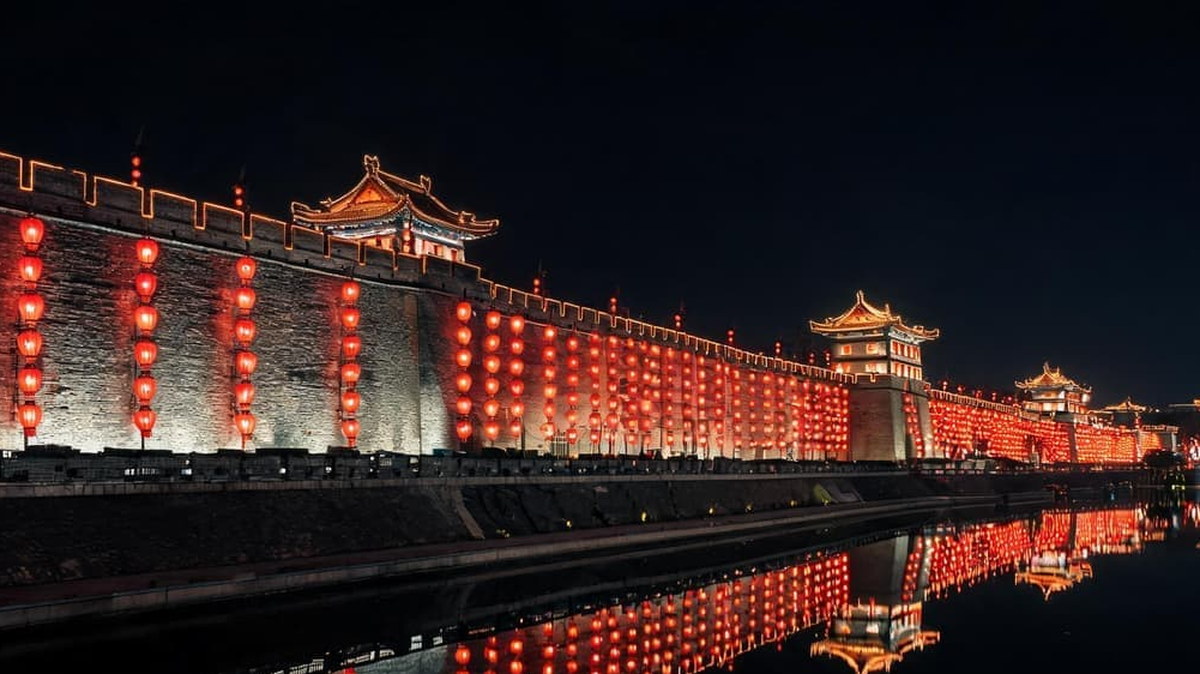
Where plains replaced mountains with walls, a loop ride along the ramparts now serves just as well
Song-era capital of chrysanthemum viewing, now with an annual autumn chrysanthemum culture festival
'Nine-nine, Double Ninth, chrysanthemum wine fills the vats with fragrance'
← Scroll sideways for more →
Related customs
← Scroll sideways for more →
Fact-checked October 2026 · every citation traceable
Primary sources are Chinese-language publications, cited for traceability. Bodies without a standard English name are listed by domain.