The Qingming Festival
Home/Categories/Festival customs/The Qingming Festival
Festival customsNationwide

The Qingming Festival

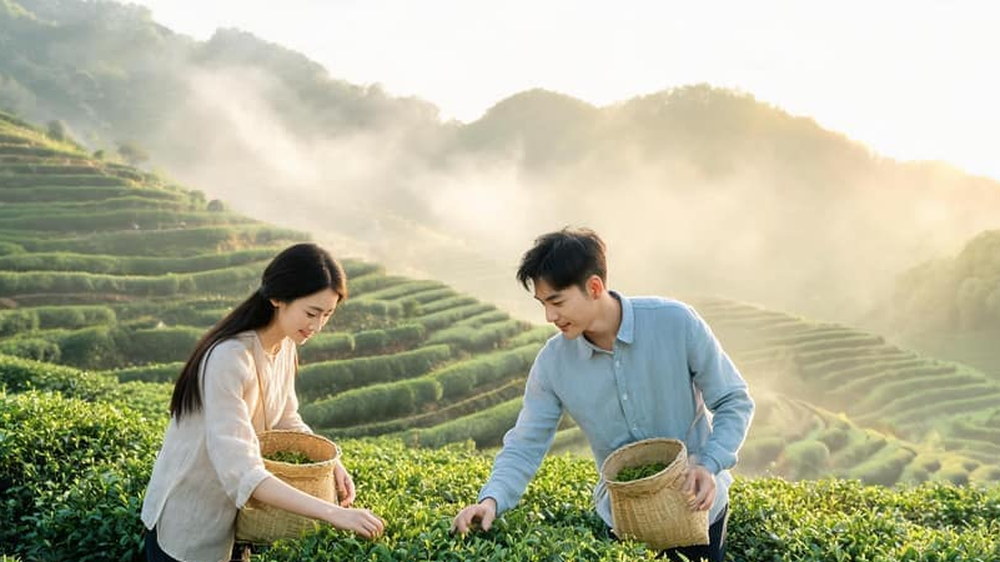
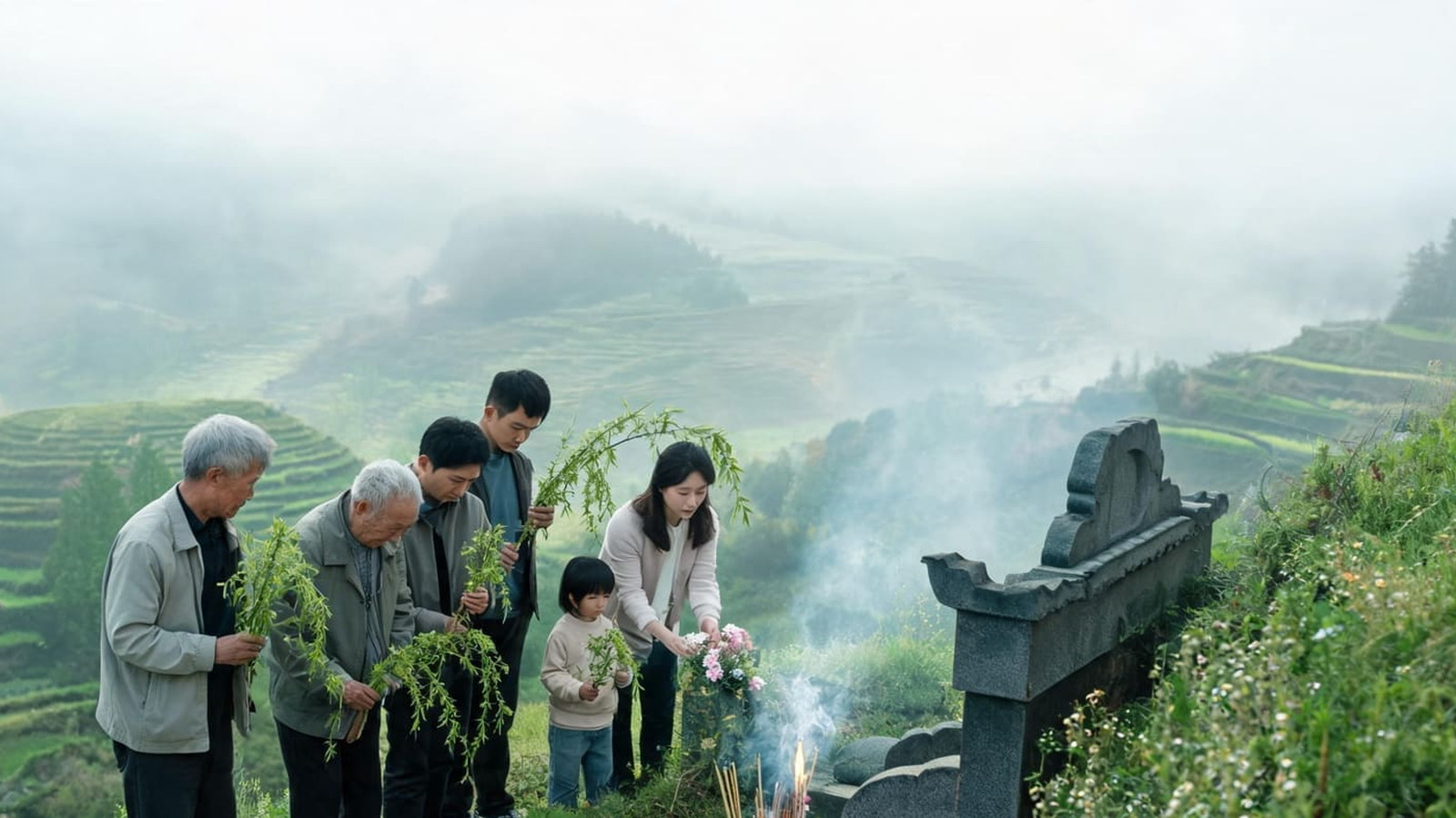
Around Qingming the willow shoots are barely out and the dew still hangs on the field paths. A family carries bamboo baskets up the hill — clearing weeds, banking fresh soil, laying out food, lighting a stick of incense; on the way down they break a willow sprig and set it over the door.

National ICH Intangible Cultural Heritage lists · national list, inscribed 2006 · First batch (2006) Ⅹ-2 Heritage List →
Season Festival dates Falls between 4 and 6 April in the Gregorian calendar · Best time The week around Qingming Travel →

The spring rain has just stopped and the hills are wet green. The family picks its way up the muddy slope, gently clears the weeds from the grave, lays out a bowl of the departed's favourite food and pours a cup of rough wine. The children bow along, half understanding; paper ash rises with the rain mist, and somewhere off a string of firecrackers echoes through the empty valley. Water drips from the willow tips, like words not quite finished.

You go up the hill to visit one person; you come down to visit all of spring.

01

Why the young are falling for it

Traditions, echoed by a new generation

Qingming asks two things of the day: go out to sweep the graves, and go out into the green. Doing both in one day leaves a person strangely quieted.

01

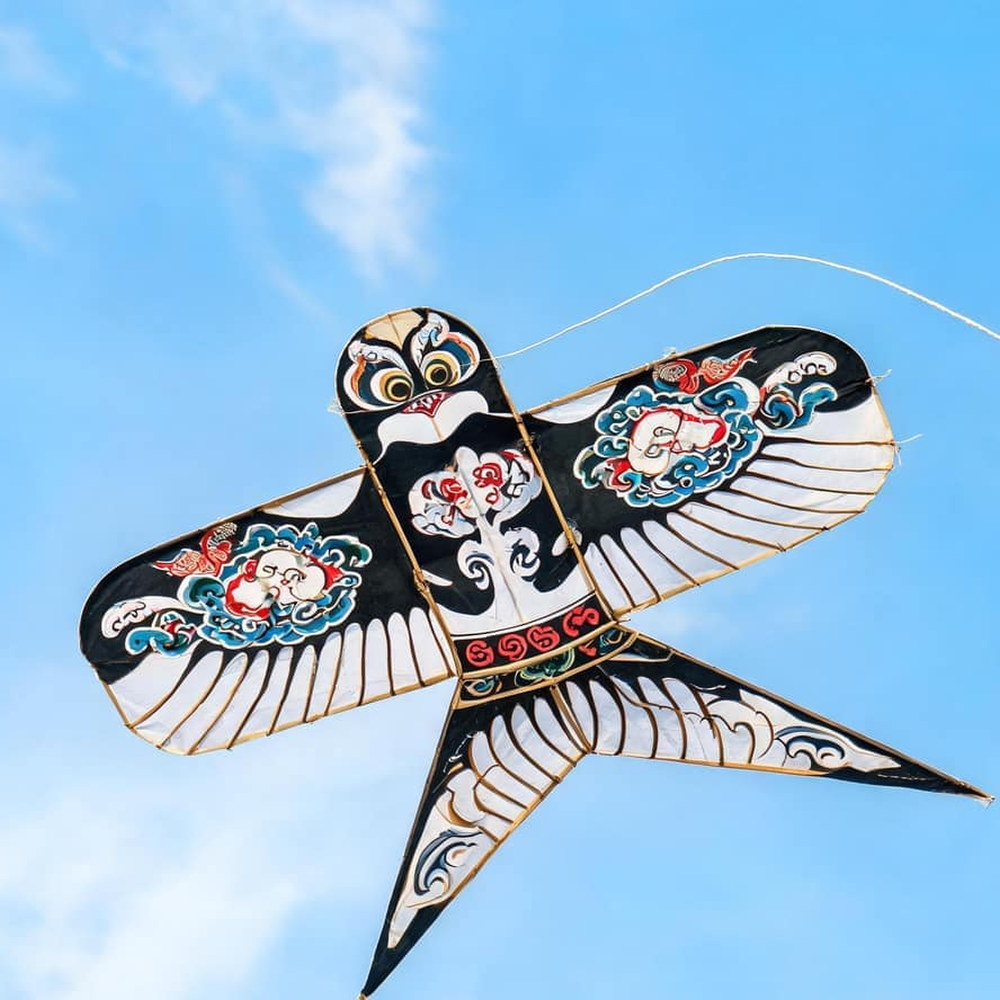
Willow sprigs, kites, swings — the ancients' spring-outing list, fuller than most modern weekends

02

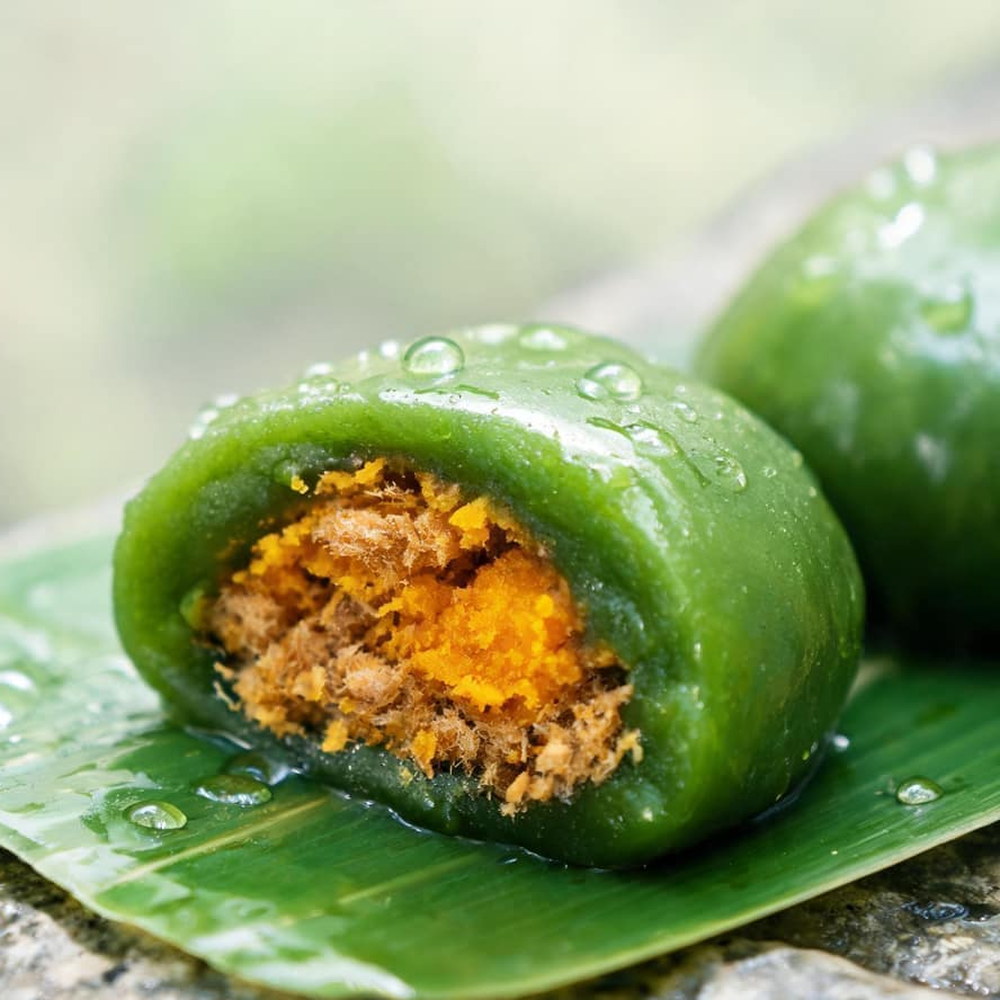
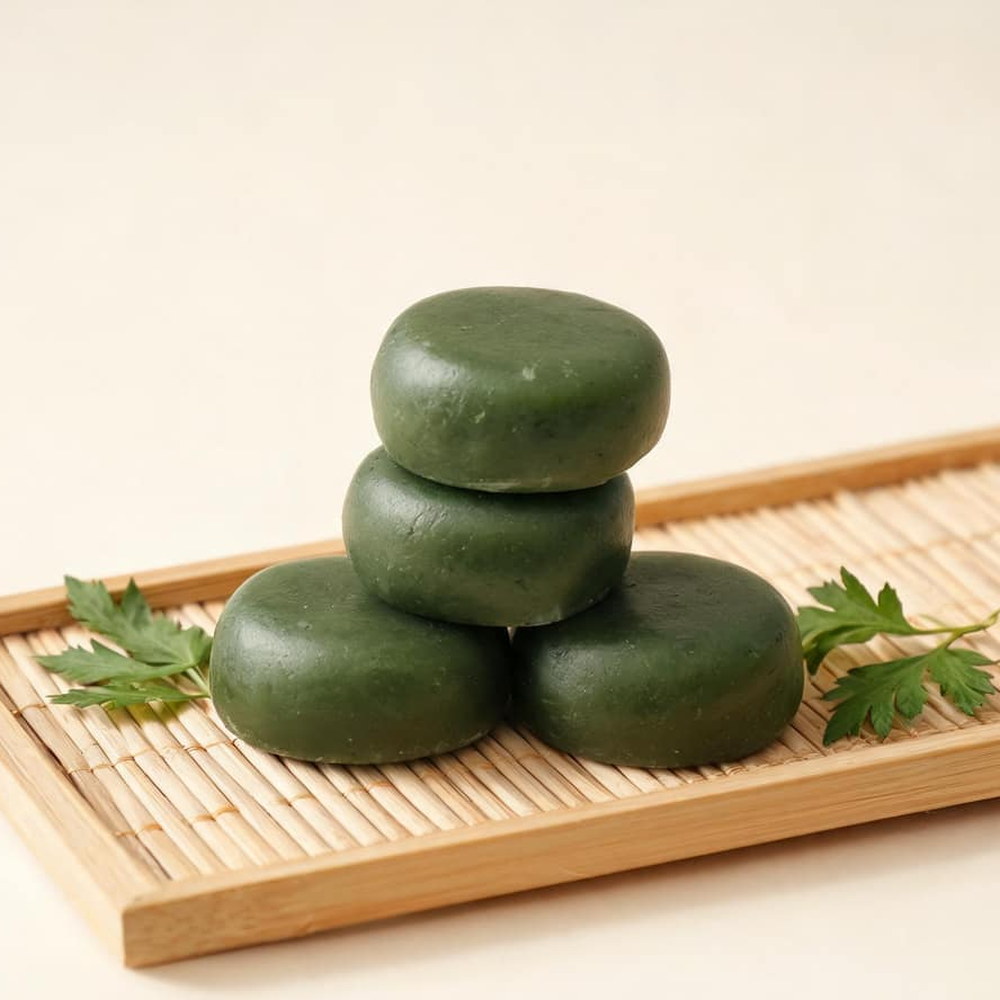
Qingtuan dumplings, their skins dyed with mugwort juice and glutinous rice — that once-a-year mouthful of spring

03

Grave-sweeping is telling the year's news to the generation above; once it is said, the heart settles

02

Origins & Practice

History · Customs · Cultural meaning

The Qingming Festival·Origins The Qingming Festival · Origins
1

Origins

One current, traced to its source

Qingming began as a solar term. About a hundred days past the winter solstice the sun warms and the rains multiply, and farmers start soaking seed and raising seedlings. The Huainanzi records: 'Fifteen days after the spring equinox, the Dipper points to yi, and the clear-bright wind arrives' — the very words qing-ming describe this season of clear air and bright scenery.

As a festival it came from two older customs. One was Hanshi, the Cold Food festival — traditionally traced to Duke Wen of Jin mourning Jie Zitui — when no fires were lit and only cold food eaten. The other was Shangsi, near the third day of the third month, when people went to the water's edge for purification rites. The dates sat close, and the customs gradually merged. In 732, Emperor Xuanzong of Tang decreed 'tomb-visits at Cold Food' for the whole realm, and grave-sweeping gained official standing.

From Song and Yuan times on, Qingming — once the junior partner of Hanshi — absorbed both the grave rites of the one and the spring outings of the other, arriving at today's shape: the report made before the grave, and the new green on the slope.

The Qingming Festival·The customs The Qingming Festival · The customs
2

The customs

Rites of the season, texture of daily life

The season's first business is the graveside. With a sickle and a bamboo basket, the family clears the weeds, banks a layer of new soil, sets out food and wine, lights incense and burns paper. They bow in order of seniority, stand a while, and only then come down the hill.

From the graves, the outing follows naturally. Around Qingming the grass turns new: breaking willow sprigs, wearing them, flying kites, riding swings, playing cuju — all belong to these few days. The old logic: with Cold Food's fires out and cold food in the belly, one had best get outdoors and move.

The season's eating has its own rules: in Jiangnan they steam qingtuan, skins kneaded from mugwort juice and glutinous rice flour; elsewhere there are sanzi twists, Qingming dumplings, runbing wraps. Methods differ; they chase the same fresh taste of spring.
The Qingming Festival·What it means The Qingming Festival · What it means
3

What it means

What the heart holds, the generations pass on

Qingming is the only one of the twenty-four solar terms that is also a festival. Half weather, half human feeling: one moment you are saying farewell at the grave, the next you are looking at new green on the slope.

'Attend carefully to the ends of the dead and pursue the memory of the distant' — laid onto Qingming, those words become two concrete acts: remember where you come from, and tend the days at hand.

On 20 May 2006, the Qingming Festival (project no. 450) entered the first batch of the national intangible cultural heritage list as item Ⅹ-2; since 2008 it has been a statutory public holiday in China.

03

Folk goods · Bring the tradition home

To admire and to use · Tradition in everyday life

← Scroll sideways for more →

Links lead to third-party marketplaces. This site has no promotional relationship with them.

04

Where to experience The Qingming Festival

Travel proposals · Meet the custom in its real setting

← Scroll sideways for more →

+

Keep exploring

Related customs

← Scroll sideways for more →

S

Sources

Fact-checked October 2026 · every citation traceable

Primary sources are Chinese-language publications, cited for traceability. Bodies without a standard English name are listed by domain.