The Spring Festival
Home/Categories/Festival customs/The Spring Festival
Festival customsNationwide

The Spring Festival

Once the twelfth lunar month begins, every household starts the busy work of the New Year — sweeping the house, steaming bread, filling sausages, writing couplets — right up to the reunion dinner on New Year's Eve.

UNESCO ICH Intangible Cultural Heritage lists · national list, inscribed 2006 · First batch (2006) Ⅹ-1 · UNESCO ICH Representative List, inscribed 2024 Heritage List →
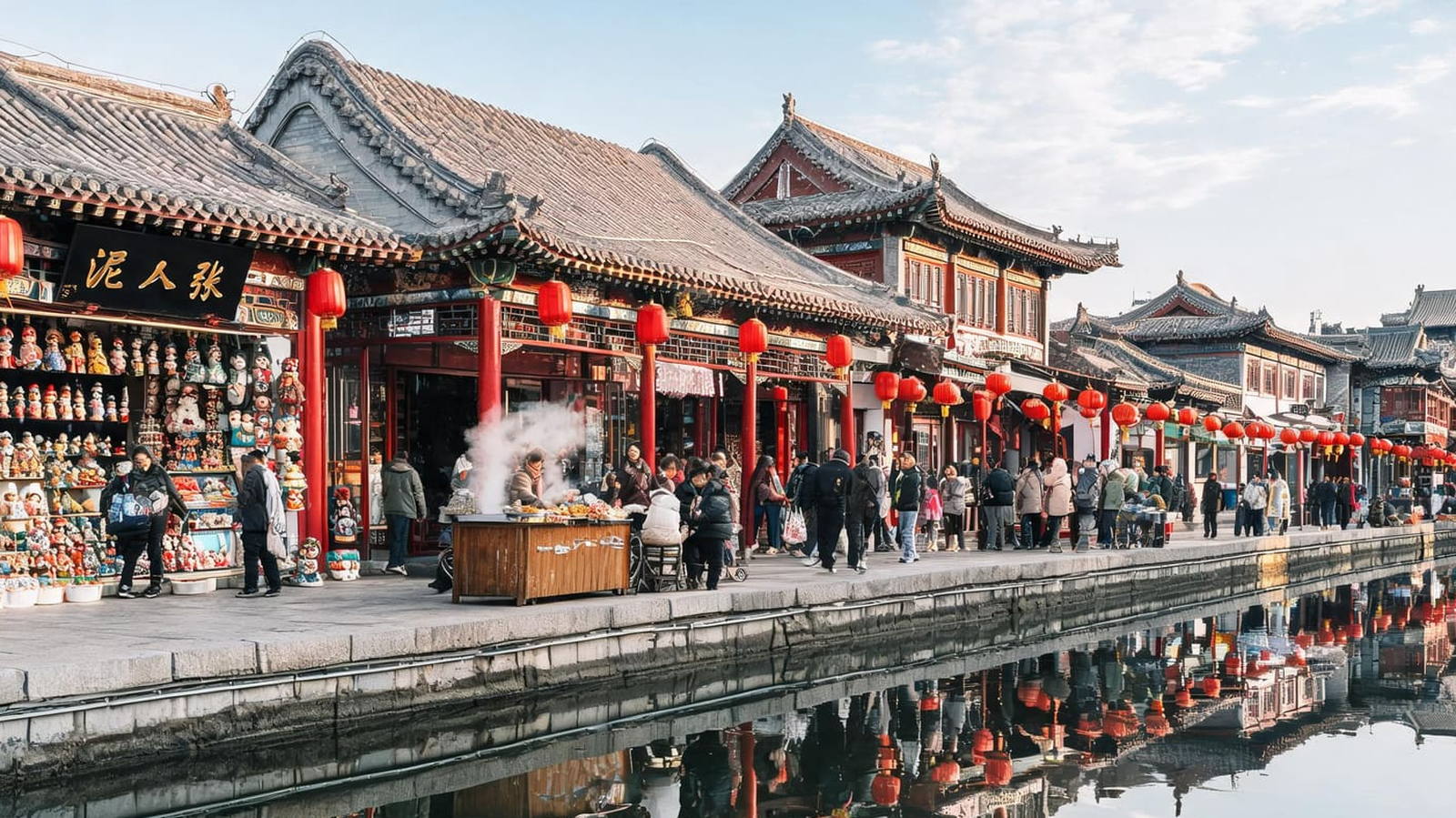
Season Festival dates 1st day of the first lunar month; the season runs from the twelfth-month preparations to the Lantern Festival · Best time Twelfth lunar month to the Lantern Festival Travel →

On the evening of the twenty-ninth of the twelfth month, a train crosses half of China to deliver sons and daughters, unseen for a year, to the village road. Firelight in the stove catches the mother's profile as she feeds it; dumplings sit in ranks on the chopping board; the father smooths the couplets and pastes them up. At midnight the fireworks burst over the old house and children run in and out clutching red envelopes — and for this one night, however far they have travelled, everyone is home.

However far you go, this is the night you come back for dinner.

01

Why the young are falling for it

Traditions, echoed by a new generation

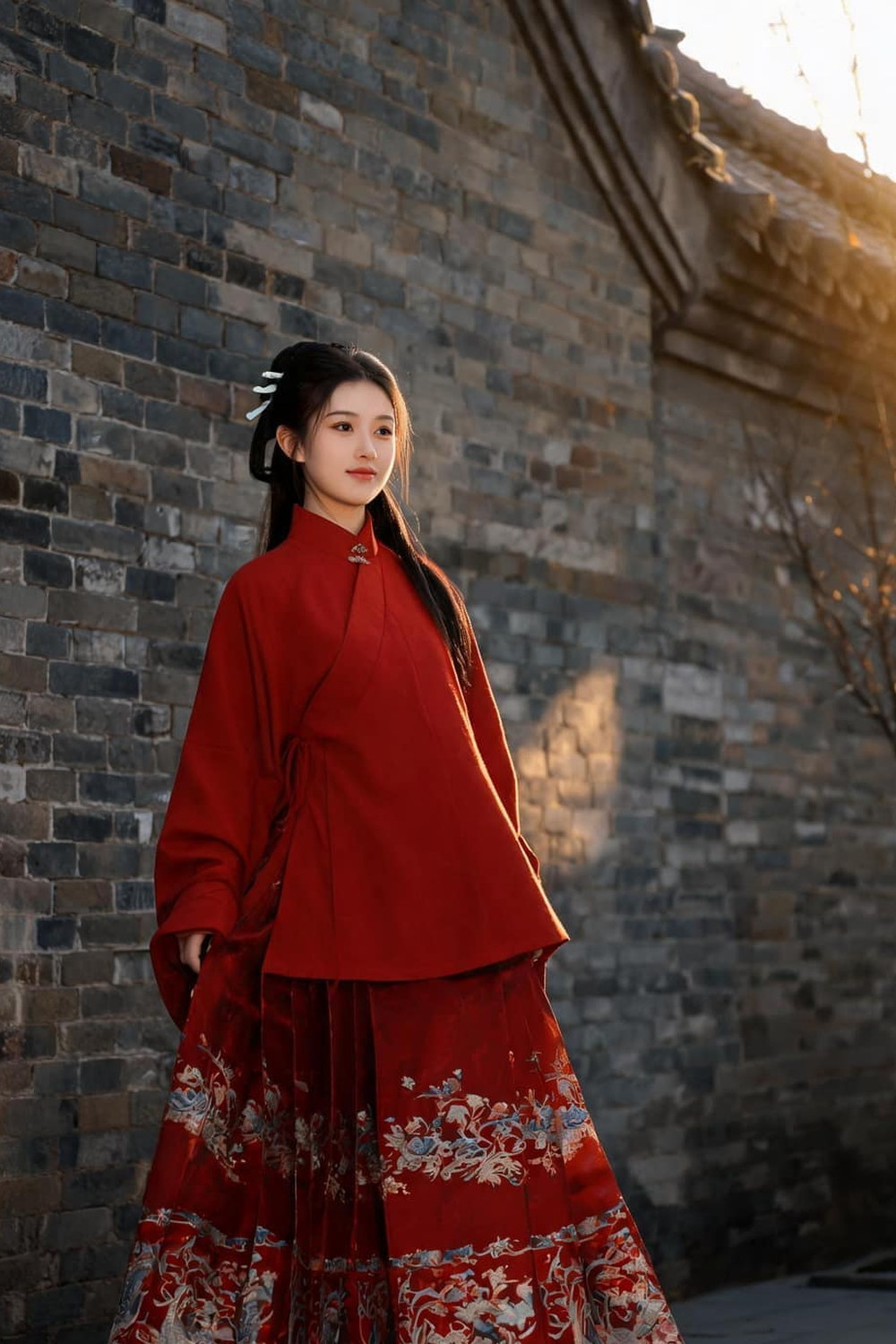
The Spring Festival is not just red envelopes and nagging about marriage. It is the one holiday when resting needs no excuse — the whole nation plugging itself back in at home.

01

Red is the ground note of Chinese aesthetics — couplets, lanterns, paper window-cuts; any casual photo comes out looking like New Year

02

Pasting the fu character or folding dumplings together is that rare hour of the year when everyone's phone is face down

03

Lucky money, New Year goods, rounds of visiting — underneath it all, the feeling of being remembered and caught

02

Origins & Practice

History · Customs · Cultural meaning

The Spring Festival·Origins The Spring Festival · Origins
1

Origins

One current, traced to its source

With the twelfth month come cured, frost-hardened sausages hanging in northern courtyards and new-year rice cakes rising in southern steamers. For the most important meal of the year, the Chinese keep the year's final night.

The festival's roots reach back to the Shang dynasty, when people offered sacrifice to gods and ancestors at the year's turning — thanking the harvest and asking for an easier year to come. Across four thousand years the calendar changed and the rites changed, but this never broke off.

Folklore adds a beast called Nian that crept out on New Year's Eve to attack people and livestock. It feared red, fire and noise, so people pasted red couplets, lit firecrackers and kept lamps burning till dawn. Take the tale lightly — but the fact that it has been told this long says something about how people steady their nerve and keep the night.

The Spring Festival·The customs The Spring Festival · The customs
2

The customs

Rites of the season, texture of daily life

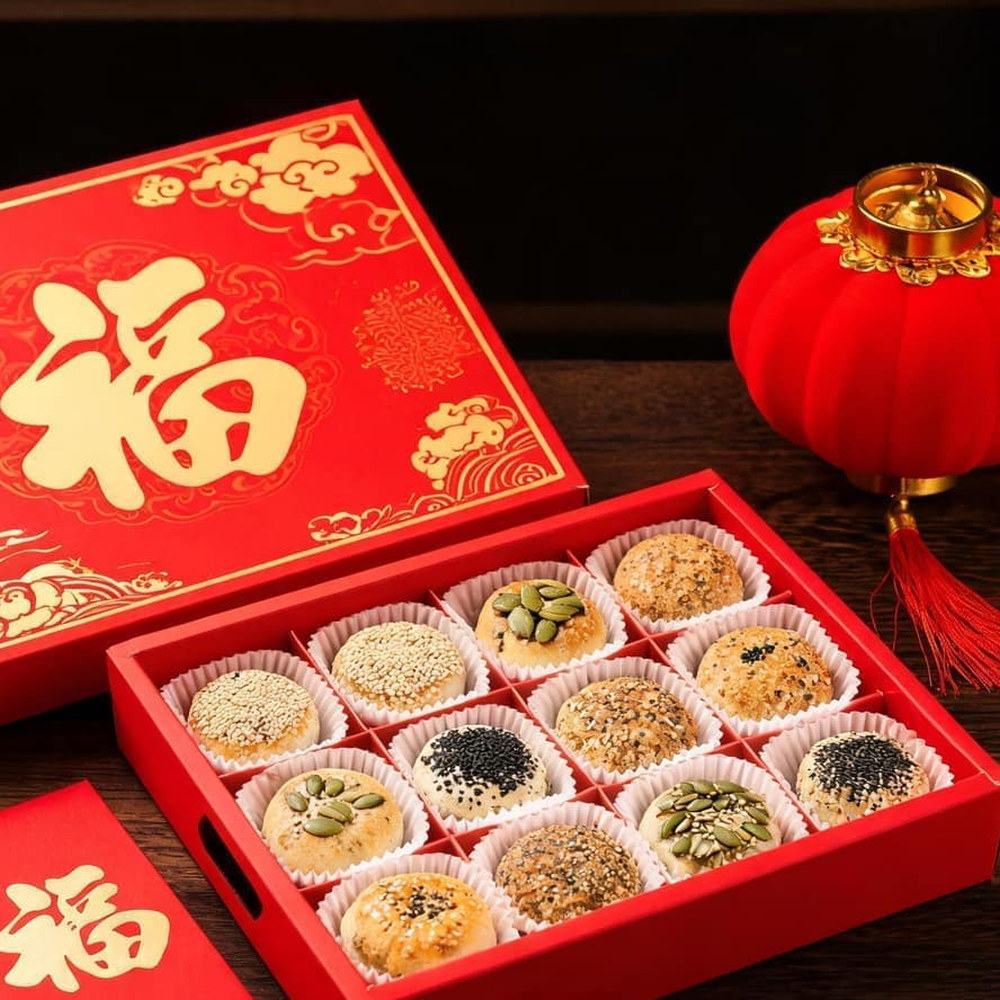
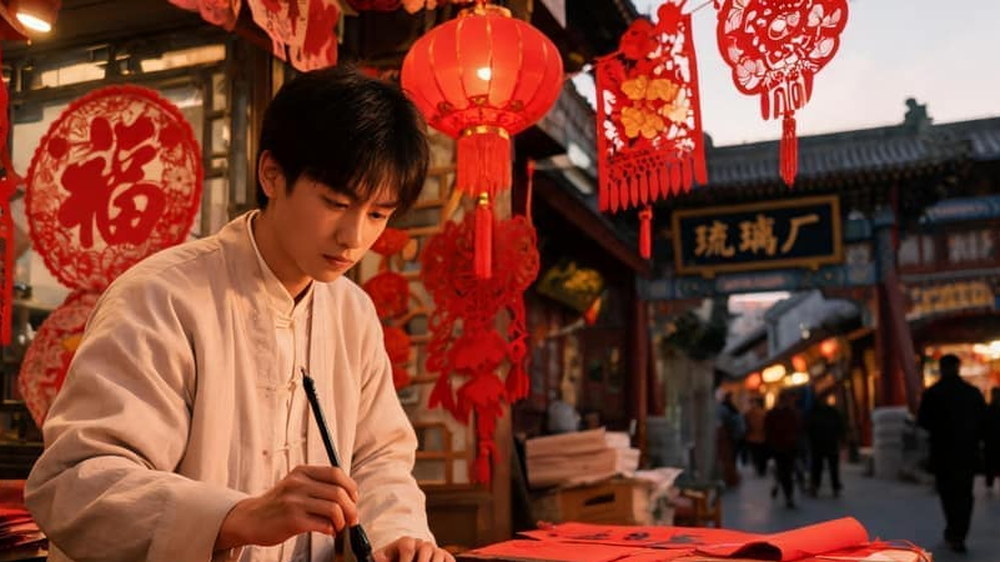
The programme starts with the Kitchen God's send-off on the twenty-third. Dust falls from the roof beams in the great sweep; New Year goods are stocked — peanuts, melon seeds, sweets, none optional; couplets, window-cuts and the fu character go up — pasted upside down, so passers-by can say 'fu has arrived'.

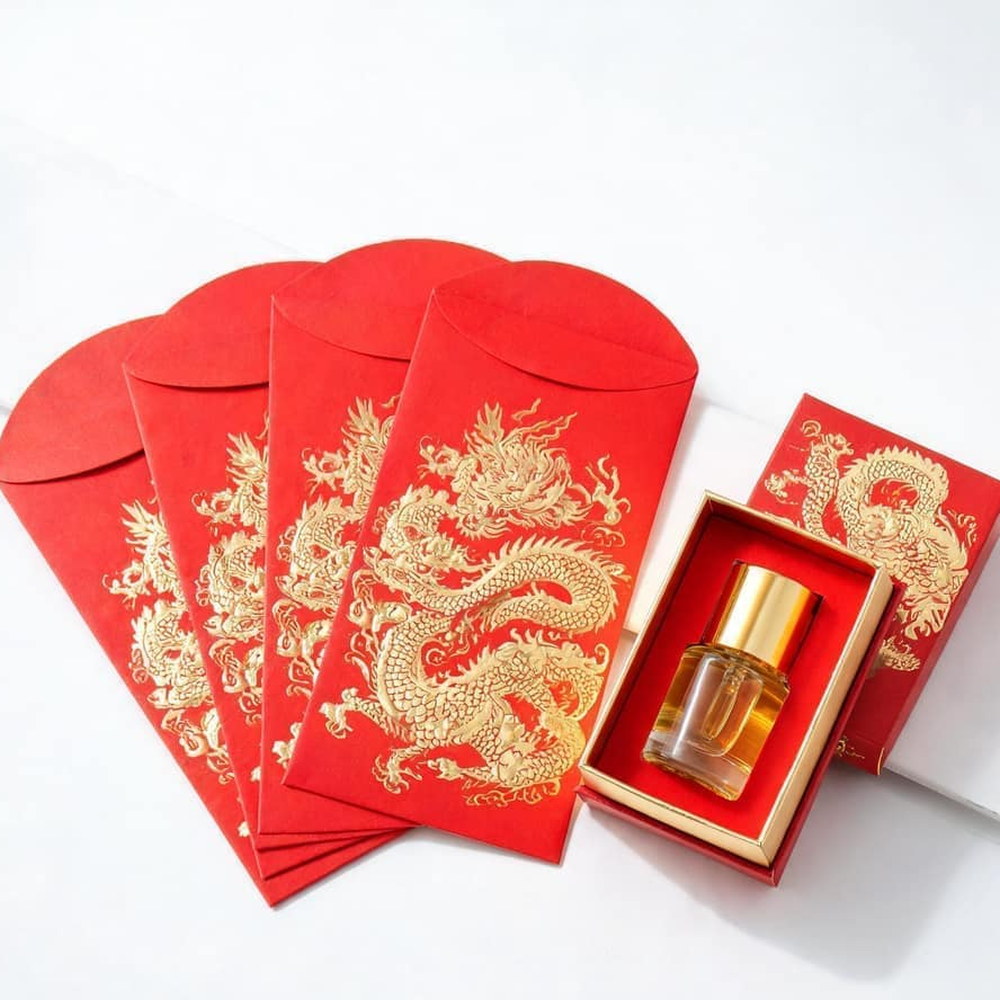
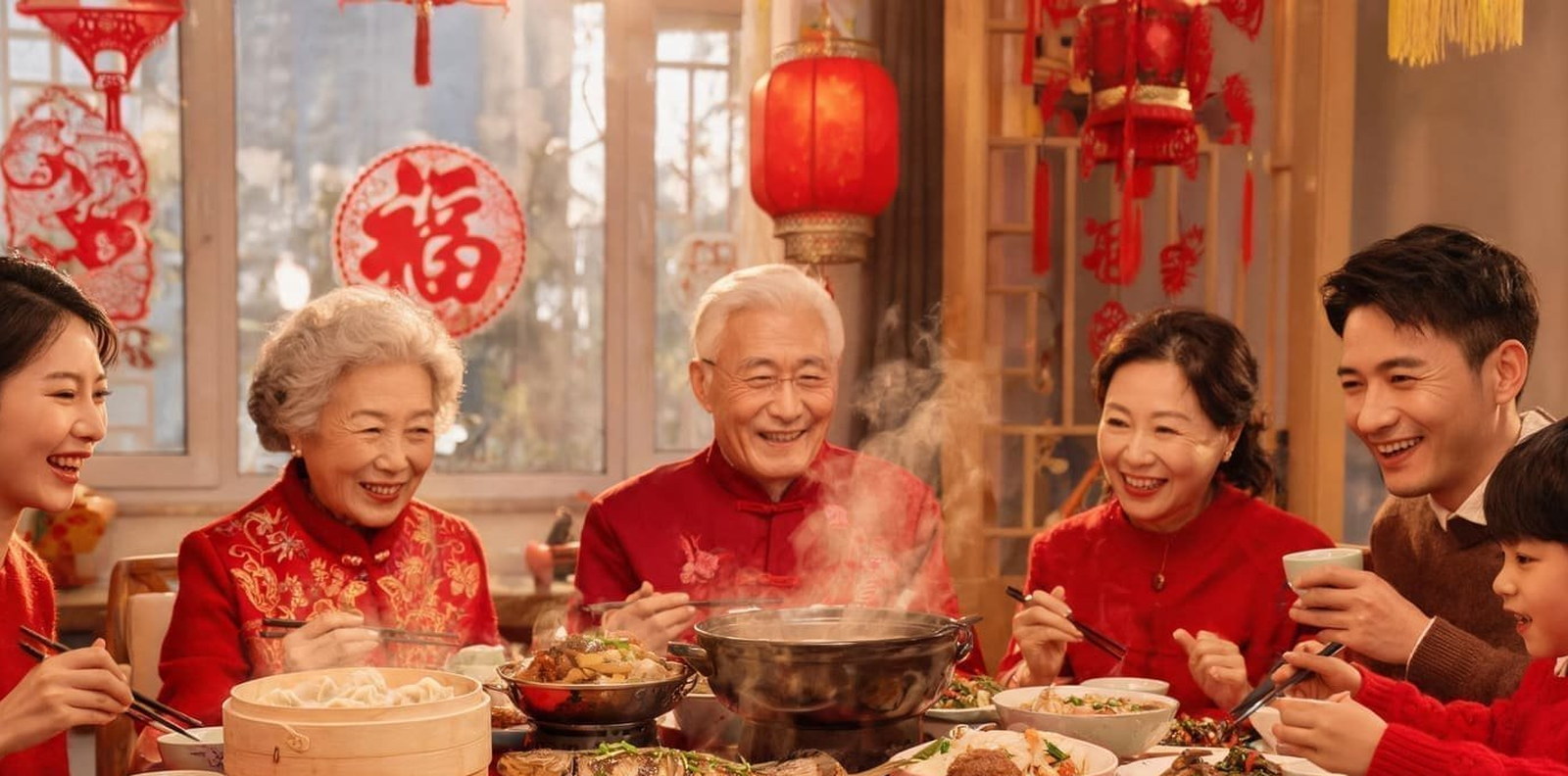
New Year's Eve is the year's last day. In the north the family gathers to fold dumplings, rolling wrappers one by one and boiling them as they go; in the south they steam niangao and shape tangyuan — rising year by year, round and together. After dinner the elders tuck lucky money into red envelopes, and the household keeps vigil past midnight with the lamps lit.

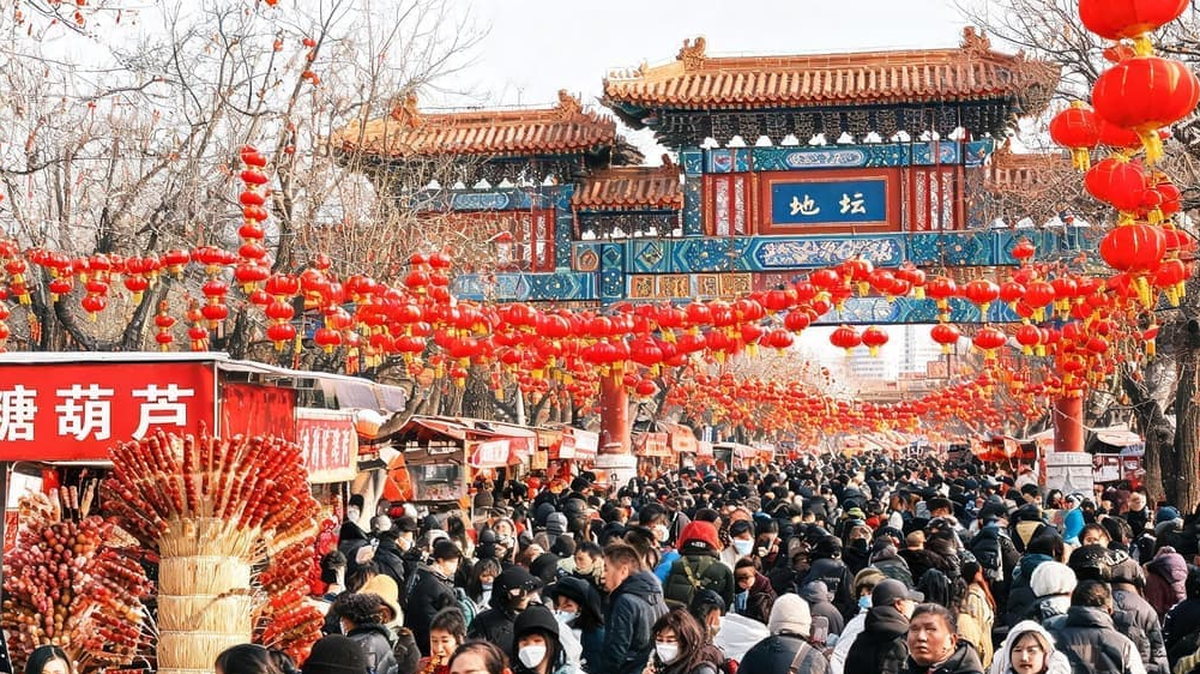
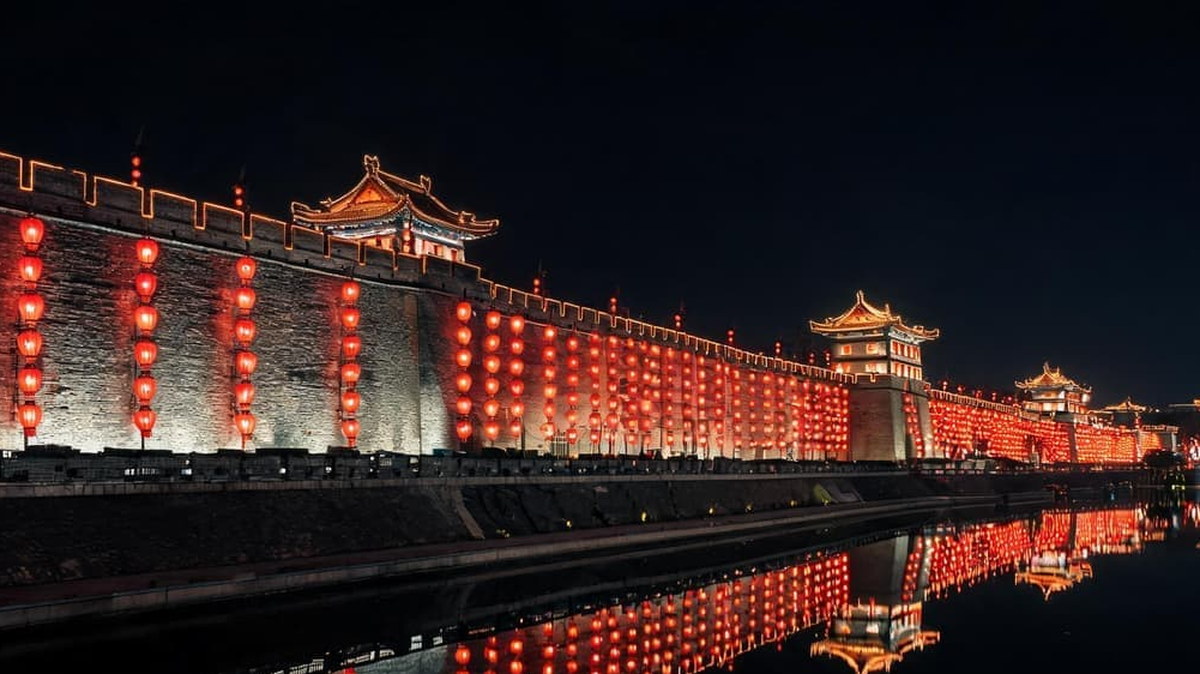
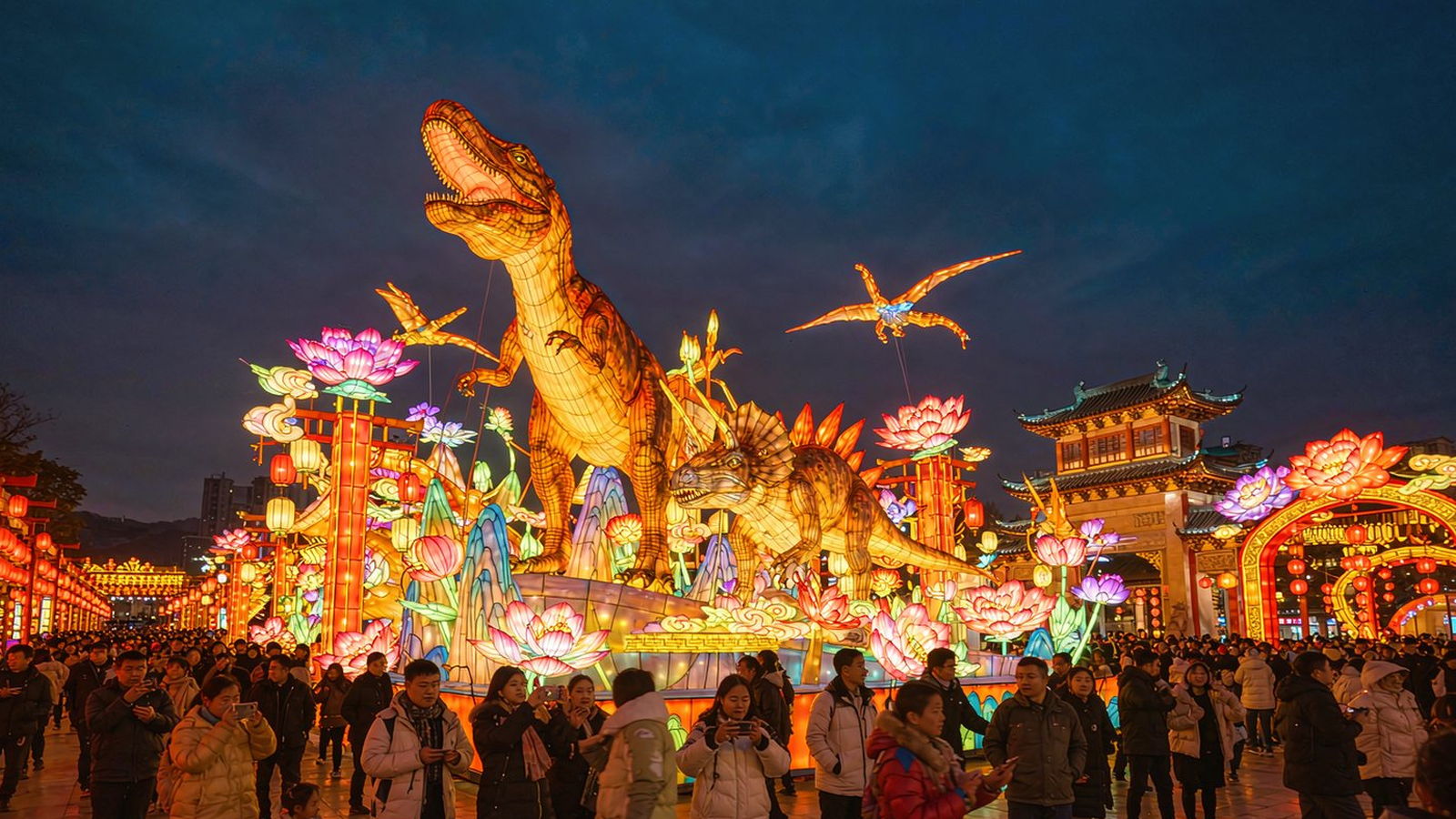
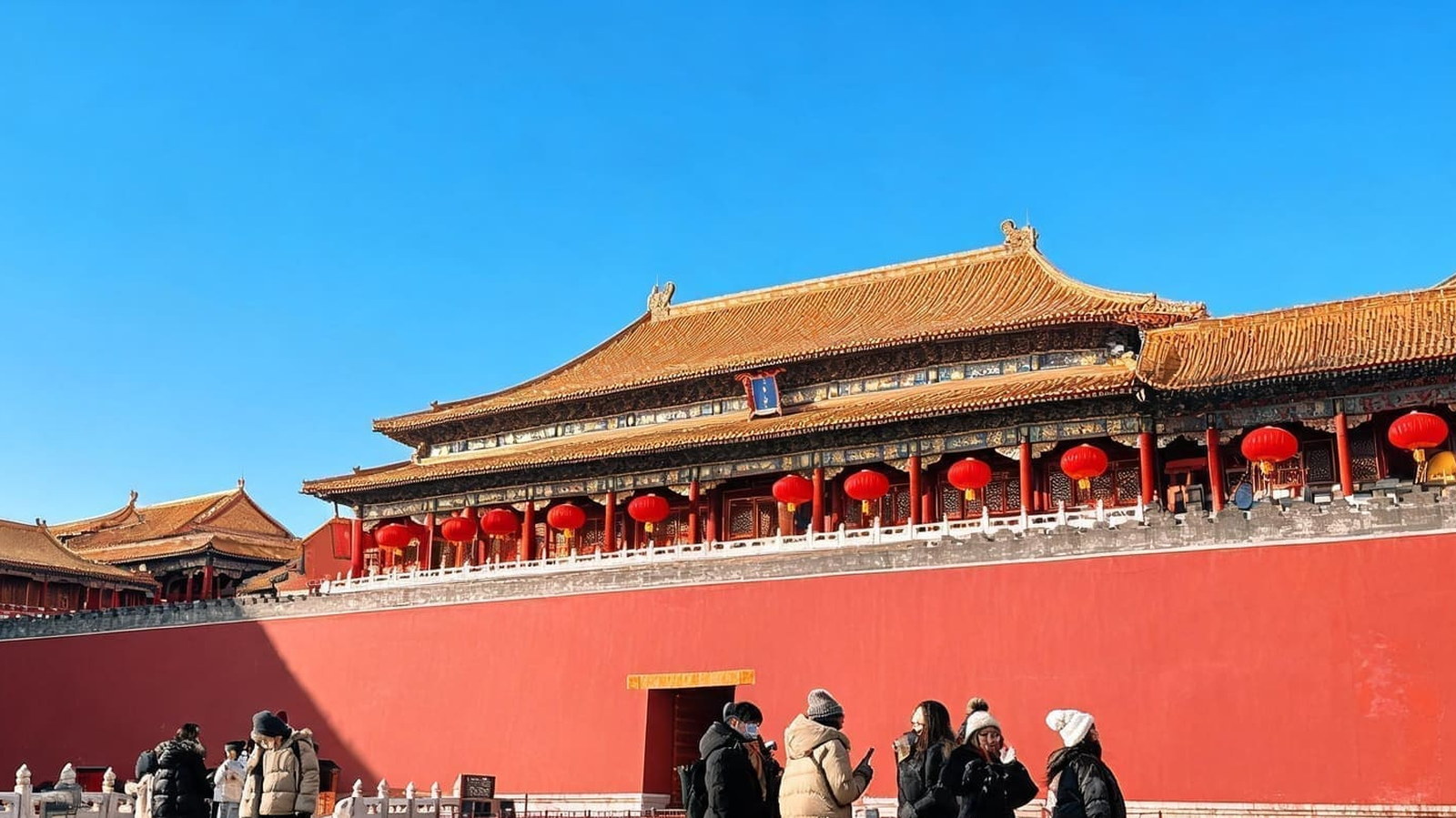
At dawn on the first day firecrackers run the length of the lane. New clothes, New Year calls, bows to the elders; on the second day, married daughters return to their parents' home, then the visiting rounds begin. The bustle runs to the fifteenth — tangyuan, lanterns, riddles — and only when that night is over is the New Year truly closed.
The Spring Festival·What it means The Spring Festival · What it means
3

What it means

What the heart holds, the generations pass on

The Spring Festival is China's single great homecoming. Train tickets, motorcycle convoys, boots full of New Year goods — all pointing at the same thing: never mind how the year went, first come home and eat.

Ancestor offerings, the vigil, the New Year calls — strung together, these gestures re-confirm the family's order and its affections, once a year.

In May 2006 the Spring Festival entered the first batch of China's national intangible cultural heritage list; in December 2024 it was inscribed on UNESCO's Representative List of the Intangible Cultural Heritage of Humanity.

03

Folk goods · Bring the tradition home

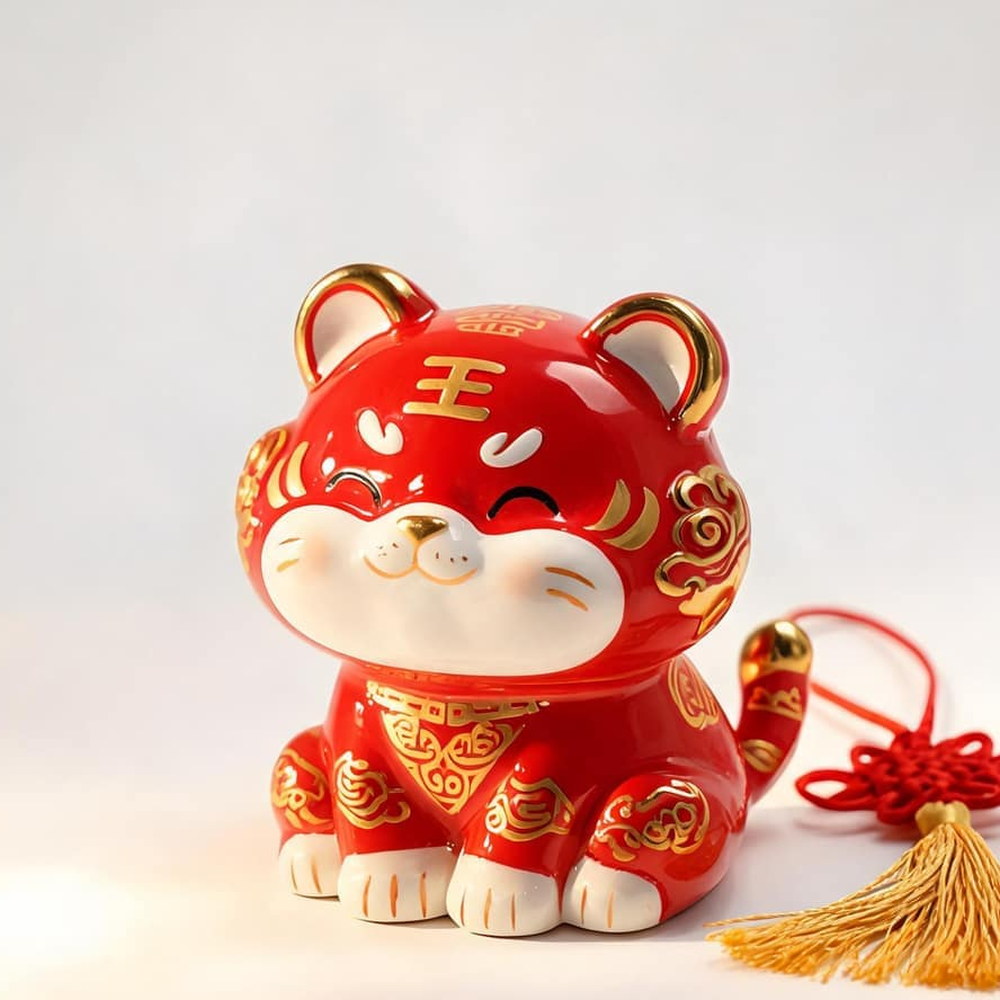
To admire and to use · Tradition in everyday life

← Scroll sideways for more →

Links lead to third-party marketplaces. This site has no promotional relationship with them.

04

Where to experience The Spring Festival

Travel proposals · Meet the custom in its real setting

← Scroll sideways for more →

+

Keep exploring

Related customs

← Scroll sideways for more →

S

Sources

Fact-checked October 2026 · every citation traceable

Primary sources are Chinese-language publications, cited for traceability. Bodies without a standard English name are listed by domain.