Festival customsNationwide
The Mid-Autumn Festival
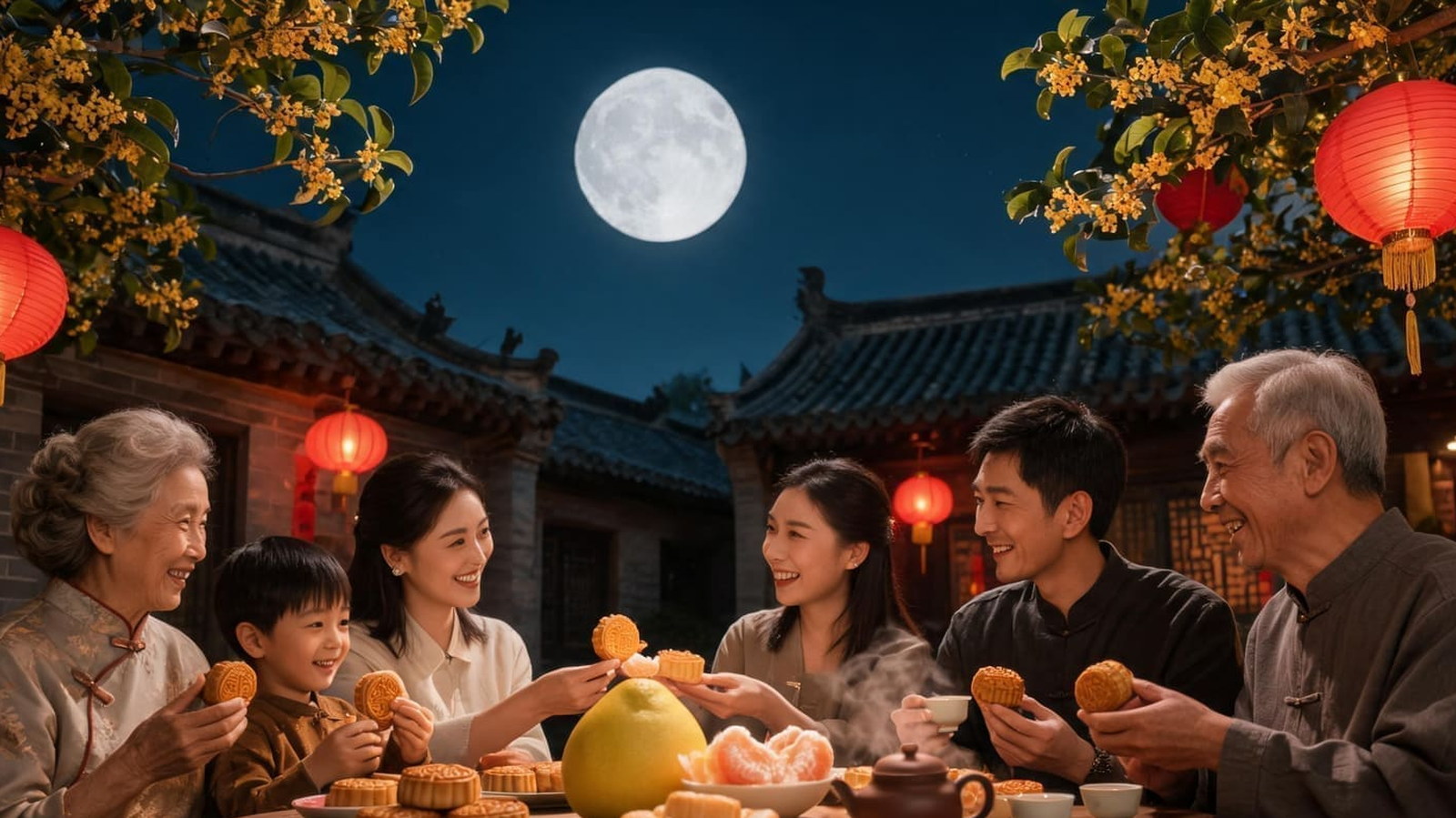
Halfway through the autumn harvest, on the night the moon is at its fullest, the Chinese carry the table into the courtyard and set out mooncakes and fruit.
Halfway through the autumn harvest, on the night the moon is at its fullest, the Chinese carry the table into the courtyard and set out mooncakes and fruit.
As the moon clears the old locust tree, Grandmother arranges cut mooncakes and peeled pomelo on the square table in the courtyard. Children chase fireflies; the grown-ups chat over palm-leaf fans; tea and osmanthus scent coil together in the night air. Look up, and the full moon hangs there quietly — shining on those reunited, and on those still far from home.
The moon is full; it is time the family gathered.
Traditions, echoed by a new generation
Mid-Autumn is the Chinese attachment to the moon. However busy the day, one look up at the same round moon and someone specific comes to mind.
A full moon, lamp shadows, the scent of osmanthus — Chinese romance at its plainest
Lava custard, snow skin, Yunnan ham — mooncake flavours turn over every year, and the appetite for the festival turns with them
Reunion is not a chore; it is the season's reminder, in the middle of the rush, to turn and look at the people beside you
History · Customs · Cultural meaning
 The Mid-Autumn Festival · Origins
One current, traced to its source
The ancients first worshipped the mid-autumn moon as a deity. Thanking heaven and earth and saluting the moon after the harvest was the farmer's old rule — the term zhongqiu finds its earliest surviving record in the Rites of Zhou.
By the early Tang, the fifteenth day of the eighth month was fixed as a festival; in the Song, the streets ran loud, taverns stayed open all night on Mid-Autumn, and the night markets lasted till dawn.
A full moon means a full family circle. Chang'e flying to the moon, Wu Gang chopping the cassia, the jade rabbit pounding elixirs — told for centuries, these stories all say one thing: people gaze at the moon and think of family far away.
The Mid-Autumn Festival · The customs
Rites of the season, texture of daily life
On the night, every household carries its table into the yard and lays out mooncakes, watermelon, pomelo and pomegranates — offered first to the moon, then shared. The watermelon is cut into lotus petals, fanned out for beauty.
The mooncake is the day's passport. Cantonese lotus paste with salted yolk, Suzhou flaky pastry with fresh pork, Beijing's zilaihong, Chaozhou's laobing — sweet and salty each keep their partisans, and more mooncakes are posted than eaten.
The south adds its variations. In Guangdong they 'plant the mid-autumn', raising lanterns aloft on bamboo poles; in Jiangnan people 'walk the moon', strolling out in groups; around Haining in Zhejiang the Qiantang bore happens to crest strongest on these very days, and the banks fill with tide-watchers.
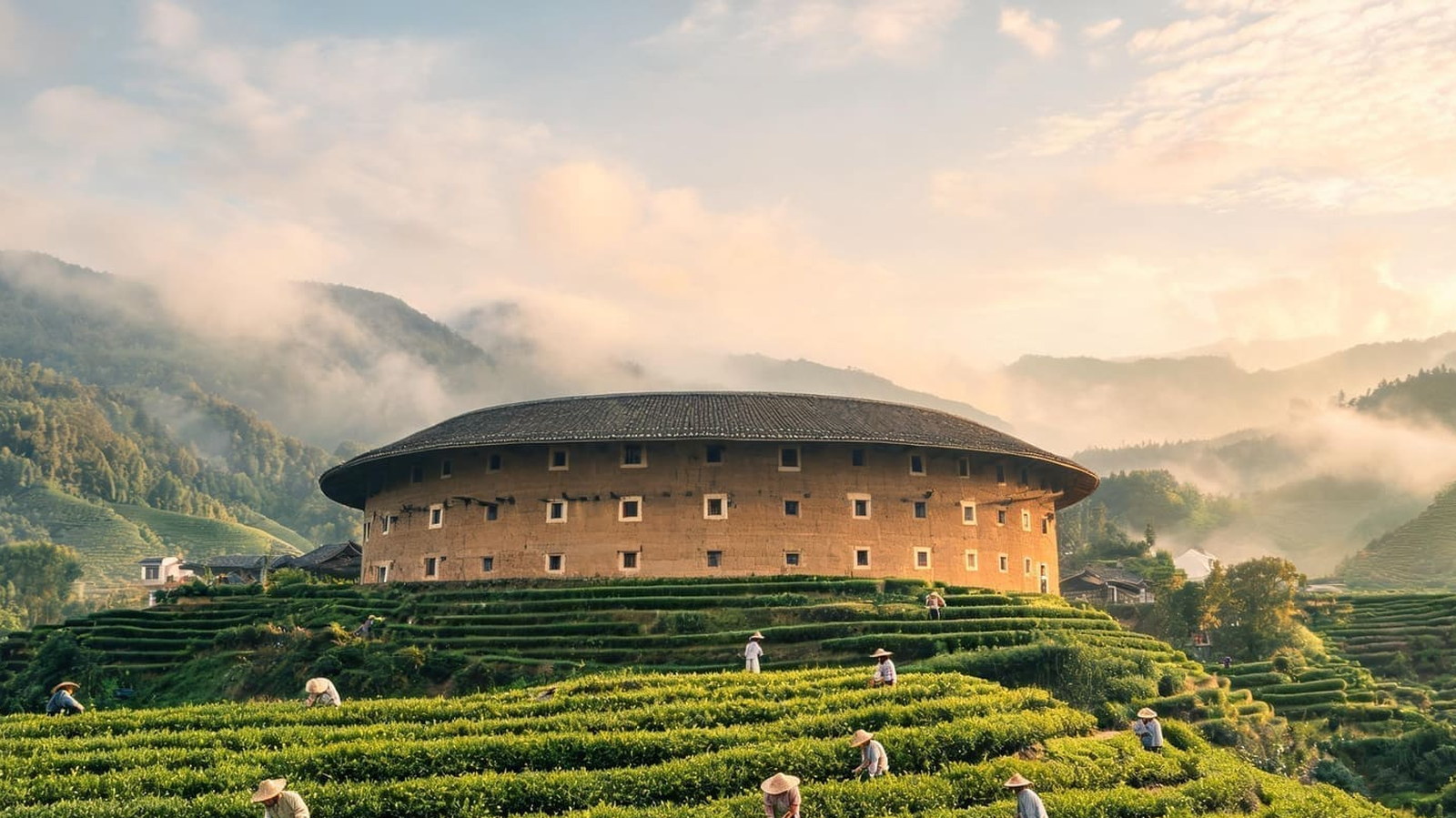 The Mid-Autumn Festival · What it means
What the heart holds, the generations pass on
Mooncakes are cut and shared — no one finishes a whole one alone. In that gesture is the festival's entire meaning: reunion is not one person's roundness but everyone's, divided.
'May we live long, and share this graceful moon though a thousand li apart' — Su Shi wrote the line to his brother, and it became everyone's Mid-Autumn. The Chinese rarely say longing out loud; looking up at the moon is enough.
Mid-Autumn stands with the Spring Festival, Qingming and the Dragon Boat Festival as China's four great traditional festivals; in May 2006 it entered the first batch of the national intangible cultural heritage list.
To admire and to use · Tradition in everyday life
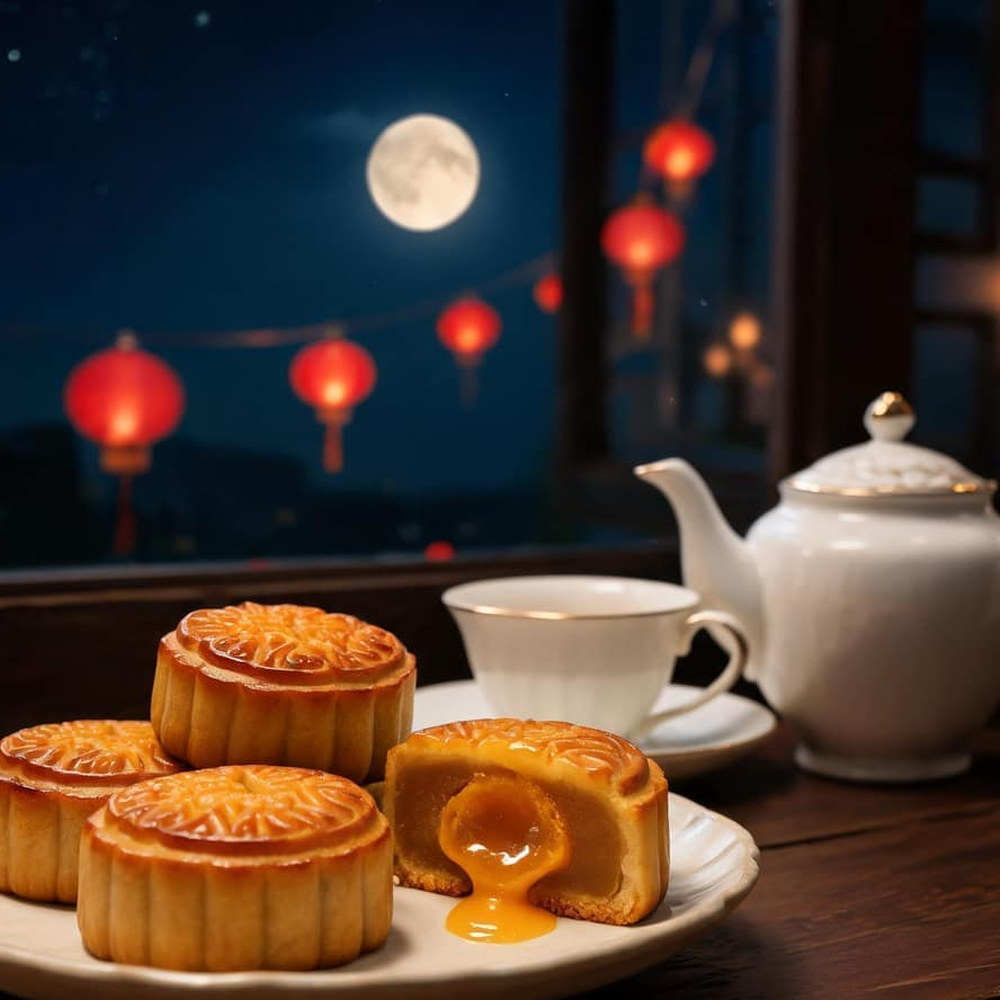 Food
Lotus paste and salted yolk, flaky fresh-pork pastry, laobing — each school folds them differently
Case: Lotus paste and salted yolk, flaky fresh-pork pastry, laobing — each school folds them differently
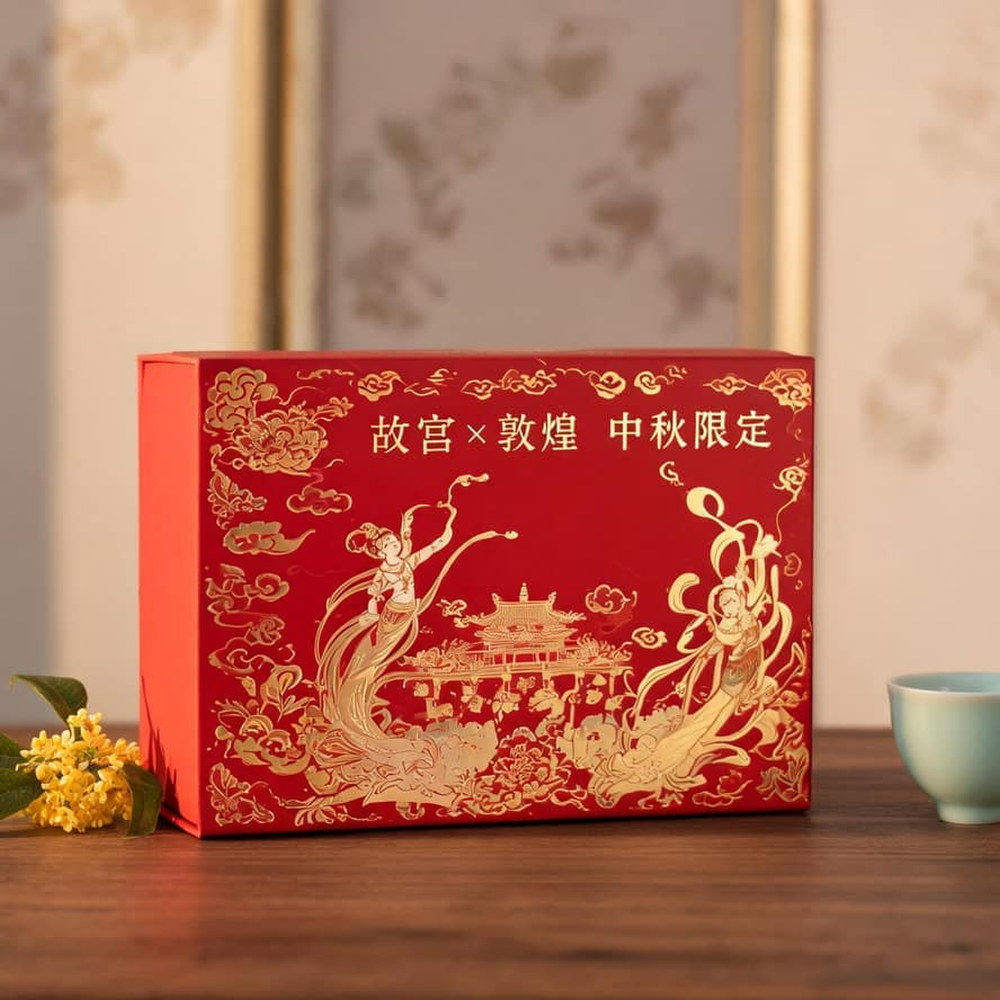 Craft
Tin and paper boxes are part of the festival themselves; after the cakes, they keep the odds and ends
Case: Tin and paper boxes are part of the festival themselves; after the cakes, they keep the odds and ends
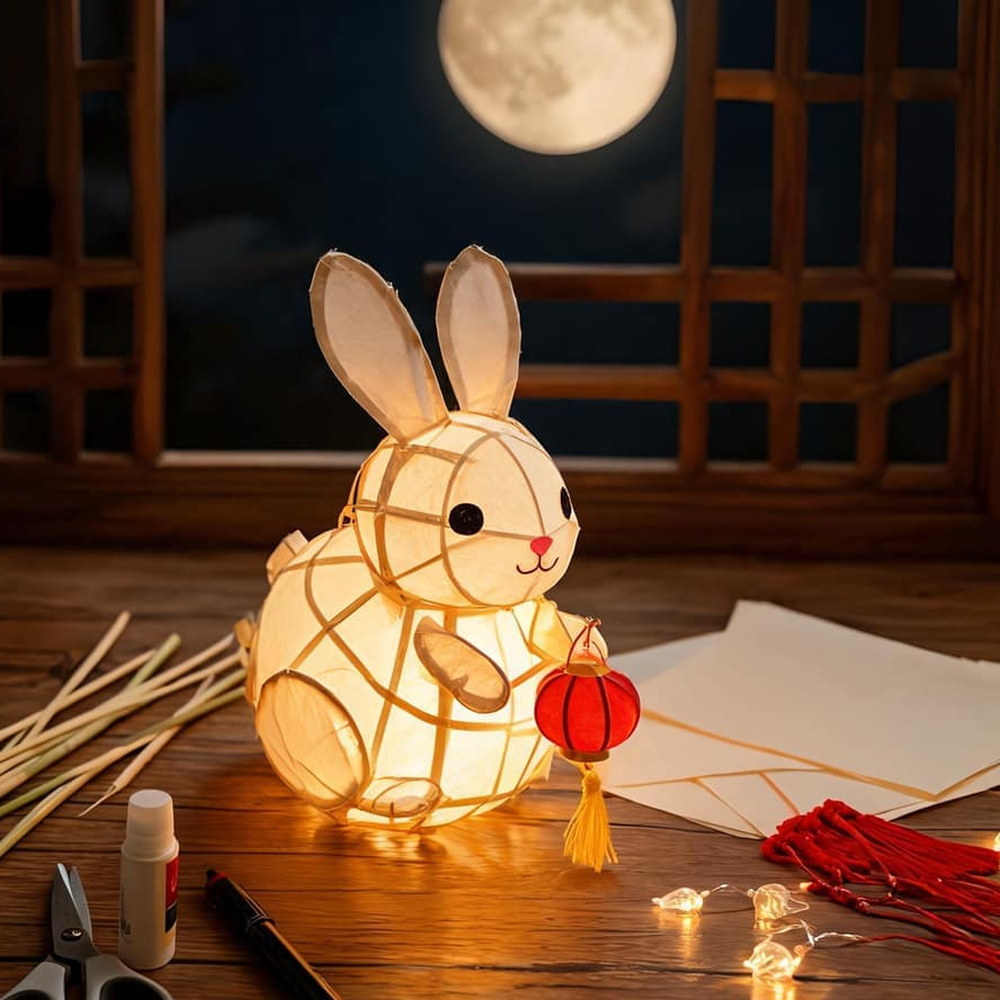 Craft
Bamboo strips for the frame, paper and paint for the skin — then carry it up the street
Case: Bamboo strips for the frame, paper and paint for the skin — then carry it up the street
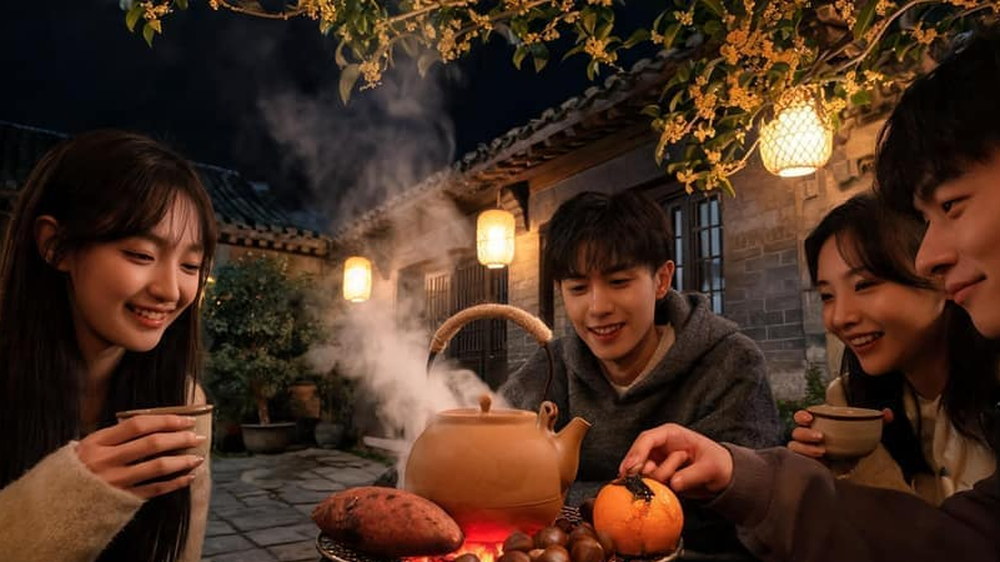 Experience
The tea for mooncake night — its osmanthus scent exactly in season
Case: The tea for mooncake night — its osmanthus scent exactly in season
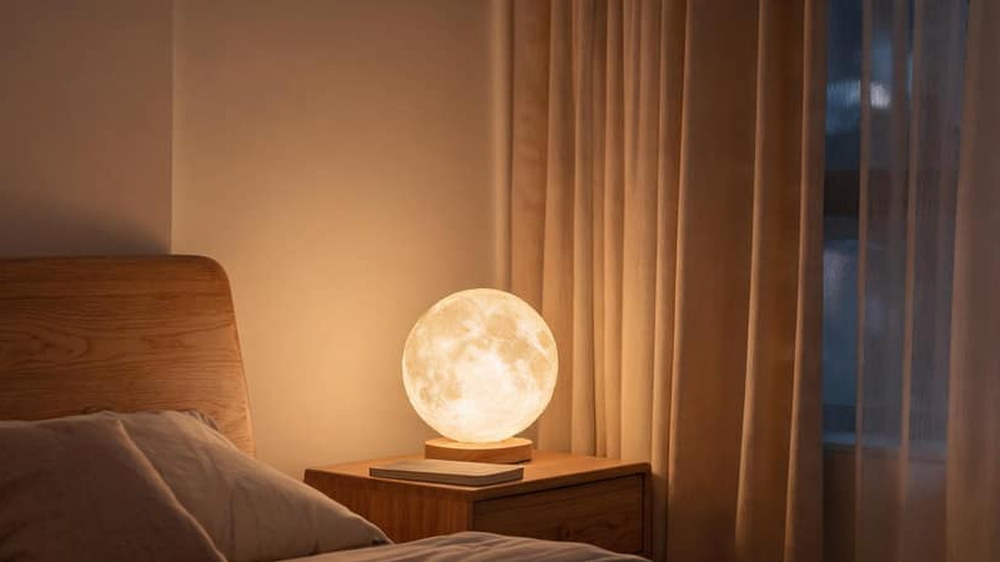 Home
A lamp modelled on the phases of the moon, for the writing desk
Case: A lamp modelled on the phases of the moon, for the writing desk
← Scroll sideways for more →
Links lead to third-party marketplaces. This site has no promotional relationship with them.
Travel proposals · Meet the custom in its real setting
← Scroll sideways for more →
Related customs
← Scroll sideways for more →
Fact-checked October 2026 · every citation traceable
Primary sources are Chinese-language publications, cited for traceability. Bodies without a standard English name are listed by domain.