Folk artsInner Mongolia
Mongolian Chess
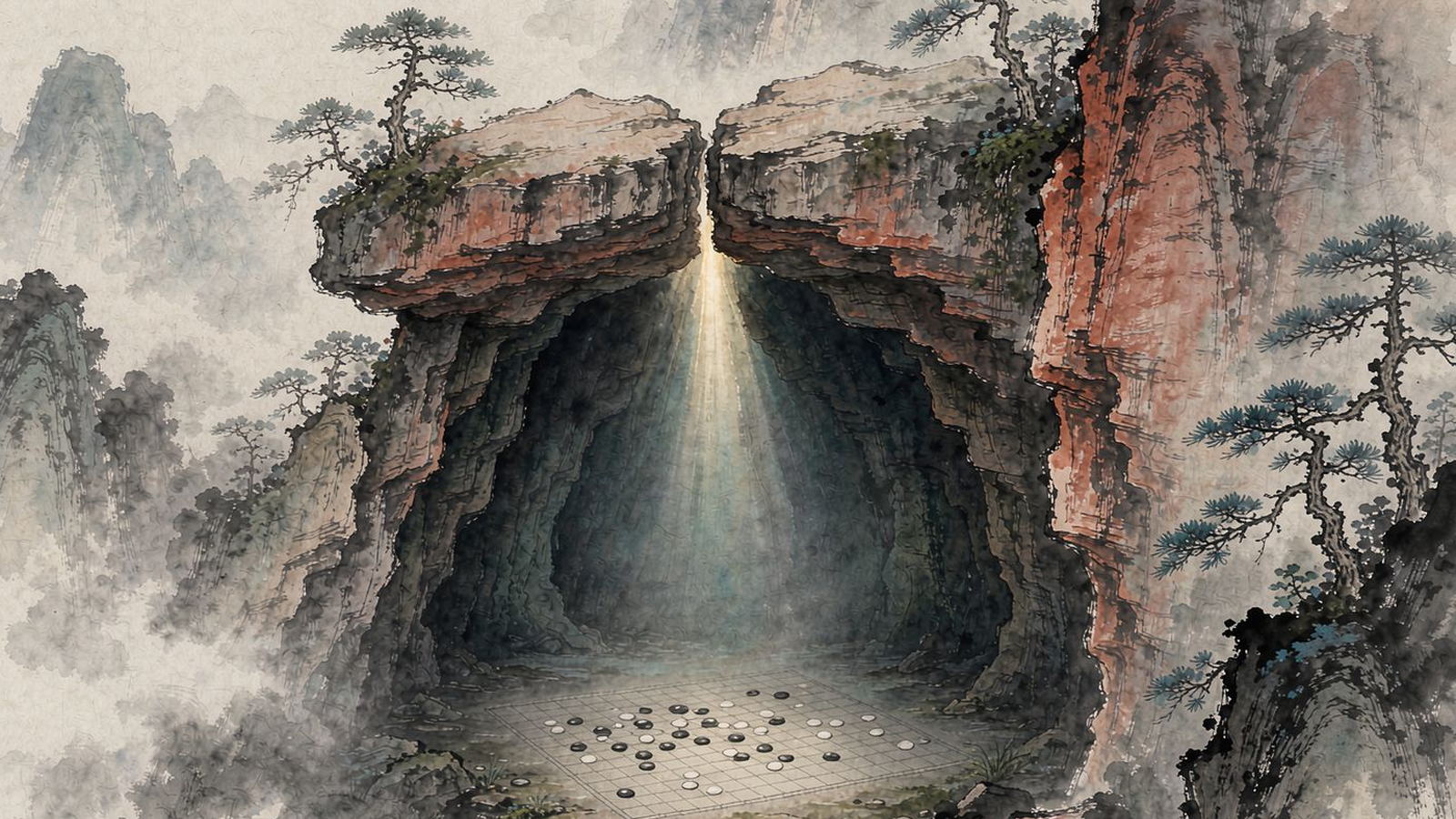
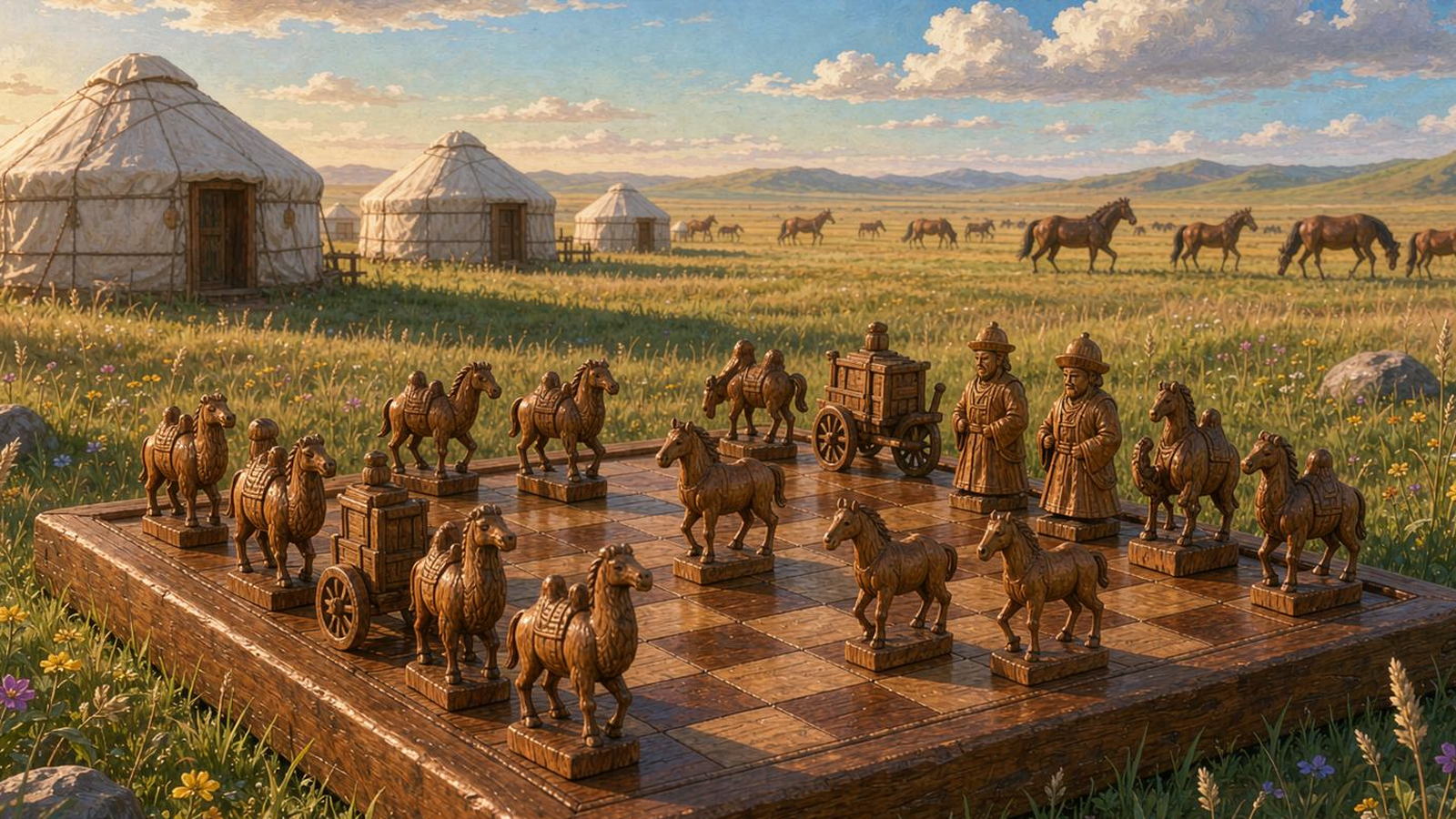
Sixty-four squares, no river between the camps, the whole board open to every piece. Camels, horses, carts and noyon lords line up, and herders sit down to play.
Sixty-four squares, no river between the camps, the whole board open to every piece. Camels, horses, carts and noyon lords line up, and herders sit down to play.
The pieces are carved in wood: a hat-wearing noyon, a camel loaded with goods, a horse with its head up, a cart body, a pawn, each standing on its square. Herders sit around and think a move at a time; at Naadam the board moves out onto the grass, and a single tournament seats players from six years old to sixty-seven.
Shatar has run from the thirteenth century to now: the camels and horses on the pieces are the steppe carved in wood.
Traditions, echoed by a new generation
The pieces share an origin with international chess, but the rules have their own refinements; the carved camels and horses are small sculptures you can hold.
Listed nationally in 2008, second batch, No. Ⅵ-20 — the same round as Go and Chinese chess
Xianghuang Banner in Xilingol is known as the home of shatar, and teaching bases have been set up in schools and youth centres
Pieces are carved from yellow willow or sandalwood, so the carving and the game pass down together
History · Customs · Cultural meaning
 Mongolian Chess · Historical Origins
One continuous line · back to the source
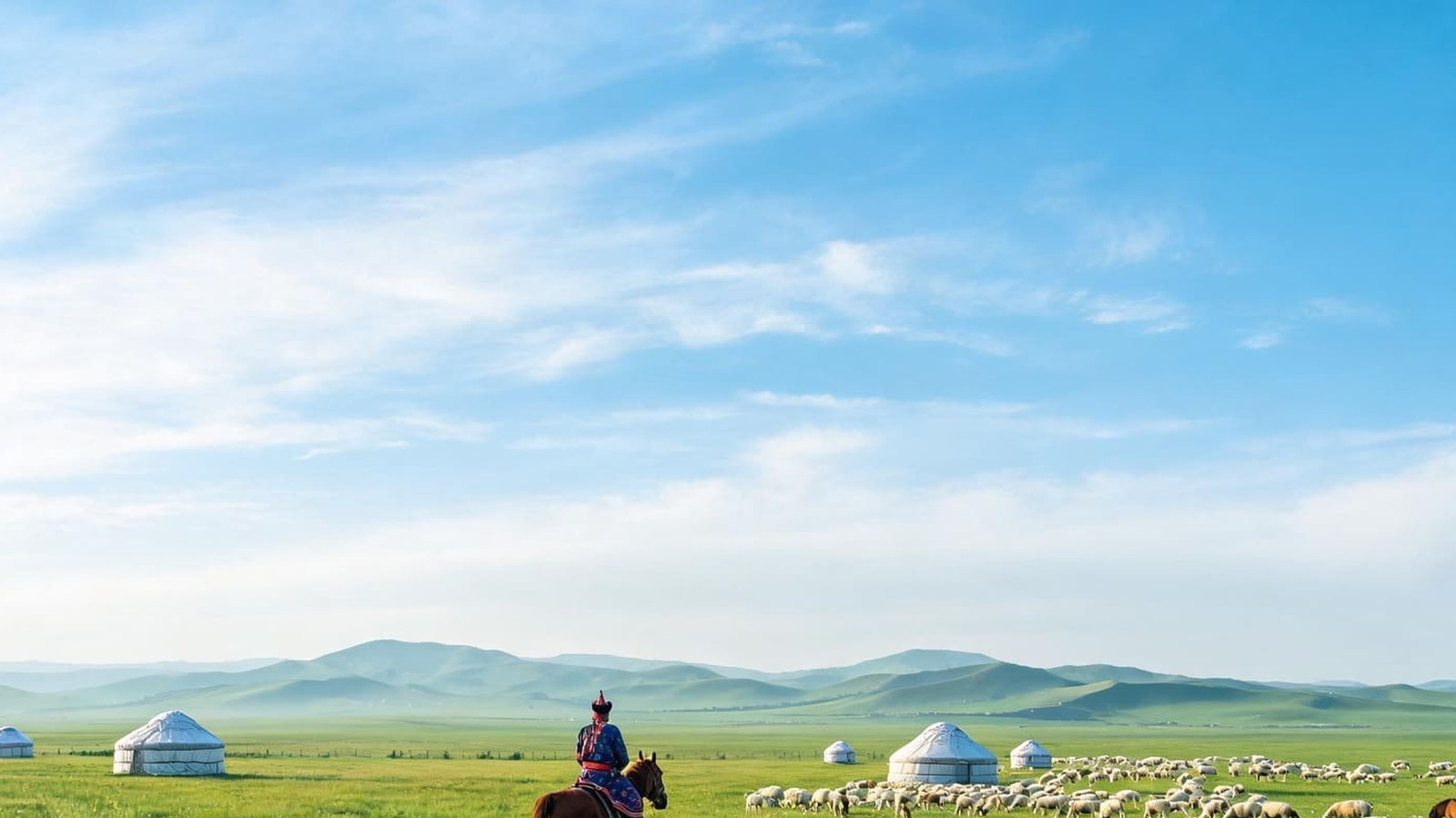
In Mongolian the game is shatar, also written shatra. It shares an origin with international chess, following the line by which the old Indian board game travelled through Persia and east along the steppe Silk Road, and it has been played among the Mongols since the thirteenth century.
The board is sixty-four squares; the sides are black and white or red and white, sixteen pieces each, with no river and the whole board in play. In Mongolian the king is the noyon; the others are the bars or tiger, the camel temee, the horse mori, the cart tereg and the pawn khüü. The moves follow international chess with small differences: the noyon steps one square in any direction, straight or diagonal; a pawn may advance two squares on its first move and one thereafter. A side loses when its noyon is checked with nowhere to go.
In 2008 Mongolian chess was inscribed on the second national list of intangible cultural heritage, No. Ⅵ-20, in the category of traditional sport, games and acrobatics, nominated by the Alxa League of Inner Mongolia, with the Alxa Left Banner cultural centre as the protecting body; Go (Ⅵ-18) and Chinese chess (Ⅵ-19) entered on the same list.
Mongolian Chess · Customs and Practice
Seasonal ritual · everyday life
Play happens in the slack season and at gatherings. Wherever Mongols live in numbers you will find herders sitting down over a board; at Naadam, Mongolian chess is a competitive event alongside horse racing, wrestling and archery.
The set is itself a piece of carving. Pieces take the forms of lords, camels, horses, carts and pawns; the finer sets use close-grained yellow willow or fragrant sandalwood, and after carving they are polished again and again, so that long use gives them a soft patina. On the square in Xianghuang Banner, Xilingol, a row of stone pieces is set out in a ring — the town's most conspicuous landmark.
Teaching is mostly in ethnic-minority schools and youth centres. Alxa Left Banner has taken the game into classrooms, runs training courses and built inheritance bases; Xianghuang Banner holds shatar tournaments regularly, with players arriving from every direction and open and junior sections playing side by side.
Mongolian Chess · Cultural Significance
Where the heart points · carried down the generations
One piece carries two crafts: the logic of the game on one side, wood carving on the other. Replying to a proposal in the regional consultative conference, the Inner Mongolia culture and tourism department wrote that Mongolian chess is the most representative board game shaped by the ancient peoples of the northern Mongolian plateau over long centuries of herding and campaigning; there is currently one national-level inheritor and eight at regional level, with three inheritance bases.
More people keep sitting down on either side of the board. In September 2026 Xilingol held a shatar exchange tournament with 128 players from Chifeng, Xilingol and elsewhere, aged from six to sixty-seven — four generations at the same tables. The pieces are the same pieces; the people across from them have changed several times over.
To admire and to use · Tradition in everyday life
 Craft
A camel or horse in yellow willow, standing on a desk as a small sculpture
Case: A camel or horse in yellow willow, standing on a desk as a small sculpture
 Craft
A little carved horse on your keys, carried with you
Case: A little carved horse on your keys, carried with you
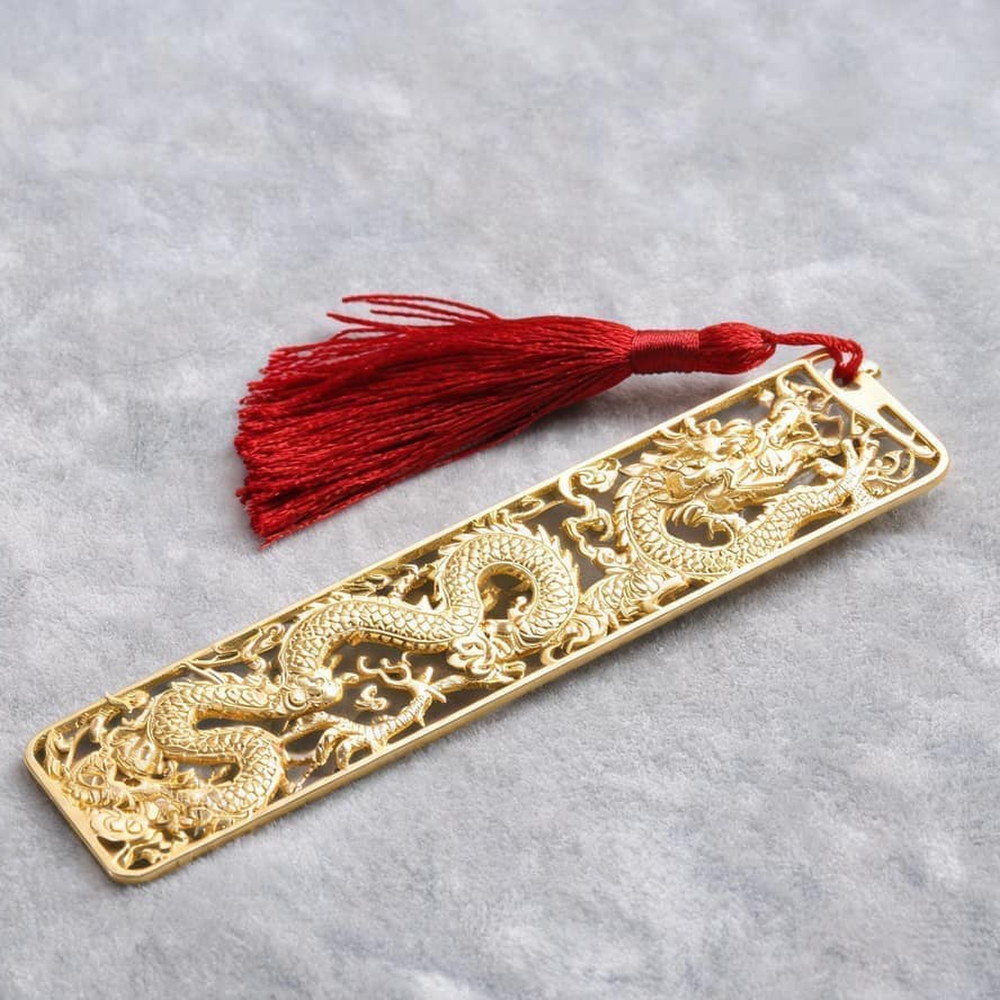 Craft
Opening and move mnemonics printed on a bookmark: read the game and learn the basics at once
Case: Opening and move mnemonics printed on a bookmark: read the game and learn the basics at once
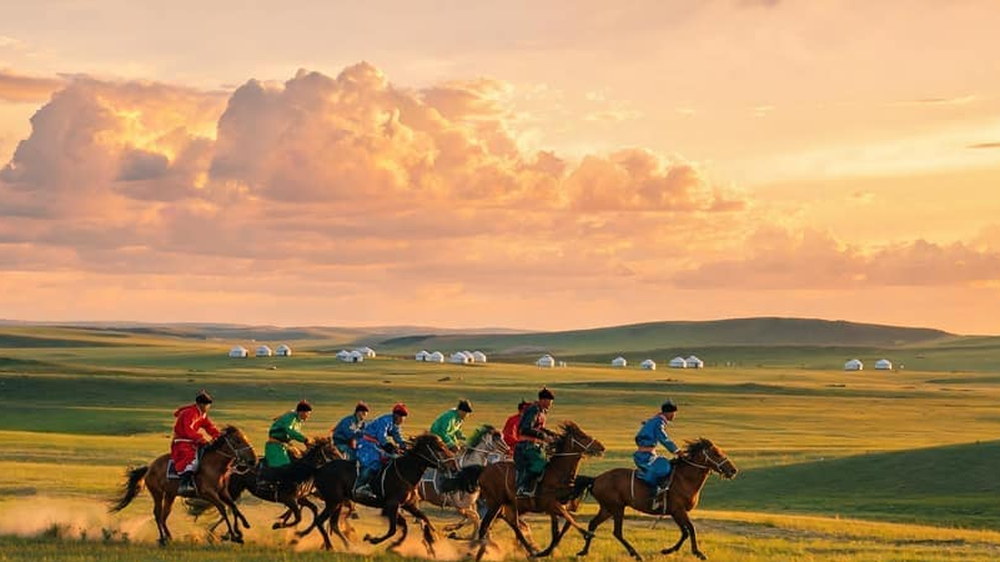 Experience
Between the racing and the wrestling there is usually a board on the grass; you have not really been until you have made a move
Case: Between the racing and the wrestling there is usually a board on the grass; you have not really been until you have made a move
← Scroll sideways for more →
Links lead to third-party marketplaces. This site has no promotional relationship with them.
Travel proposals · Meet the custom in its real setting
← Scroll sideways for more →
Related customs
← Scroll sideways for more →
Fact-checked October 2026 · every citation traceable
Primary sources are Chinese-language publications, cited for traceability. Bodies without a standard English name are listed by domain.