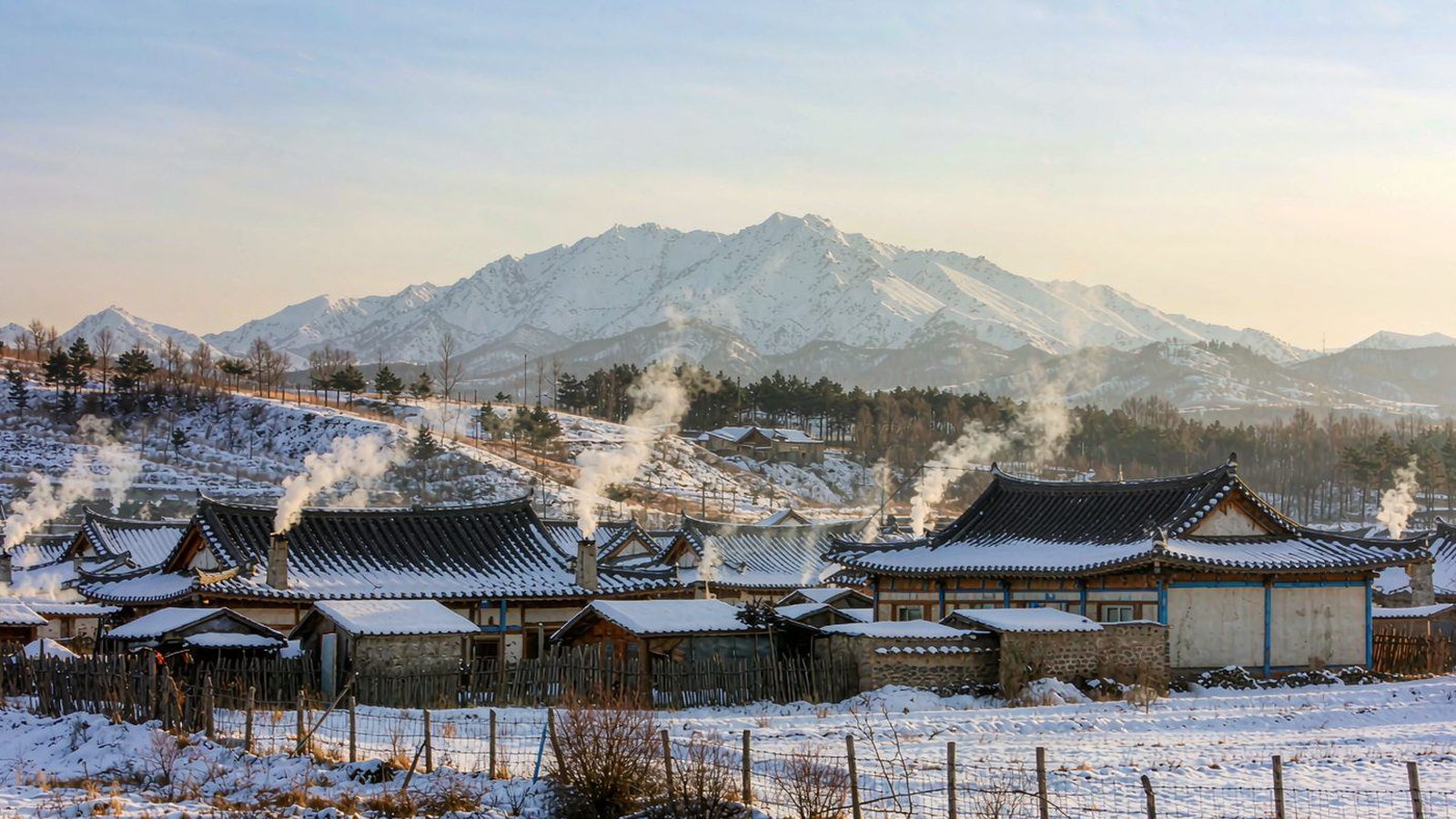
FestivalsInner Mongolia
Naadam Festival
The largest gathering of the Mongolian year. Horse racing, wrestling and archery — on the steppe, strength and song arrive together.
The largest gathering of the Mongolian year. Horse racing, wrestling and archery — on the steppe, strength and song arrive together.
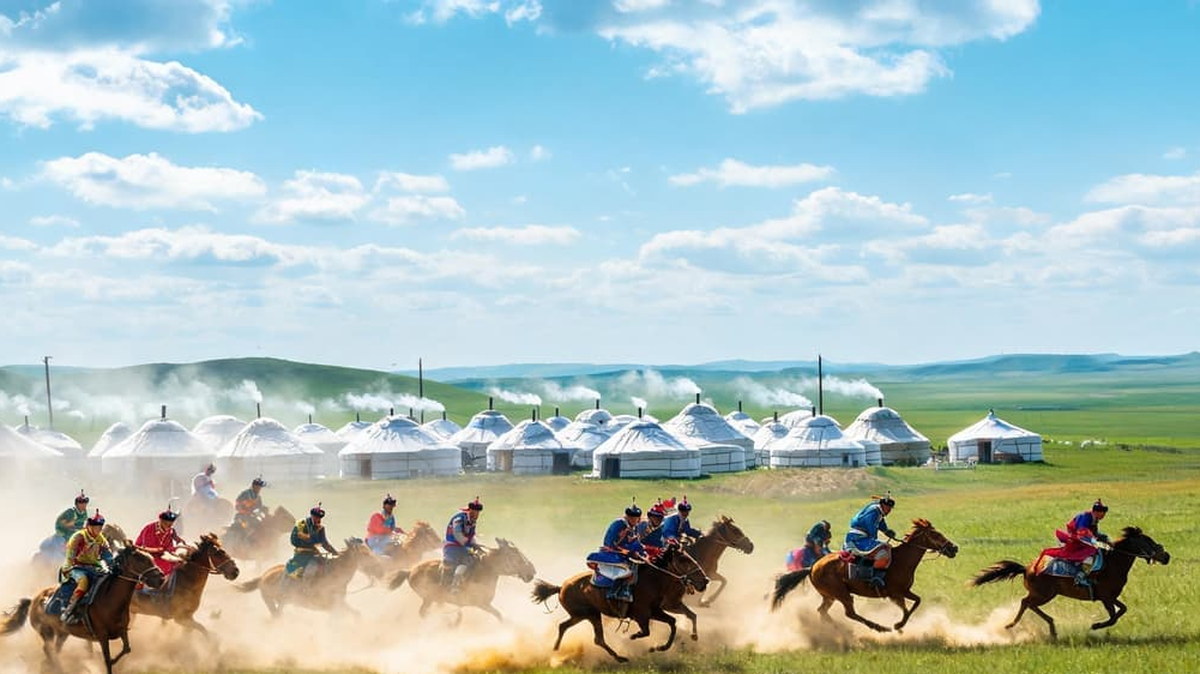
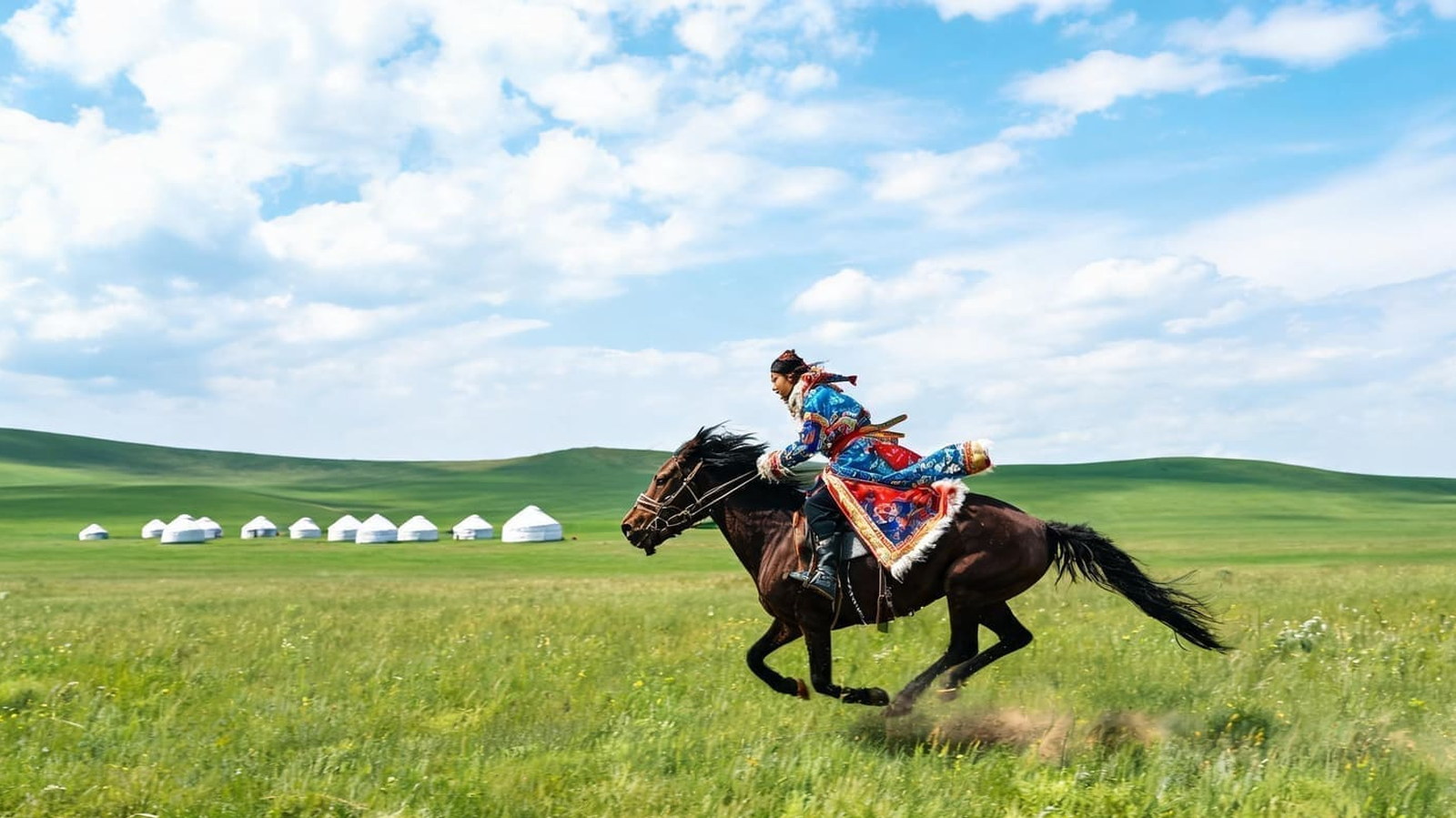
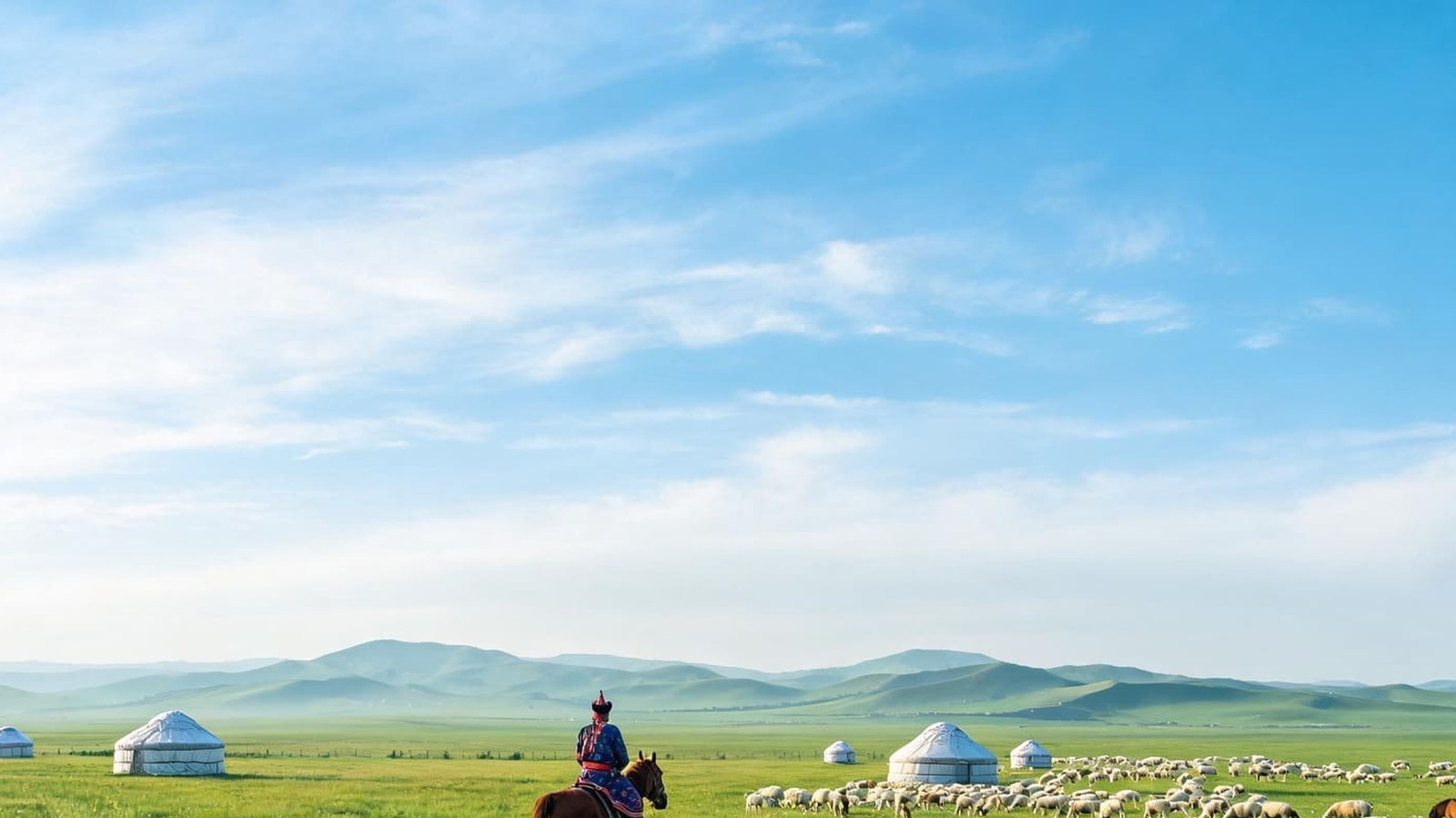
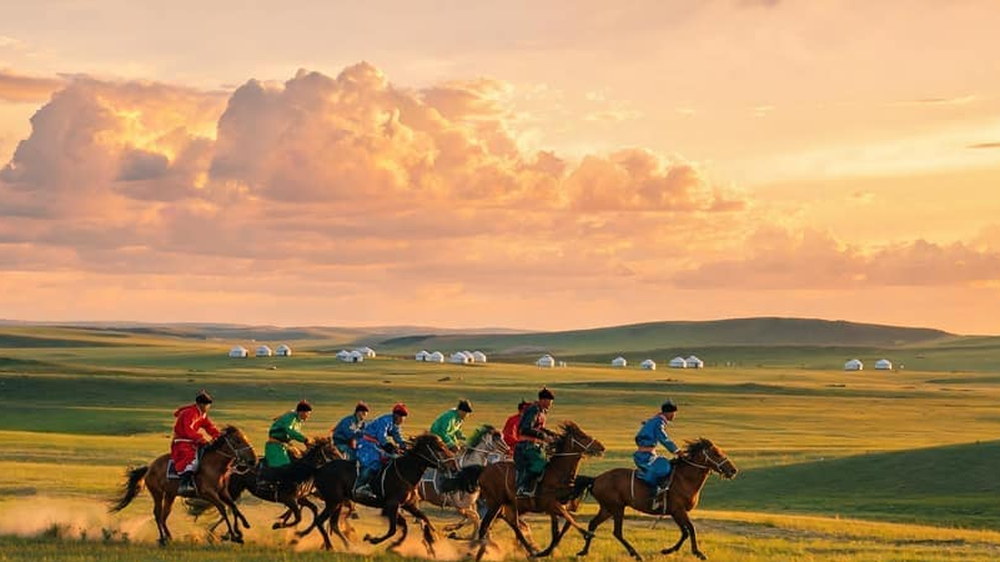
Wind comes off the far edge of the grassland, and the grass runs in waves to the horizon. A boy lies along his horse's back; hooves break the shadows of clouds, and white gers send up thin coils of smoke. Wrestlers enter in eagle steps, and a long song drifts beneath the open sky. This is the steppe's greatest festival: heaven and earth for a stage, ten thousand horses for witness.
A people raised in the saddle have entrusted their boldness, their strength and their freedom to this vast grassland.
Traditions, echoed by a new generation
Naadam is the steppe's answer to the Olympics and a music festival at once — wrestling, racing, archery, then bonfires under the stars and no one counting drinks.
The grassland is wide enough to hold every anxiety; here KPIs and mental burnout count for nothing
Wrestlers wear a snug vest and bright trousers, and open with a circling eagle dance before the first grip.
Eating with both hands and singing at full voice — an unregulated, long-missed kind of joy
History · Customs · Cultural meaning
 Naadam Festival · Historical Origins
One continuous line · back to the source
Naadam means 'entertainment' or 'games' in Mongolian. Its root is the obo worship: early on, a tribal leader presided while honouring heaven, counting his people and livestock, and testing marksmanship and strength. On the steppe, this was how talent was chosen. Centuries on, the inspection has faded; the festivity remains. It opens at the turn of summer into autumn, when grass and water are at their richest, and runs for days.
Naadam Festival · Customs and Practice
Seasonal rites · everyday life
The three headline events are wrestling, horse racing and archery. Wrestlers wear leather vests and enter with arms spread in an eagle's stance; whoever touches the ground first loses. Racing is divided into gallop and ambling classes, and the riders are mostly children, so low along the horse's back they almost vanish. Archery is both standing and mounted. There is also horse polo and buul — a throwing stick once used for herding, here judged on distance and accuracy. After dark the bonfires are lit, and once the morin khuur starts, long songs and andai dancing carry on past midnight.
Naadam Festival · Cultural Significance
What the heart turns toward · handed down through generations
The steppe is sparsely peopled and widely scattered; once a year, everyone can gather. Naadam is that gathering — families come by cart and on horseback and spend a whole year's strength and song in a few days. The skills of wrestling, racing and archery, and the arts of the long song and morin khuur, pass from old hands to young ones precisely through these meetings.
To admire and to use · Tradition in everyday life
 Experience
Sleep in a ger, watch the races, and sit by the bonfire until the stars come out.
Case: Sleep in a ger, watch the races, and sit by the bonfire until the stars come out.
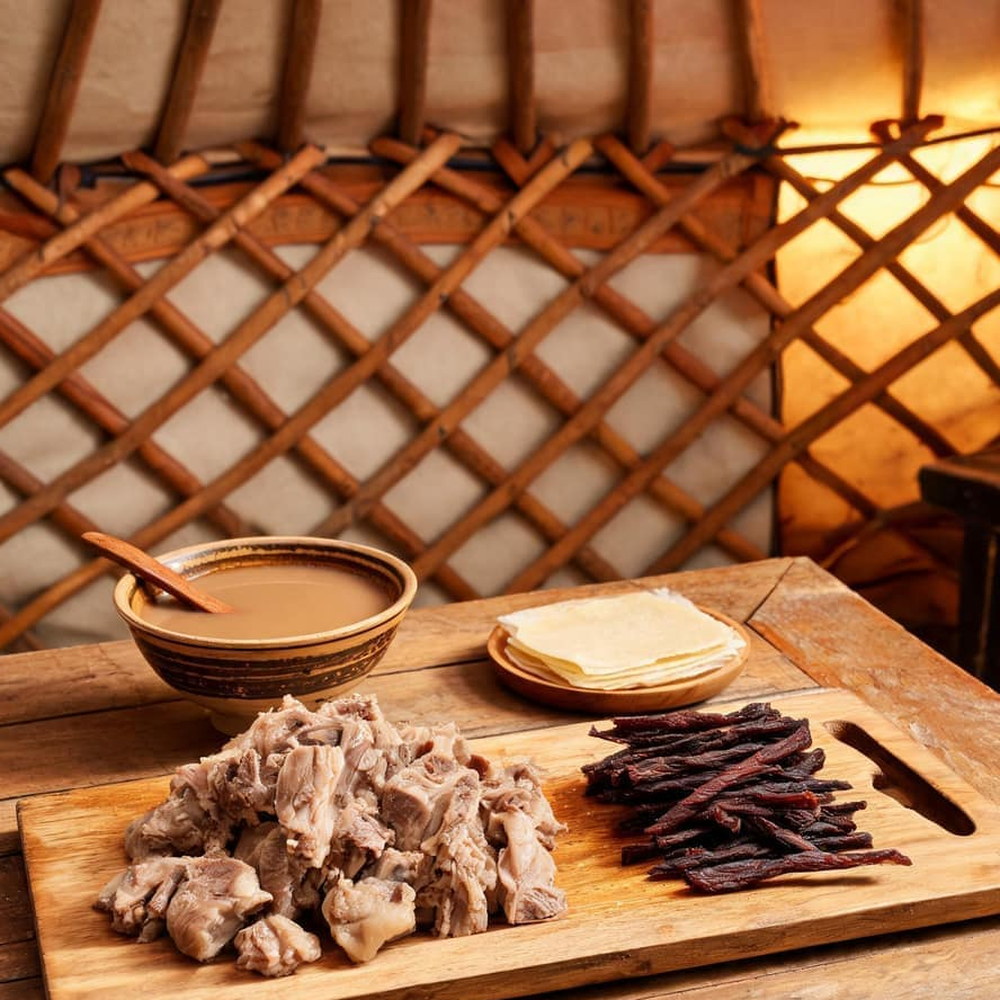 Food
High-protein steppe snacking for gym days and binge nights
Case: High-protein steppe snacking for gym days and binge nights
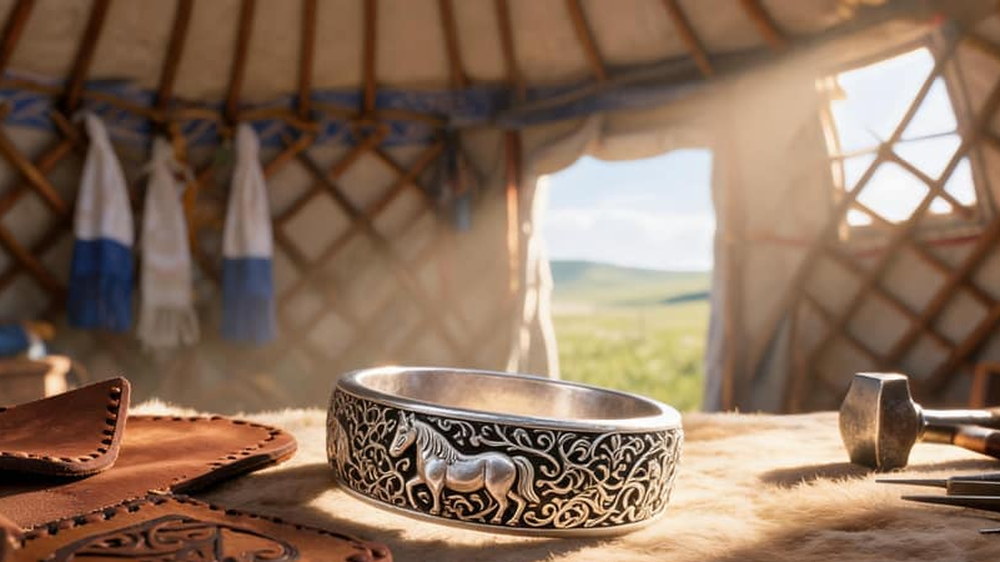 Craft
Cloud scrolls and endless-knot motifs — accessories that carry a story
Case: Cloud scrolls and endless-knot motifs — accessories that carry a story
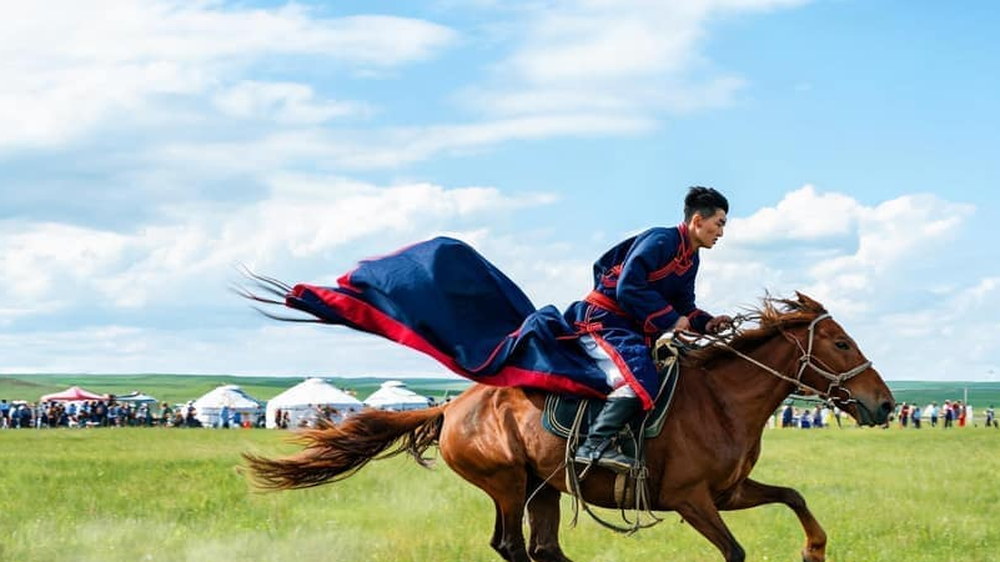 Costume
Horseback portraits that harvest likes by the hundred
Case: Horseback portraits that harvest likes by the hundred
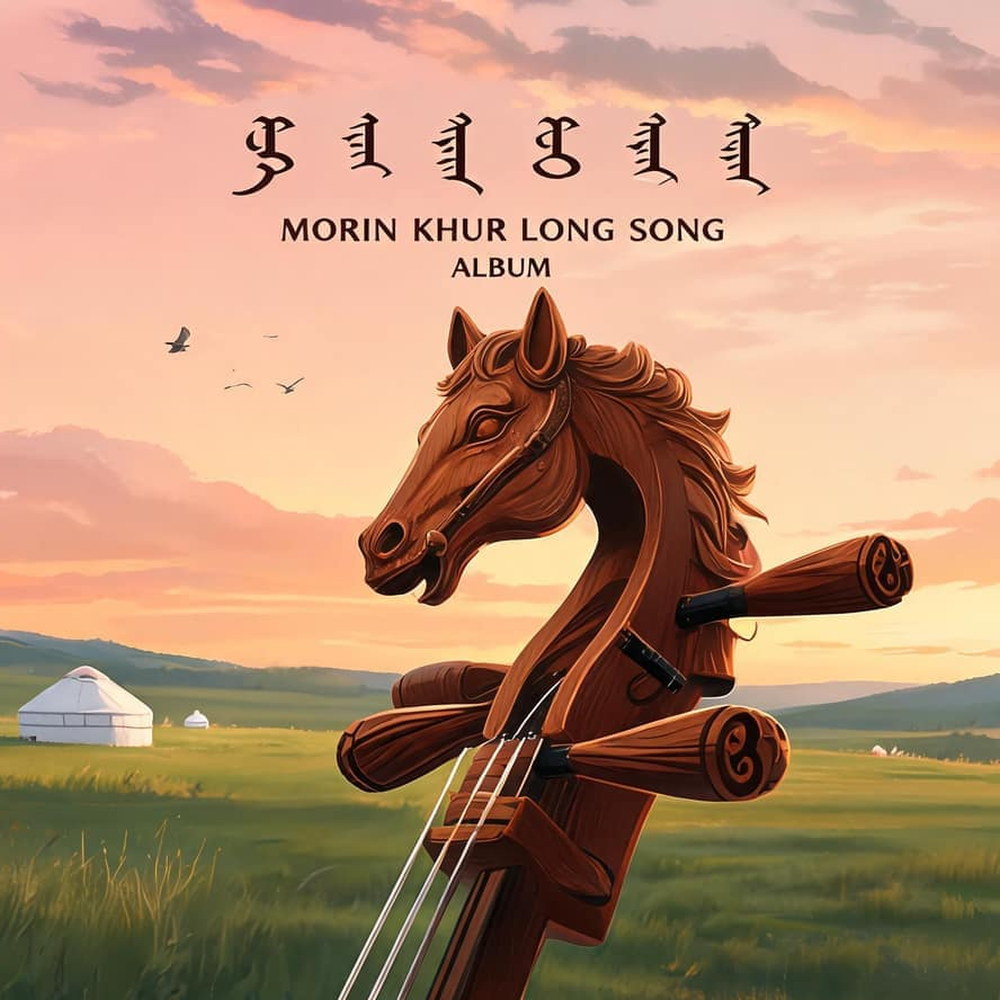 Digital
Put it on during the commute and be back on the grassland in a second
Case: Put it on during the commute and be back on the grassland in a second
← Scroll sideways for more →
Links lead to third-party marketplaces. This site has no promotional relationship with them.
Travel proposals · Meet the custom in its real setting
← Scroll sideways for more →
Related customs
← Scroll sideways for more →