Traditional craftsGuizhou
Batik
An ancient resist-dyeing craft that uses wax to hold back the colour, passed down through generations of Miao and Bouyei makers.
An ancient resist-dyeing craft that uses wax to hold back the colour, passed down through generations of Miao and Bouyei makers.
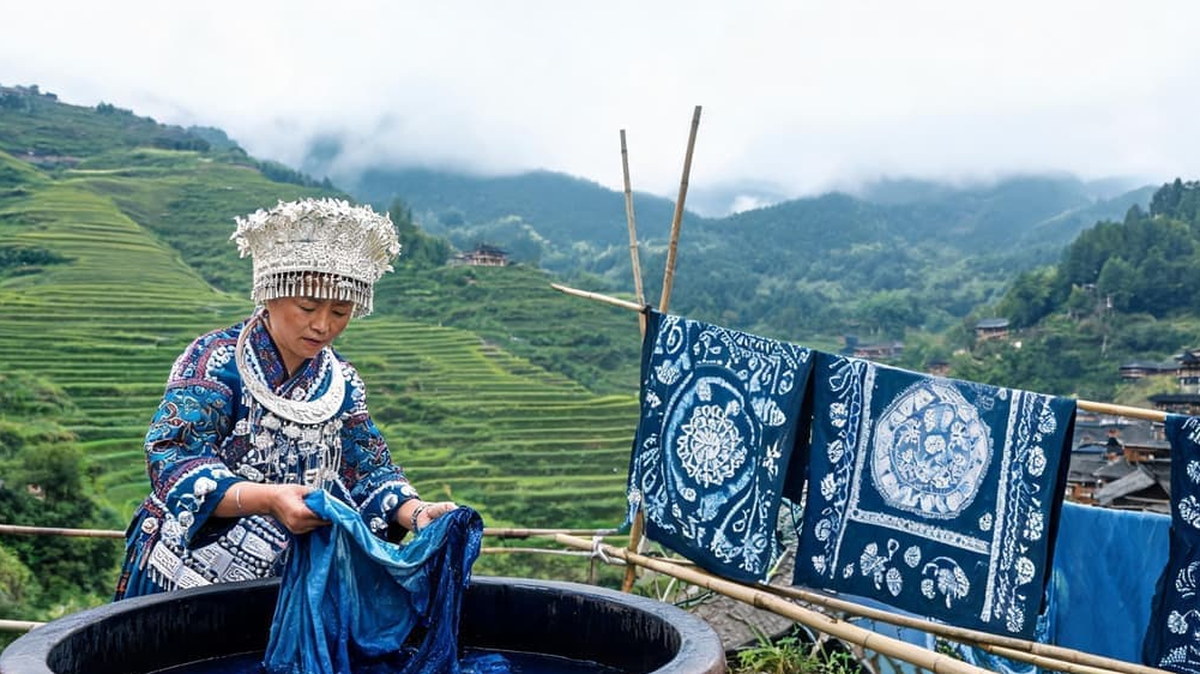
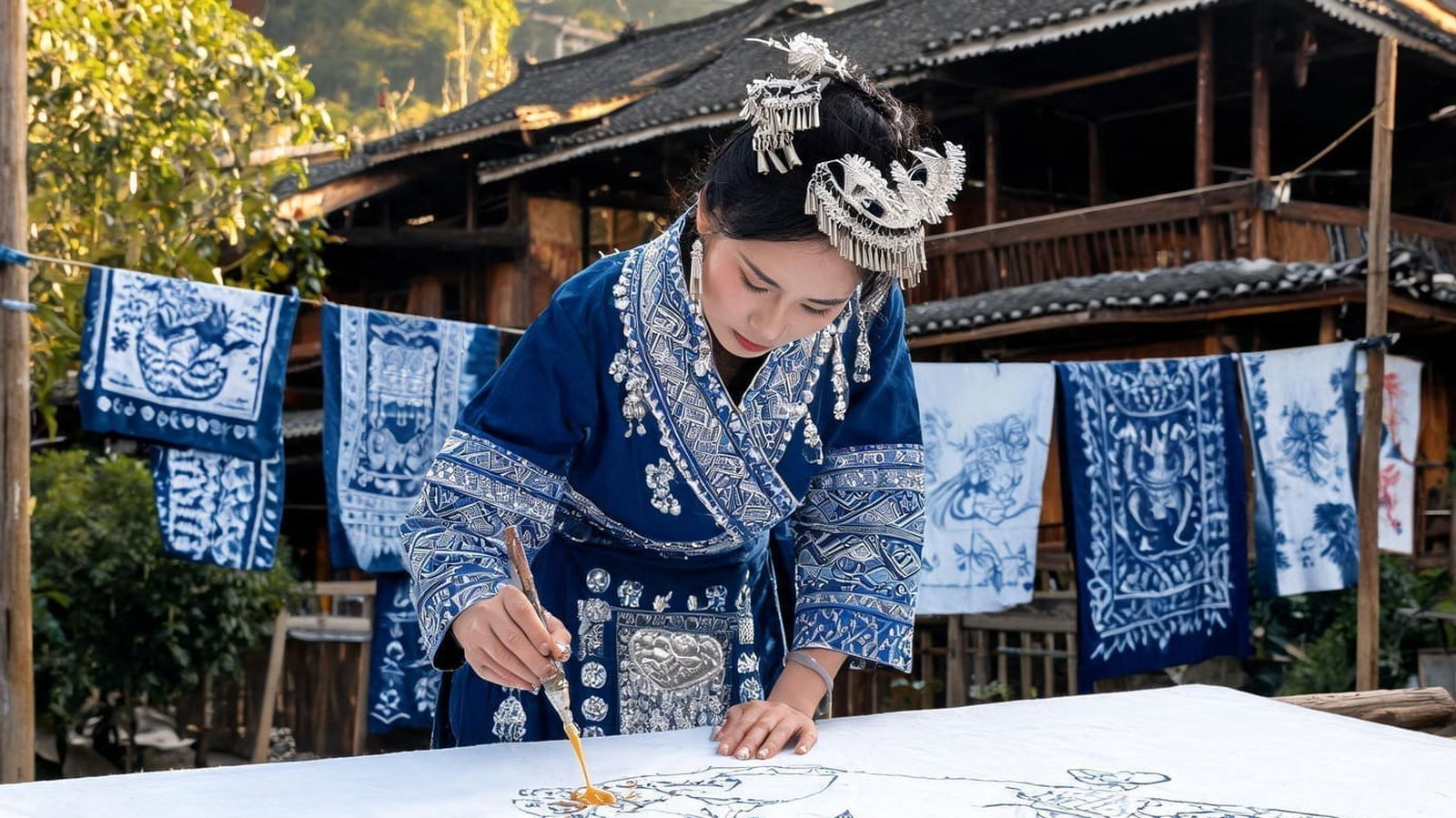
On a stilt house in southeast Guizhou, a Miao grandmother dips a brass wax knife into molten wax, and butterflies and whirlpools open across the white cloth. The cloth goes into the indigo vat, then comes up to oxidise in the wind, turning from yellow to green and from green to blue. Where the wax has cracked, ice-crackle lines remain — every length unique, like the mornings and evenings on the mountain that can never be repeated.
Between blue and white runs a conversation between Miao women and nature; the crackle lines are time's own signature.
Traditions, echoed by a new generation
Batik has been called ink painting on cloth, and every crackle pattern is one of a kind — rather like you, if you would rather not be defined.
The negative space between blue and white, and the crackle lines, carry a natural wabi-sabi and a very assured eye
Plant dyes, handwork, one of a kind — it hits every preference young buyers have for sustainability and individuality
Miao mothers dye history and blessing into cloth: a warm, female kind of strength
History · Customs · Cultural meaning
 Batik · Historical Origins
One continuous line · back to the source
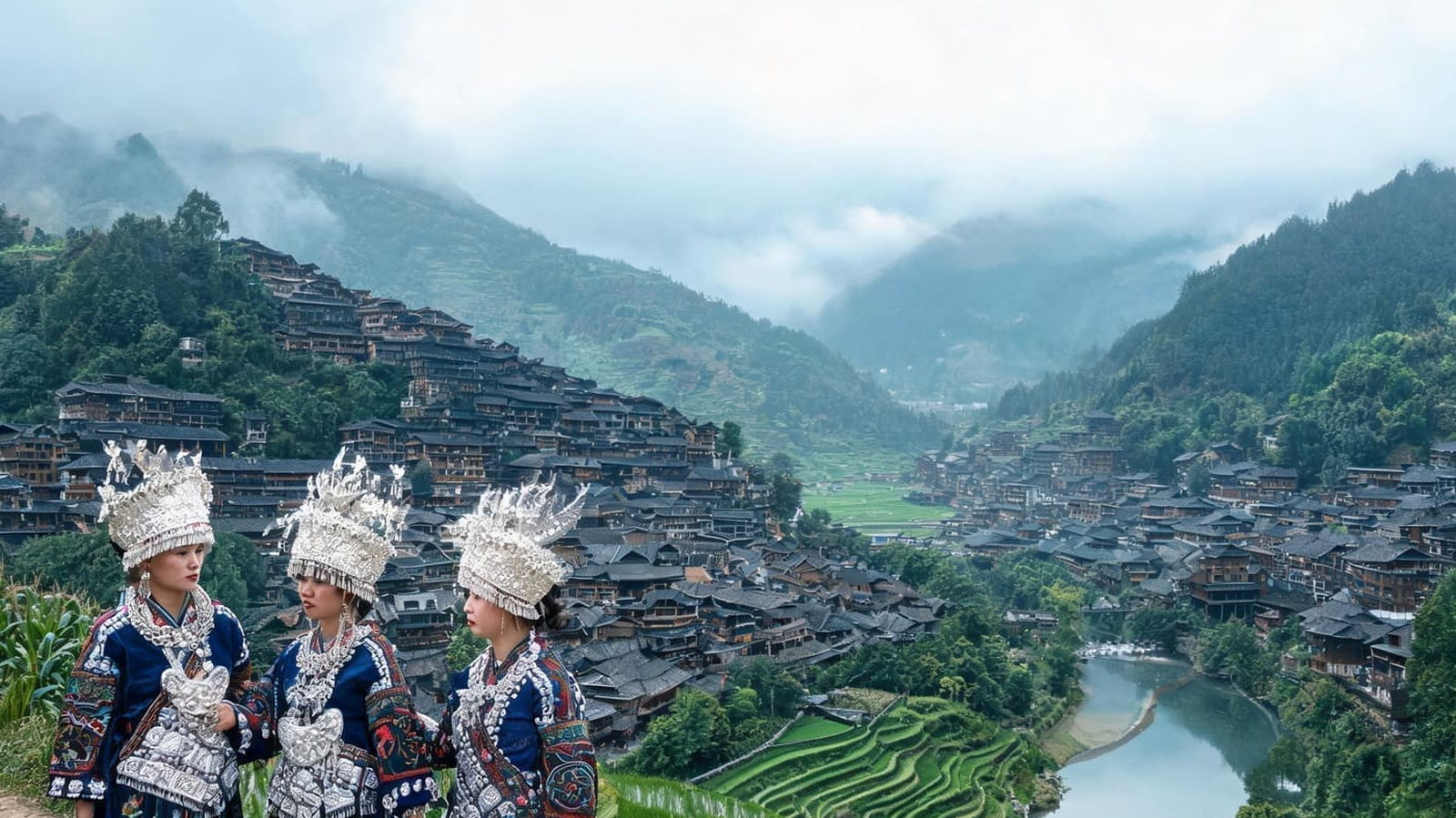
Batik is one of China's oldest resist-dyeing techniques, recorded as early as the Qin and Han and maturing in the Tang and Song. The ethnic areas of Guizhou preserve a relatively complete batik tradition, above all among the Miao and the Bouyei. Miao batik is best known from Danzhai and Anshun; the batik of Paimo Village in Danzhai has been called the finest in the East.
Batik · Customs and Practice
Seasonal rites · everyday life
A brass knife charged with melted beeswax draws the pattern on white cloth, which is then dipped repeatedly in an indigo vat. Once the wax is removed, white motifs stand out against blue. Miao patterns are largely mythic — Butterfly Mother, fish-and-bird, fish-dragon — along with flowers, birds and beasts; Bouyei batik favours geometry. The cloth becomes clothing, baby carriers and quilt covers.
Batik · Cultural Significance
What the heart turns toward · handed down through generations
Batik is the Miao 'history book worn on the body': every pattern carries a people's memory and its cultural code. In an age before writing, the ancestors recorded migration and creation myth in the patterns of their dress. Miao batik was entered on the first national list of intangible cultural heritage in 2006, with Danzhai County among the nominating areas.
To admire and to use · Tradition in everyday life
 Costume
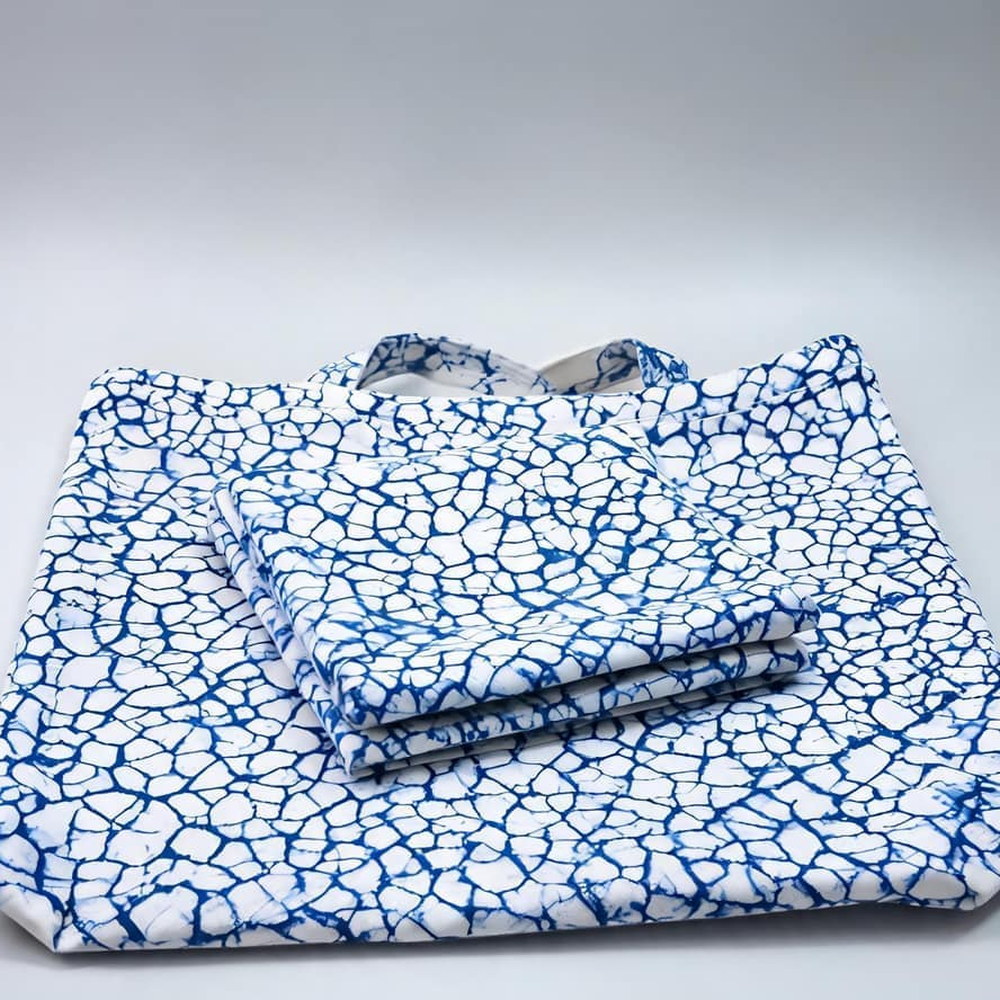
No two crackle patterns are alike — you will never meet your match
Case: No two crackle patterns are alike — you will never meet your match
 Costume
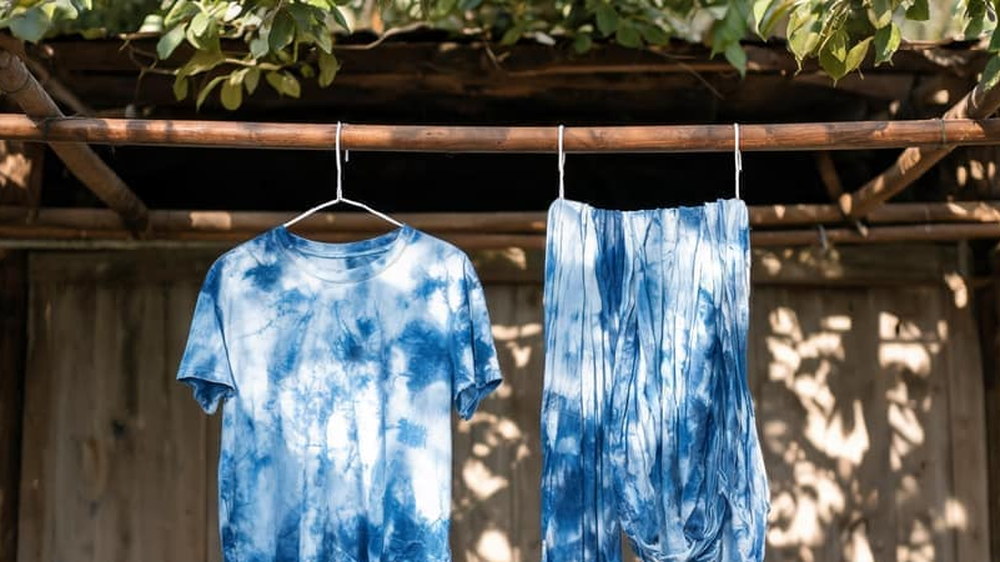
Natural dye colours no wardrobe should be without
Case: Natural dye colours no wardrobe should be without
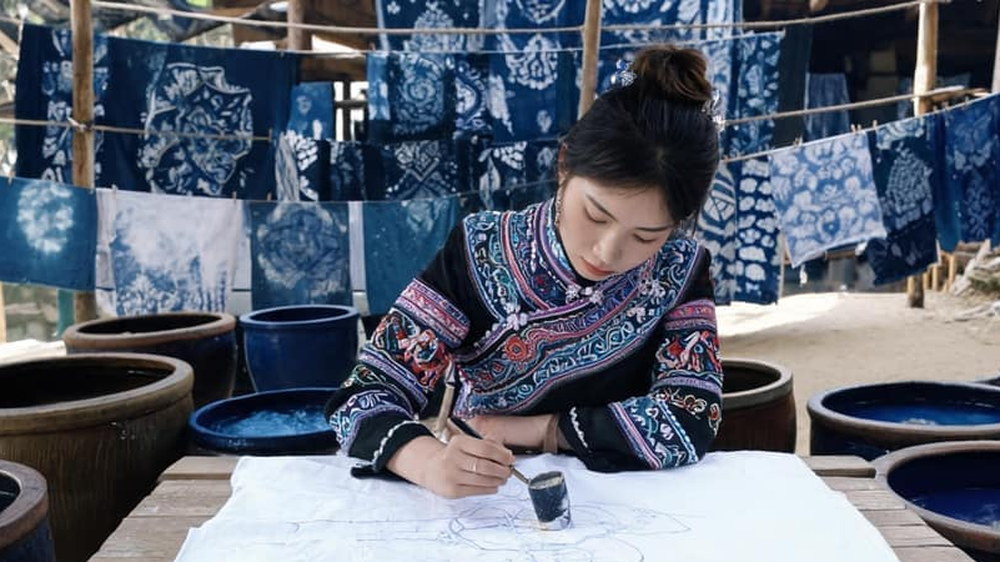 Experience
Wax it, dye it, untie it — the finished piece arrives like a lucky dip
Case: Wax it, dye it, untie it — the finished piece arrives like a lucky dip
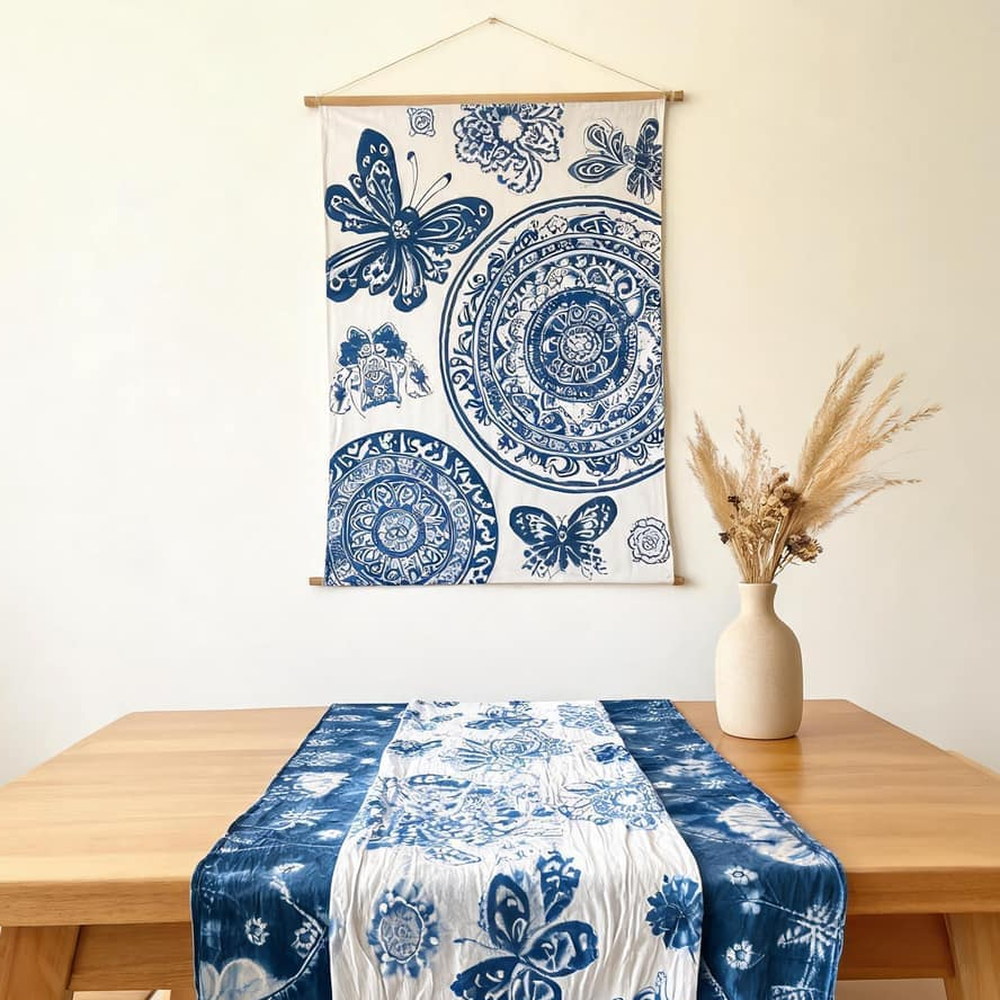 Home
One length of cloth lifts a whole room
Case: One length of cloth lifts a whole room
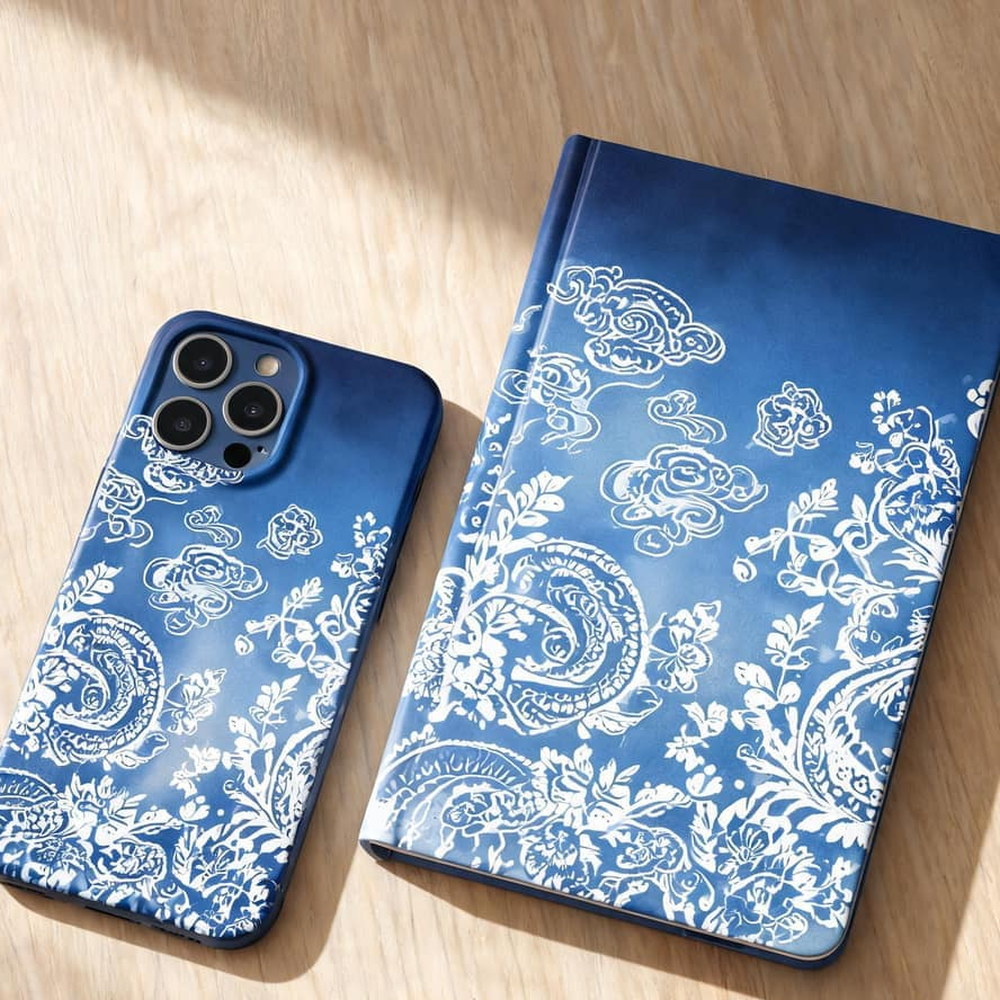 Craft
Eastern blue-and-white aesthetics for the daily commute
Case: Eastern blue-and-white aesthetics for the daily commute
← Scroll sideways for more →
Links lead to third-party marketplaces. This site has no promotional relationship with them.
Travel proposals · Meet the custom in its real setting
← Scroll sideways for more →
Related customs
← Scroll sideways for more →
Fact-checked October 2026 · every citation traceable
Primary sources are Chinese-language publications, cited for traceability. Bodies without a standard English name are listed by domain.