Traditional craftsSuzhou, Hunan, Sichuan, Guangdong and beyond
Chinese Embroidery
The handcraft of building pictures on cloth with needle and thread — its Four Great Traditions are known around the world.
The handcraft of building pictures on cloth with needle and thread — its Four Great Traditions are known around the world.
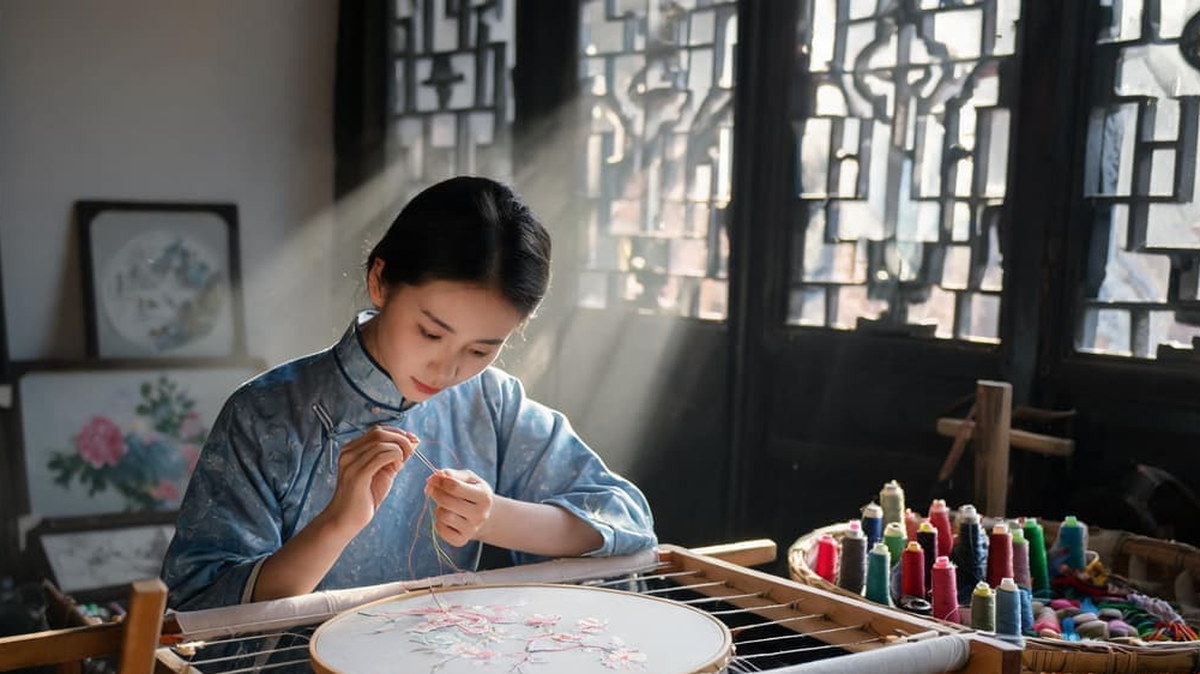
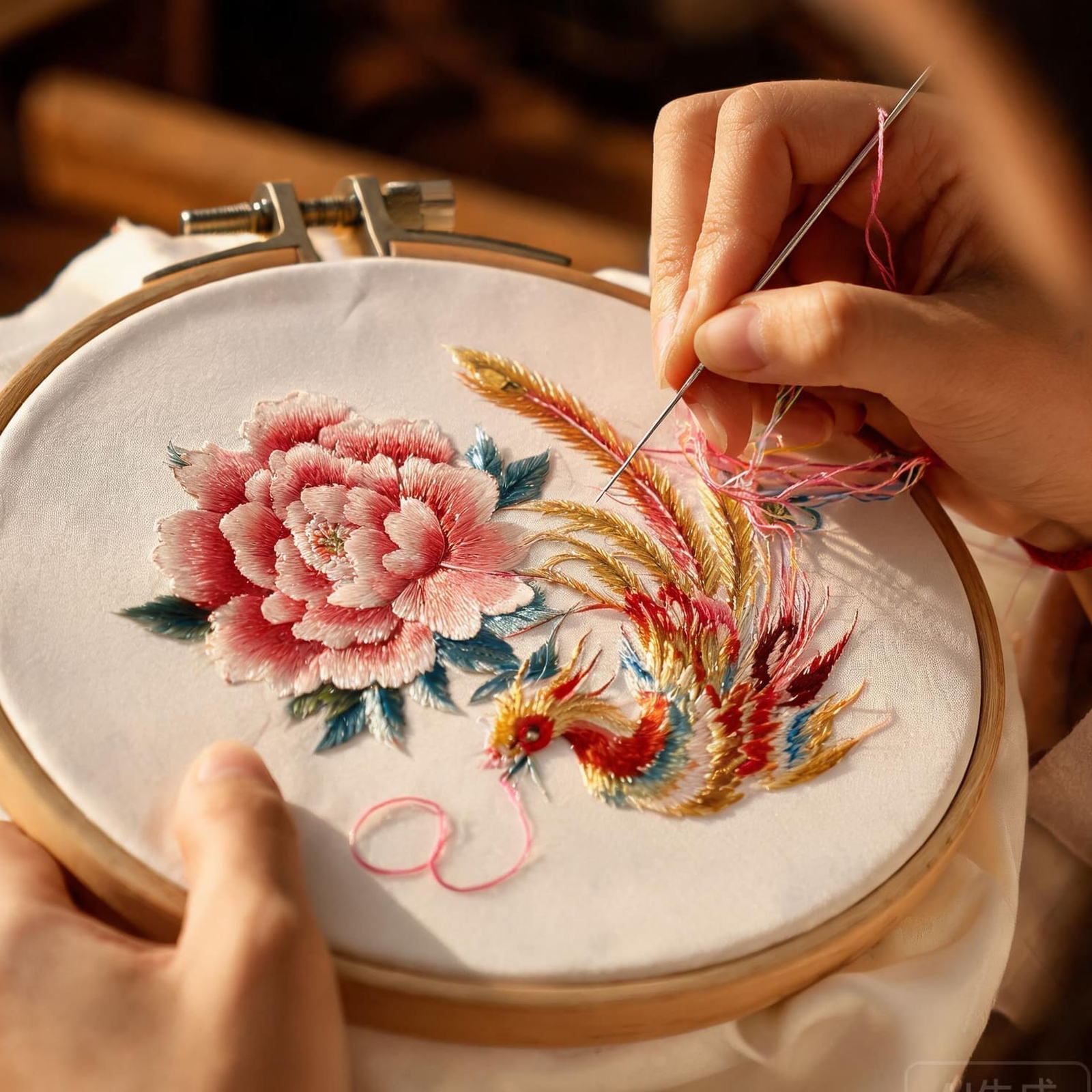
An afternoon in Suzhou is quiet enough to hear silk thread pass through satin. The embroiderer holds her breath, a single thread split into forty-eight filaments, and works the palest wash of red into a peony petal. The goldfish of a double-sided panel looks ready to flick its tail and swim off the cloth; she has embroidered a lifetime and stitched the years into these few inches.
As dense as the stitching, so still the heart — Su embroidery holds the Jiangnan woman's unspoken tenderness and her hours.
Traditions, echoed by a new generation
One needle, one thread — as slow as luxury gets in this era. In a world chasing speed, embroidery teaches that slow is fast.
The fur of a Su-embroidered cat seems to move; the tiger's eye in Xiang work fairly burns — Eastern aesthetics at microscope resolution
Every stitch must land true; a mistake means unpicking, and only those who have unpicked know what a stitch weighs.
With new-Chinese dress everywhere, a single embroidered piece lifts an ordinary outfit at once
History · Customs · Cultural meaning
 Chinese Embroidery · Historical Origins
One continuous line · back to the source
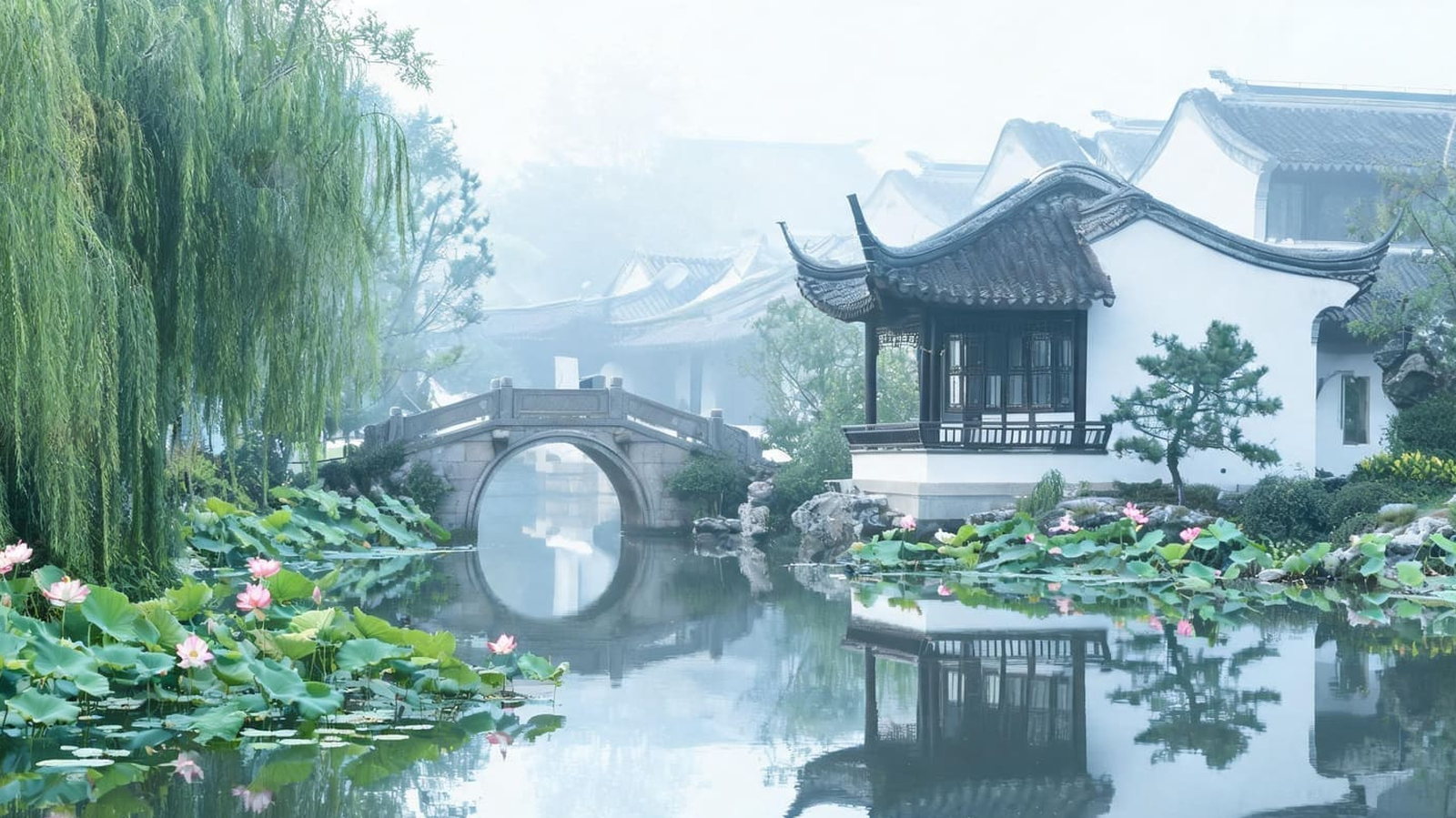
Embroidery in China is very old, at least three to four thousand years. The Book of Documents already records 'painted upper garments and embroidered lower garments'. In the Tang and Song the craft grew ever finer and a form combining painting with stitching appeared. By the middle and late Qing the pattern of the Four Great Traditions — Su, Xiang, Shu and Yue — had taken shape, each with its own regional character.
Chinese Embroidery · Customs and Practice
Seasonal rites · everyday life
Su embroidery is known for fineness and elegance, its signature work the double-sided 'Cat'. Xiang embroidery is rich in colour and uses blended stitches to render texture. Shu embroidery is strict in technique, working mainly on soft satin with coloured silk. Yue embroidery is densely composed and brilliant in colour. Traditionally embroidery covered clothing, bed hangings, shoes and caps, purses and fan cases. Needlework, nügong, was once a measure of a woman's accomplishments.
 Chinese Embroidery · Cultural Significance
What the heart turns toward · handed down through generations
Chinese embroidery is an art at the needle's tip, gathering the patience and intelligence of countless embroiderers and expressing a culture's pursuit of beauty to its furthest point. Every stitch carries a wish for a good life. Su, Xiang, Shu and Yue embroidery were all entered on the first national list of intangible cultural heritage in 2006.
To admire and to use · Tradition in everyday life
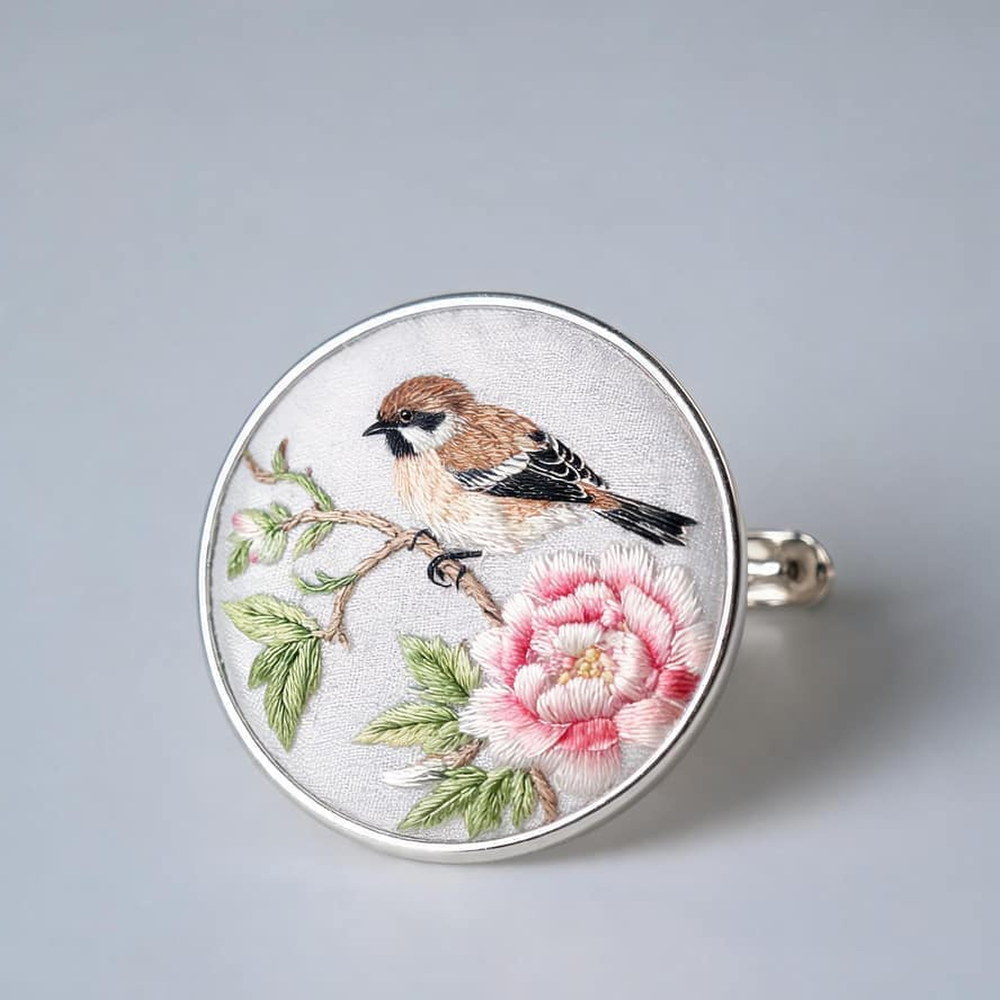 Craft
Floral and bird panels to lift a canvas bag or a jacket lapel
Case: Floral and bird panels to lift a canvas bag or a jacket lapel
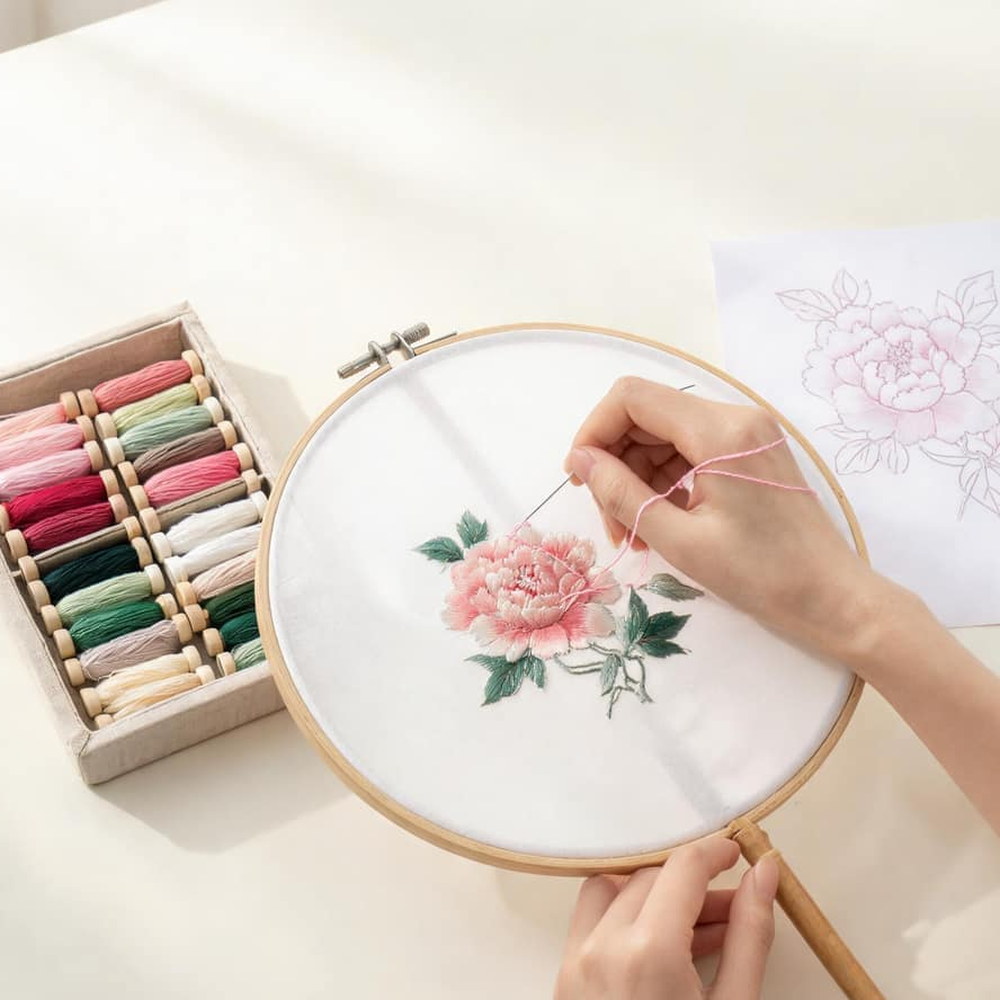 Experience
Start from zero; the result is too pretty to use
Case: Start from zero; the result is too pretty to use
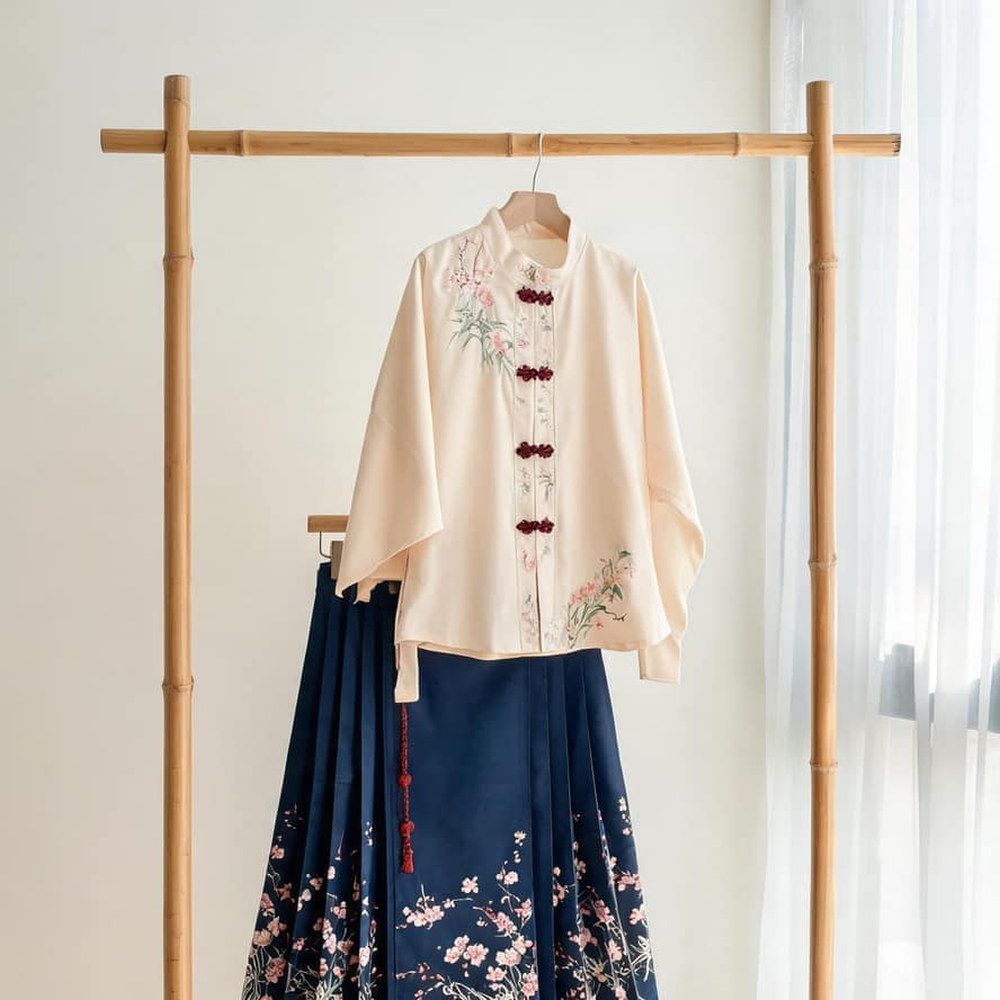 Costume
For the office, for dates, for photographs — Chinese style is having its moment
Case: For the office, for dates, for photographs — Chinese style is having its moment
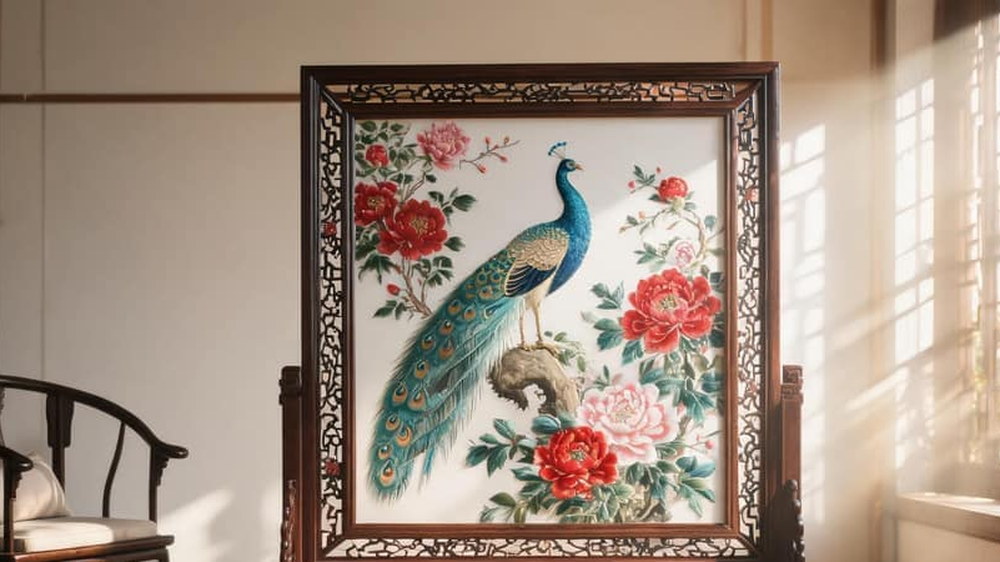 Home
Cotton and linen grounds, at home on a table or over a chair back
Case: Cotton and linen grounds, at home on a table or over a chair back
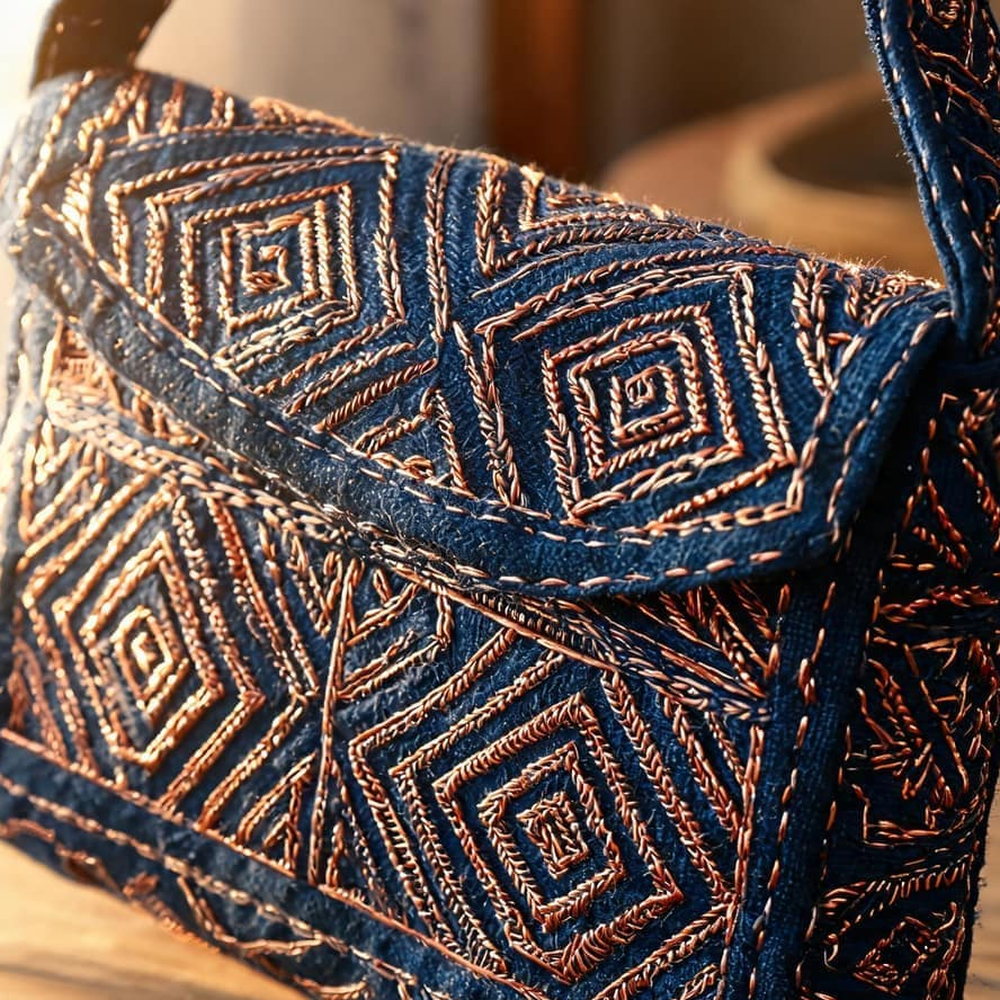 Costume
Supporting heritage workshops; every motif is a story you can carry
Case: Supporting heritage workshops; every motif is a story you can carry
← Scroll sideways for more →
Links lead to third-party marketplaces. This site has no promotional relationship with them.
Travel proposals · Meet the custom in its real setting
← Scroll sideways for more →
Related customs
← Scroll sideways for more →
Fact-checked October 2026 · every citation traceable
Primary sources are Chinese-language publications, cited for traceability. Bodies without a standard English name are listed by domain.