Traditional craftsJingdezhen, Longquan, Dehua and beyond
Porcelain Making
China is the homeland of porcelain; a thousand years of ceramic craft have made its name known the world over.
China is the homeland of porcelain; a thousand years of ceramic craft have made its name known the world over.
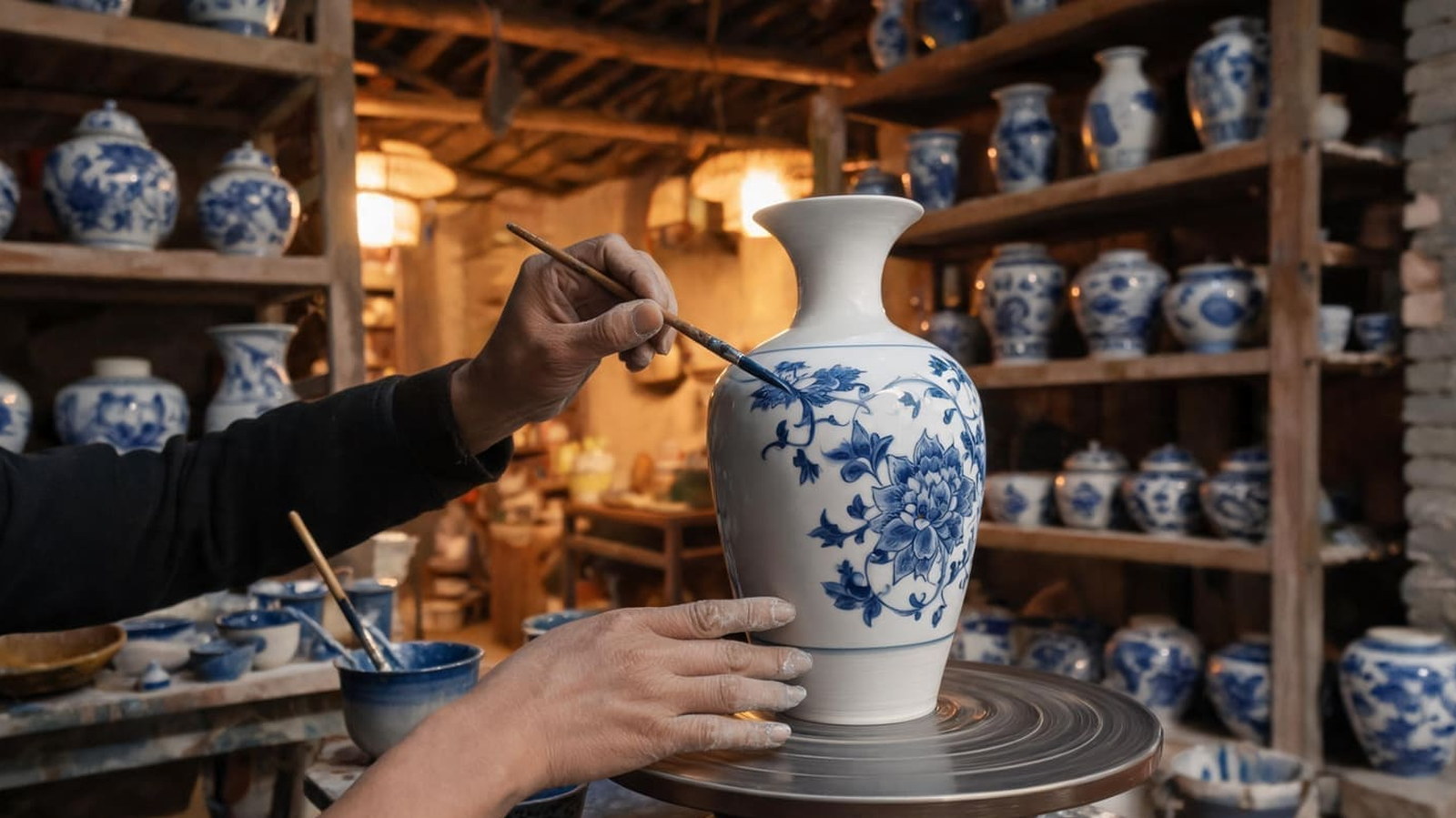
The old kilns of Jingdezhen have burned for a thousand years, and the sweat on a kiln worker's brow falls into the clay. The thrower turns his palms and a lump of earth rises into a slender vase; cobalt washes across the biscuit, one colour going in, ten thousand coming out. When the kiln is opened the glaze is warm as jade, as though a whole Jiangnan of mist and rain had been sealed inside the porcelain.
Clay and fire in each other's arms gave China its other name — a celadon calling card handed to the world.
Traditions, echoed by a new generation
Porcelain gave the country the name the world uses. Hold a blue-and-white cup and you hold a thousand years of taste and of daily life.
The sky-blue of Ru ware, the deep blue of cobalt, the composure of sacrificial red — colours the Chinese hold in the bone
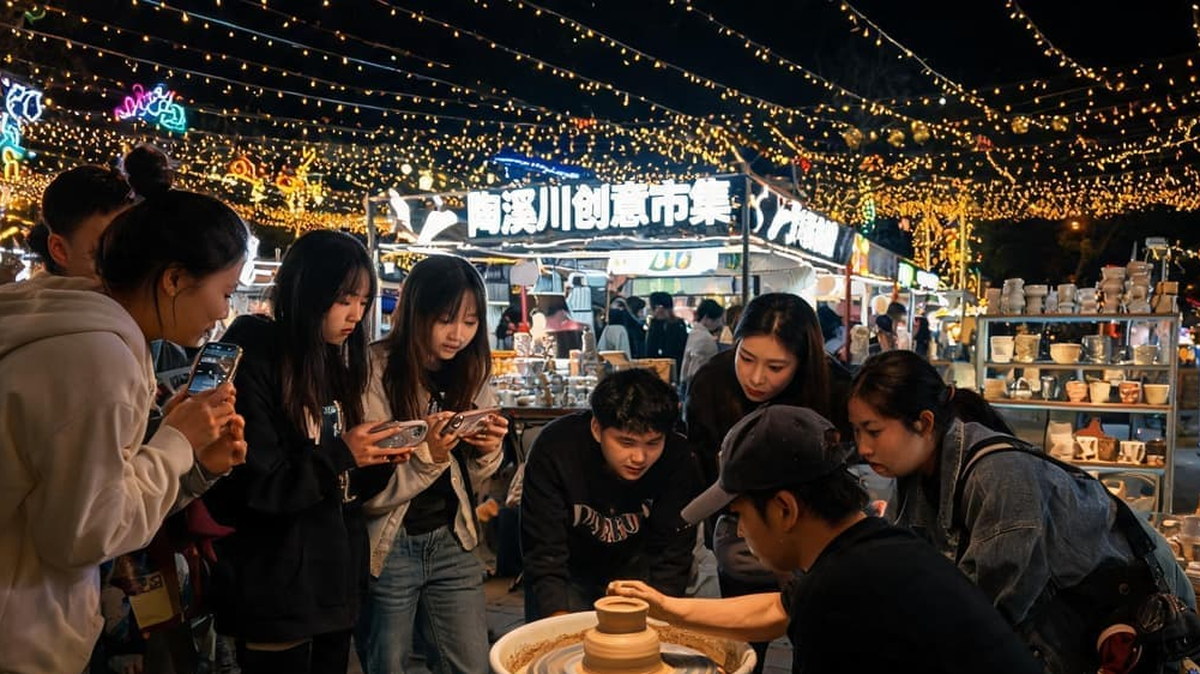
Throwing and firing a cup that is only yours — the physical making that digital nomads most envy
Rice, oil, salt, sauce, vinegar, tea: the same meal, and everything depends on the bowl it lands in.
History · Customs · Cultural meaning
 Porcelain Making · Historical Origins
One continuous line · back to the source
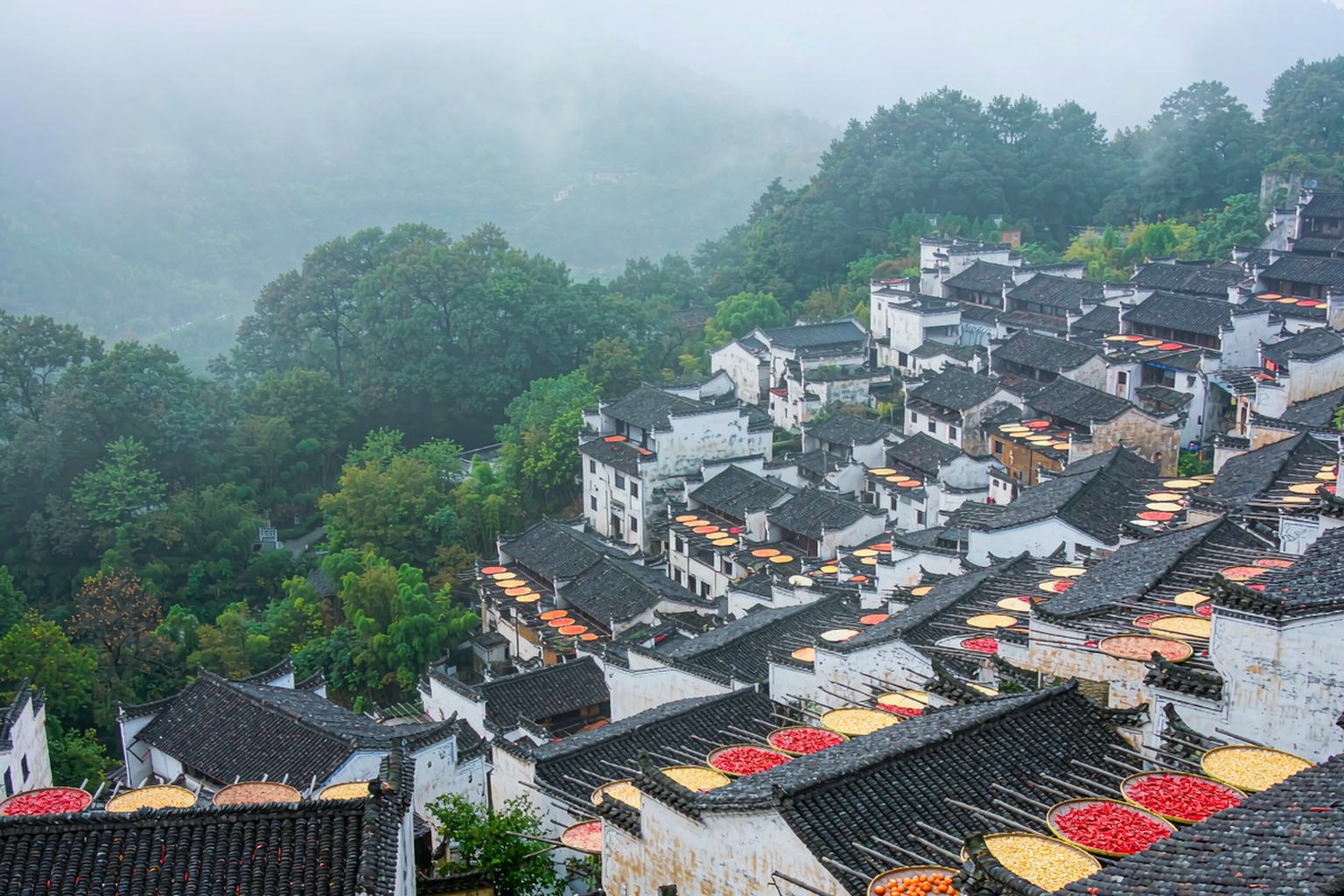
China is among the first places in the world to have made ceramics, with a history of more than ten thousand years. Mature celadon was fired in the Eastern Han; by the Tang a pattern had formed of green in the south and white in the north; in the Song the five great kilns — Ru, Guan, Ge, Jun and Ding — carried the art to its height. Blue-and-white appeared in the Yuan, Jingdezhen became the country's porcelain centre under the Ming and Qing, and the word 'china' passed into the world's languages as another name for the country.
Porcelain Making · Customs and Practice
Seasonal rites · everyday life
Traditional porcelain making runs through dozens of steps — washing the clay, throwing, press-moulding, trimming, glazing, firing. Jingdezhen's four famous wares — blue-and-white, famille rose, linglong openwork and colour glaze — each have their own character. Longquan celadon is known as 'green as jade, bright as a mirror, resonant as a chime'; Dehua's white porcelain is called blanc de chine. Folk custom includes sacrifice to the kiln god before a firing, asking for a clean result.
 Porcelain Making · Cultural Significance
What the heart turns toward · handed down through generations
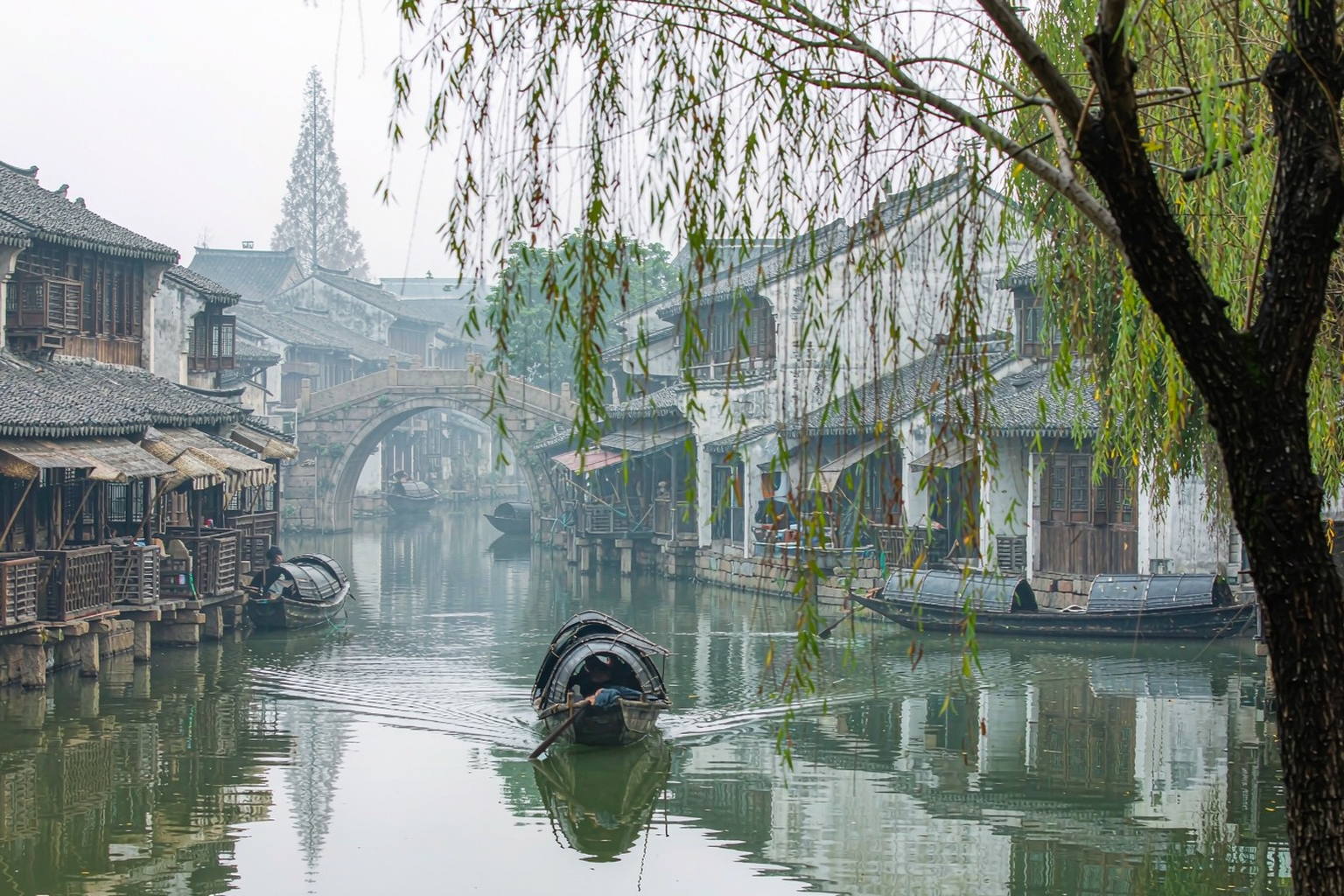
Ceramics are one of China's great contributions to world civilisation, carried along the Silk Road and the maritime ceramic road to every continent and standing as a central symbol of Chinese culture. The craft embodies a patient pursuit of the last degree of refinement, and a deep understanding of natural beauty.
To admire and to use · Tradition in everyday life
 Home
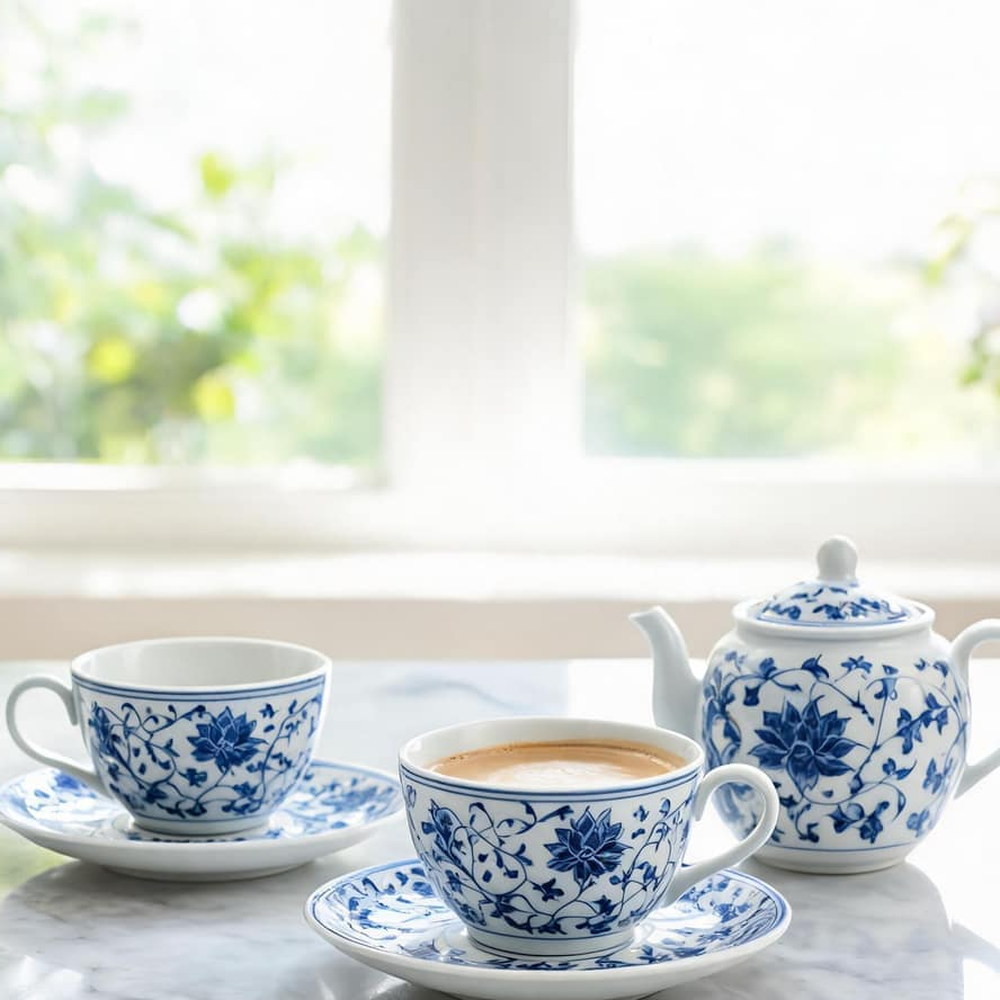
A first hand-made cup — even water starts to feel like an occasion
Case: A first hand-made cup — even water starts to feel like an occasion
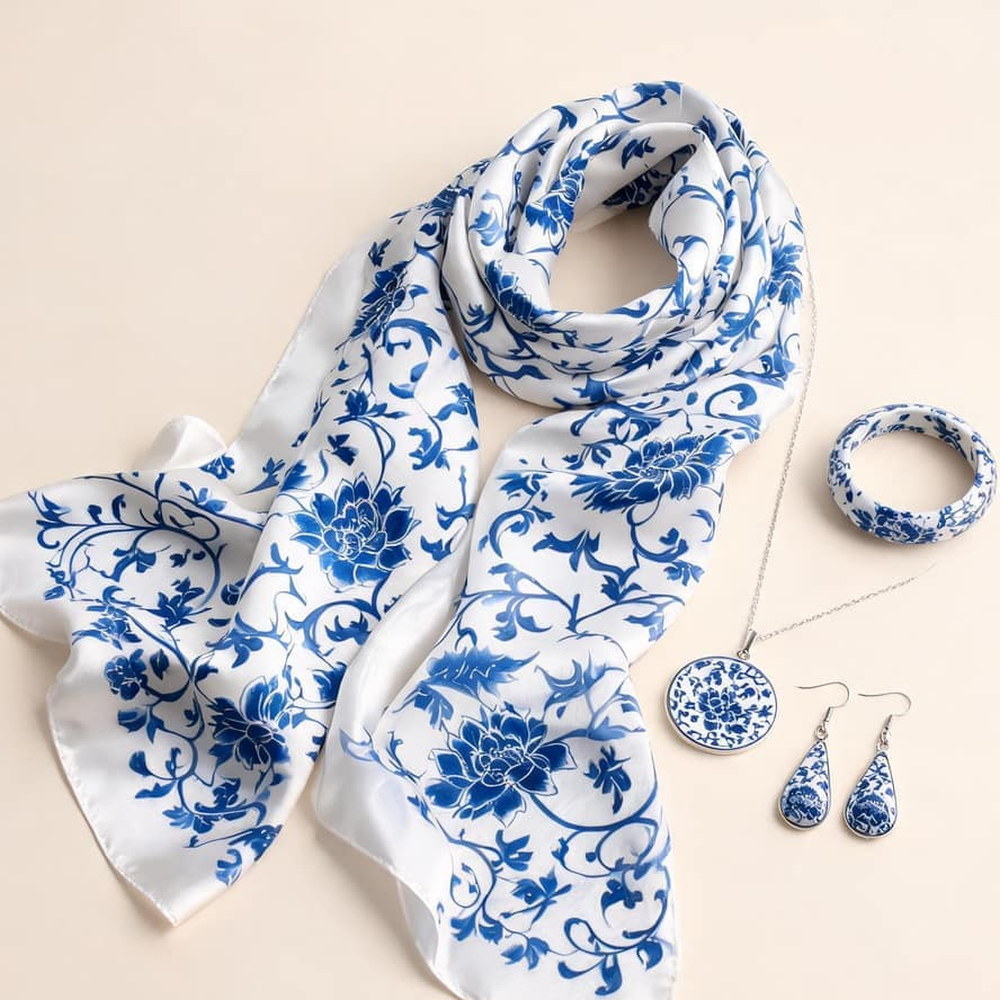 Craft
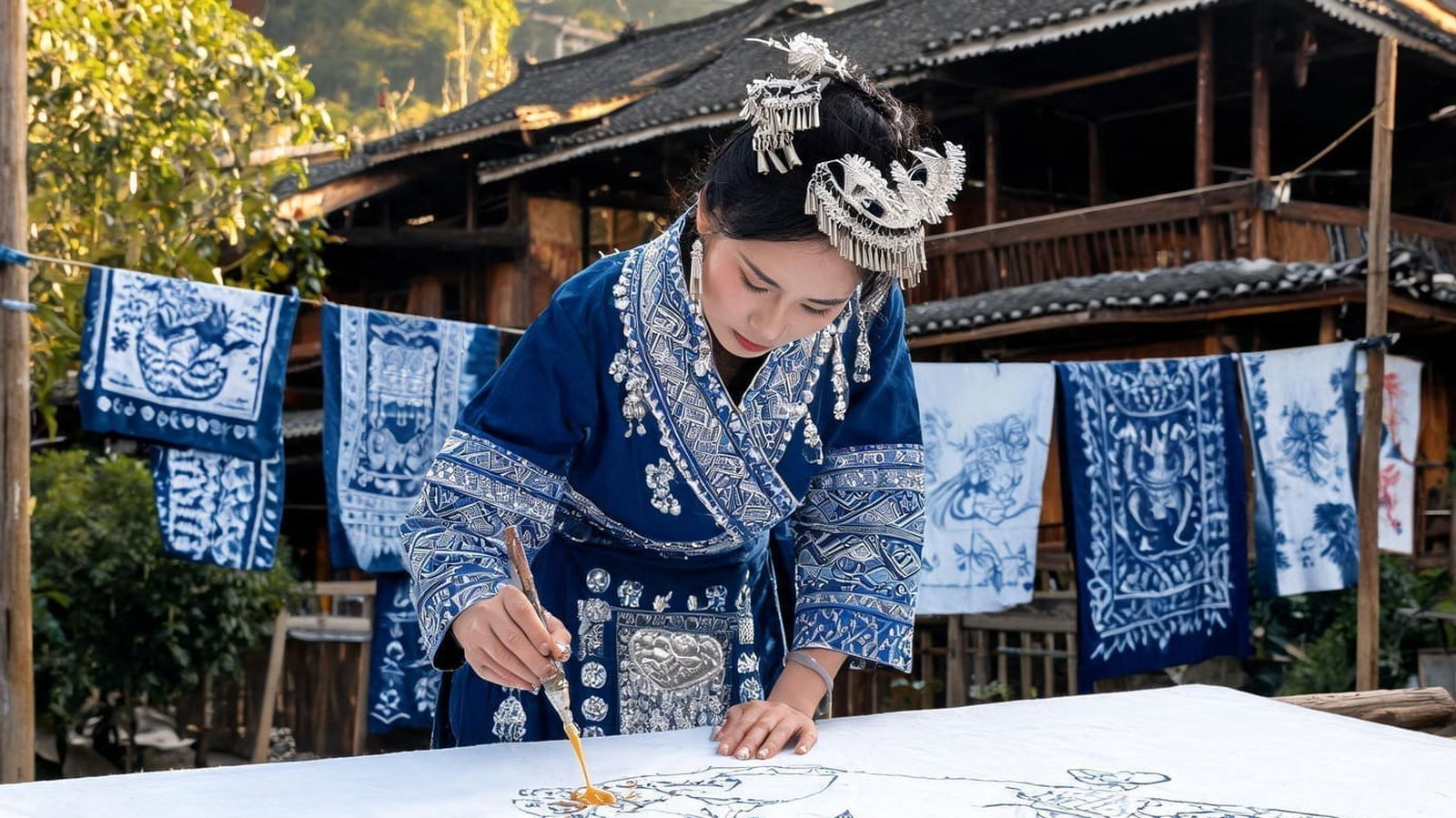
Cobalt motifs printed on jewellery and silk, white ground, blue flower.
Case: Cobalt motifs printed on jewellery and silk, white ground, blue flower.
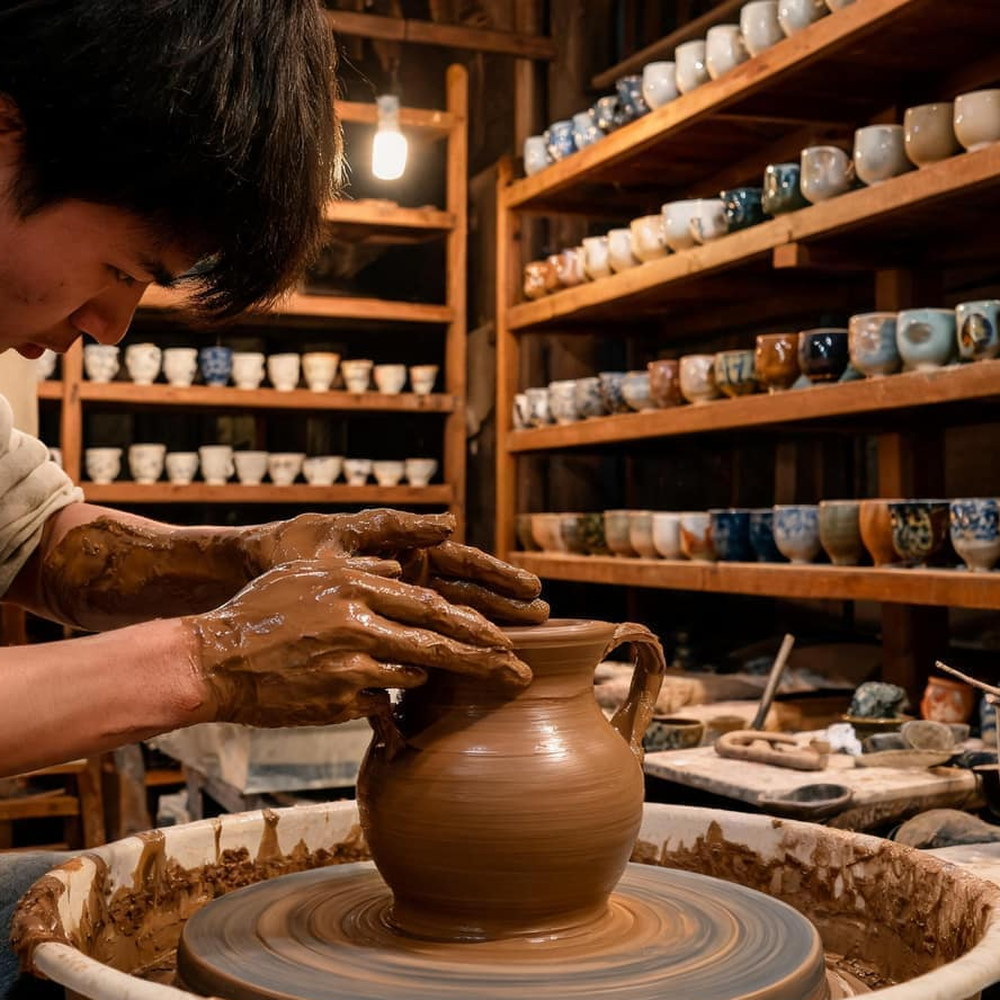 Experience
Throw, trim, glaze; one firing later, collect it the following week.
Case: Throw, trim, glaze; one firing later, collect it the following week.
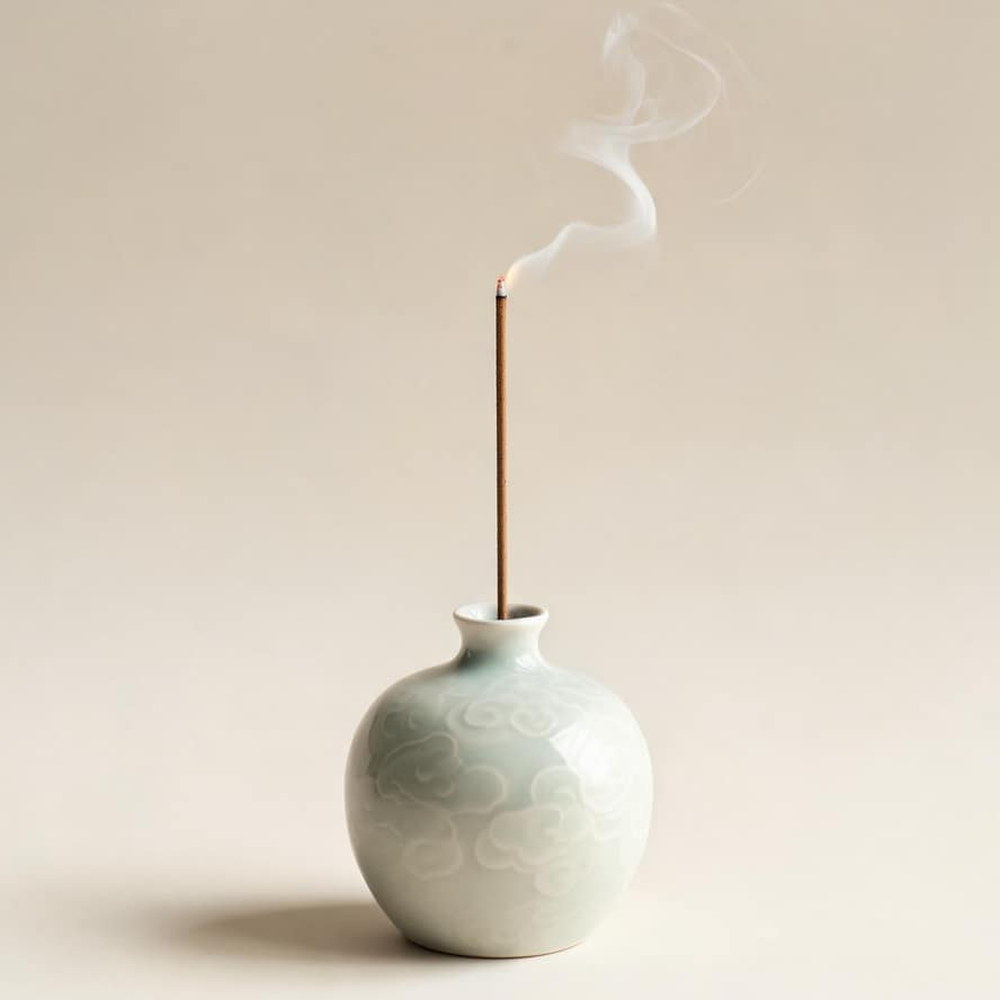 Home
Palm-sized pieces with crackled glaze, made to sit on a desk.
Case: Palm-sized pieces with crackled glaze, made to sit on a desk.
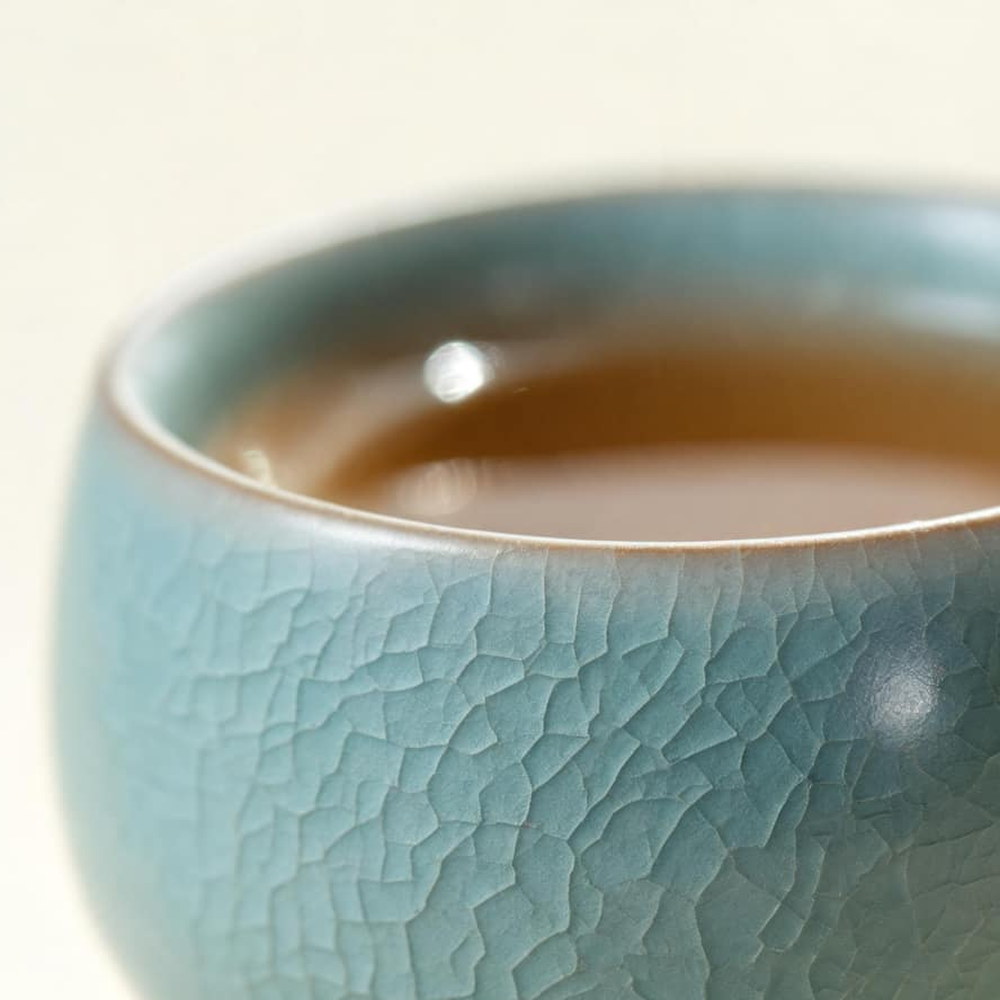 Home
The crackle deepens with use — keeping a cup is a way of keeping a life
Case: The crackle deepens with use — keeping a cup is a way of keeping a life
← Scroll sideways for more →
Links lead to third-party marketplaces. This site has no promotional relationship with them.
Travel proposals · Meet the custom in its real setting
← Scroll sideways for more →
Related customs
← Scroll sideways for more →
Fact-checked October 2026 · every citation traceable
Primary sources are Chinese-language publications, cited for traceability. Bodies without a standard English name are listed by domain.