Folk artsNationwide
Chinese Calligraphy
The art of writing Chinese characters with a brush — 'colourless, yet brilliant as painting; soundless, yet harmonious as music'.
The art of writing Chinese characters with a brush — 'colourless, yet brilliant as painting; soundless, yet harmonious as music'.
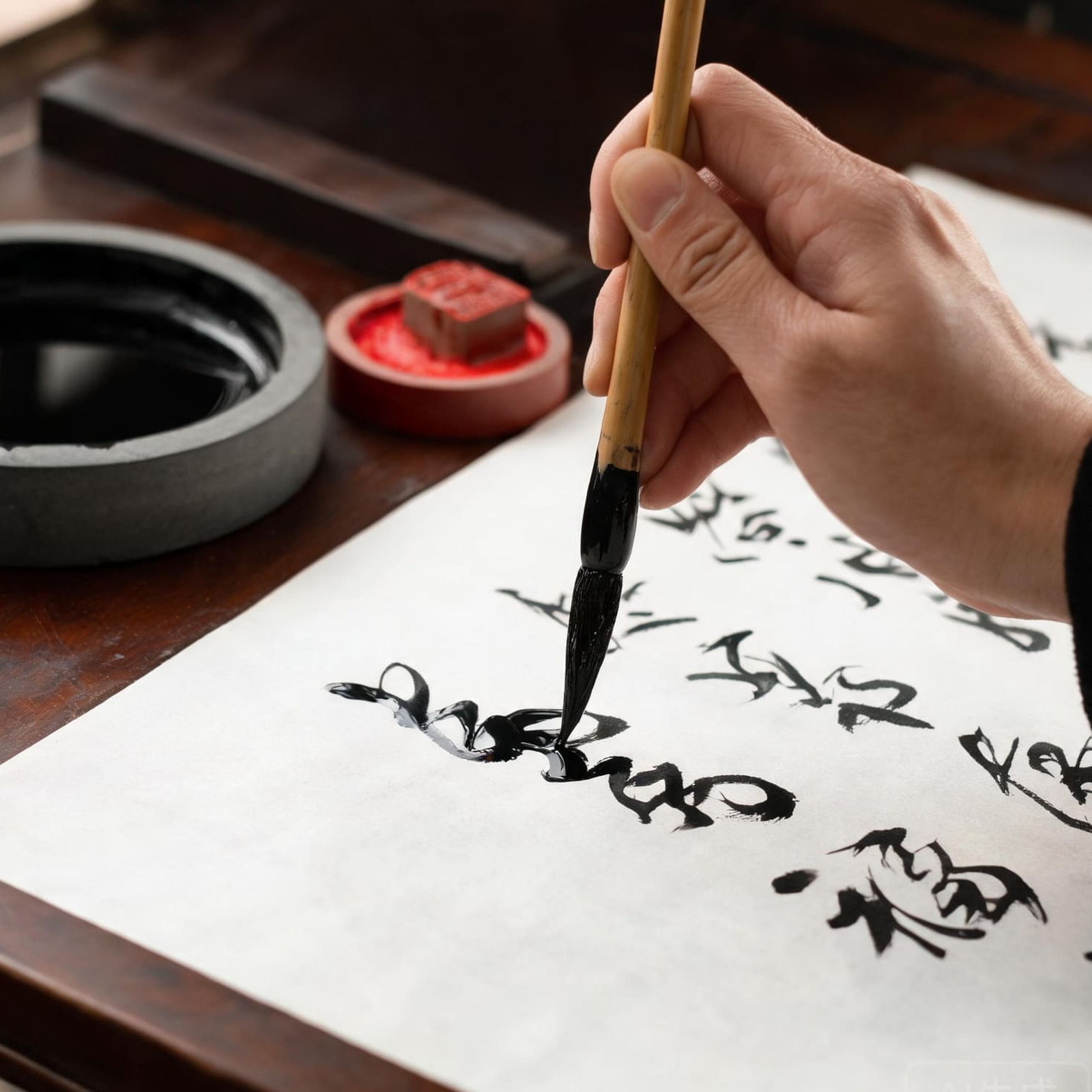
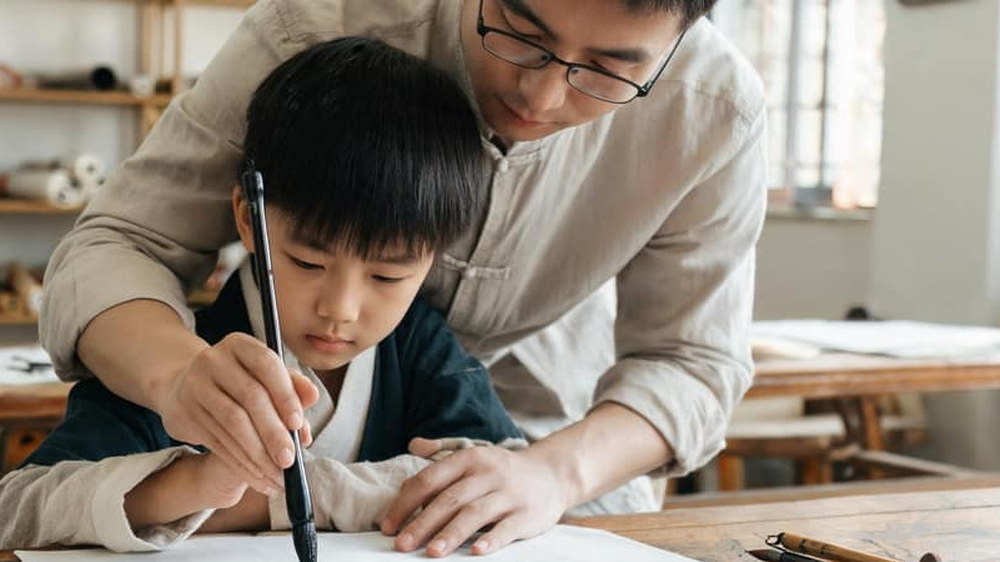
On the desk a new inkstick dissolves slowly in the inkstone. The wrist lifts, the brush descends, and at the instant it touches the paper the ink runs from dense to pale; one stroke down and the breath of the whole line connects. Bamboo shadows move outside the window; inside there is only the hush of bristles on xuan paper. The brush is set down, a vermilion seal pressed lightly, and the white sheet has spirit in it.
Between black and white lies a mental world particular to the Chinese — each horizontal and vertical sets the character, each falling stroke writes a life.
Traditions, echoed by a new generation
Writing is the Chinese kind of yoga. Dip the brush, lay down one stroke, and the noise of the world stays outside the door.
Xuan paper, Hui ink and brush laid out — and once the stroke is down, it cannot be corrected.
Good handwriting, or couplets of your own writing, is a quiet and very cultured calling card
Every horizontal and vertical must sit steady; finish one sheet and the wrist aches.
History · Customs · Cultural meaning
 Chinese Calligraphy · Historical Origins
One continuous line · back to the source
Chinese calligraphy begins with the oracle bone script of the Shang, and evolves through bronze inscriptions, seal script, clerical script, regular script, running script and cursive. In the Eastern Han it became an independent art; in the Wei and Jin, Wang Xizhi was honoured as the Sage of Calligraphy. The Tang was its high point, with masters such as Ouyang Xun, Yan Zhenqing, Liu Gongquan and Zhang Xu.
Chinese Calligraphy · Customs and Practice
Seasonal rites · everyday life
Calligraphy rests on three elements: brushwork, structure and composition. The Four Treasures of the Study — brush, ink, paper, inkstone — are its basic tools. Calligraphy and painting have traditionally been spoken of together, and poems and signatures are often inscribed on a painting. Folk custom includes writing spring couplets at New Year, the character for joy at weddings and the character for longevity at birthdays. The belief that 'the writing is the person' runs deep: calligraphy is taken as a central discipline of self-cultivation.
 Chinese Calligraphy · Cultural Significance
What the heart turns toward · handed down through generations
What makes Chinese calligraphy distinctive is that it takes writing itself as its subject: every stroke carries the temper of the person who made it. In 2008 Chinese calligraphy was entered, as 'hanzi calligraphy', on the second national list of representative intangible cultural heritage items (no. Ⅶ-63). On 30 September 2009 it was inscribed on UNESCO's Representative List of the Intangible Cultural Heritage of Humanity.
To admire and to use · Tradition in everyday life
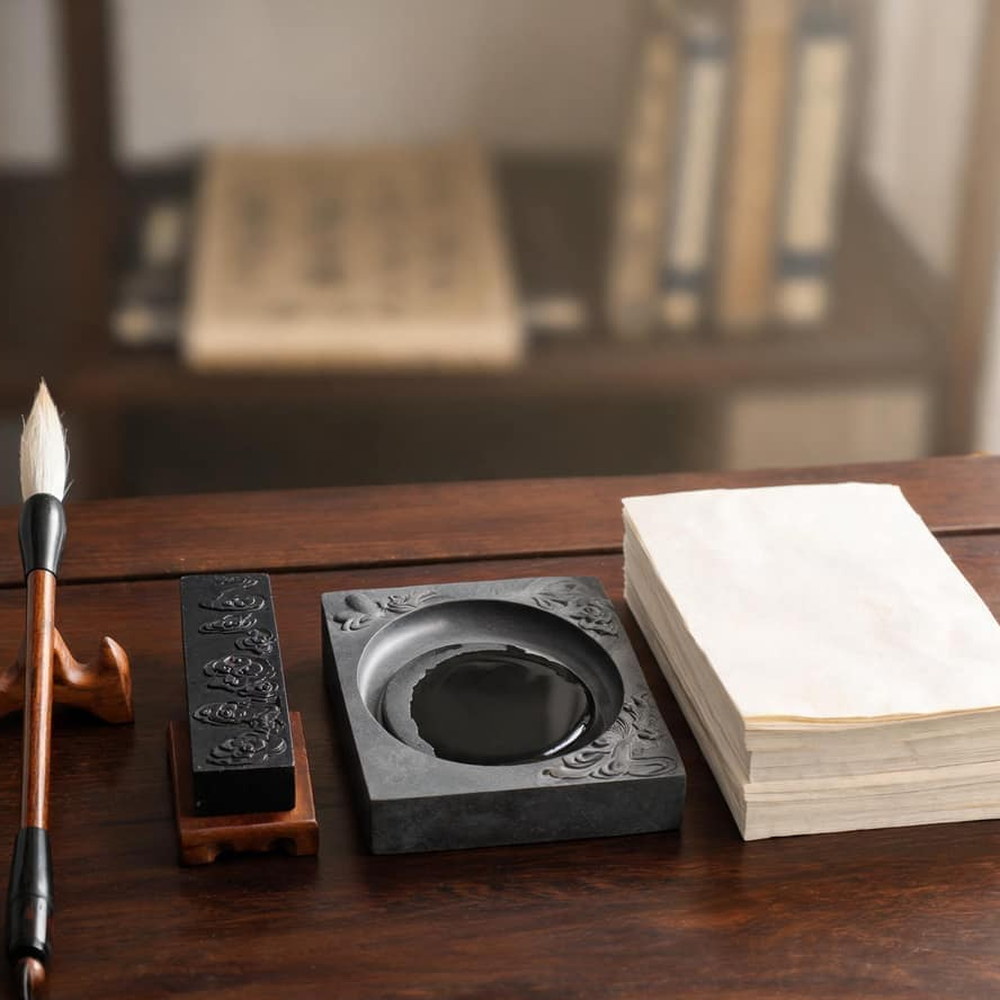 Craft
A starter set with all four treasures — lay it out and begin
Case: A starter set with all four treasures — lay it out and begin
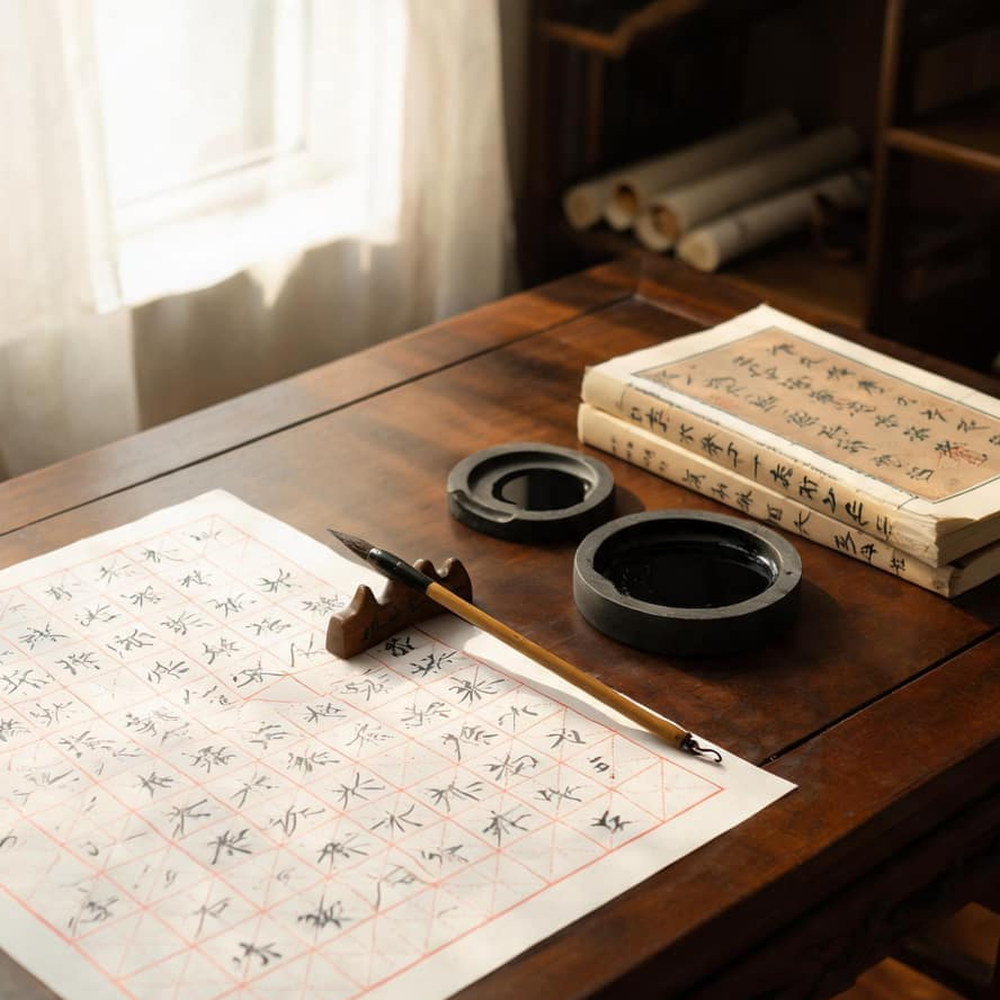 Experience
Start with Emperor Huizong and the Lingfei Jing — practice as fandom
Case: Start with Emperor Huizong and the Lingfei Jing — practice as fandom
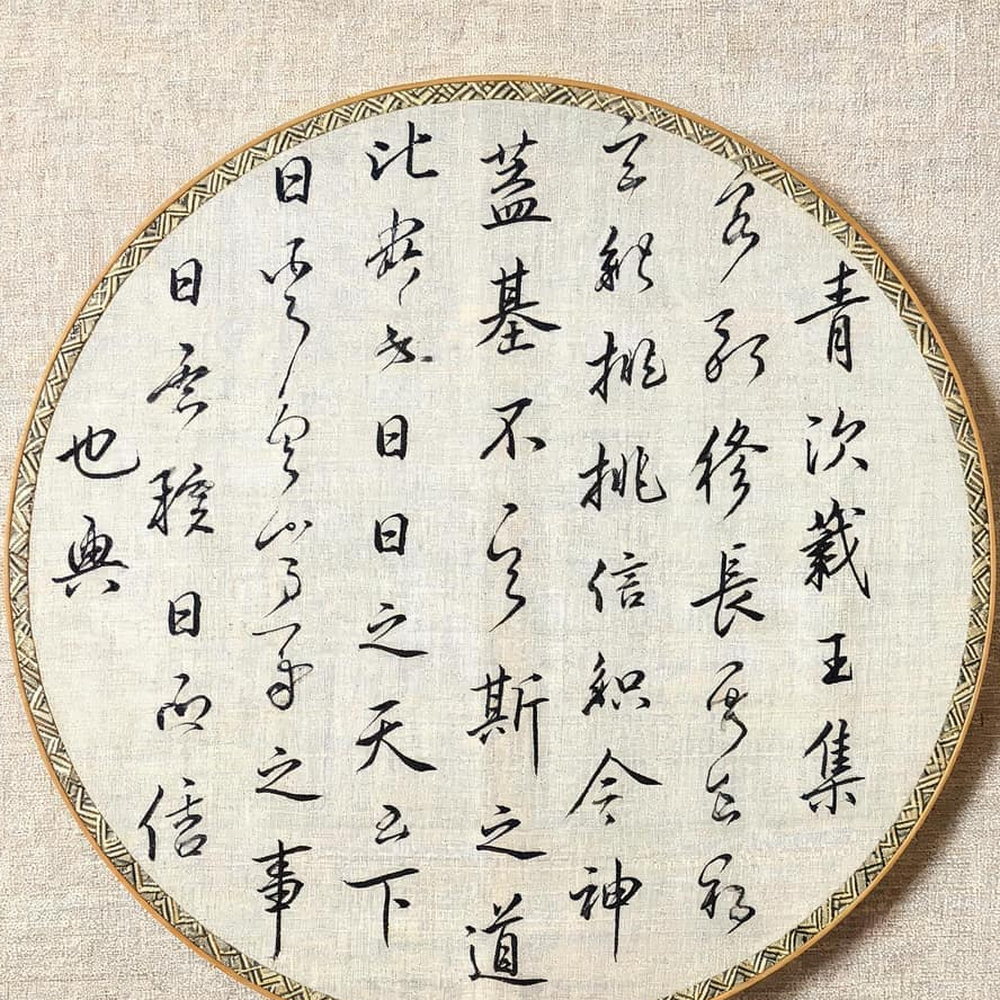 Craft
Write out a line you love, mount it, and hang it in your own room
Case: Write out a line you love, mount it, and hang it in your own room
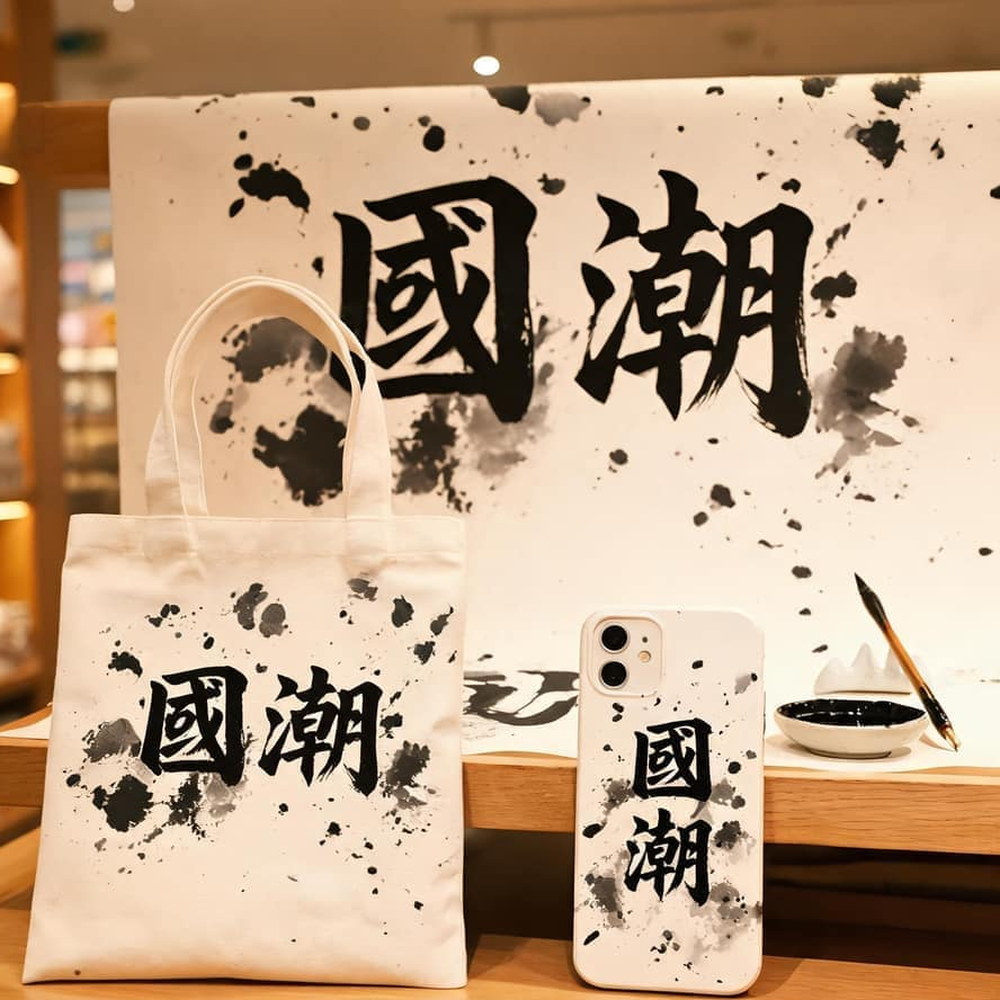 Costume
Running and cursive characters on a case or a bag — peace, smooth going, that sort of thing.
Case: Running and cursive characters on a case or a bag — peace, smooth going, that sort of thing.
 Experience
From zero to a piece worth showing — quietly satisfying
Case: From zero to a piece worth showing — quietly satisfying
← Scroll sideways for more →
Links lead to third-party marketplaces. This site has no promotional relationship with them.
Travel proposals · Meet the custom in its real setting
← Scroll sideways for more →
Related customs
← Scroll sideways for more →
Fact-checked October 2026 · every citation traceable
Primary sources are Chinese-language publications, cited for traceability. Bodies without a standard English name are listed by domain.