Folk artsKunshan, Jiangsu
Kunqu Opera
The 'ancestor of a hundred operas' and the oldest surviving form of Chinese opera, celebrated for its supple, refined delivery.
The 'ancestor of a hundred operas' and the oldest surviving form of Chinese opera, celebrated for its supple, refined delivery.
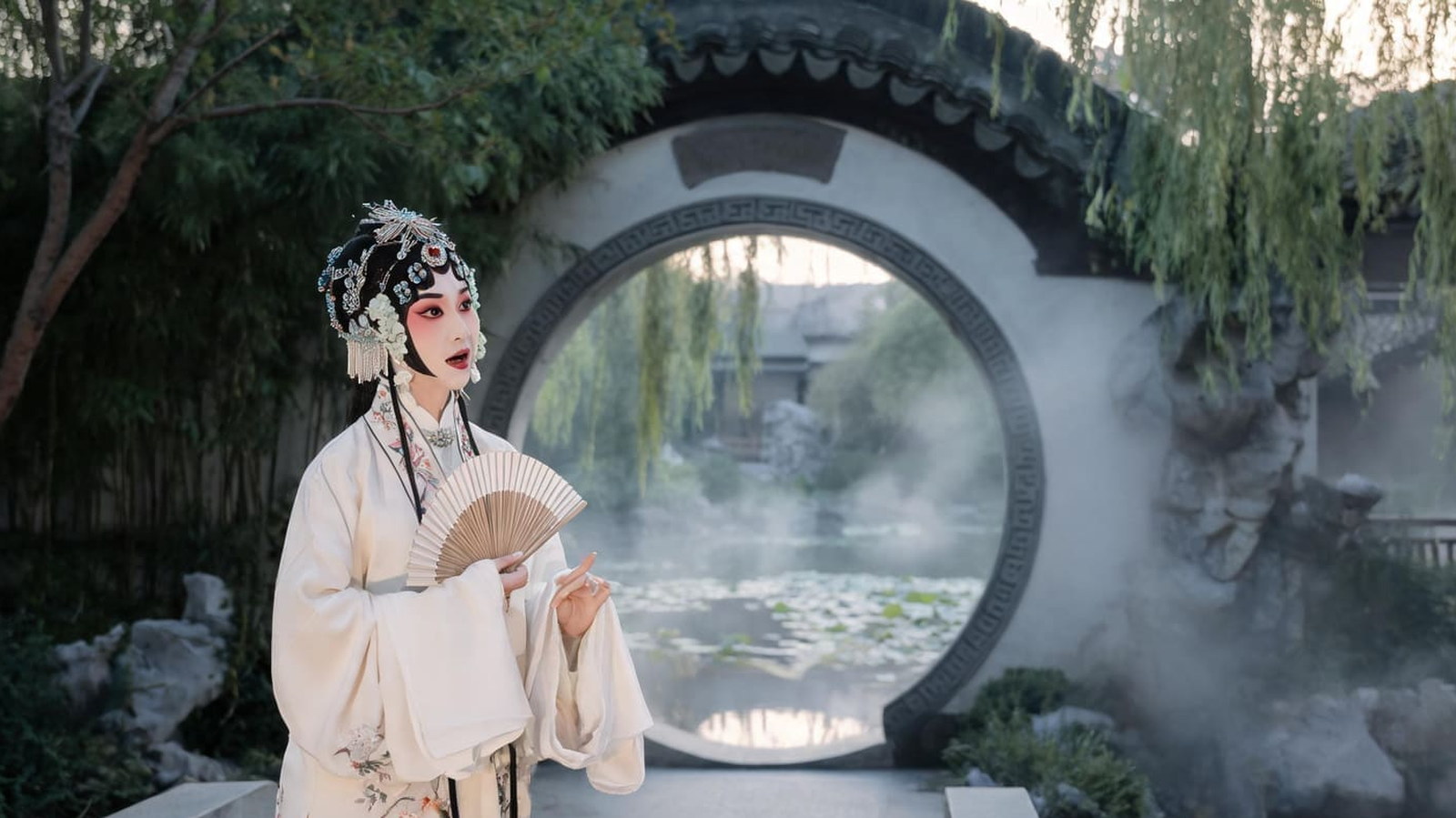
On the waterside pavilion of a Suzhou garden the flute sounds three times, Du Liniang lifts a water sleeve, and the water-milled tune winds past the Taihu stones and drifts over the lotus pond. At the line 'fair days and lovely scenes — what is to be done with them?', someone behind the moon gate answers softly. There is no clangour of gongs, only an indefinable melancholy and grace, like Jiangnan rain that falls on the heart and takes a long time to dry.
Kunqu set the most reticent of Chinese feelings to six hundred years of moonlight — all that bright red and purple bloom, given over to a broken wall and a ruined well.
Traditions, echoed by a new generation
Kunqu is the grandparent of Chinese opera: a tune of three sighs, milled fine, with a love story in The Peony Pavilion more romantic than any television romance.
One flick of a water sleeve, one turn of the eye, and the Suzhou accent of a century ago is audible in the aria
'See how the bright red and purple bloom everywhere' — the text is as beautiful as poetry, and hooks on the first hearing
The youth version of The Peony Pavilion won over a generation; at six hundred, Kunqu is young again
History · Customs · Cultural meaning
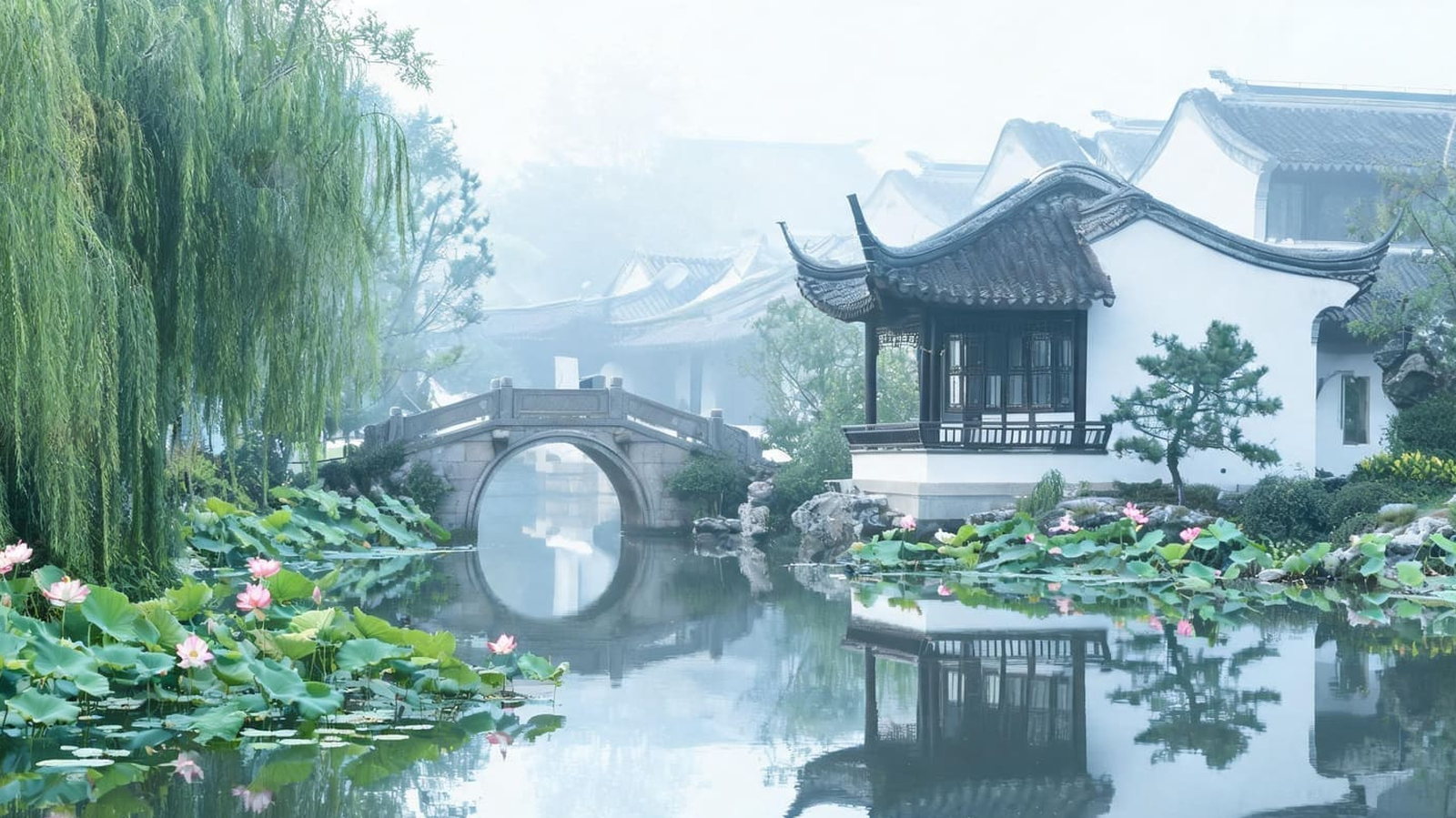 Kunqu Opera · Historical Origins
One continuous line · back to the source
Kunqu arose around Kunshan in Jiangsu at the end of the Yuan and the beginning of the Ming, developing out of the Kunshan tune. In the Jiajing reign of the Ming, Wei Liangfu reformed that tune, drawing on the strengths of both northern and southern music to create the 'water-milled' style. Liang Chenyu's Washing the Silken Gauze was the first chuanqi play sung in the Kun mode. Kunqu then spread across the country and became the most influential theatrical form of the Ming and Qing.
Kunqu Opera · Customs and Practice
Seasonal rites · everyday life
Kunqu performance is fine-grained and expressive, its singing supple and long-breathed — hence 'water-milled tune'. The ensemble is led by the qudi flute, with sheng, xiao and pipa in support. The classic repertoire includes The Peony Pavilion, The Palace of Eternal Life, The Peach Blossom Fan and Washing the Silken Gauze. Kunqu fuses song, speech, movement and martial technique, and its influence on Peking opera and on the many regional forms that followed has been profound.
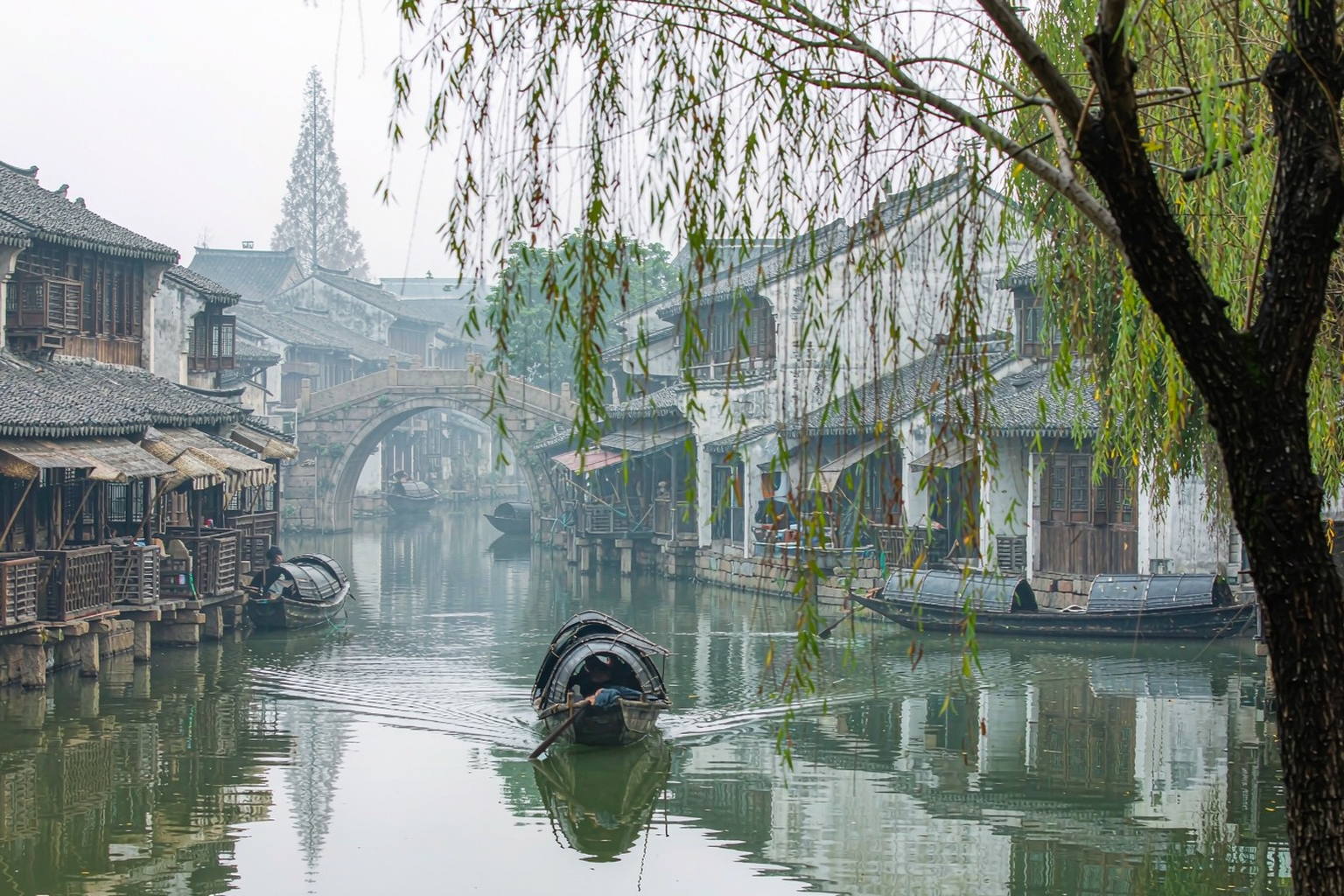 Kunqu Opera · Cultural Significance
What the heart turns toward · handed down through generations
Kunqu is the high point of Chinese theatrical art. In 2001 UNESCO proclaimed it among the first Masterpieces of the Oral and Intangible Heritage of Humanity — the first Chinese art form to receive the distinction.
To admire and to use · Tradition in everyday life
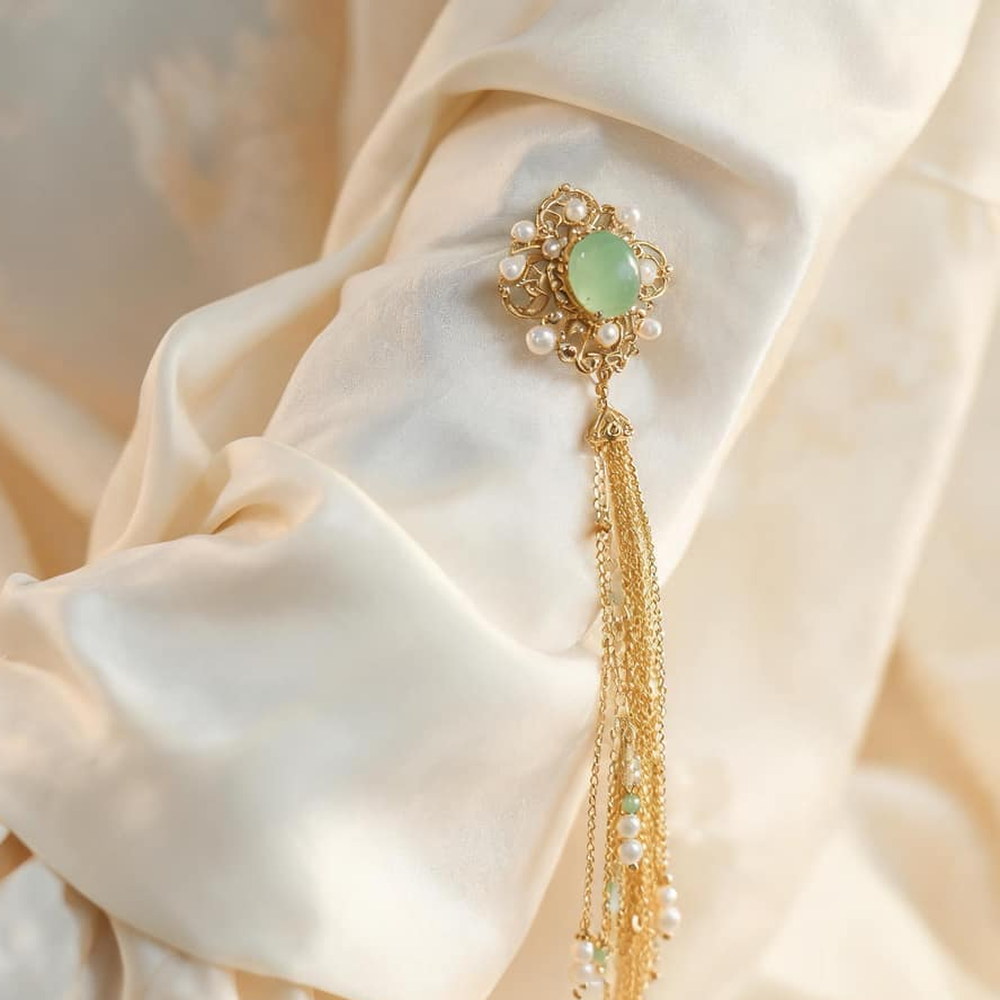 Craft
Peony Pavilion and Zaoluopao motifs in restrained new-Chinese accessories
Case: Peony Pavilion and Zaoluopao motifs in restrained new-Chinese accessories
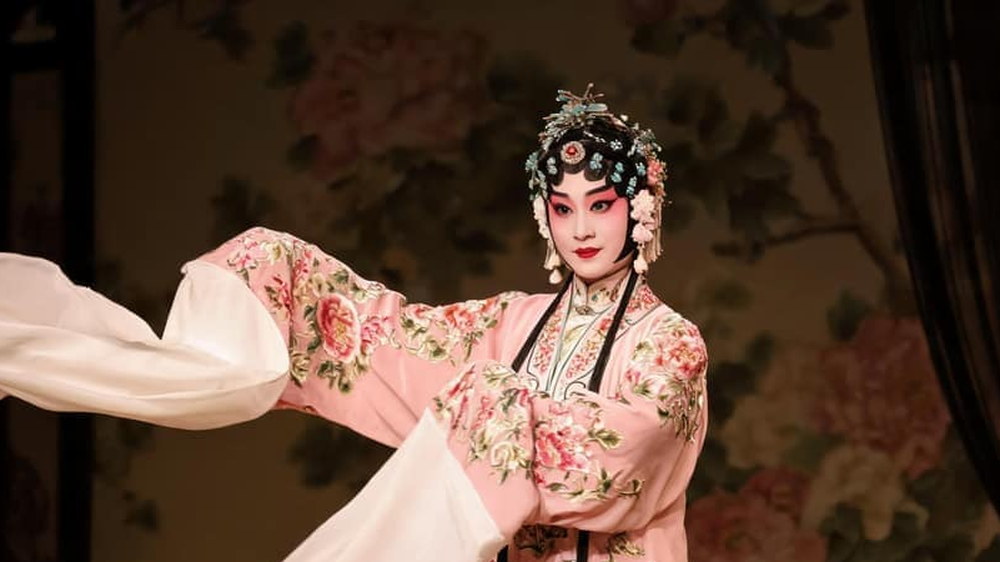 Experience
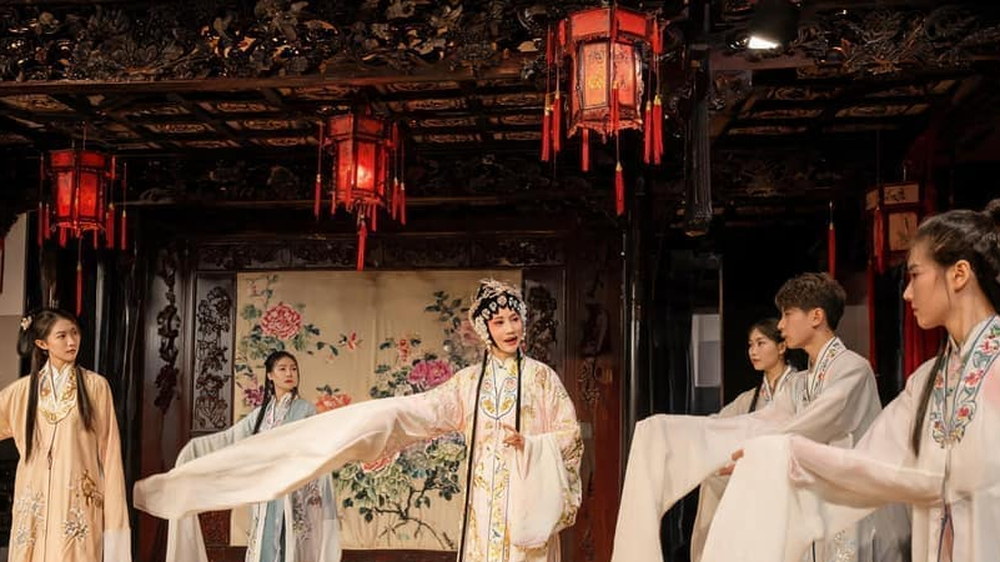
Hear the water-milled tune live and watch the sleeves fly — one look and you are in
Case: Hear the water-milled tune live and watch the sleeves fly — one look and you are in
 Experience
Learn one line — 'fair days and lovely scenes' — and throw a water sleeve once
Case: Learn one line — 'fair days and lovely scenes' — and throw a water sleeve once
 Costume
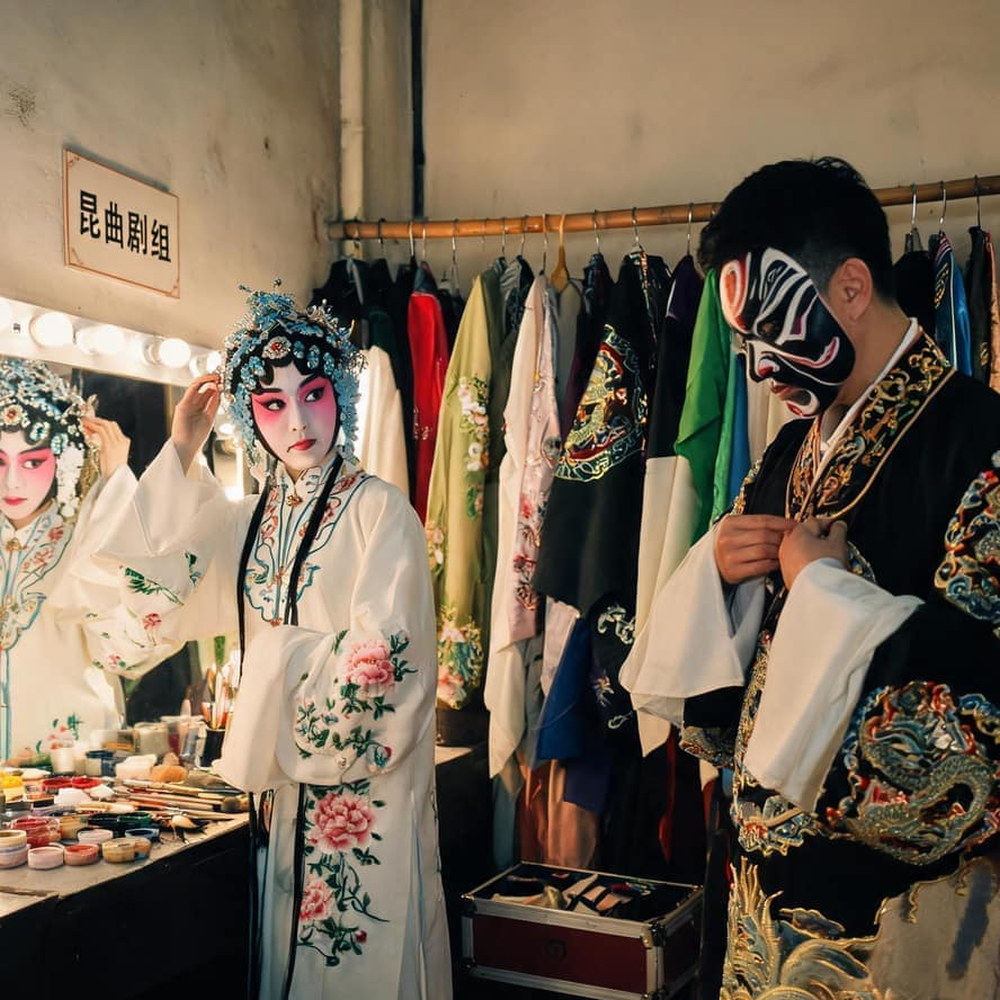
Face-framing pieces and kingfisher-feather ornaments: play Du Liniang once and stop the feed
Case: Face-framing pieces and kingfisher-feather ornaments: play Du Liniang once and stop the feed
 Digital
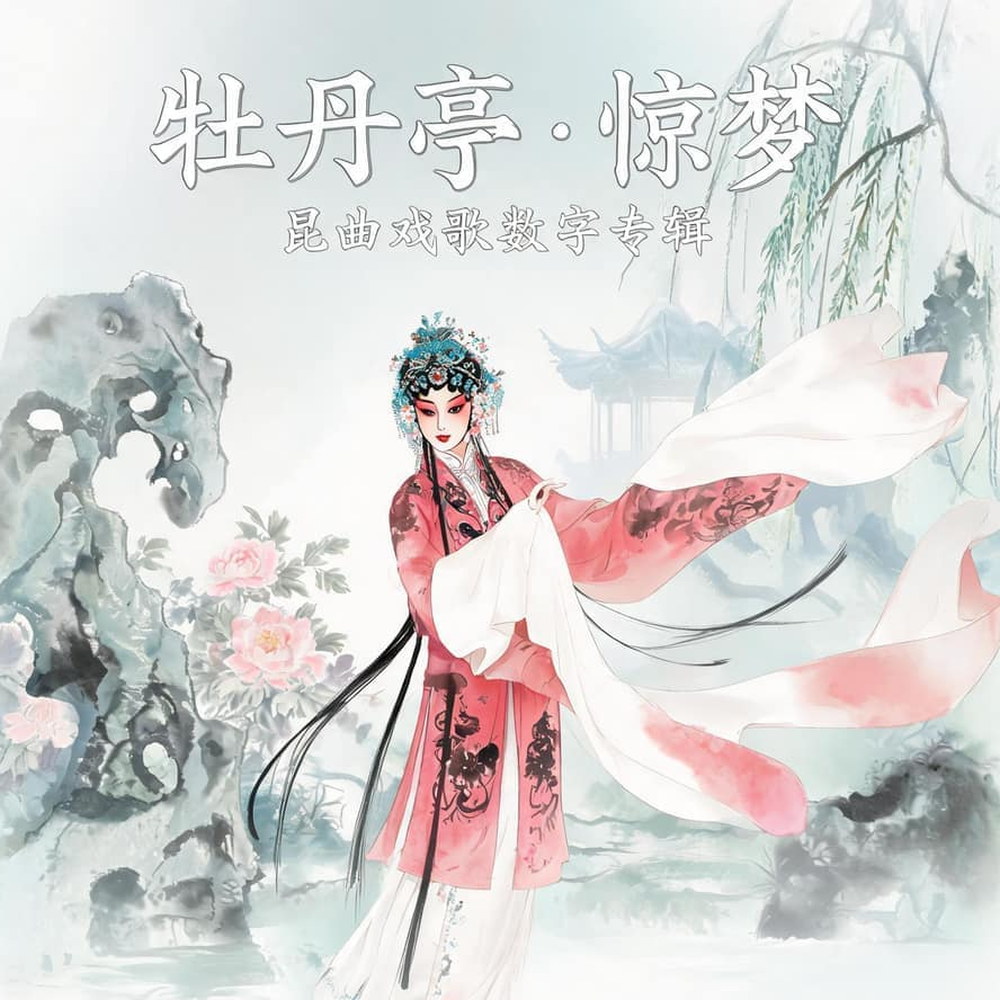
Eastern grace on the commute, with a theatrical catch that stays
Case: Eastern grace on the commute, with a theatrical catch that stays
← Scroll sideways for more →
Links lead to third-party marketplaces. This site has no promotional relationship with them.
Travel proposals · Meet the custom in its real setting
← Scroll sideways for more →
Related customs
← Scroll sideways for more →
Fact-checked October 2026 · every citation traceable
Primary sources are Chinese-language publications, cited for traceability. Bodies without a standard English name are listed by domain.