FestivalChaoshan, Guangdong
Ying Laoye of Chaoshan
The great god procession of the first lunar month in eastern Guangdong: images carried through the parish, drums clearing the way, a custom the whole community turns out for.
The great god procession of the first lunar month in eastern Guangdong: images carried through the parish, drums clearing the way, a custom the whole community turns out for.
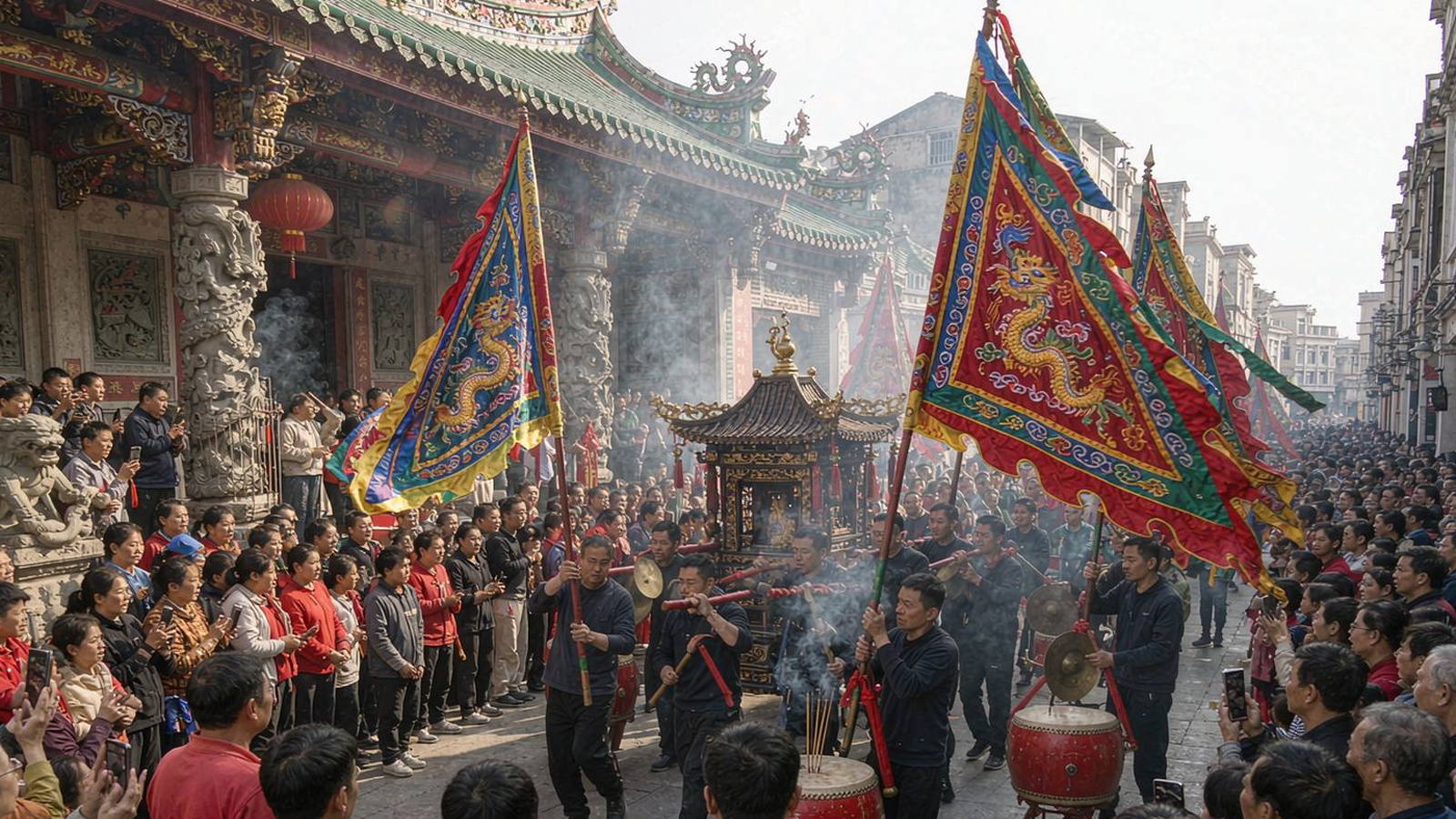
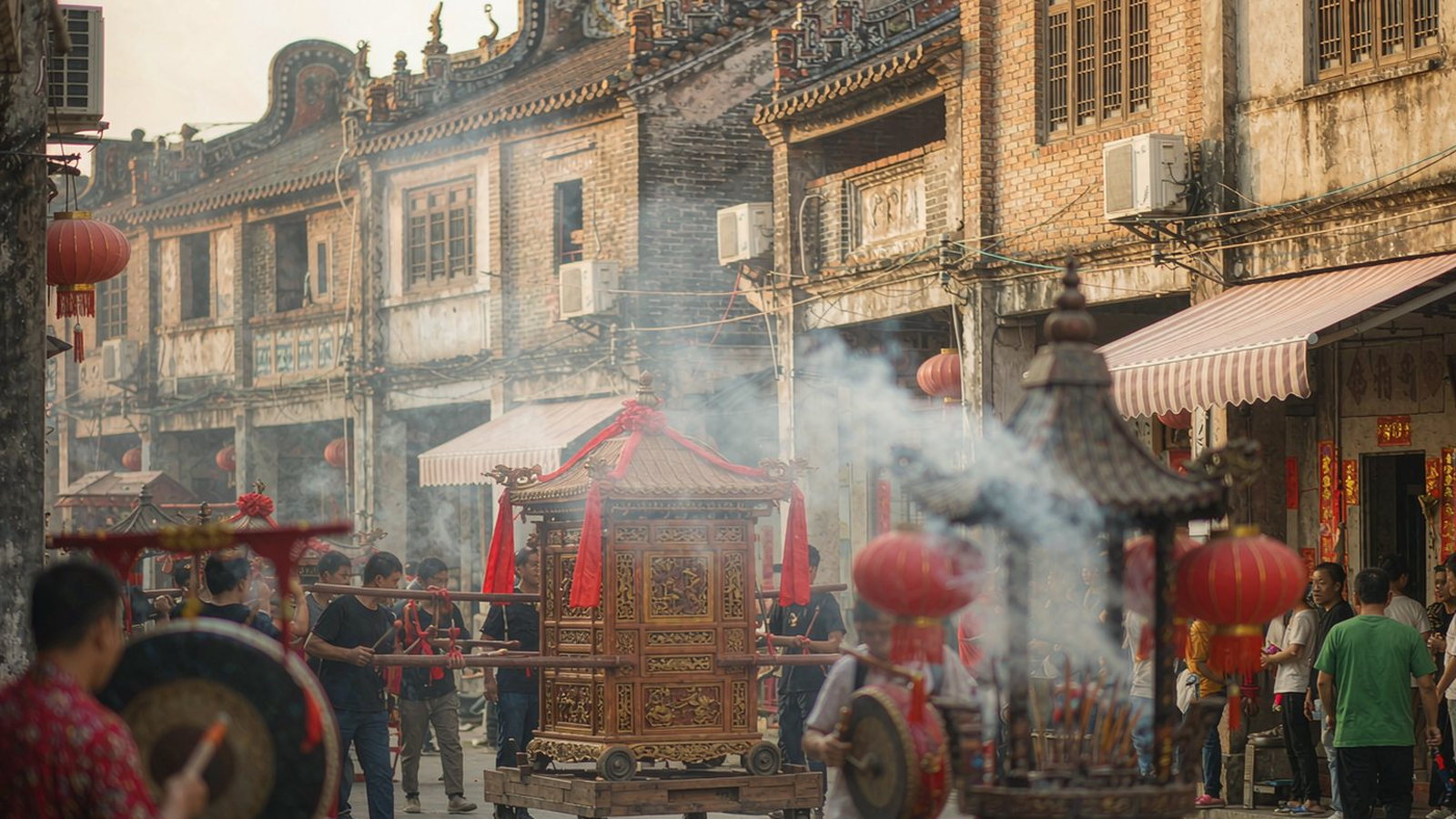
Well before full light the square in front of the ancestral hall is crowded. At the first stroke of the horse-head gong the young men lift the palanquin and burst out of the temple gate; banner flags fly and the big drums shake the ground underfoot. Old people press their palms together, children ride their fathers' shoulders to see, and incense tables run from one end of the lane to the other. When the god passes your door, blessing enters the house.
Where the Lord has passed, people gather as one.
Traditions, echoed by a new generation
The Chaoshan processions that keep trending in short video are in fact a whole set of community rites several centuries old.
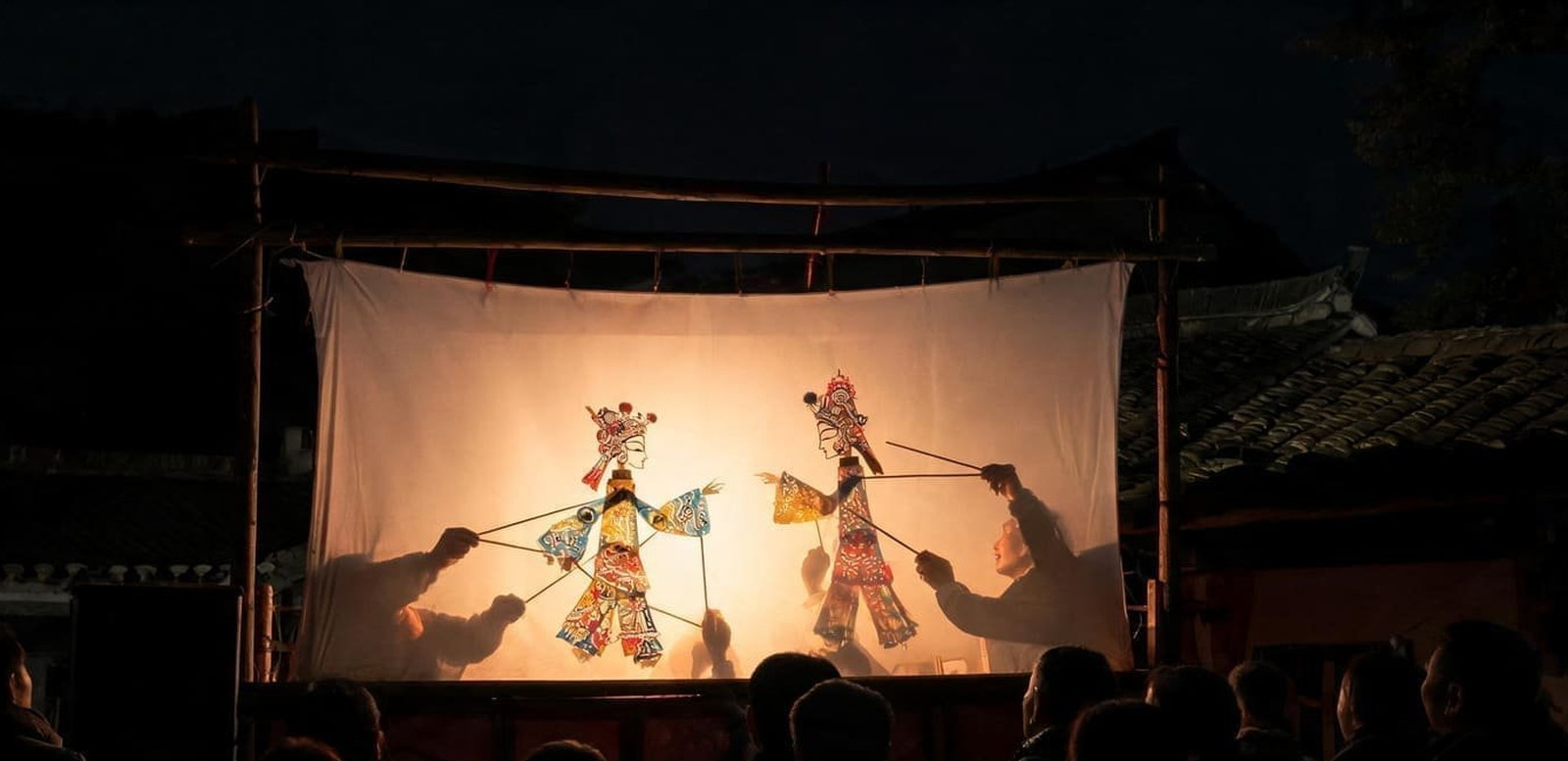
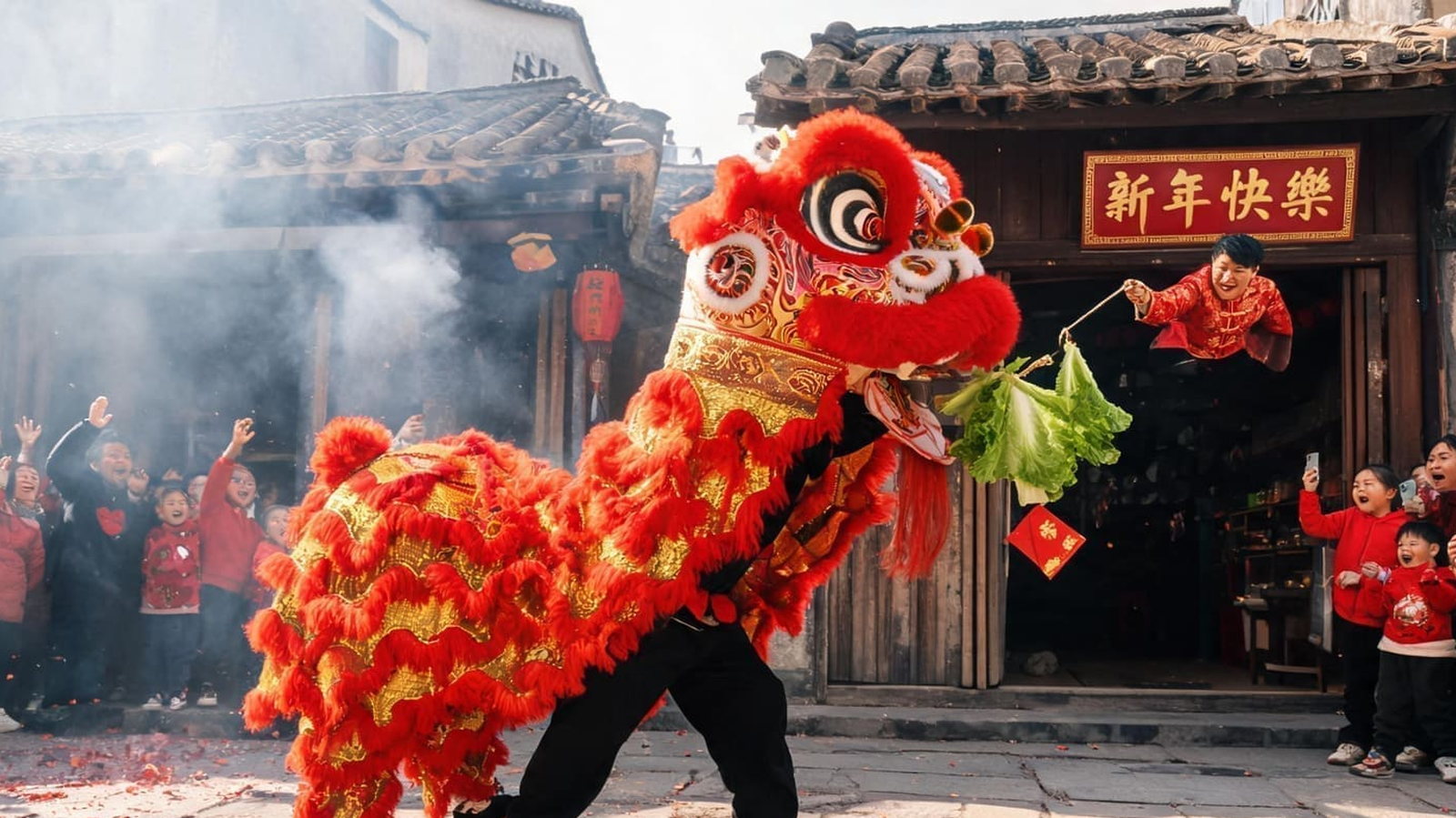
Yingge dance, Chaozhou big drum and gong, and the banner corps in one place: the full repertory of Chaoshan folk art at once
Wherever the palanquin goes, neighbours set out incense tables and firecrackers — behind the noise lies a whole year of mutual obligation
Chaoshan people from overseas come home specially to carry the palanquin; the procession is where they confirm who they are
History · Customs · Cultural meaning
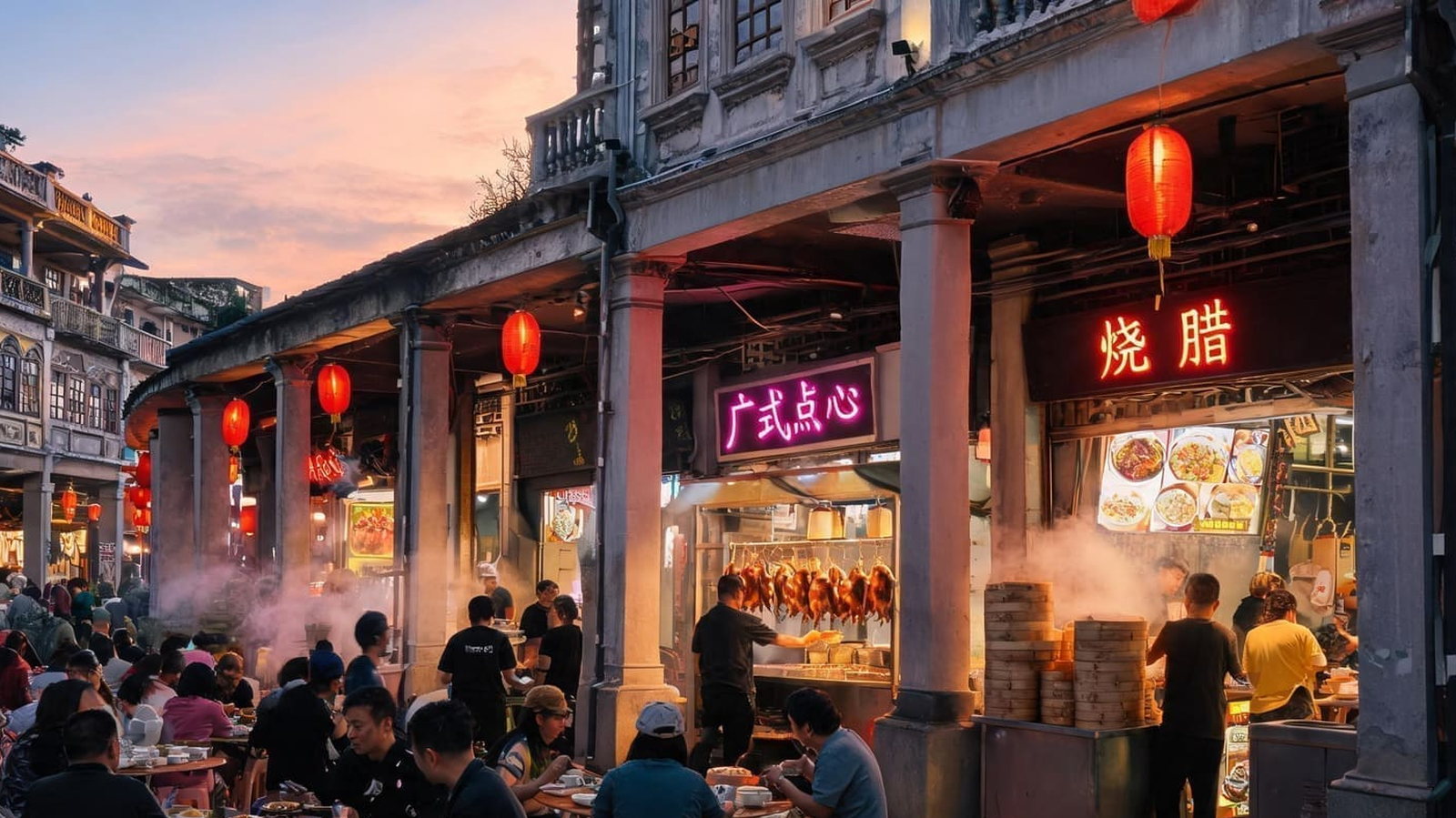 Ying Laoye of Chaoshan · Origins
One line of descent · tracing the root
Ying laoye is the god-procession custom of the Chaoshan region of Guangdong. 'Laoye', the Lord, is the local honorific for a tutelary deity, and 'ying' preserves in the dialect its old Chinese sense of touring or circling a parish: carrying the image in procession around the villages. It descends from the offering to the earth god between village wards, and keeps something of the ancient spring prayer; the dates fall in the first and second lunar months, which is why Chaoshan has the saying 'gods are carried in the first and second months'.
The ancestors of the Chaoshan people came south largely from the Central Plain, and the old rite of greeting the gods at the spring sacrifice came with them, merging with local belief. Suspended for a time in the last century, the processions resumed after reform and opening, and in recent years the scale has grown year by year. In 2015 ying laoye was inscribed on the provincial intangible cultural heritage list of Guangdong.
Ying Laoye of Chaoshan · Customs
Seasonal rites · the life of people
A full ying laoye has three stages: inviting the Lord, when village elders bring the image from the temple onto the palanquin; worshipping the Lord, when villagers come to the god ground with the three sacrificial offerings, rice cakes and braised goose; and carrying the Lord, when the palanquin tours every lane of the village before the god is escorted back to the temple. The escort forms up in order: horse-head gong, the 'silence' and 'make way' placards, banner flags, Chaozhou big drum and gong, Yingge dance, dragon and lion.
Processions are either civil or martial. The civil form leads with the escort and walks every lane, circling the boundary of the community once. The martial form is rougher: the 'god dragging' of Yanzao in Chenghai, the 'god binding' and 'god pounding' of Woshi in Chao'an, and the 'running the god' in which the palanquin is carried over a fire are all of this kind. Yingge dance takes its plot from the Liangshan heroes attacking the Daming prefecture at the Lantern Festival; the dancers paint their faces as those heroes, build on southern boxing, and strike wooden sticks against each other with formidable force.
Ying Laoye of Chaoshan · Cultural meaning
What the heart turns to · handed down through generations
In Chaoshan, ying laoye was never only a sacrifice. Those who work away come home for the day, each branch of each clan contributes men and money, and clan and neighbourhood are bound together again in the same rite; the crafts of Chaozhou big drum and gong, Yingge dance, embroidered banner flags, gold-lacquer wood carving and rice-cake making are handed down through this yearly rehearsal and performance.
The custom travelled with Chaoshan people overseas: the procession at the Johor Ancient Temple in Malaysia is more than a century old and draws participants by the hundred thousand. For Chaoshan people today, ying laoye is both a blessing and a public statement of identity — the celebration comes from somewhere, and so do the people.
To admire and to use · Tradition in everyday life
 Craft
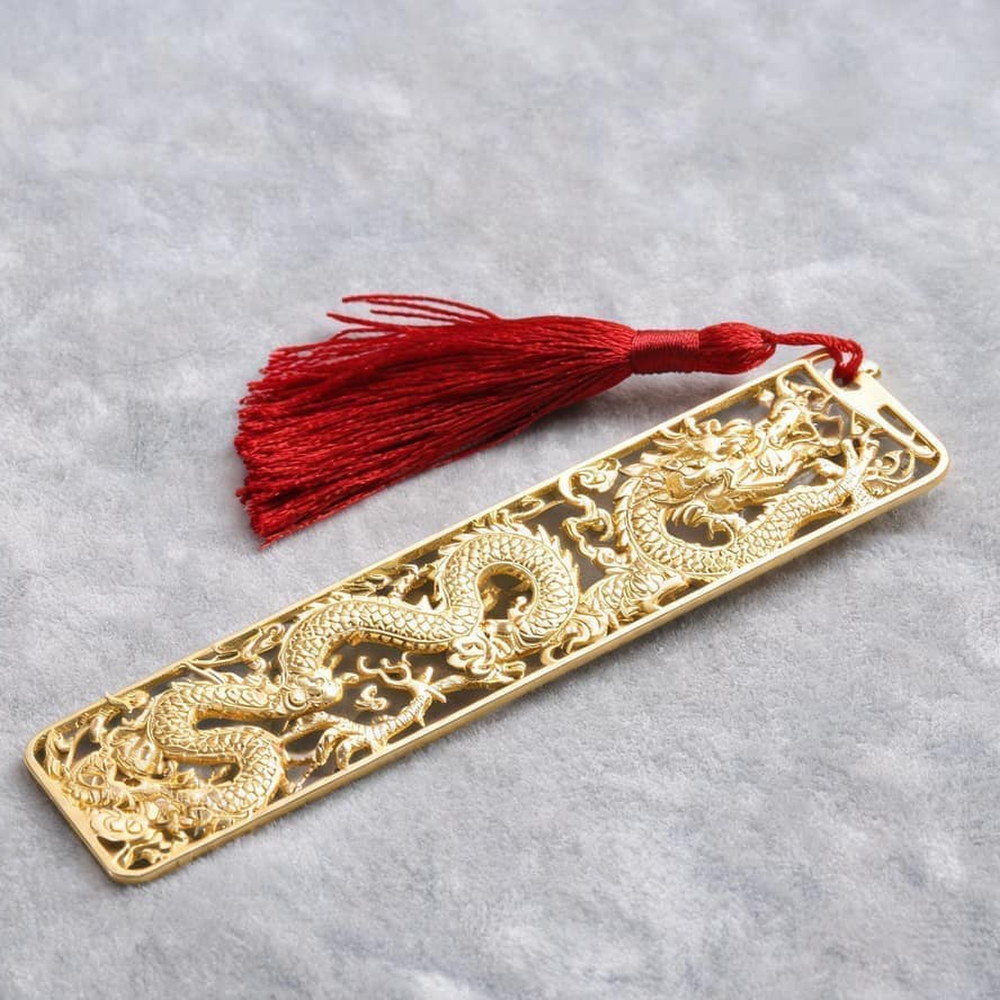
A craft written on paper, Chaoshan pressed between the pages
Case: Openwork gold-lacquer carving shrunk to bookmark size: heritage you can use every day
 Craft
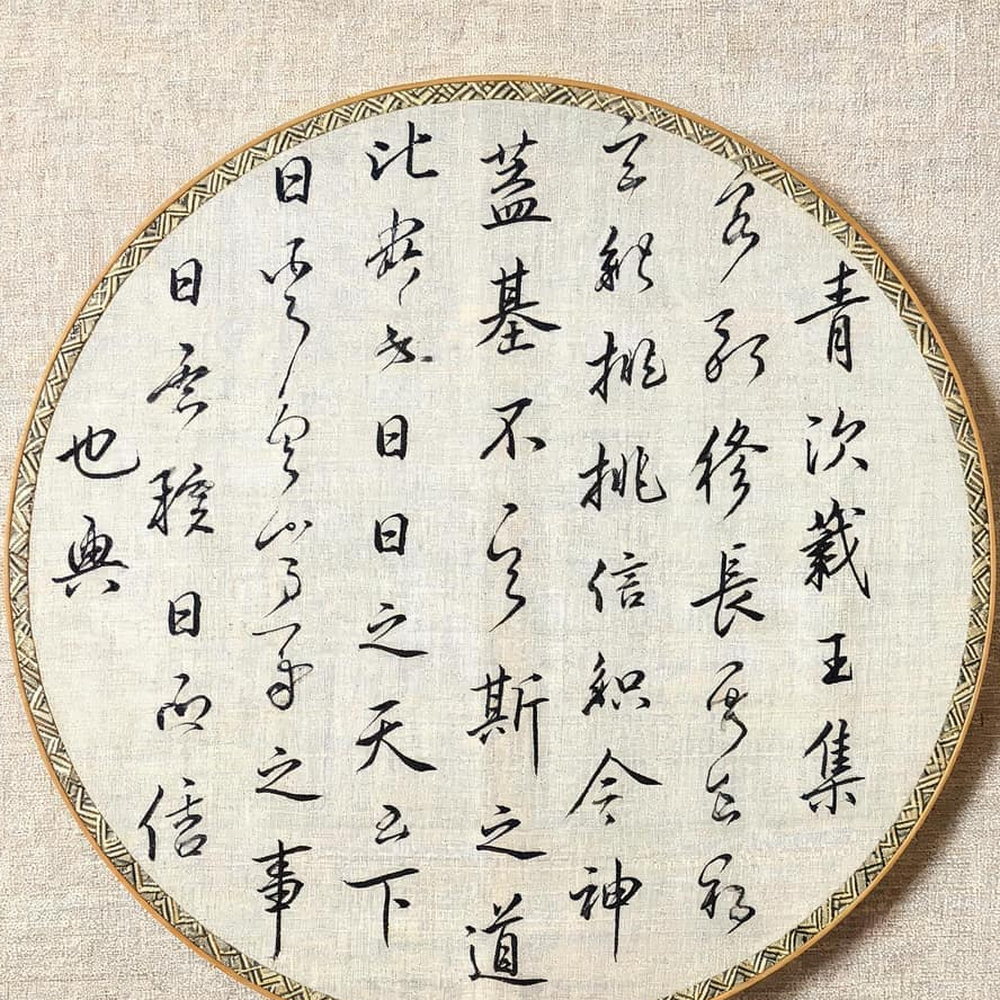
One fan holds half of Chaozhou
Case: Inscription with a lacquer painting; more and more people fan themselves at the processions
 Craft
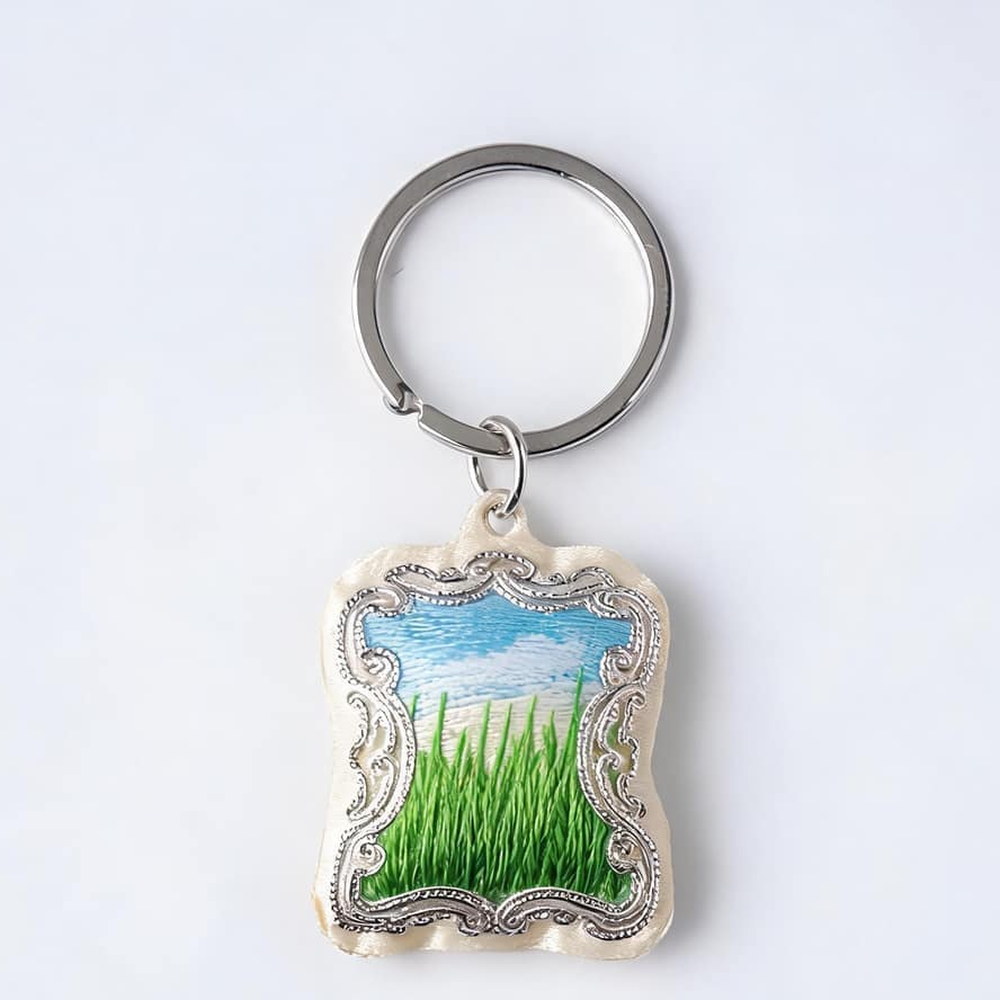
Hang the procession from your bag
Case: Banner patterns made into a charm: support you can carry
 Costume
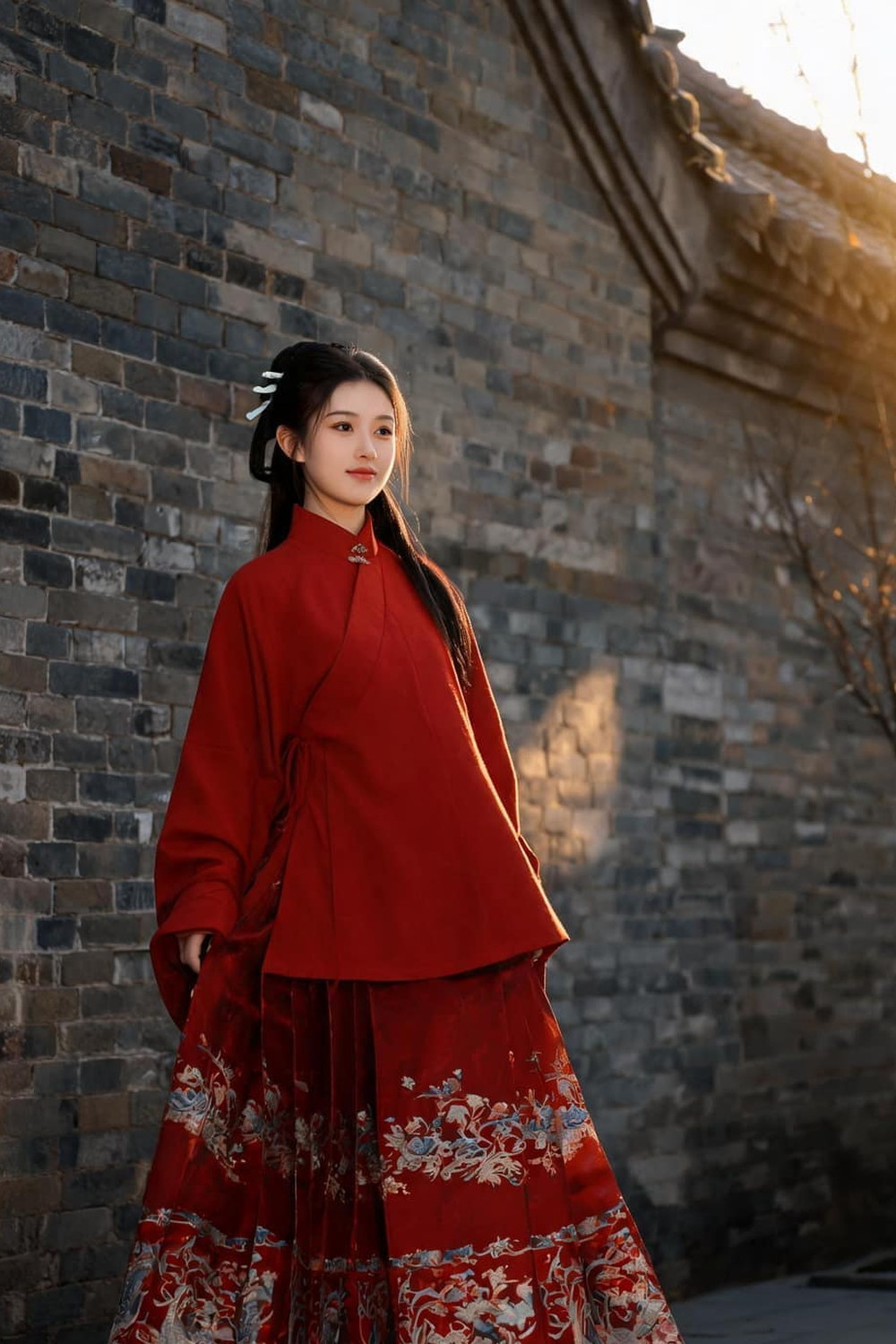
Cinnabar red with woven gold: the best thing to wear to a procession
Case: Stand in the column and the red skirt matches the banners
 Home
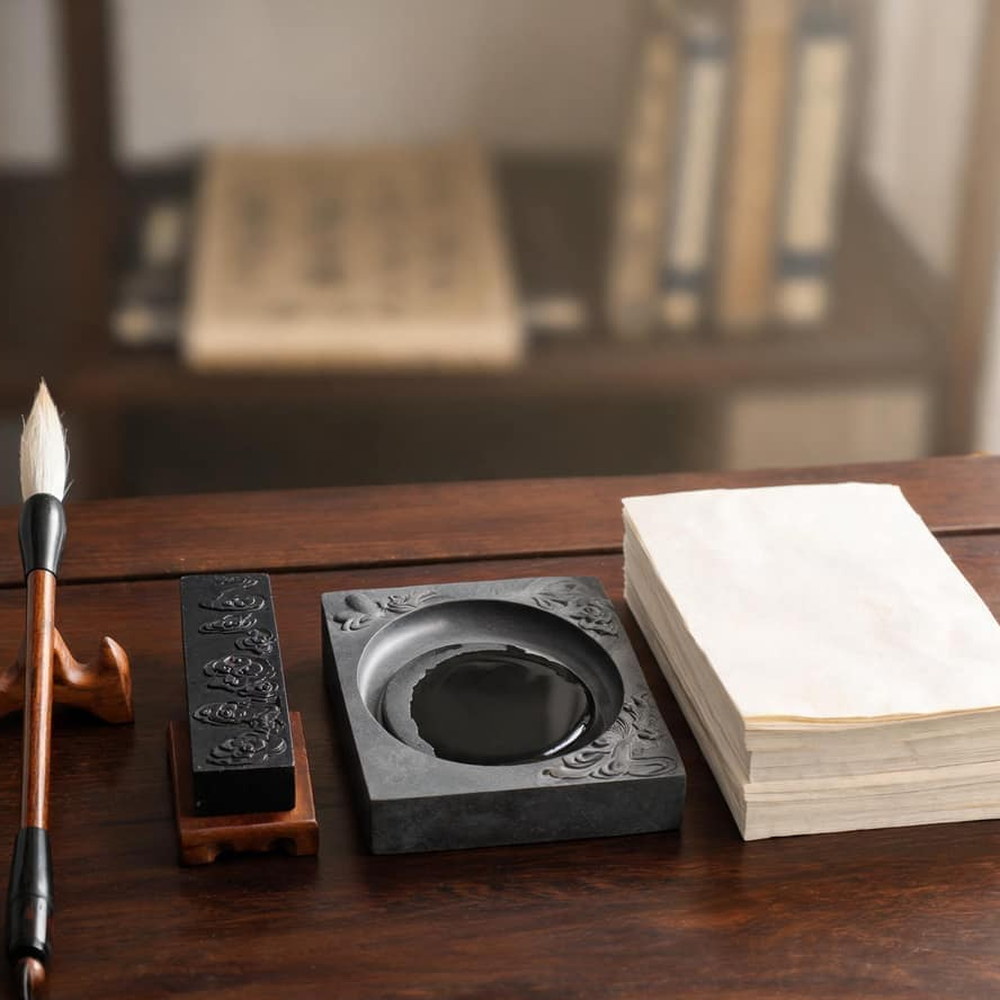
The time it takes to drink one cup is the everyday rhythm of Chaoshan
Case: After the procession, sit down and take a cup of tea
← Scroll sideways for more →
Links lead to third-party marketplaces. This site has no promotional relationship with them.
Travel proposals · Meet the custom in its real setting
← Scroll sideways for more →
Related customs
← Scroll sideways for more →
Fact-checked October 2026 · every citation traceable
Primary sources are Chinese-language publications, cited for traceability. Bodies without a standard English name are listed by domain.