Festival customsNationwide
The Winter Solstice
The day with the year's shortest daylight — and for the Chinese a major date for ancestor offerings, family reunion, and counting the nines toward spring.
The day with the year's shortest daylight — and for the Chinese a major date for ancestor offerings, family reunion, and counting the nines toward spring.
On the solstice night, in northern homes the rolling pin sounds on the chopping board and the pot's steam fogs the window glass; in Suzhou's old lanes, winter-brewed wine is opened and its sweet osmanthus scent spreads; outside the mutton-soup shops of Sichuan and Chongqing the queues run long. On the year's longest night, people usher spring indoors early — with a meal, a bowl of wine, and a bare plum branch waiting to be inked petal by petal.
The longest night, the warmest meal.
Traditions, echoed by a new generation
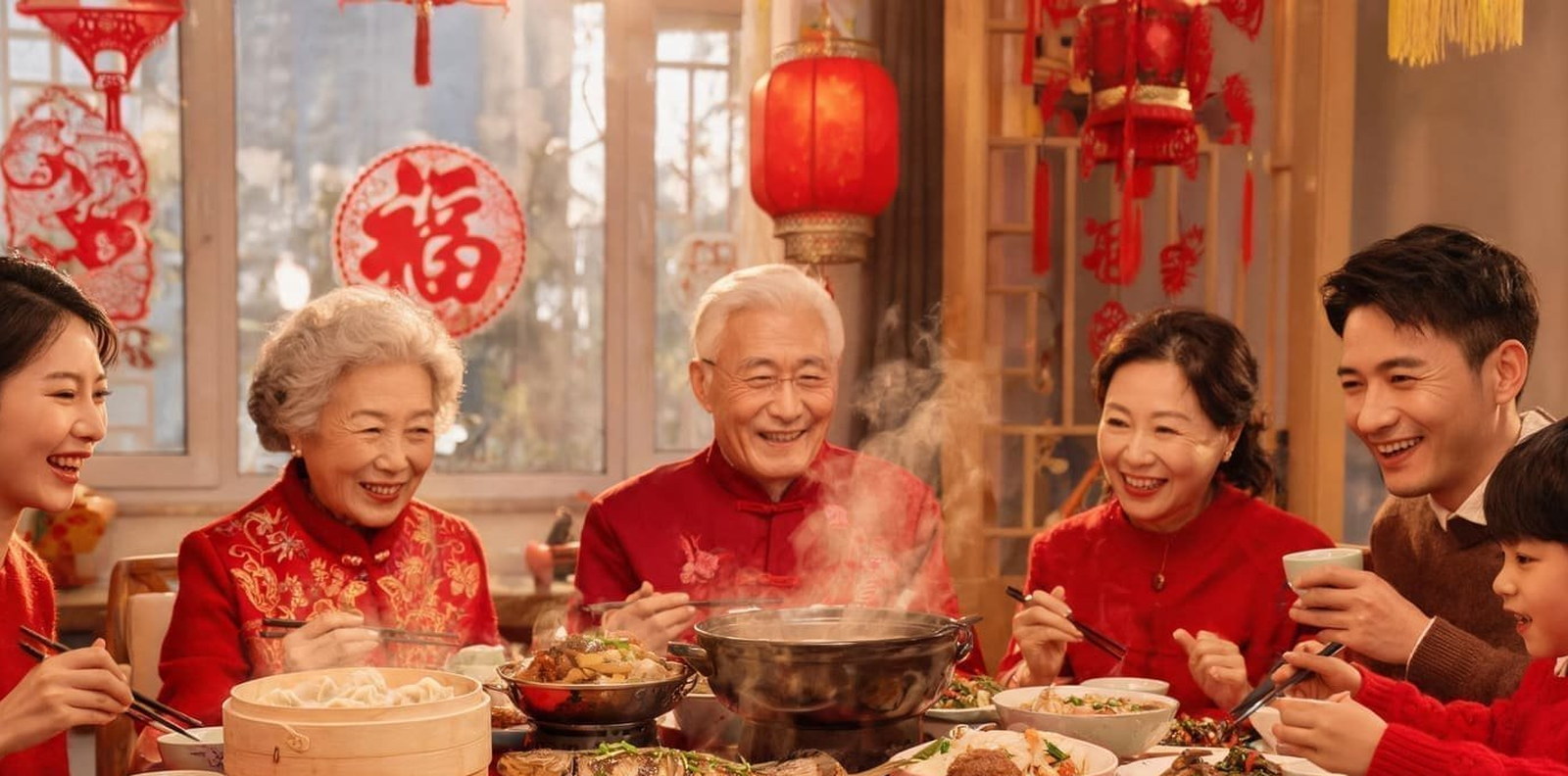
'The solstice is as great as the New Year' is no polite turn of phrase — it is a day written in the sundial's shadow, and the year's most legitimate reason to go home for dinner.
Northern dumplings, southern tangyuan, Suzhou's winter-brewed wine, Sichuan mutton soup — one map of how China eats the solstice
The 'nine nines, dispelling cold' chart takes one stroke a day; when the eighty-first is done, spring has arrived — the ancients' countdown calendar
The counting-nines rhyme hums itself; weather signs and farm work packed into a few catchy lines
History · Customs · Cultural meaning
The Winter Solstice · Origins
One current, traced to its source
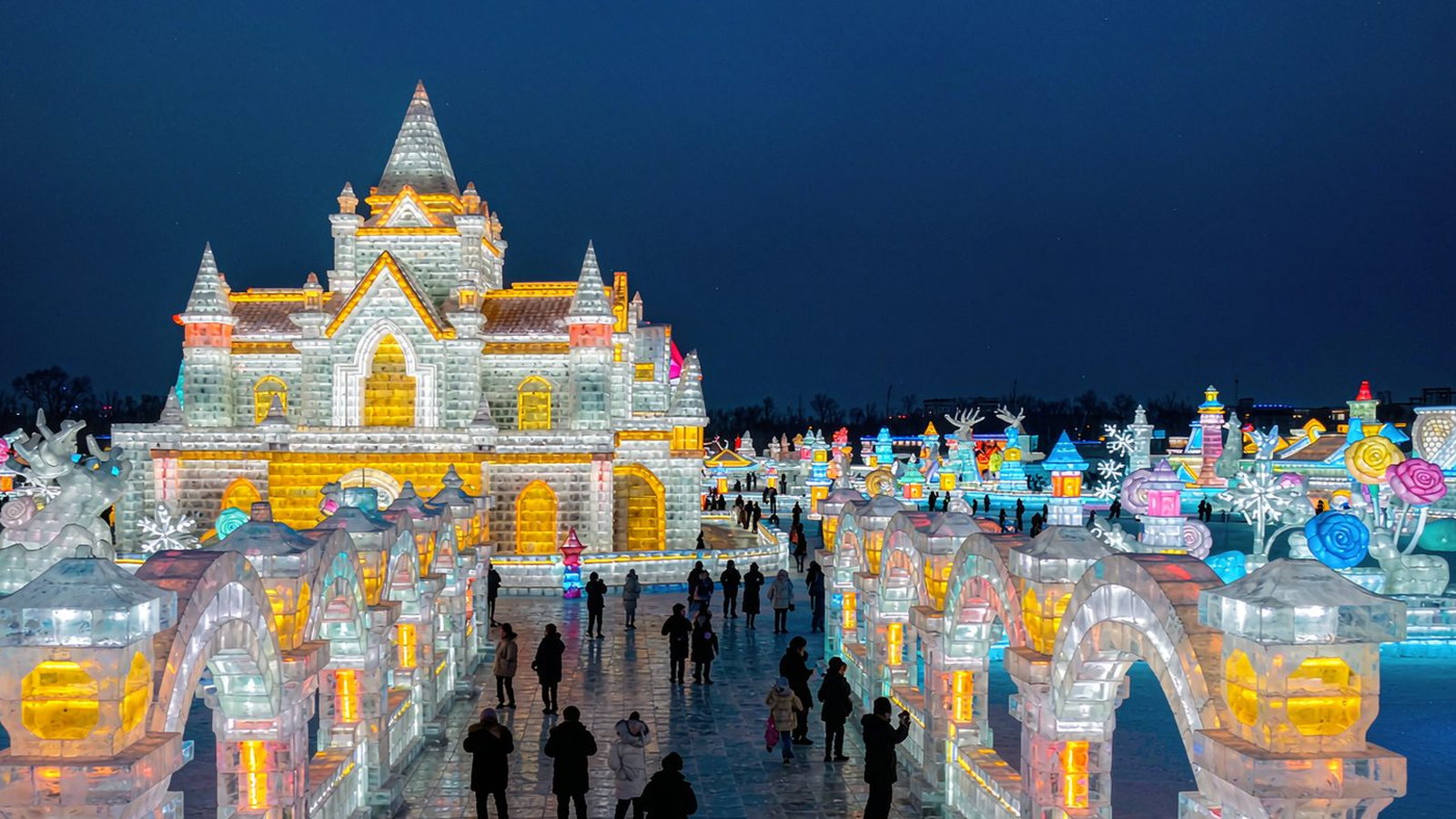
The winter solstice was among the first of the twenty-four solar terms to be fixed. On this day the sun stands nearly overhead at the Tropic of Capricorn: the northern hemisphere's shortest day and longest night; afterwards the shadows lengthen again, and the ancients said 'at the solstice the yang is born' — the turning point of light's return. Its three pentads: earthworms knot; elk shed their antlers; springs begin to stir.
For its special standing the day is also called the Winter Festival, Longest Reach, or Lesser New Year — 'the solstice is as great as the year' survives to this day. In Tang and Song times the Son of Heaven held the grand sacrifice to Heaven on this day while the people paid respects to parents and elders; from Ming and Qing on, folk customs of ancestor offerings and family feasts grew around it, and in some places the day is still kept as a festival proper.
 The Winter Solstice · The customs
Rites of the season, texture of daily life
From the solstice the 'counting of nines' begins: every nine days makes one 'nine', and when nine nines — eighty-one days — are counted, the cold is spent and spring arrives. 'In the first and second nines keep your hands in; in the third and fourth walk the ice; in the fifth and sixth watch willows along the river; at the seventh the rivers open, at the eighth the geese come; add one nine to nine-nine, and plough oxen everywhere' — versions differ by region, the phenology does not.
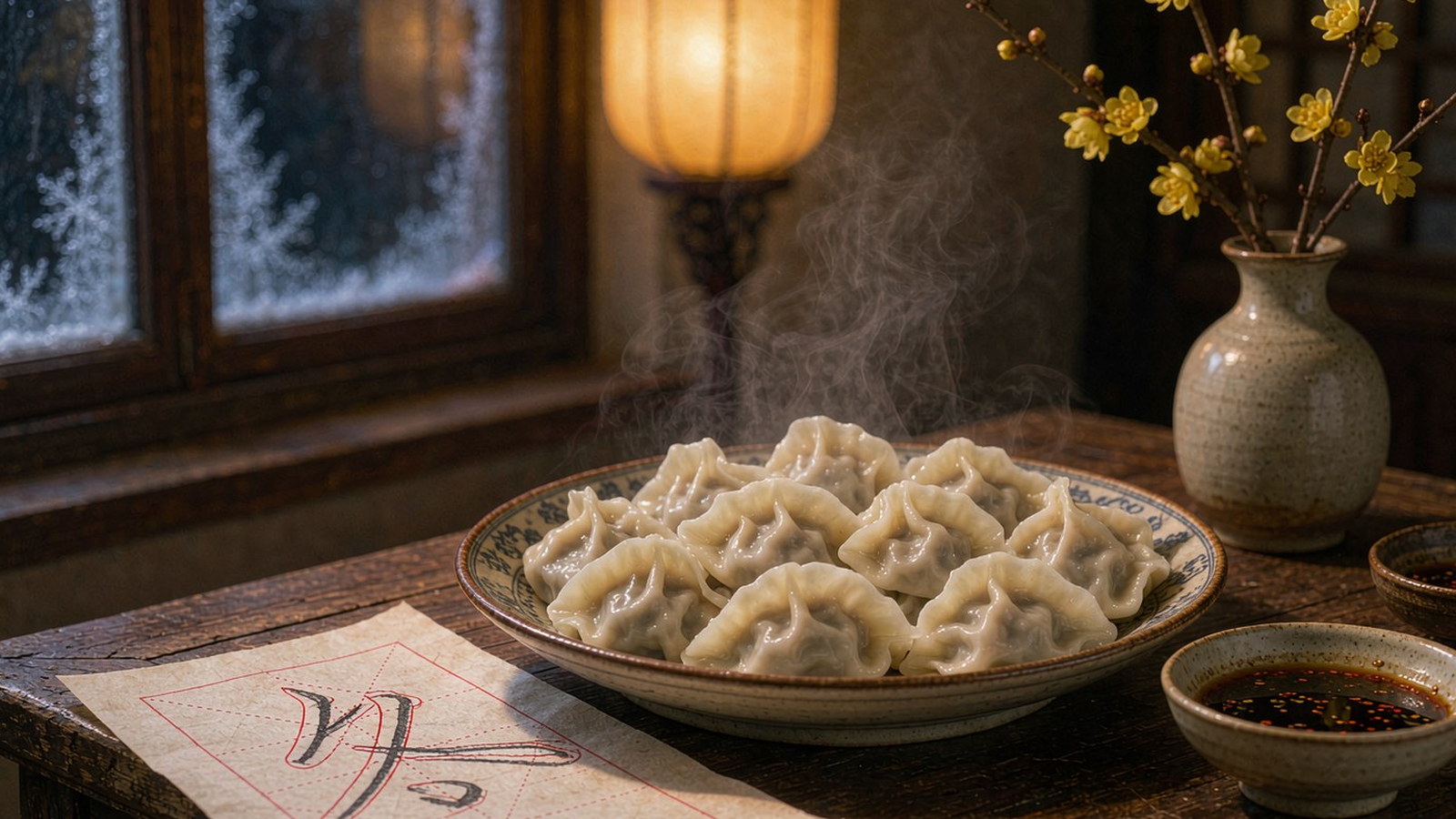
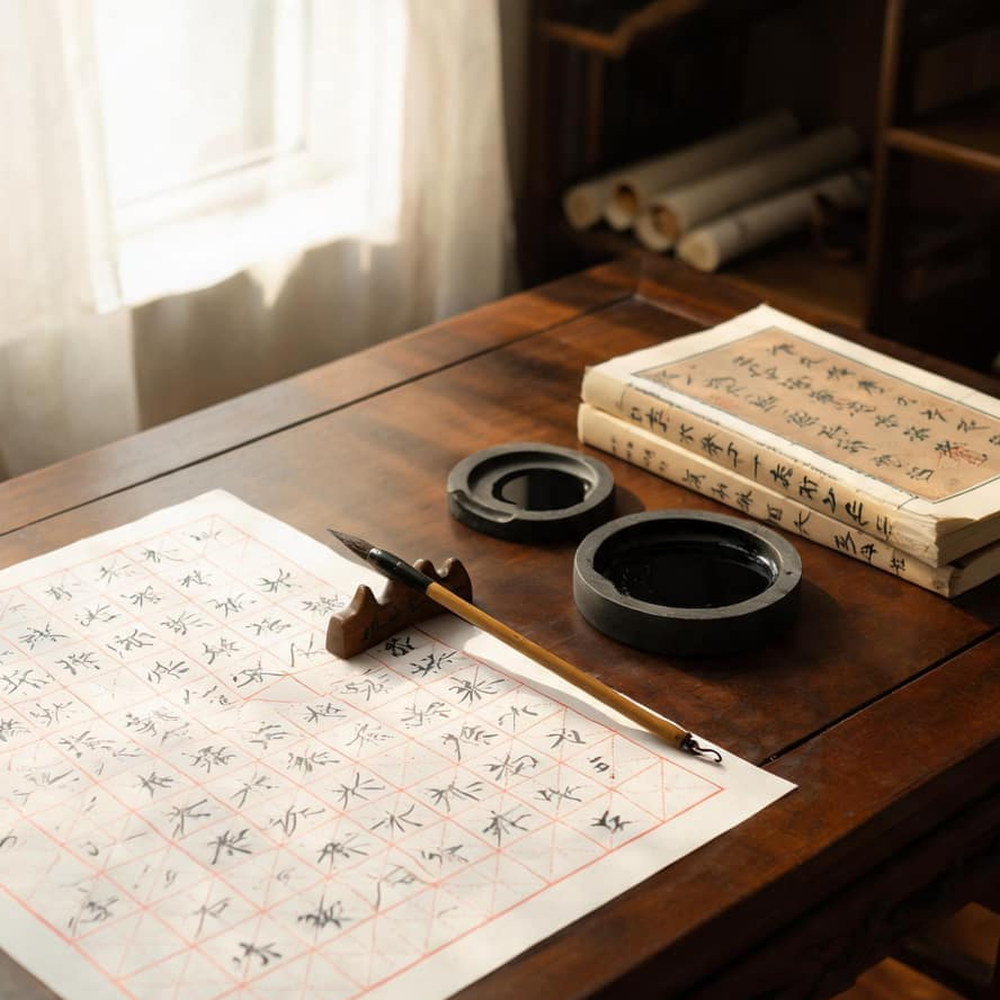
To survive the long indoor winter, the ancients kept 'nine-nines charts to dispel the cold'. The late-Ming Dijing Jingwulue records: 'On the solstice a household paints a bare plum branch of eighty-one petals; each day one petal is inked; when the petals are done the nine nines are out, and spring is deep.' The other form is traced calligraphy: nine characters — 庭前垂柳珍重待春風 (tíng qián chuí liǔ zhēn zhòng dài chūn fēng, 'before the court, drooping willows, cherish and await the spring wind') — each of nine strokes, one stroke filled daily; when the nine nines are filled, spring has returned to the earth.
 The Winter Solstice · What it means
What the heart holds, the generations pass on
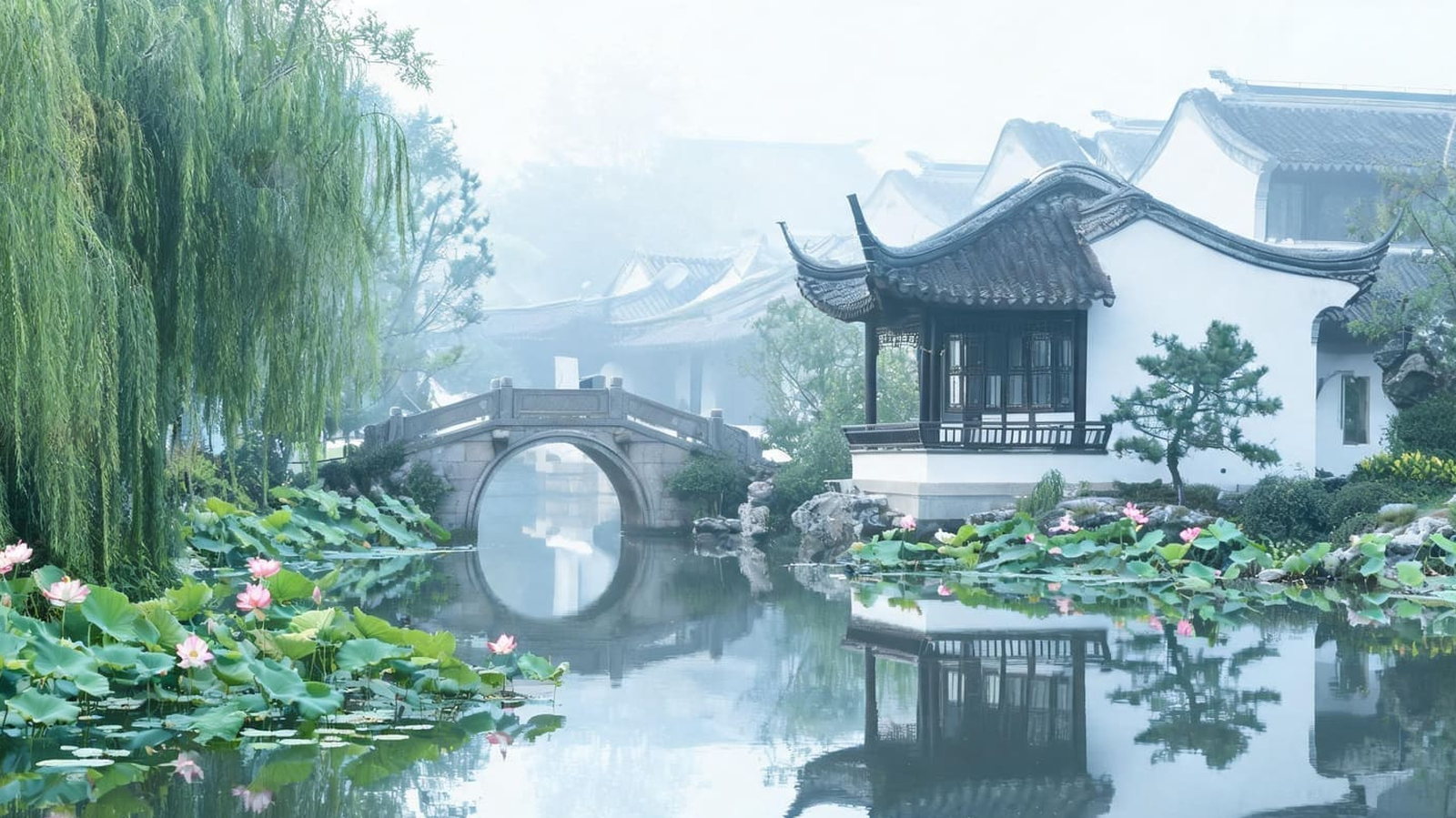
The solstice table is a north–south chorus. The north eats dumplings — 'no dumpling bowl at the solstice and no one minds your frozen ears', a saying tied to the legend of Zhang Zhongjing dispensing winter-warming medicine. The south eats tangyuan, for roundness and reunion; around Hangzhou, Jiaxing and Shaoxing it is wontons — 'wontons at the solstice, noodles at the summer solstice'. Suzhou households open winter-brewed wine scented with osmanthus, with braised beef and mutton alongside; Sichuan, Chongqing and Tengzhou in Shandong keep the mutton-soup pot; southern Fujian cooks ginger duck; Hunan cures its meats after the day, called 'solstice meat'.
The day belongs to the ancestors too. Many places sweep graves and offer sacrifice around the solstice, honouring heaven and the local earth god as well, praying for even rains in the year to come. In some coastal areas there is even the habit of storing winter ice for the ice-houses, keeping the next year's catch fresh.
To admire and to use · Tradition in everyday life
 Craft
One stroke a day — counting the winter into spring
Case: Both versions included — the nine-character tracing and the plum painting; the whole family can fill it together
 Craft
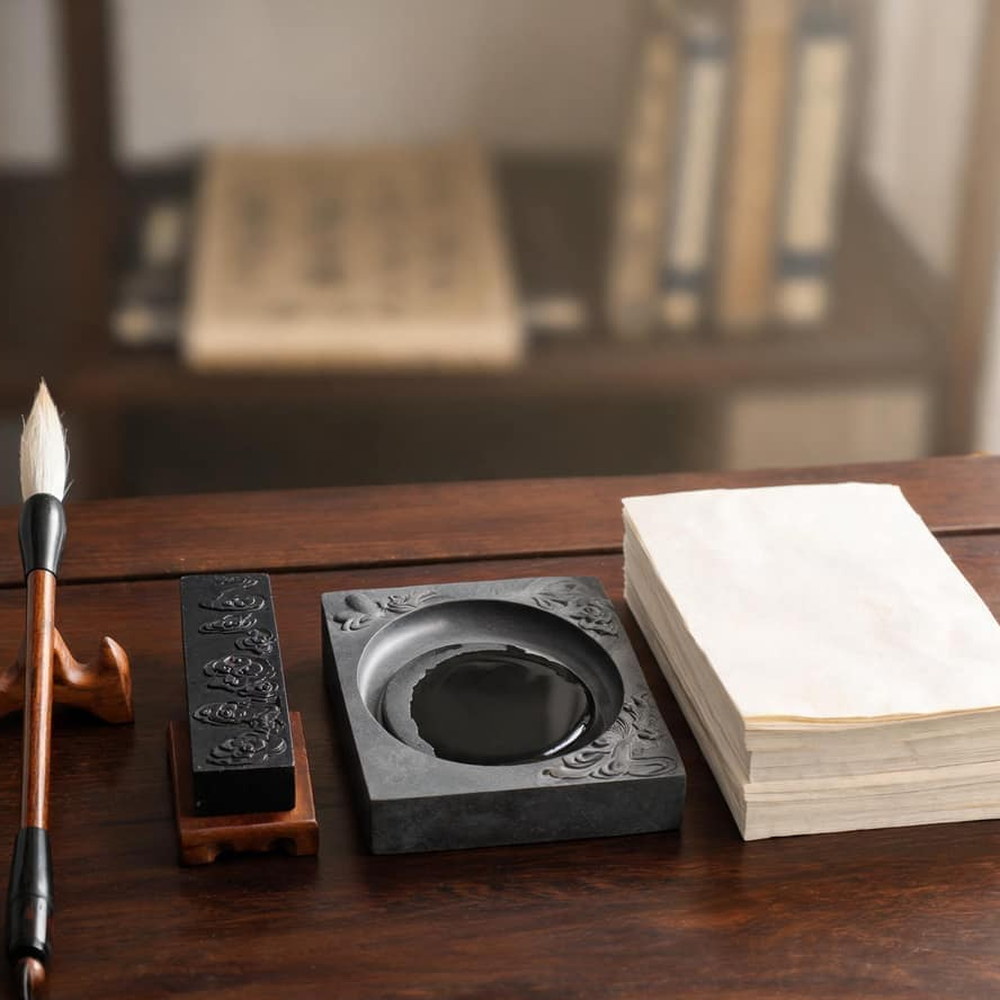
Grind the ink, trace the red, fill it stroke by stroke — the kind of winter task you can sit still for
Case: Brush, ink and tracing paper in one set; when it is filled, mount it and hang it
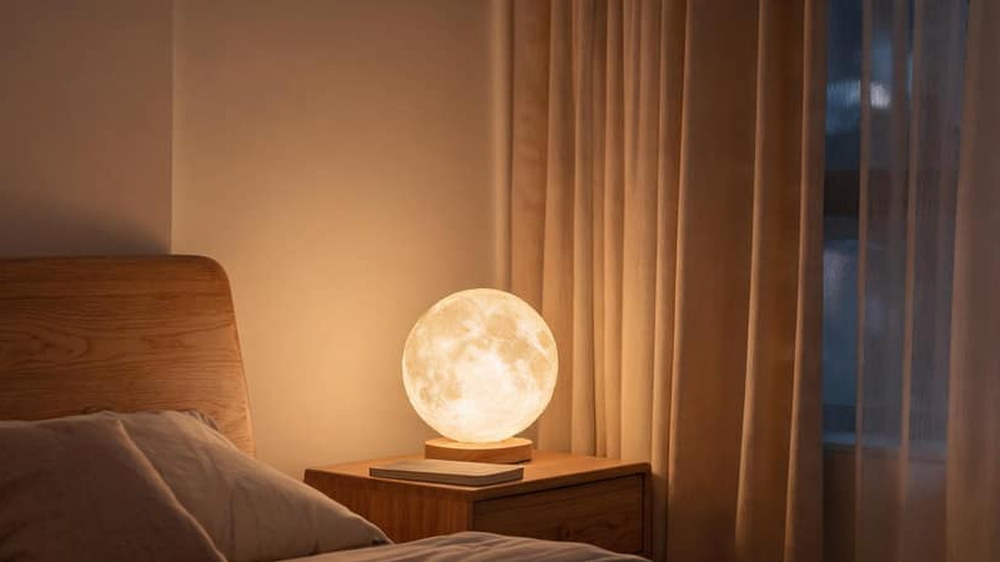 Home
On the longest night, keep one warm light
Case: A warm-glow night lamp, set beside the nine-nines chart
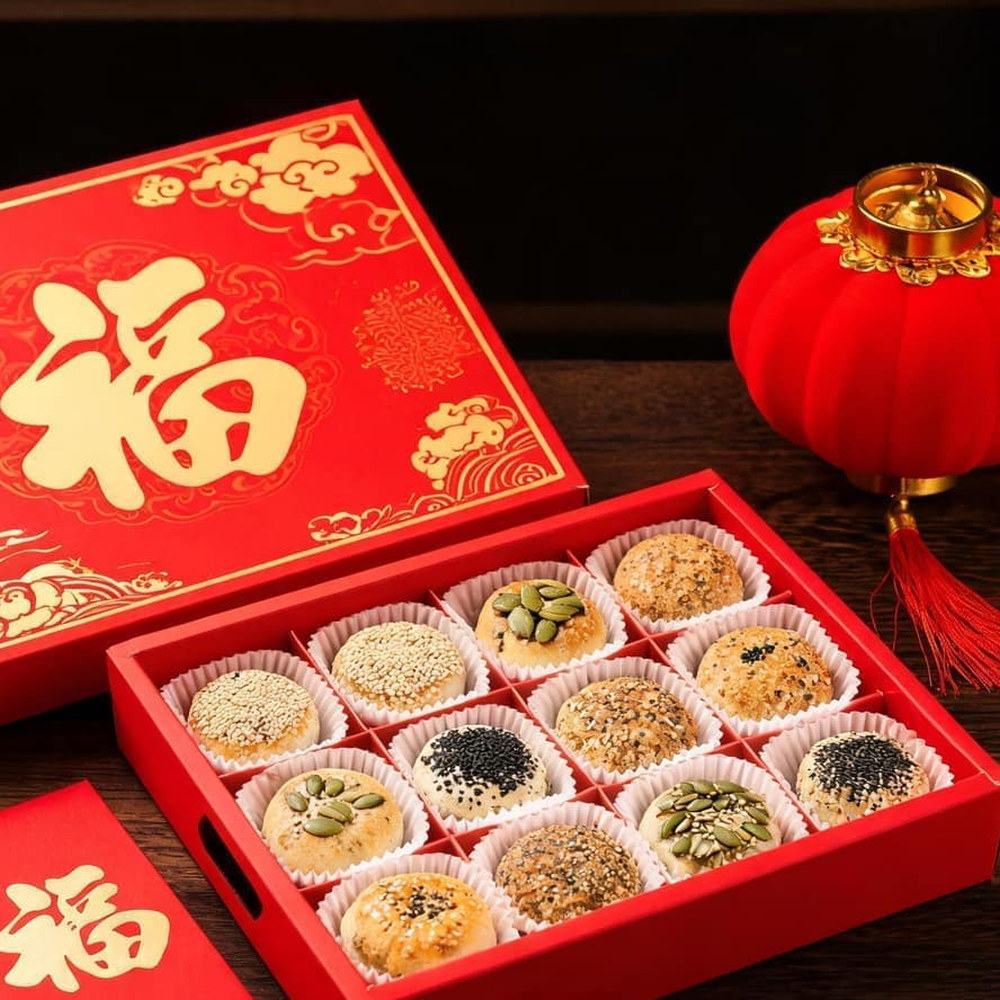 Food
Seasonal taste from the old houses — just right for posting home
Case: Half northern flavours, half southern — the family each keeps their own way
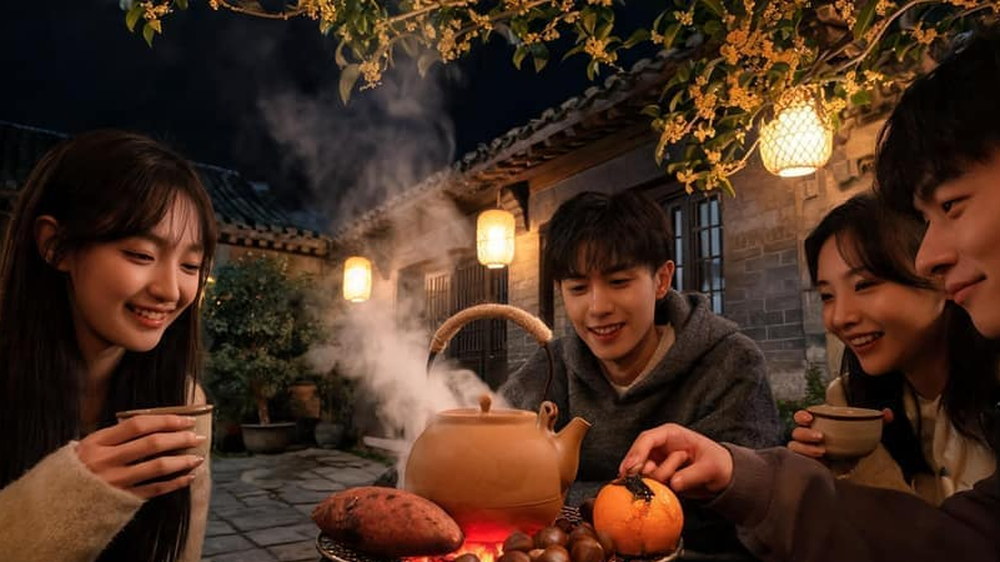 Home
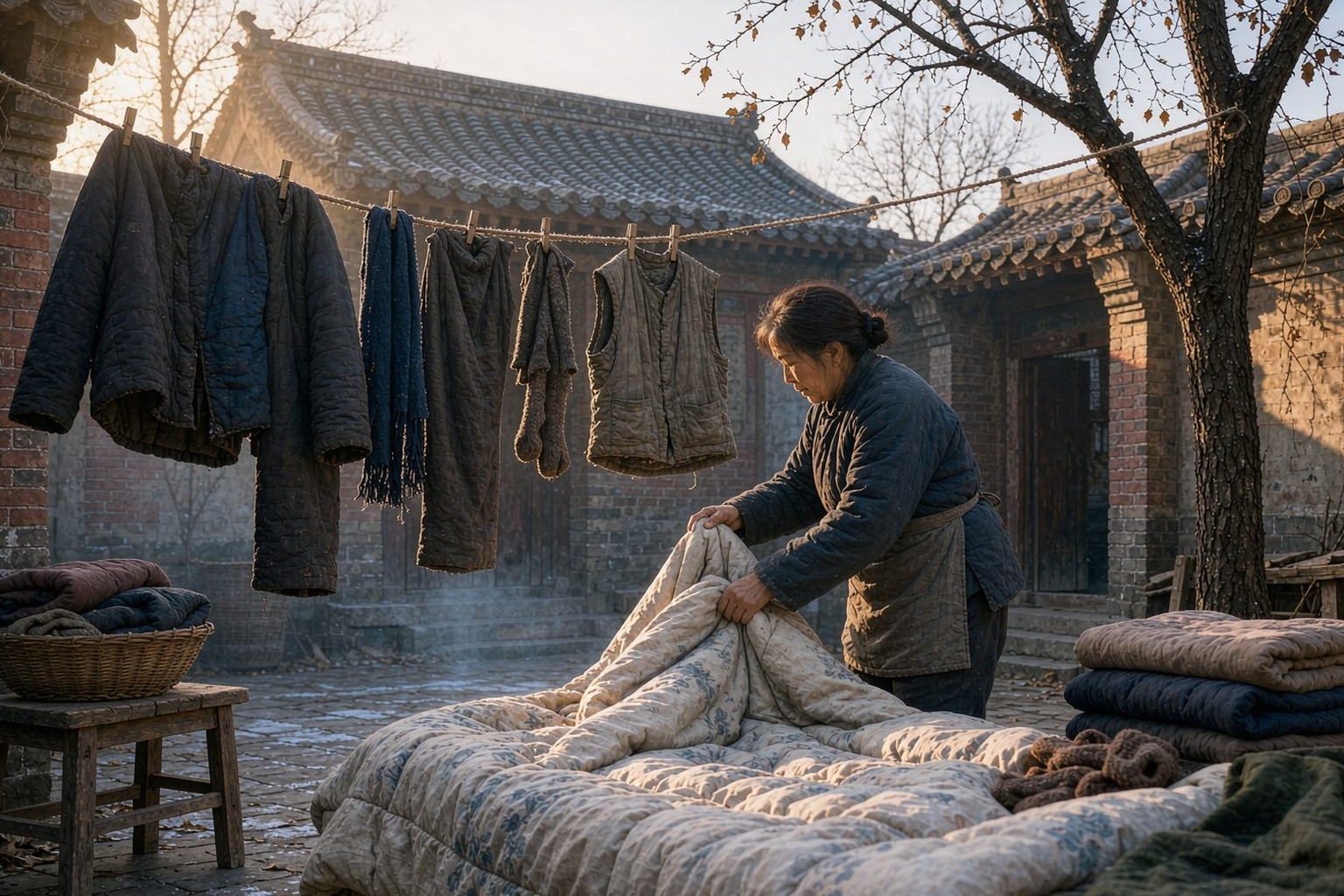
Around the solstice stove, charcoal carries more of the New Year than any radiator
Case: Brew a pot of tea, roast a few chestnuts, wait for spring
← Scroll sideways for more →
Links lead to third-party marketplaces. This site has no promotional relationship with them.
Travel proposals · Meet the custom in its real setting
← Scroll sideways for more →
Related customs
← Scroll sideways for more →
Fact-checked October 2026 · every citation traceable
Primary sources are Chinese-language publications, cited for traceability. Bodies without a standard English name are listed by domain.