FestivalsLiangshan, Sichuan; Chuxiong, Yunnan
Yi Torch Festival
On the twenty-fourth day of the sixth lunar month, called Duze in the Yi language — fire is worshipped, honoured and sent off, and the night is lit for a good harvest.
On the twenty-fourth day of the sixth lunar month, called Duze in the Yi language — fire is worshipped, honoured and sent off, and the night is lit for a good harvest.
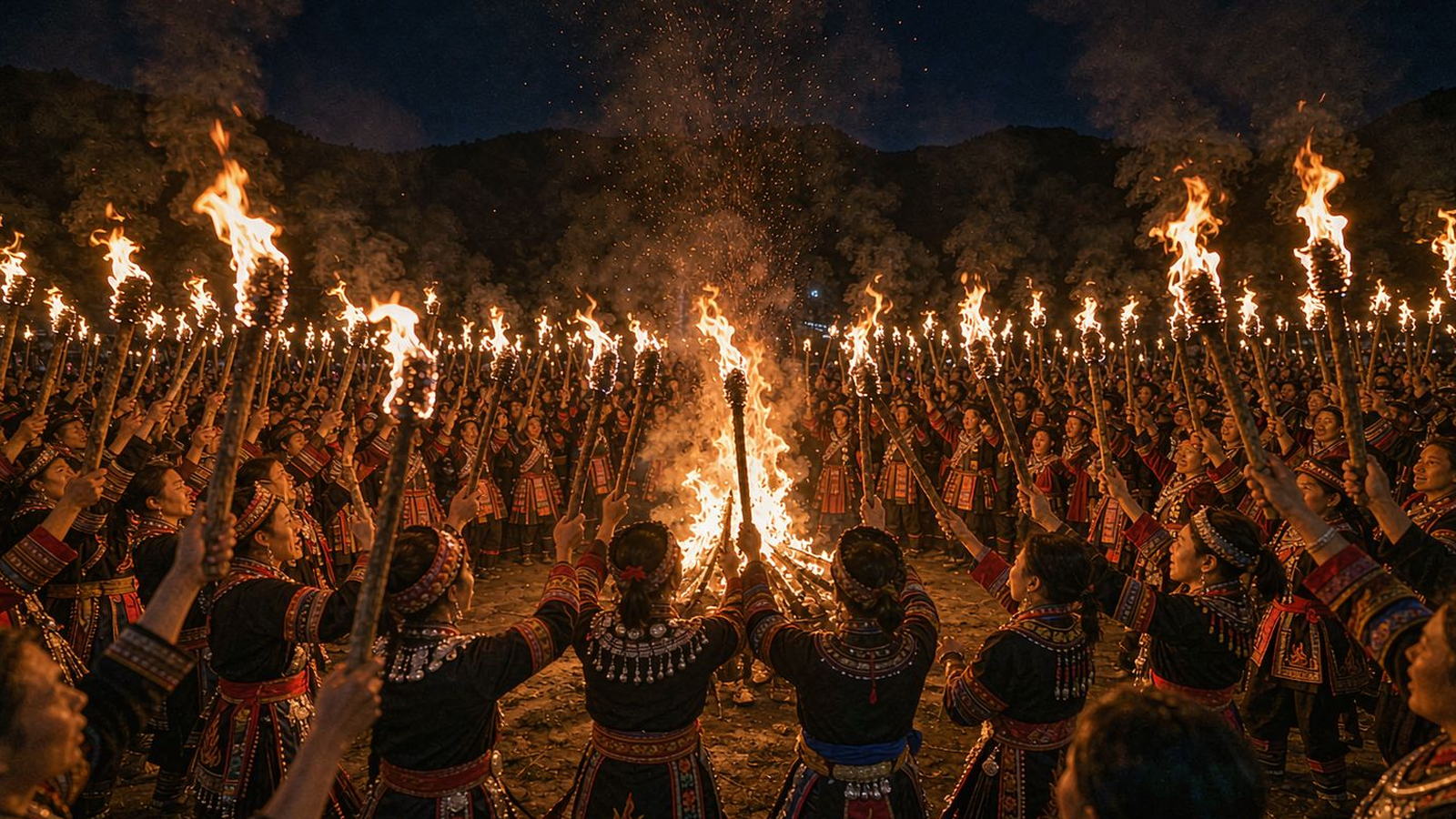
Dusk has barely fallen when torches begin to light one after another in the hollows. Young people run the field ridges with fire, the flames joining into a moving dragon; elders pour wine into the hearth fire and recite the old words for a good year. A circle forms around the bonfire, the left-foot dance quickens, and the singing rises above the hilltops.
While the hearth fire burns, the family line runs on.
Traditions, echoed by a new generation
A night billed as the carnival of the East: tens of thousands of torches, circle dancing until dawn, and a crowd energy that is infectious by itself.
Ten thousand torches carried around the fields, costume contests and bullfights by day, fire by night — the schedule is packed
At the first note of the big sanxian and the gourd pipe, a dozen or fifty people form a circle, and nobody stands outside it
Yi silverwork and charwa capes against firelight — the most photogenic scene in the southwest
History · Customs · Cultural meaning
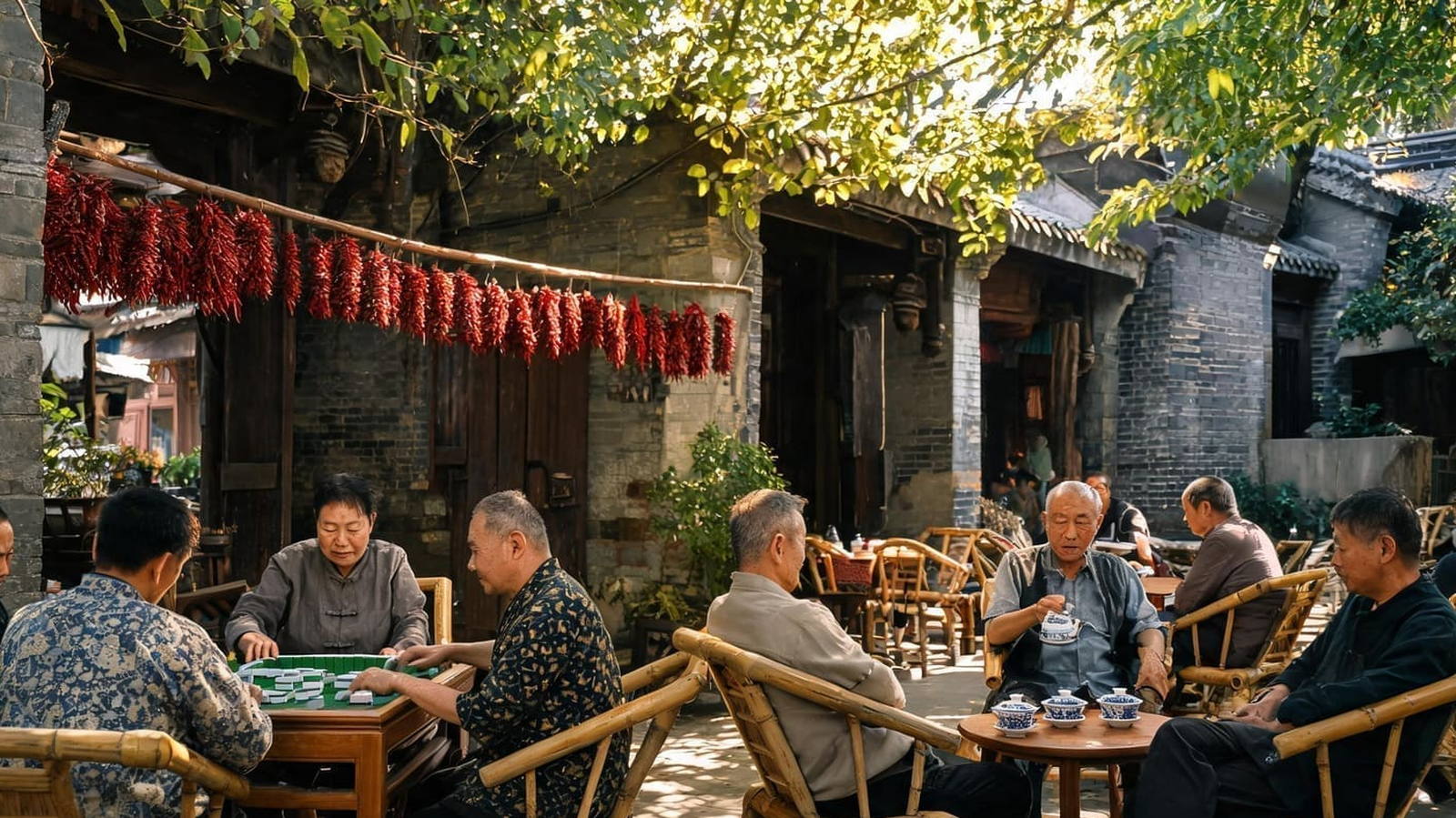 Yi Torch Festival · Historical Origins
One continuous line · back to the source
The Torch Festival is observed across Yi areas of Sichuan, Yunnan and Guizhou, around the twenty-fourth of the sixth lunar month: three days and nights in Liangshan, up to five in Chuxiong and elsewhere. In the Yi language it is Duze — the worship, honouring and sending off of fire — and people also speak of it as the New Year. The Yi ancestors lived in cold high mountains and depended on fire absolutely, so fire worship runs through their beliefs and daily life.
Some scholars connect the festival's origin with the Yi ten-month solar calendar: the ancestors watched the sky and fixed the seasons by the direction of the handle of the Big Dipper, which points straight up at the height of summer, and the festival falls around that moment — hence its other name, the Star-Return Festival. Historical sources record that the Yi were observing the Torch Festival more than two thousand years ago; it is among their oldest traditional festivals.
Yi Torch Festival · Customs and Practice
Seasonal rites · everyday life
The first day is the worship of fire: each household lights torches to illuminate house and fields, offers wine to the hearth and recites prayers for the harvest. The second day passes the fire on and holds torch contests; the whole village walks the field ridges with fire, and young men and women meet in antiphonal song. On the third day the fire is sent off: the torches are gathered and burned, the fire god is escorted back to the mountains, and the rite concludes.
Daytime is no less busy: wrestling, bullfighting, horse racing and the spinning modan swing follow one another, girls dress in their finest for the costume contest, and the market fills with snacks and hand-worked silver. At night the bonfires blaze, the big sanxian and gourd pipe strike up, and everyone joins hands in the circle of the left-foot dance, often until daybreak.
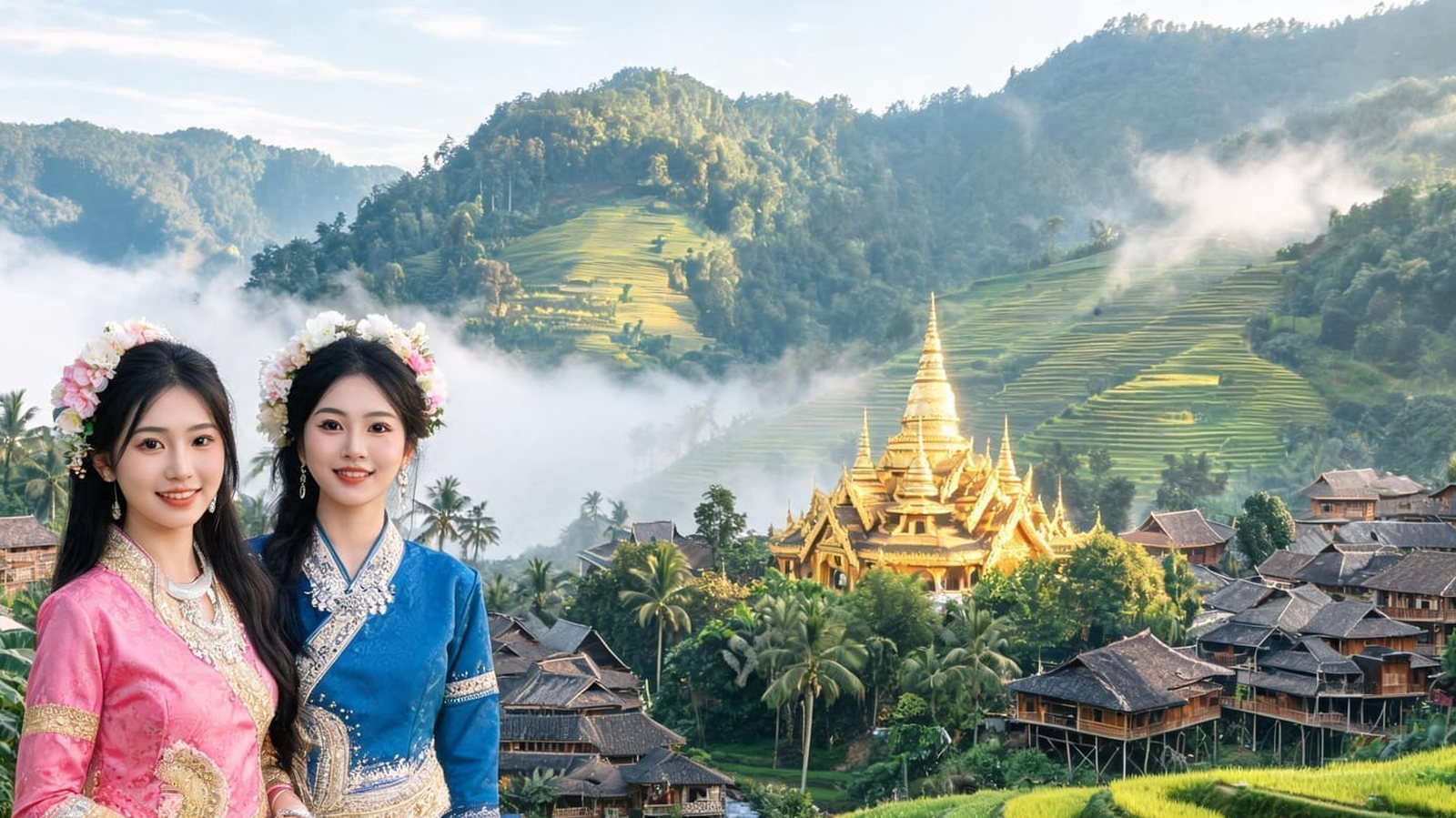 Yi Torch Festival · Cultural Significance
What the heart turns toward · handed down through generations
In May 2006 the Torch Festival (Yi Torch Festival), nominated by the Liangshan Yi Autonomous Prefecture in Sichuan and the Chuxiong Yi Autonomous Prefecture in Yunnan, was approved by the State Council for the first national list of intangible cultural heritage (Ⅹ-10, serial no. 458).
The festival is not the Yi's alone. The Bai, Naxi, Hani, Lisu, Lahu, Jino and Achang all have long traditions of keeping it. In May 1981 the Chuxiong Yi Autonomous Prefecture people's congress passed a bill making the Torch Festival a statutory prefectural holiday, later written into the prefecture's regulations on the exercise of autonomy — today it is both a stage for cultural transmission and a window through which the ethnic areas of the southwest face the wider world.
To admire and to use · Tradition in everyday life
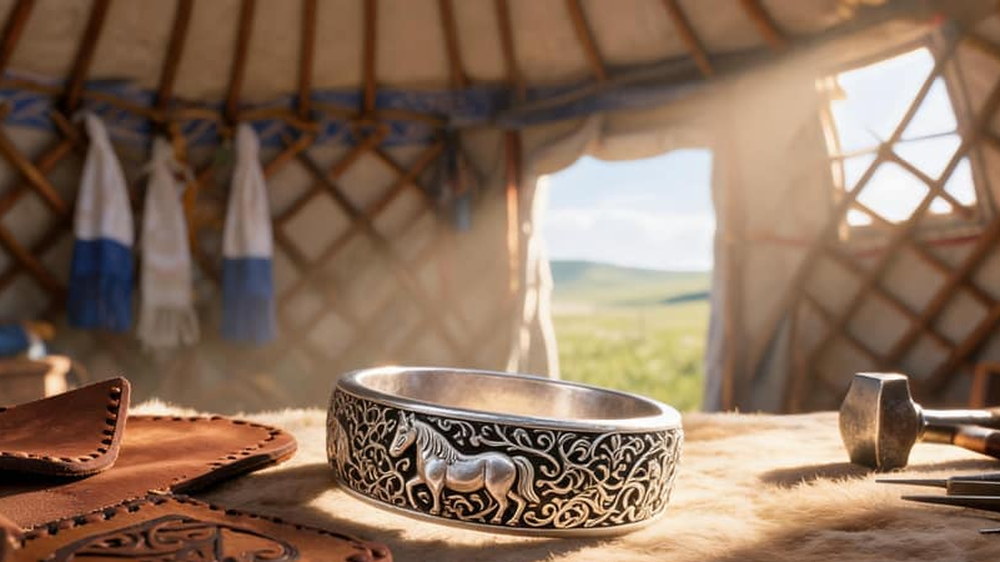 Craft
Hold it to firelight and the silver outshines the flame
Case: Traditional chasing and engraving, with motifs drawn from the sun and the fire striker
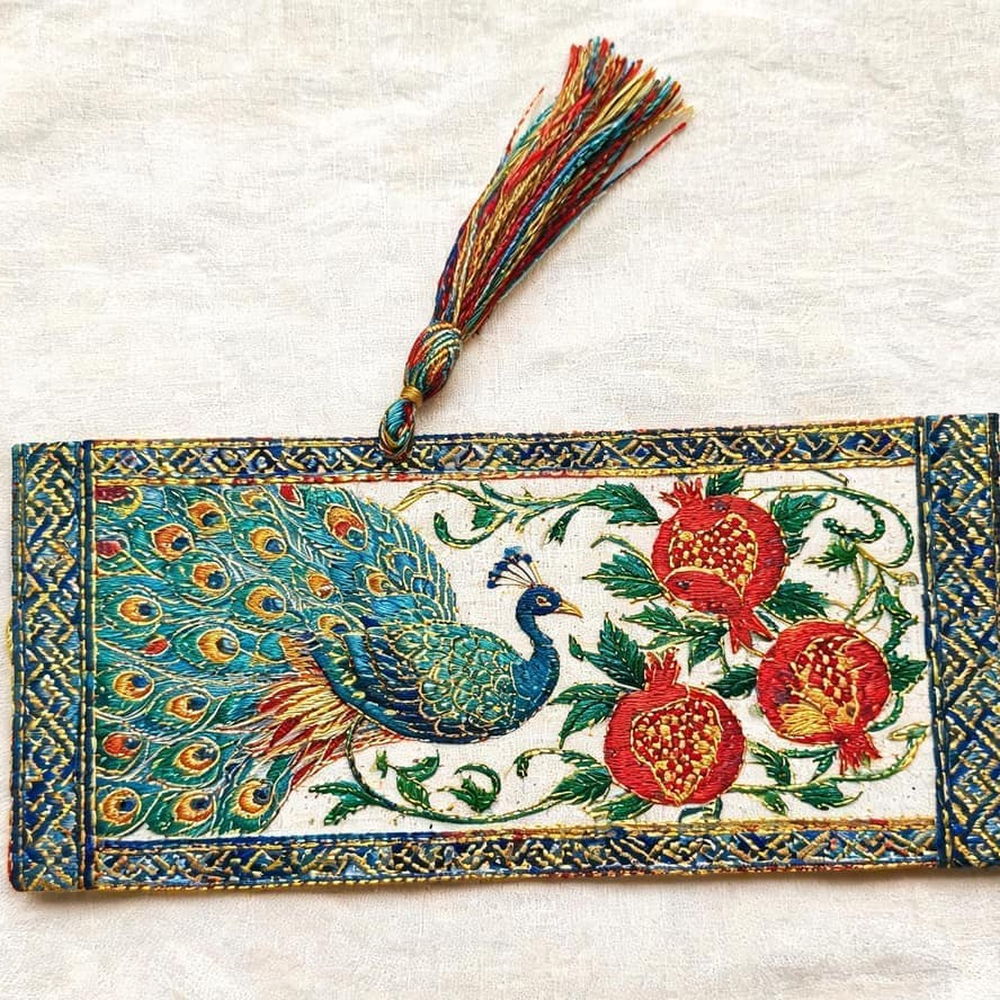 Costume
On Torch Festival nights, every shoulder in Liangshan wears one
Case: Hand-woven felt capes and patchwork blankets — worn by day, used as bedding by night
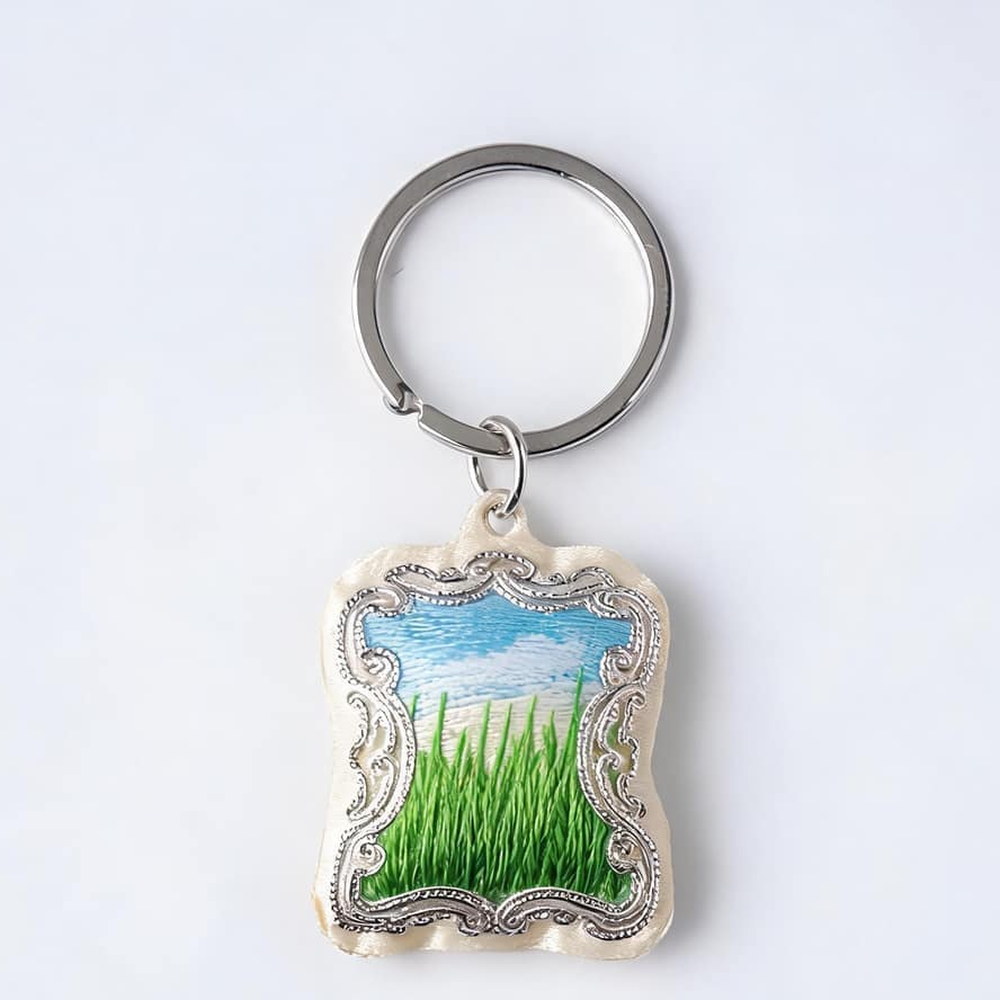 Craft
Take the Torch Festival home
Case: Small pendants using fire-worship motifs, easy to wear every day
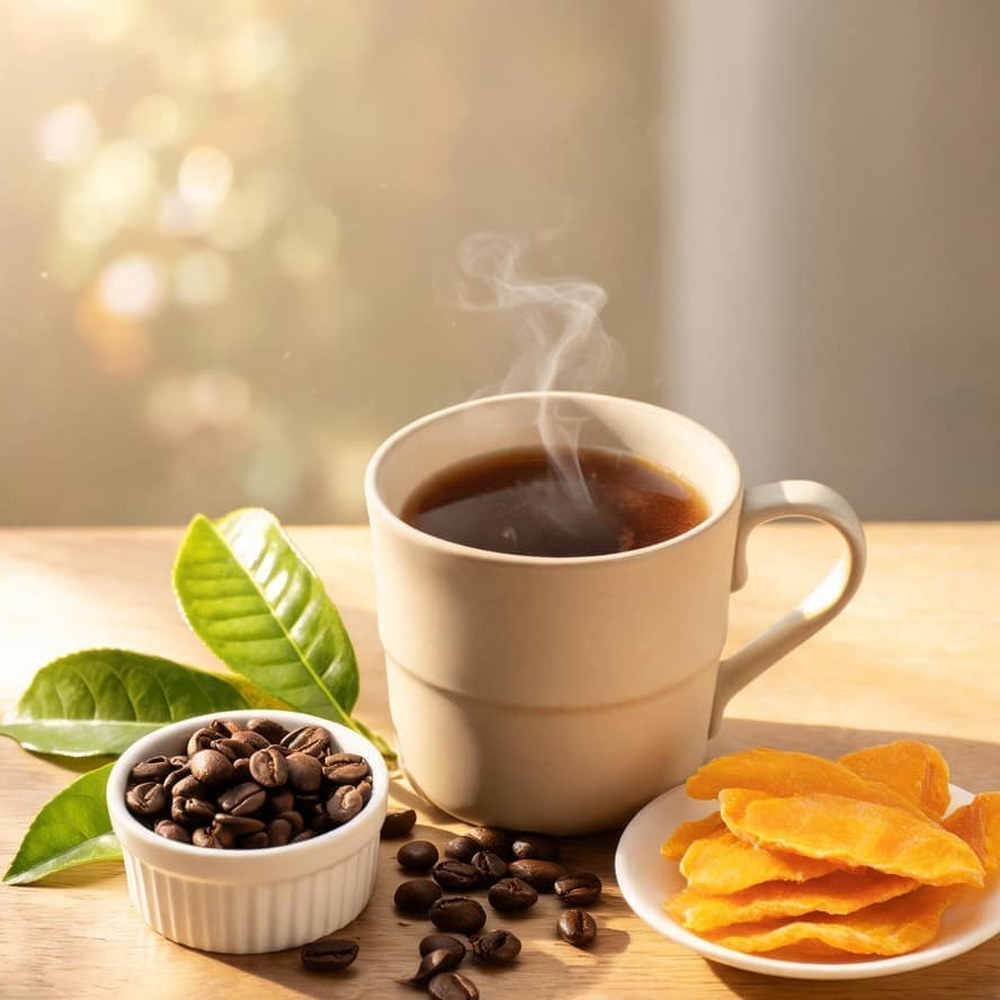 Food
The hills of the Torch Festival grow good beans too
Case: High-altitude Yunnan beans, suited to cold brew or hot pour-over
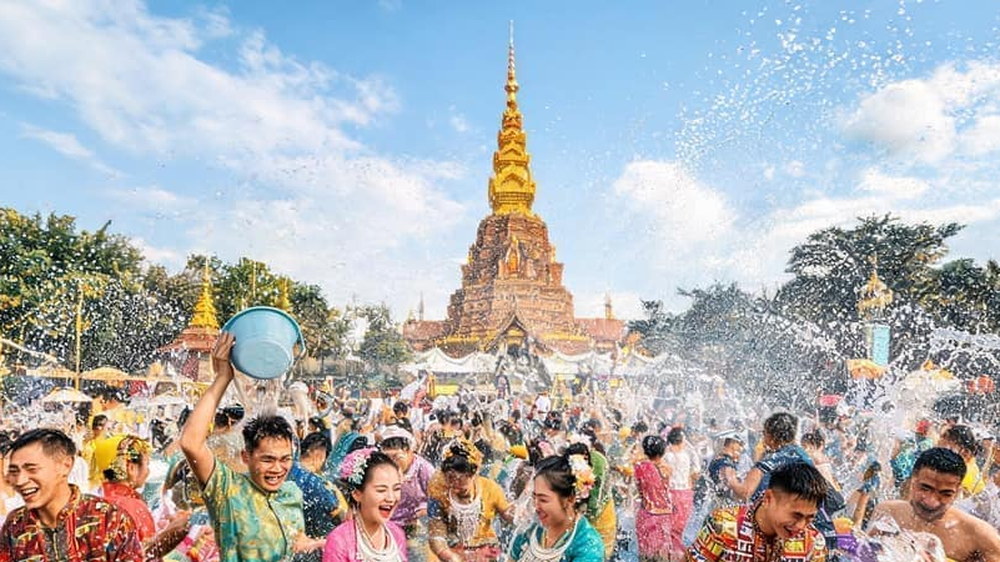 Experience
Dress in Yi costume and keep one frame in the firelight
Case: Booked during the festival; costume and silver available for hire
← Scroll sideways for more →
Links lead to third-party marketplaces. This site has no promotional relationship with them.
Travel proposals · Meet the custom in its real setting
Ridudisa in Puge County is one of the legendary birthplaces of the Torch Festival; the festival brings bullfighting, wrestling and torchlit processions up the mountain
A cultural park in Chuxiong city built around the Yi ten-month solar calendar, and one of the main Torch Festival venues
← Scroll sideways for more →
Related customs
← Scroll sideways for more →
Fact-checked October 2026 · every citation traceable
Primary sources are Chinese-language publications, cited for traceability. Bodies without a standard English name are listed by domain.