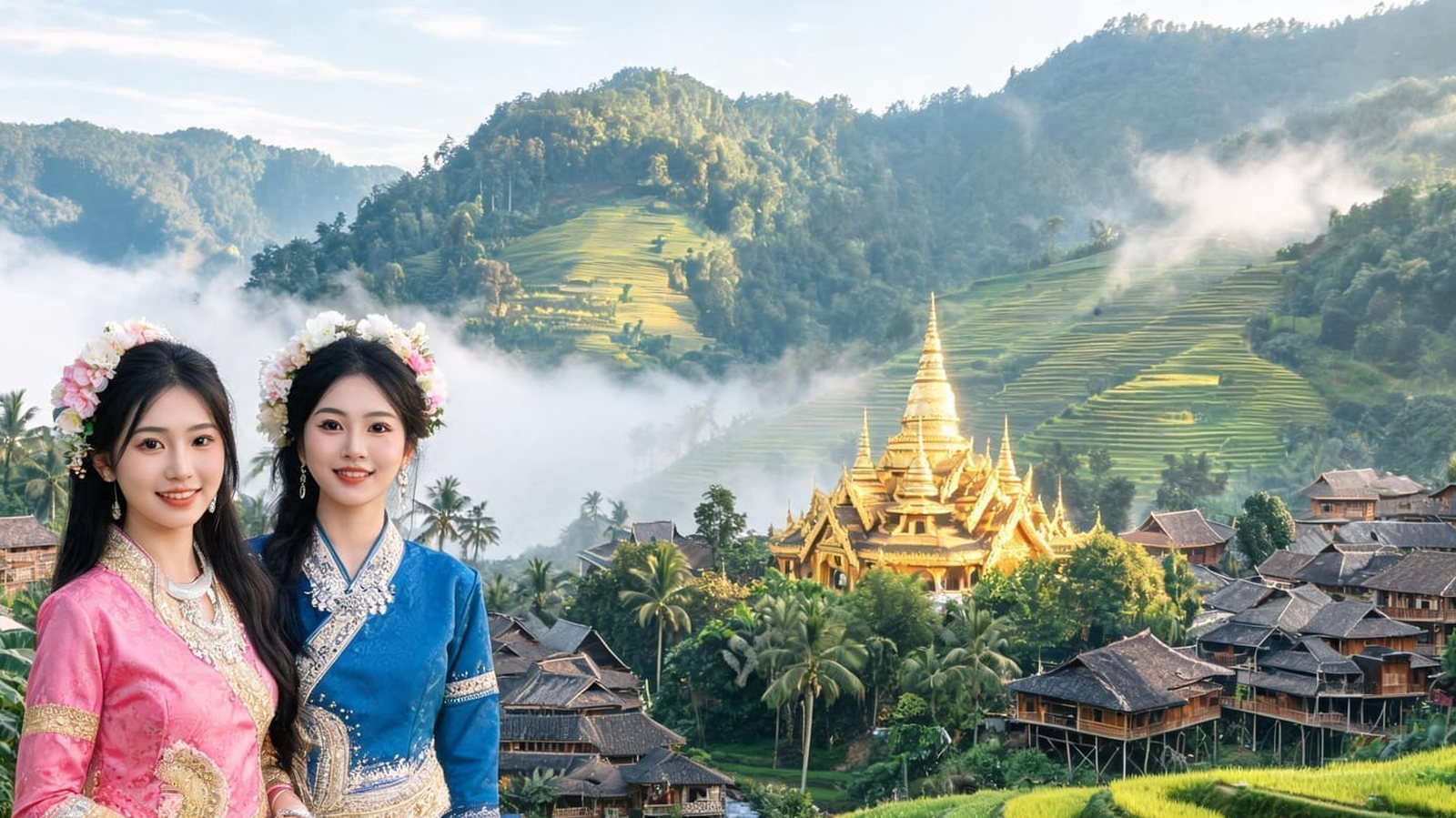
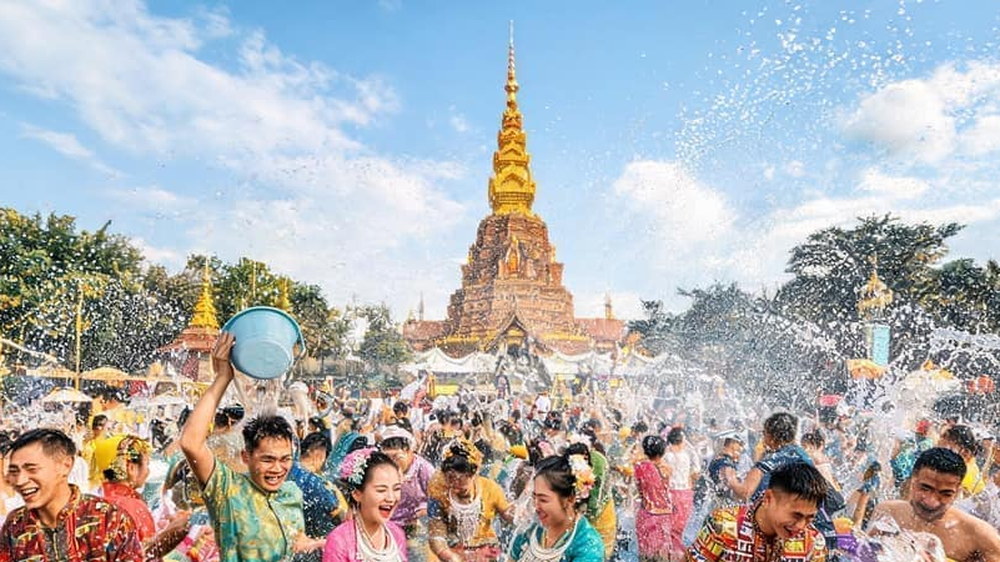
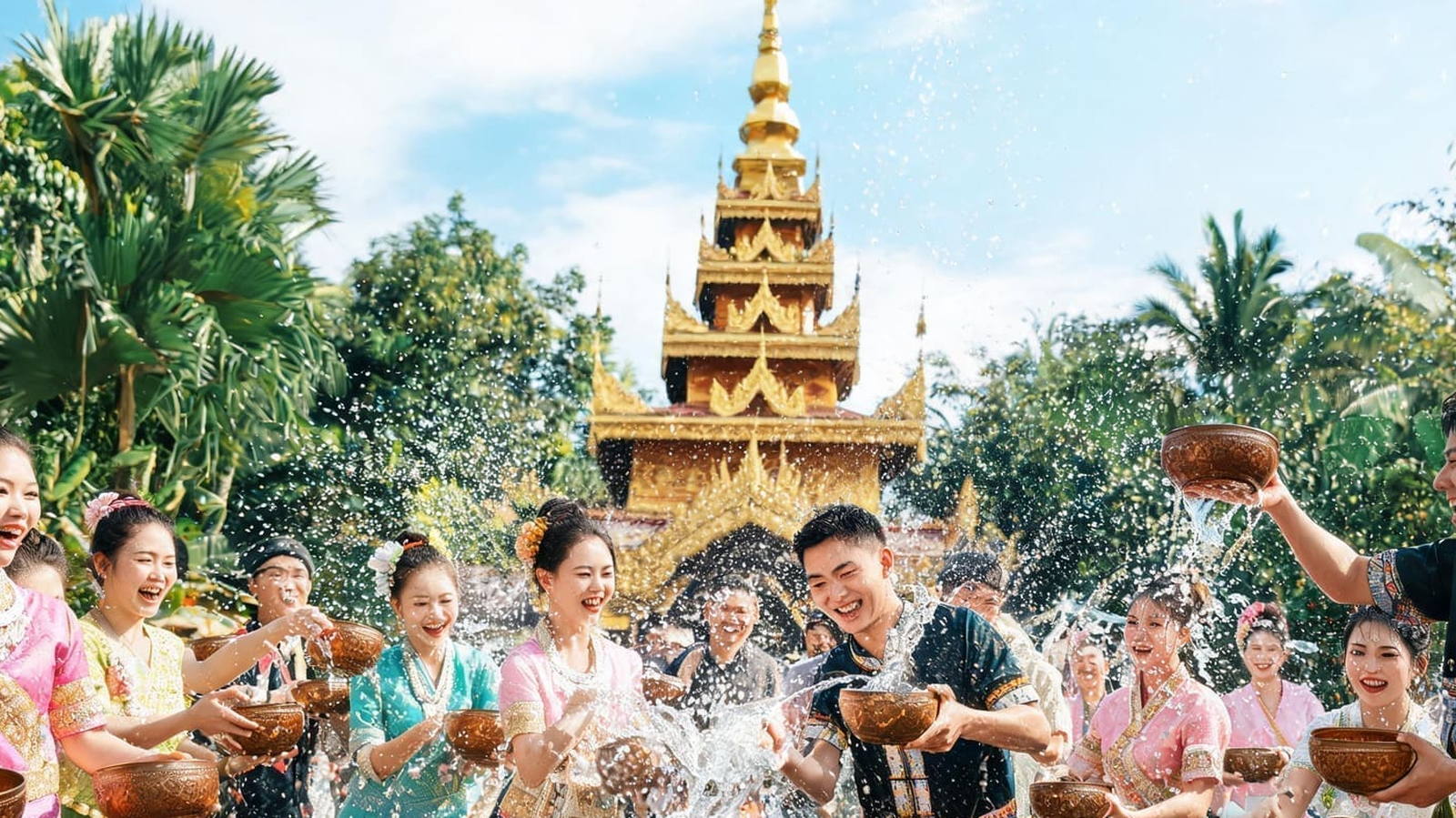
April in Jinghong, and the sun has the asphalt shimmering. At dawn, villagers carry clear water into the monastery to bathe the Buddha with perfume and flowers; out of the gate, the first ladle goes over the person beside you. From this day on, no one goes home dry.
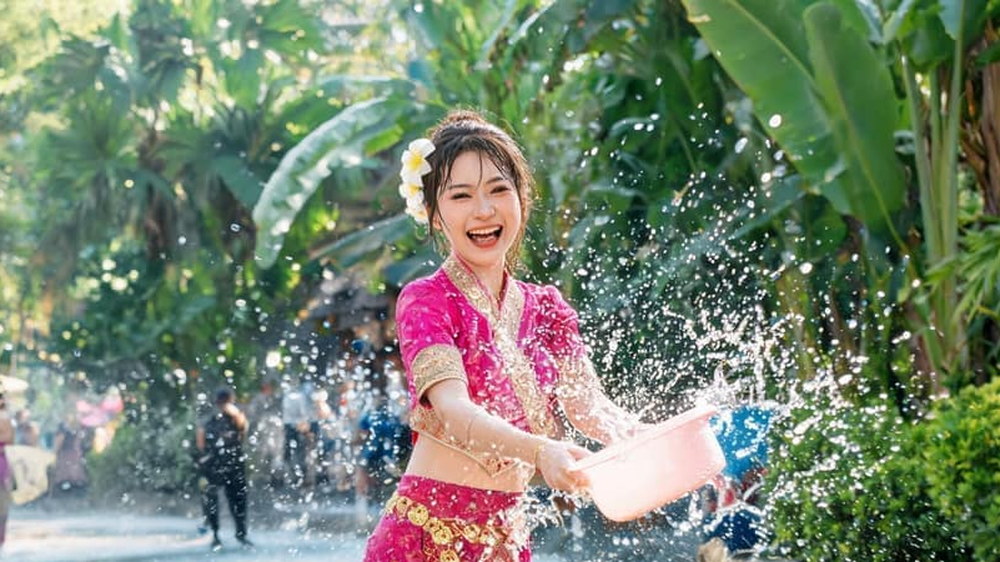
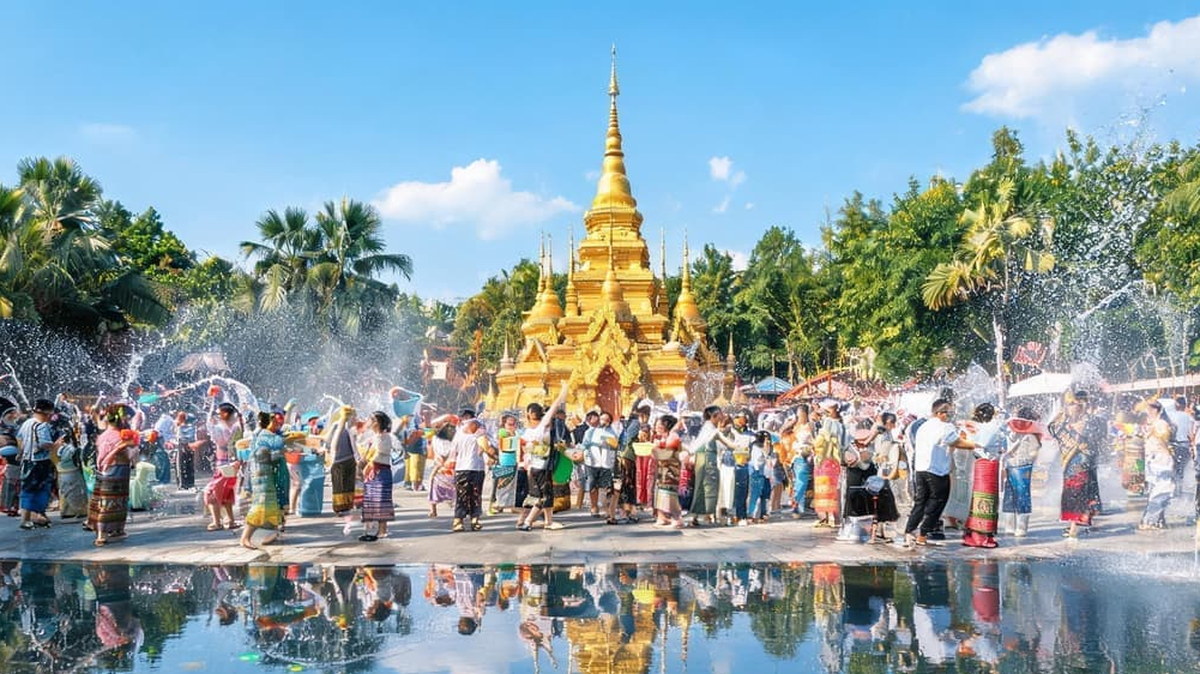
At noon there is not one dry patch on the street. Copper basins, plastic pails and water guns all come out; water pours in at the collar and runs down the spine. Girls in tube skirts duck behind the trees, basins held high — and still catch the full splash, laughing too hard to stand straight. Somewhere off, a bamboo 'gaosheng' rocket catches, trailing white smoke up into the sky.
The wetter you are, the more blessings you have caught.
Traditions, echoed by a new generation
Mid-April is the Dai new year. Everyone on the street carries a basin or a bucket and splashes whoever passes.
In Dai the festival is called 'Bimai' — the new year; in Xishuangbanna and Dehong also 'Shanghan' or 'Shangjian'
Bathing the Buddha, splashing water, the ganbai fairs, dragon-boat races, gaosheng rockets, peacock dance — the days are packed end to end
One circuit of the fair ground and you collect white threads on your wrist — tied there by the elders
History · Customs · Cultural meaning
The Water-Splashing Festival · Origins
One current, traced to its source
The Water-Splashing Festival is also called the Buddha-bathing Festival; in Dai it is 'Bimai', the new year, with 'Shanghan' and 'Shangjian' used around Xishuangbanna and Dehong — both from Sanskrit, marking the sun's completion of its round through the zodiac and its turning into the new year. It falls in mid-sixth-month of the Dai calendar, about mid-April, and runs three to four days.
It originated in India as a Brahmanic rite, was absorbed by Buddhism, and reached the Dai areas of Yunnan from Burma around the turn of the fourteenth century. As Theravada Buddhism spread through the Dai lands, the splashing custom widened year by year.
Folklore tells it otherwise: the tyrant who ruled sun, moon and stars, Pengmadian Dazha, abused his power until seven maidens struck off his head with a ruse — and the head caught fire on touching the ground, so the seven took turns dousing the flames with water. In their memory, people splash each year to wash away harm and pray for blessing.
The Water-Splashing Festival · The customs
Rites of the season, texture of daily life
Three days, each with a name. The first, 'Wanduosangkan', sends off the old: sweep the house, soak the rice, ready the food. The second, 'Wannao', is an empty day. The third, 'Maipawayanma', is the new year itself.
On new-year morning people gather flowers for the Buddha, bathe it with clear water, and only then go out to splash. For elders, first dip a branch and sprinkle gently with a few words of blessing; among equals, let fly — basins, buckets, water guns all in play. The young toss embroidered 'flower bags' back and forth; the elders tie white threads on the young wrists.
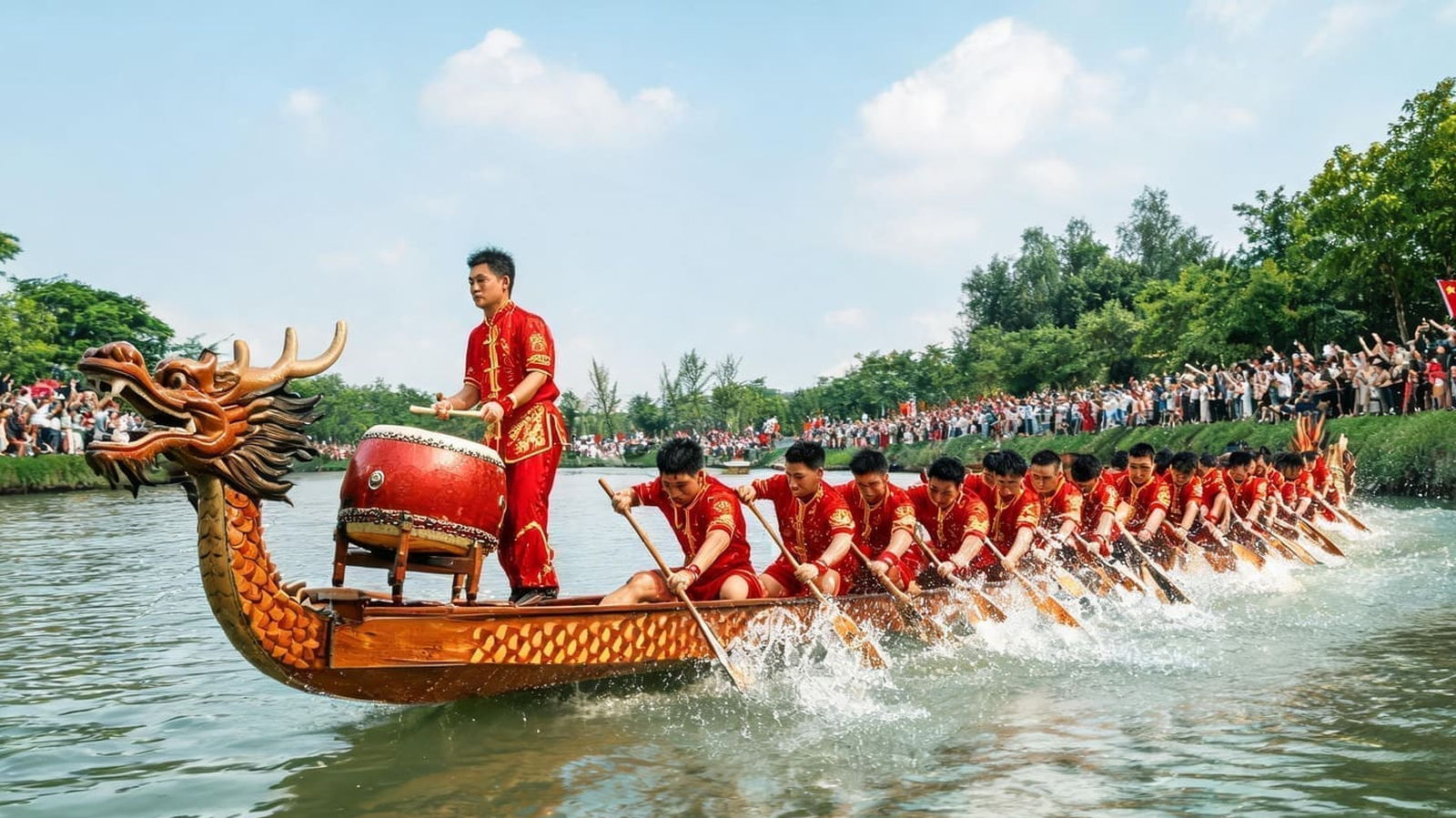
By day, the gaosheng rockets — bamboo tubes packed with powder, fired from tall frames, judged by who flies highest — and dragon-boat races on the Lancang (Mekong), a whole boat rowing to the drum. At night, Kongming lanterns lift on warm air, slowly clearing the rooftops. In the monastery the sutras are chanted; on the ground, the peacock dance and zhangha singing.
The Water-Splashing Festival · What it means
What the heart holds, the generations pass on
Dai villages live along the water — bamboo houses, rice fields and wells all beside the river. In daily life water washes, drinks, irrigates; on these days it also carries blessings between people. What is thrown is clear water; those who catch it are not cross.
On 20 May 2006, the 'Dai Water-Splashing Festival' (nominated by Xishuangbanna Dai Autonomous Prefecture) entered the first batch of the national intangible cultural heritage list as item Ⅹ-8.
On the fourth morning the street is swept clean and the water marks dry bit by bit in the sun. The monastery bell has rung; people go home to change into dry clothes — the white thread still on the wrist.
To admire and to use · Tradition in everyday life
Experience
Mid-sixth-month of the Dai calendar, mid-April by the sun, three to four days; the fair grounds spread with Dai brocade, tamarind and grilled fish
Case: Mid-sixth-month of the Dai calendar, mid-April by the sun, three to four days; the fair grounds spread with Dai brocade, tamarind and grilled fish
Craft
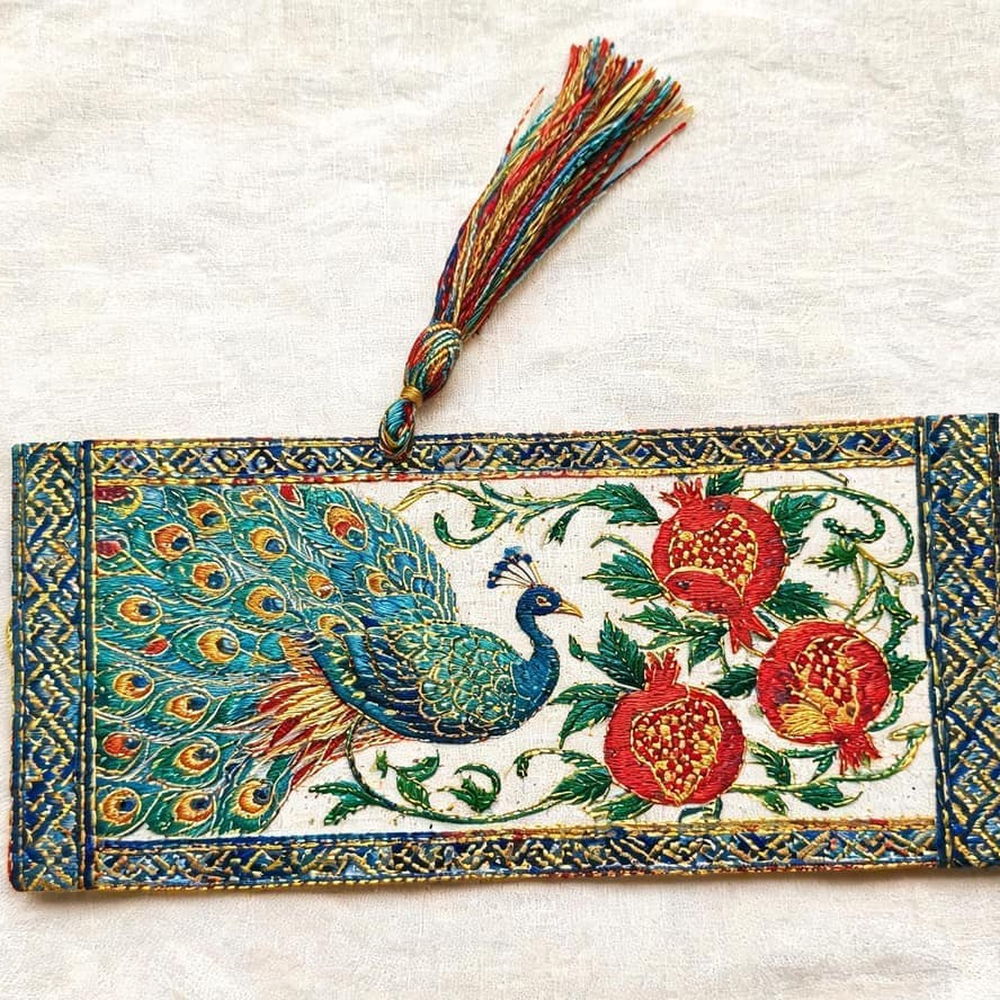
Warp stretched on the wooden frame, weft picked thread by thread, diamonds and waves running on section after section
Case: Warp stretched on the wooden frame, weft picked thread by thread, diamonds and waves running on section after section
Costume
A tube skirt is one long wrap of cloth gathered at the waist and falling to the ankle; above, a narrow-sleeved blouse
Case: A tube skirt is one long wrap of cloth gathered at the waist and falling to the ankle; above, a narrow-sleeved blouse
Food
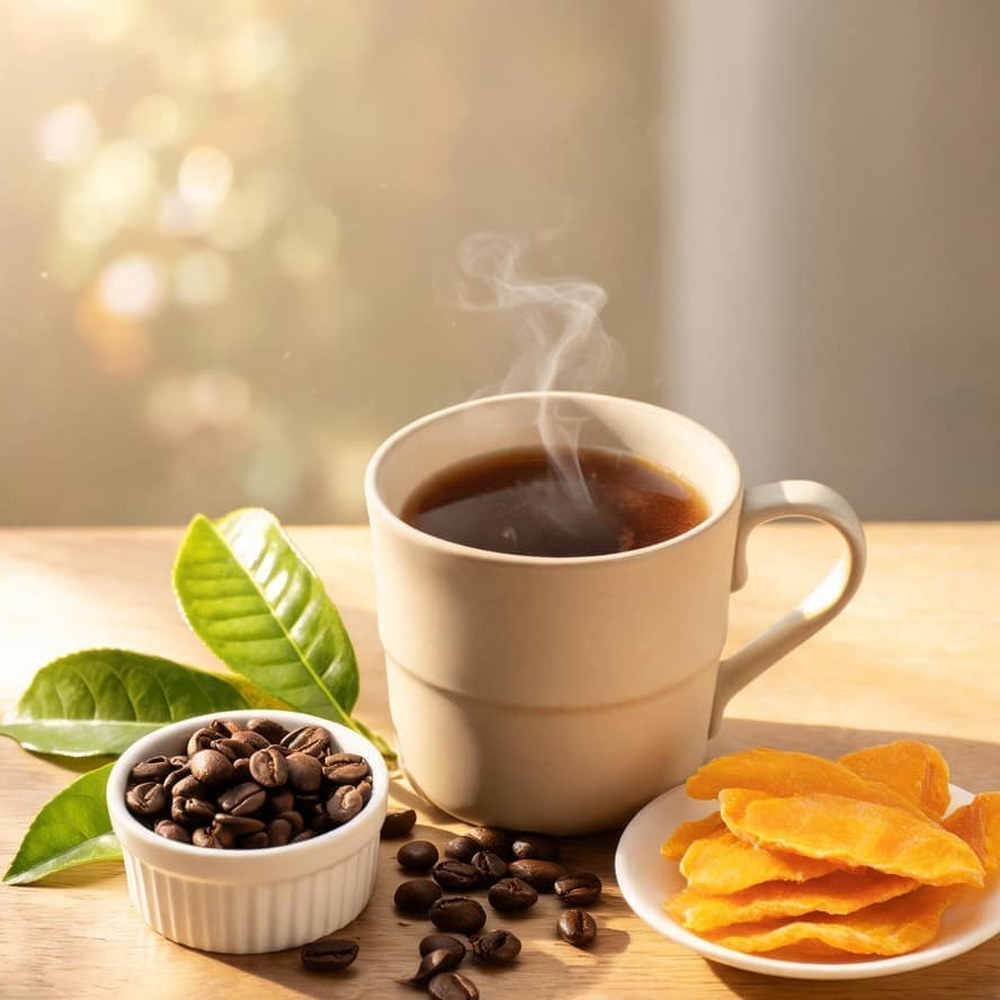
Small-bean arabica grown on the slopes, picked only when the cherry reddens — peeled, fermented, sun-dried, then roasted
Case: Small-bean arabica grown on the slopes, picked only when the cherry reddens — peeled, fermented, sun-dried, then roasted
Craft
Once copper basins and wooden pails, now mostly plastic; before you enter the street, the phone goes into the dry bag
Case: Once copper basins and wooden pails, now mostly plastic; before you enter the street, the phone goes into the dry bag
← Scroll sideways for more →
Links lead to third-party marketplaces. This site has no promotional relationship with them.
Travel proposals · Meet the custom in its real setting
← Scroll sideways for more →
Related customs
← Scroll sideways for more →
Fact-checked October 2026 · every citation traceable
Primary sources are Chinese-language publications, cited for traceability. Bodies without a standard English name are listed by domain.