Traditional craftsXizang, Qinghai
Thangka Painting
Painted on cloth, rolled up and carried. Tibetan painters put Buddhas, medical diagrams and star charts into a single thangka.
Painted on cloth, rolled up and carried. Tibetan painters put Buddhas, medical diagrams and star charts into a single thangka.
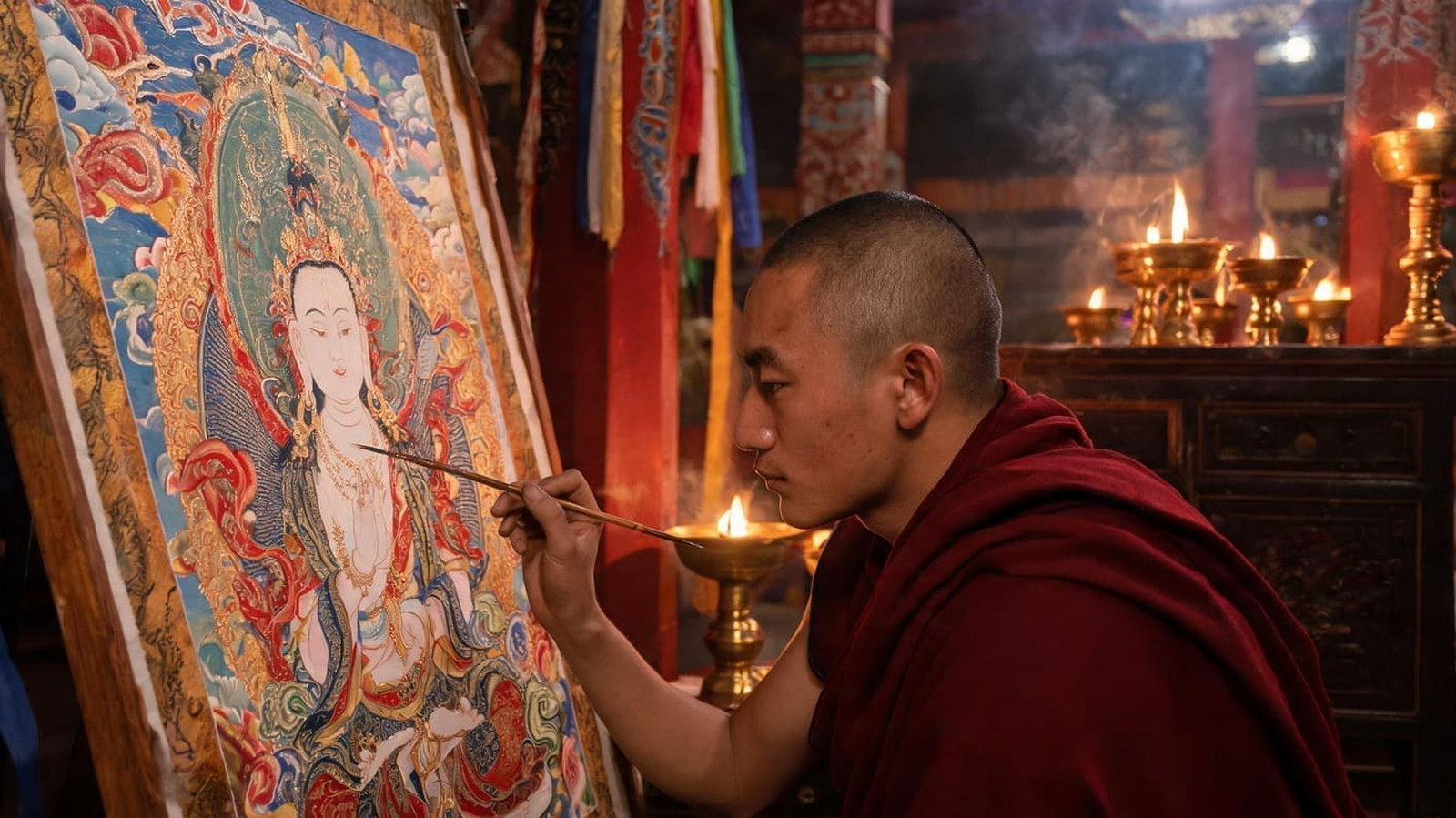
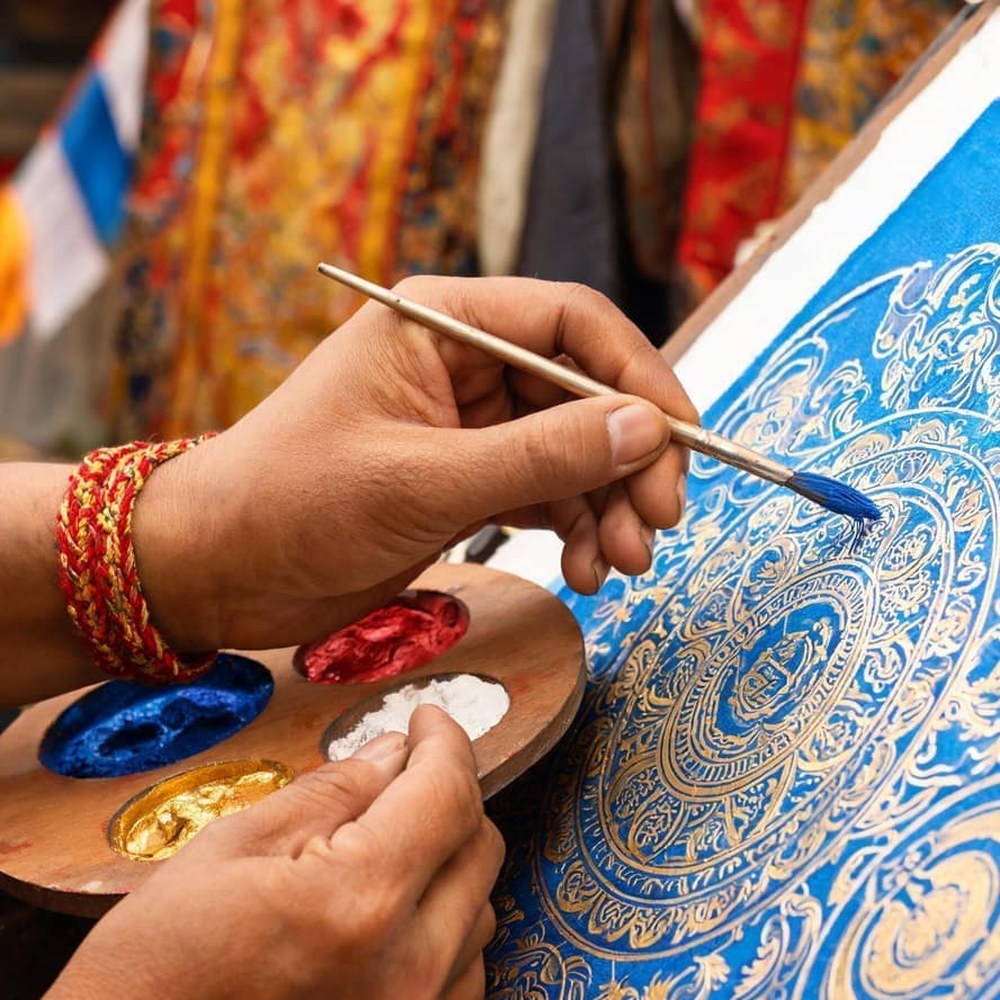
The butter lamps in the temple never go out. A young monk-painter sits holding his breath, dips a mink-hair brush in gold powder and mineral pigment, and draws in the Buddha's brows and eyes stroke by stroke. A thangka often takes months, sometimes years; the colours come from lapis lazuli, cinnabar and turquoise, and centuries later they are still as bright as new.
He paints a Buddha and cultivates a mind — one thangka is one long practice carried out in colour.
Traditions, echoed by a new generation
A thangka is a temple you can carry. One painting can take months or years, and that slowness is itself a discipline.
Mineral pigments that will not fade in a thousand years, gold lines so fine you hold your breath — craft worth leaning in for
Look long at a thangka and the mind goes quiet by itself: a shelter from a high-pressure life
Tibetan painters put belief into every stroke, and make us think again about what devotion and persistence mean
History · Customs · Cultural meaning
 Thangka Painting · Historical Origins
One continuous line · back to the source
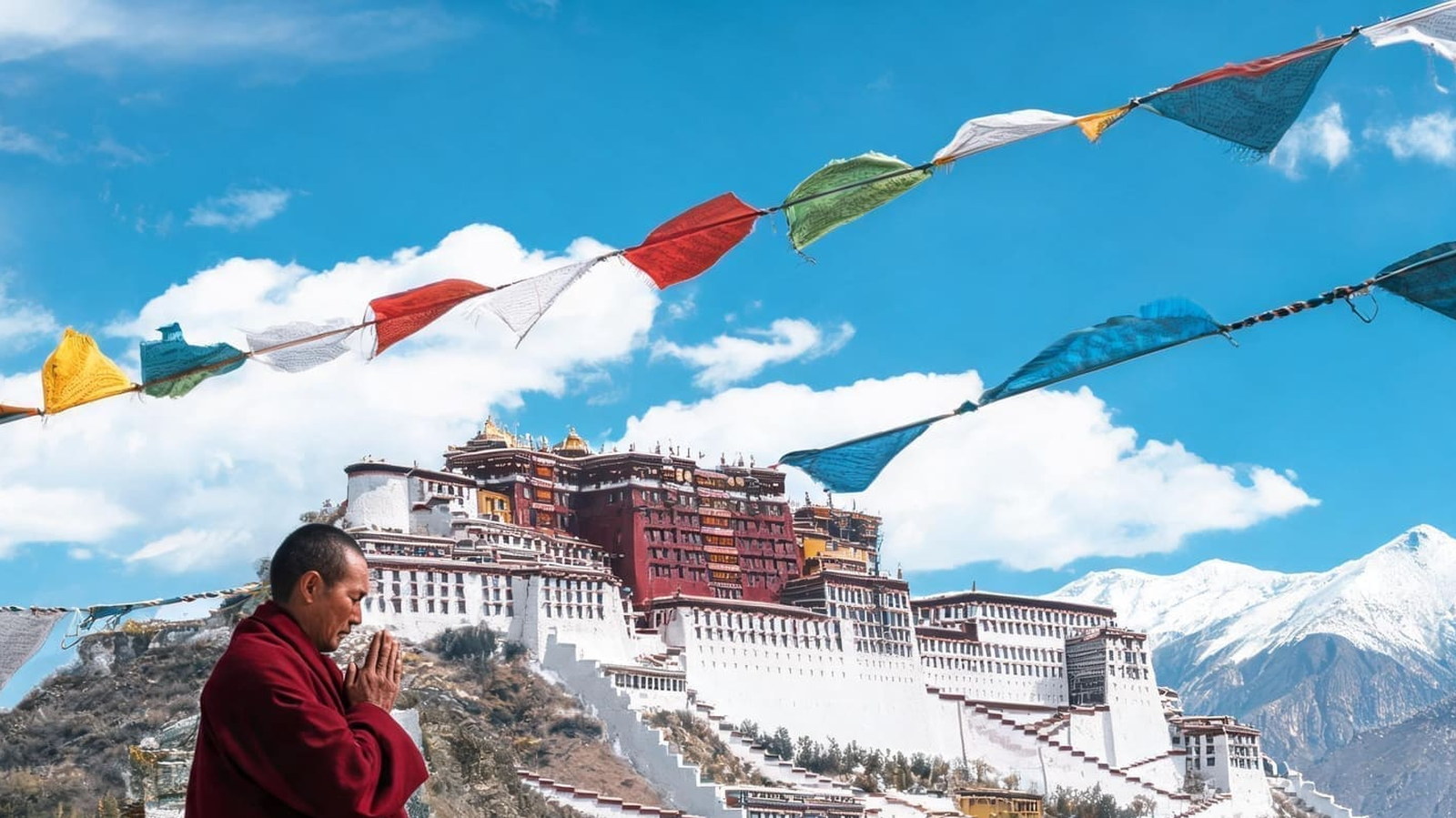
Thangka is the Tibetan word for a scroll painting, made on cloth so it can be rolled and carried. It began in the Tubo period, around the seventh century, and spread across the plateau with Buddhism. At first it was only an aid to monks in practice; later it grew into an independent genre. Two lineages are best known today: Regong in Tongren, Qinghai, and Lhasa.
Thangka Painting · Customs and Practice
Seasonal rites · everyday life
The cloth is prepared first: stretched on a wooden frame, sized with glue, then ground smooth with stones until the surface is clean and the weave no longer shows. The sketch is laid in charcoal according to the proportions of the sutra of iconographic measure — brows, mudra and bead strands all have to be exact, a fraction out and the canon is broken. Colour comes from minerals: lapis lazuli ground to blue, cinnabar to red, turquoise to green, with gold line for the outlines. The subjects are not only Buddhas but Buddhist narrative, Tibetan medical diagrams and astronomical calendars. Once finished, a painting must be consecrated by a rinpoche before it can be worshipped. Months of work is ordinary for a good piece; a slow one takes years.
 Thangka Painting · Cultural Significance
What the heart turns toward · handed down through generations
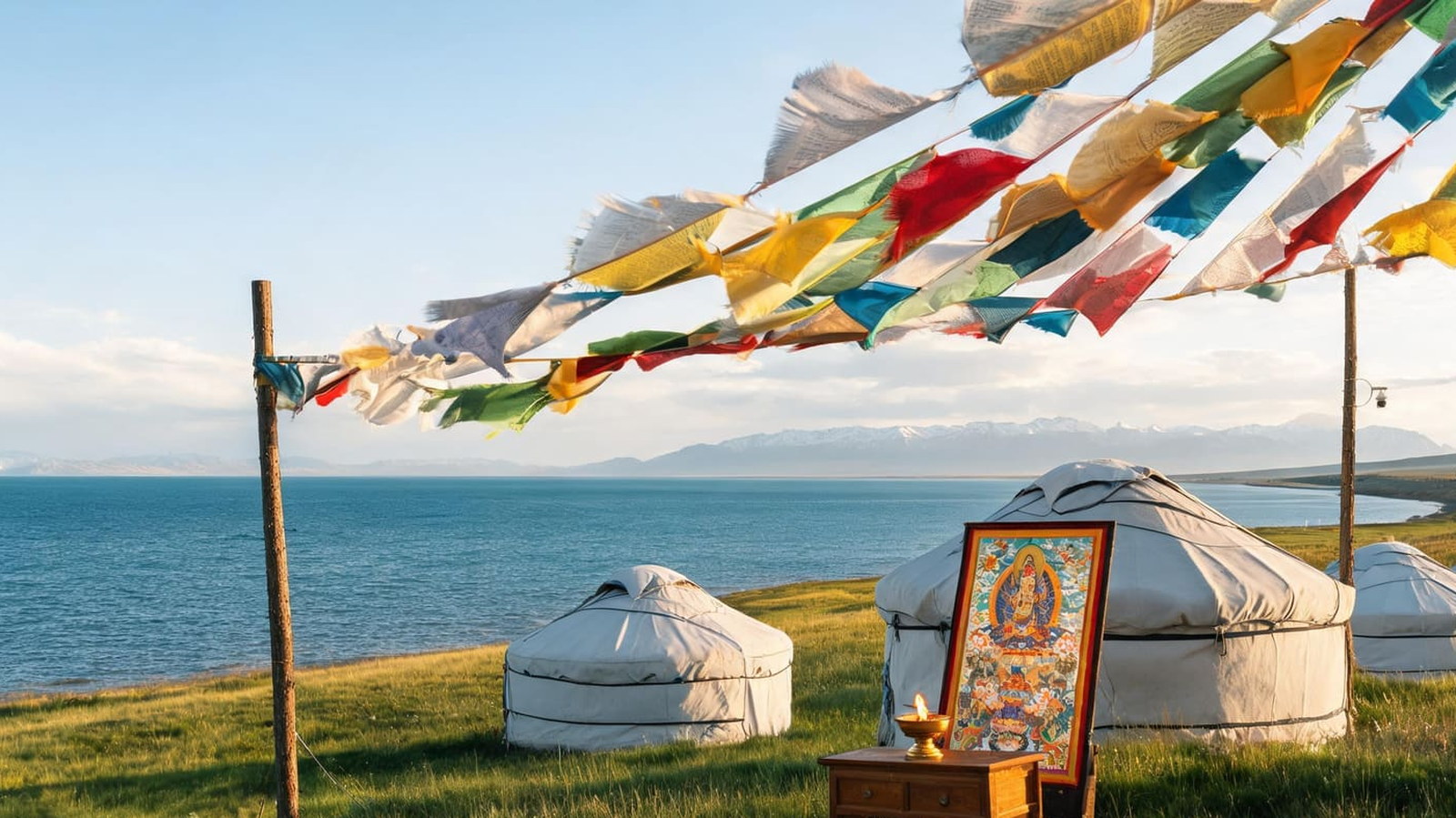
For Tibetan people a thangka is not merely a painting. Images from scripture, diagrams from Tibetan medicine and the stars of the calendar are all drawn on it; temples and households learn iconography from it and transmit knowledge through it, which is why it has been called an encyclopaedia of Tibetan culture. In 2006 thangka was entered on the first national list of intangible cultural heritage; in 2009 Regong arts, thangka among them, were inscribed on UNESCO's Representative List of the Intangible Cultural Heritage of Humanity.
To admire and to use · Tradition in everyday life
 Craft
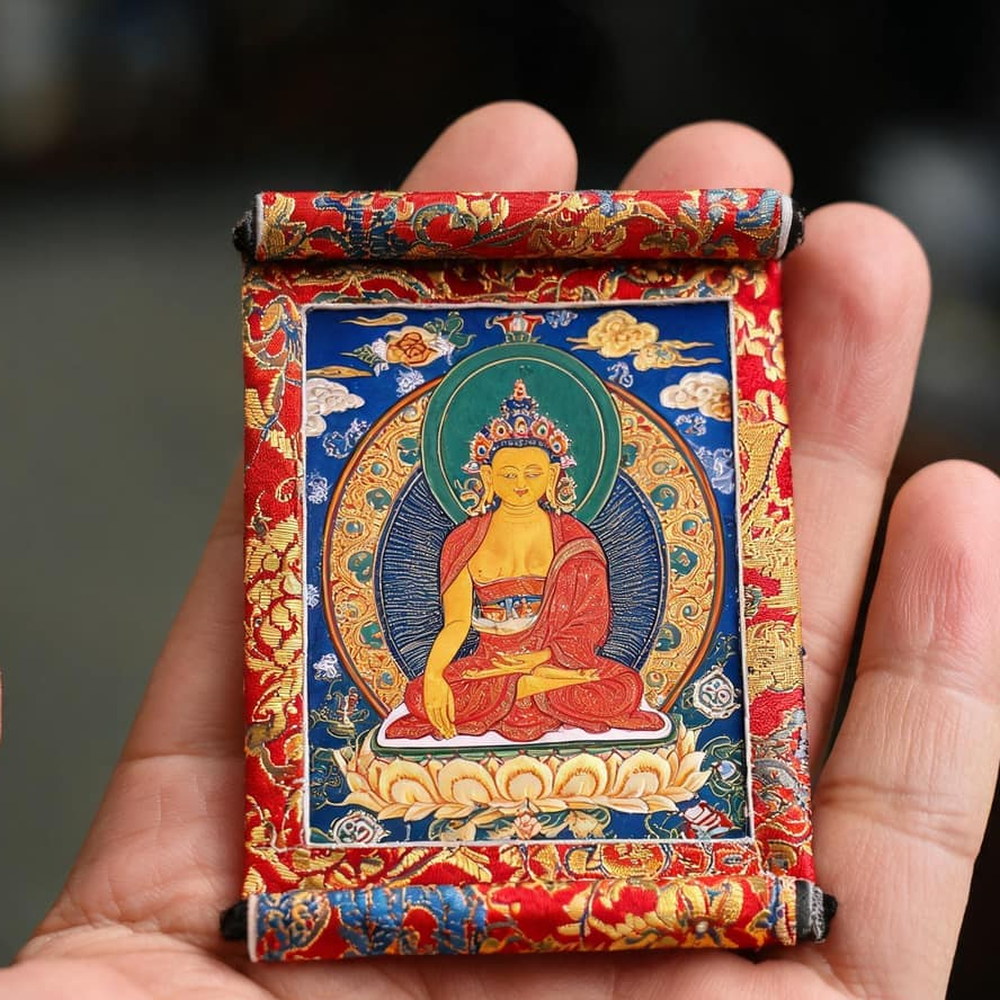
Framed it is a fine piece for the home; it also keeps you company in quiet
Case: Framed it is a fine piece for the home; it also keeps you company in quiet
 Experience
Grind the pigment, lay the gold, and find the flow of full attention
Case: Grind the pigment, lay the gold, and find the flow of full attention
 Craft
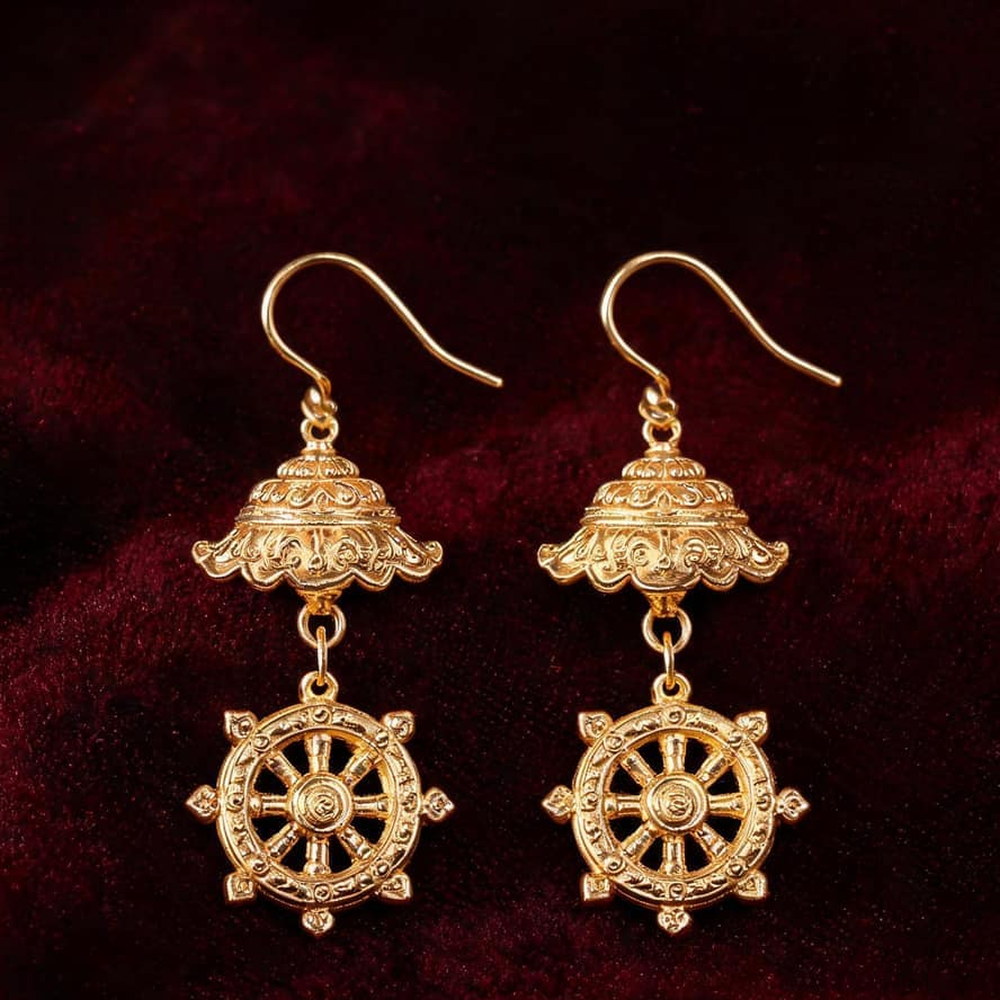
Endless knot and dharma wheel — ornaments with mystery and meaning
Case: Endless knot and dharma wheel — ornaments with mystery and meaning
 Experience
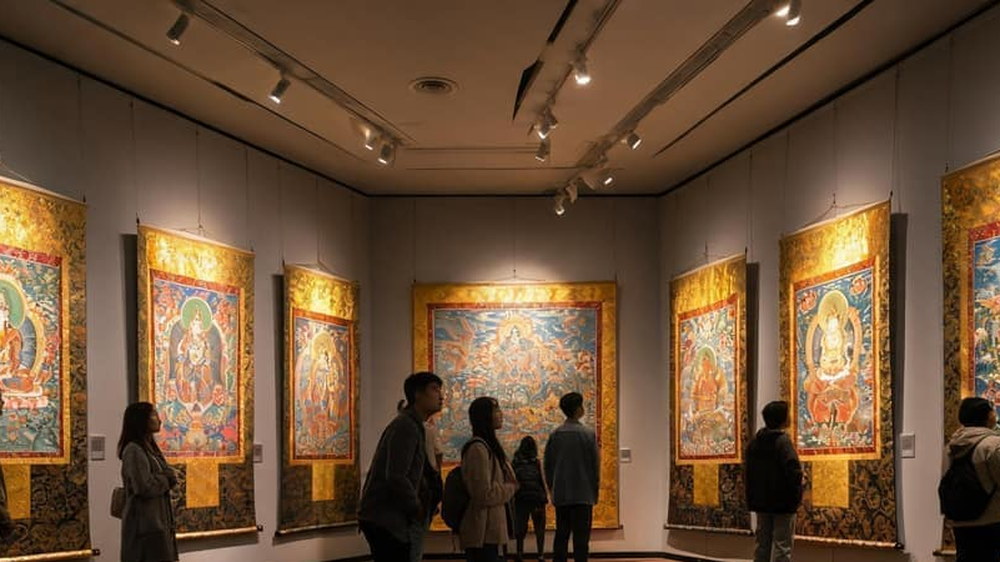
Understand the minerals and the canon of measure, and stop skimming the galleries
Case: Understand the minerals and the canon of measure, and stop skimming the galleries
 Home
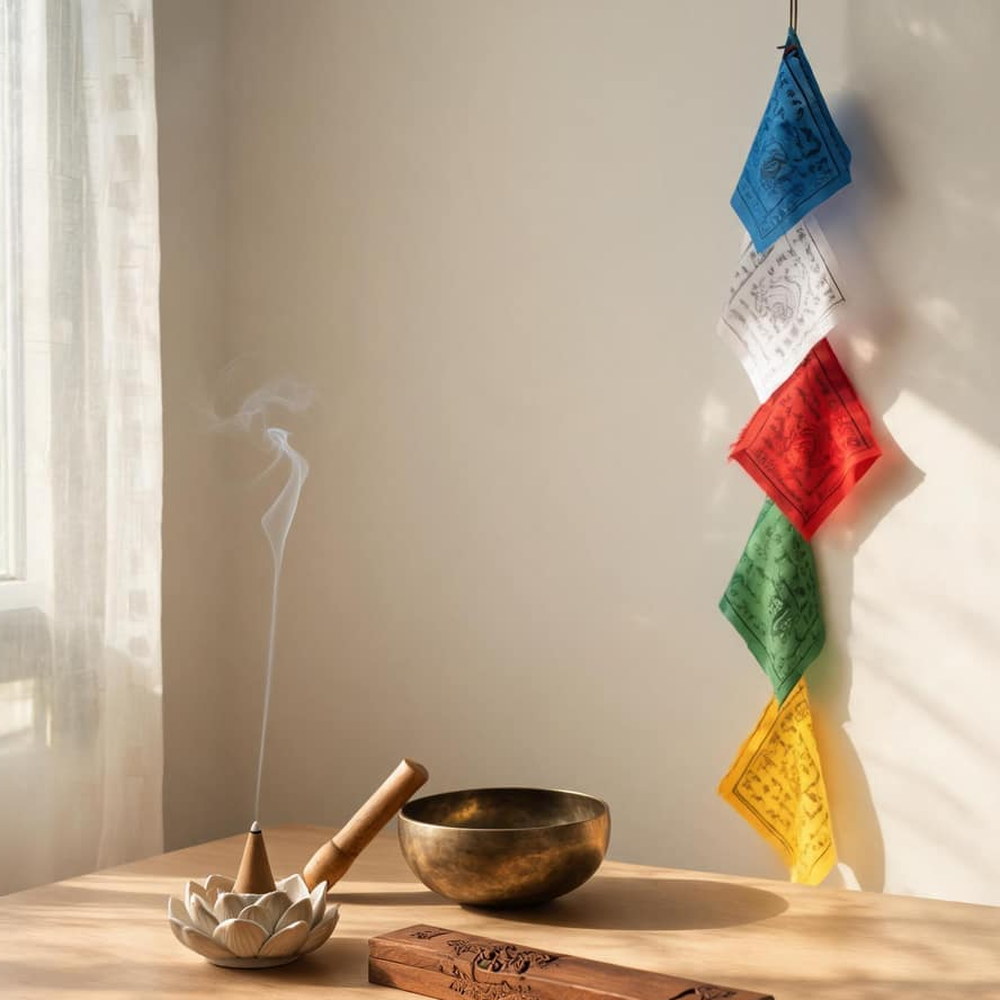
With a thangka, build a corner for mindfulness at home — eases anxiety, helps sleep
Case: With a thangka, build a corner for mindfulness at home — eases anxiety, helps sleep
← Scroll sideways for more →
Links lead to third-party marketplaces. This site has no promotional relationship with them.
Travel proposals · Meet the custom in its real setting
← Scroll sideways for more →
Related customs
← Scroll sideways for more →
Fact-checked October 2026 · every citation traceable
Primary sources are Chinese-language publications, cited for traceability. Bodies without a standard English name are listed by domain.