Tianjin Imperial Fair
Home/Categories/Festival customs/Tianjin Imperial Fair
Festival customsTianjin

Tianjin Imperial Fair

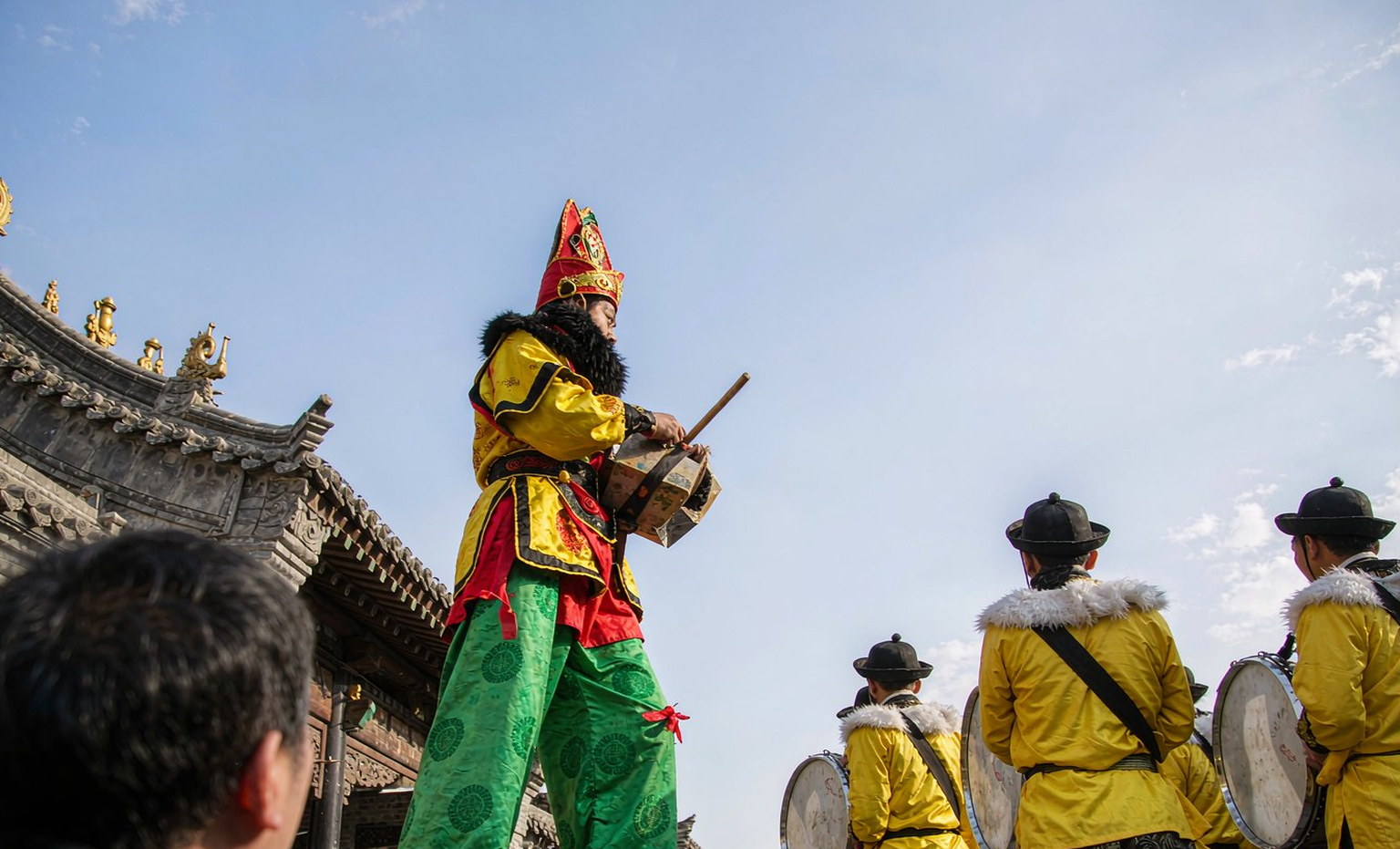
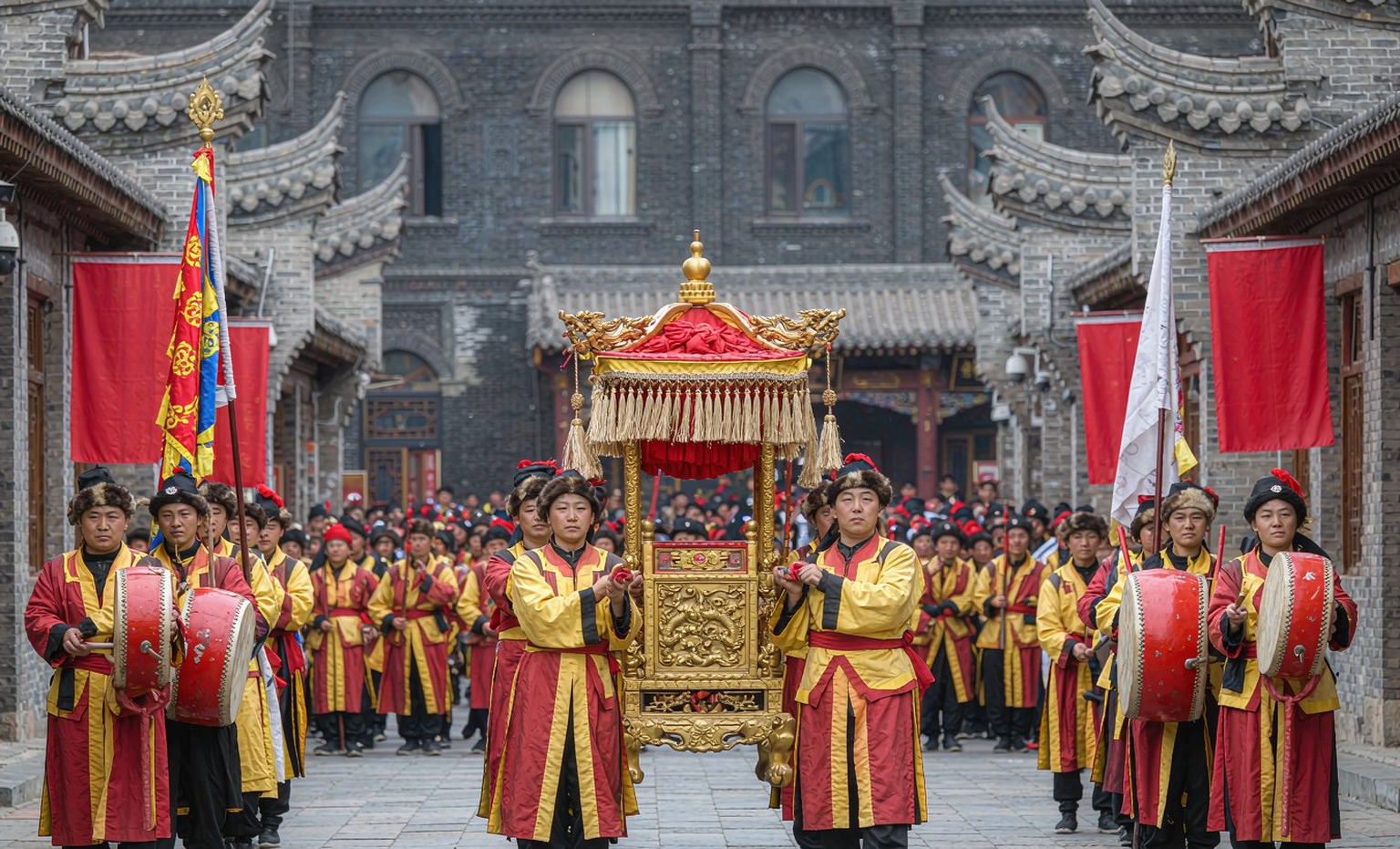
In the third lunar month old Tianjin turns out wholesale. Drum troupes, stilt walkers, precious sedans and banner poles line up, and scores of hui process through the streets: the huanghui, or Imperial Fair, is held for Mazu's birthday, and it is also Tianjin's own carnival.

National ICH Intangible Cultural Heritage lists · national list, inscribed 2008 · First batch, extension (2006) Ⅹ-36 Heritage List →
Season Festival dates Processions around the twenty-third of the third lunar month, Mazu's birthday · Best time Around the birthday; out of season, the Tianhou Palace displays Travel →

According to the China Intangible Cultural Heritage Network, the Mazu rites of the Tianjin Imperial Fair carry serial number 484 and code Ⅹ-36, and were inscribed on the second national list of intangible cultural heritage in 2008 as an expansion item, nominated by the Tianjin Folk Museum; the parent element, the Mazu rites, was inscribed on the first national list in 2006, with Putian in Fujian as the nominating locality.

One city, one sea goddess, a hundred troupes on the march.

01

Why young people fall for it

Traditions, echoed by a new generation

In the 2024 programme for the goddess's birthday, flower troupes from Beijing, Tianjin and Hebei paraded and performed together. Old drum music met a new audience, and the Imperial Fair stopped being a memory for the elderly and became a Tianjin symbol you can join in with.

01

Originally the Niangniang Fair or the Tianhou Holy Fair, it is the north's own Mazu rite; the documentary record begins in 1665, the fourth year of the Kangxi reign, and it took the name Imperial Fair in the Qianlong period after imperial commendation

02

In 2008 the Mazu rites of the Tianjin Imperial Fair entered the second national list (Ⅹ-36, expansion item), nominated by the Tianjin Folk Museum

03

The fair runs from the fifteenth to the twenty-third of the third lunar month, with processions on the sixteenth, eighteenth, twentieth and twenty-second; the repertoire runs to dozens of forms — street-clearing, gate banners, drum music, stilts — in troupes of twenty or thirty up to a hundred

02

Origins & Practice

History · Customs · Cultural meaning

Tianjin Imperial Fair·Historical Origins Tianjin Imperial Fair · Historical Origins
1

Historical Origins

One continuous line · back to the source

Mazu, known among the people as Tianhou, is the goddess who protects seafarers. When grain shipping expanded under the Jin and Yuan, southern sailors brought the devotion to Tianjin and prayed for safe passage. The Tianjin Imperial Fair began as the celebration held for Mazu's birthday, the twenty-third of the third lunar month.

Oral tradition takes the fair back to the Yuan and Ming; the documentary record begins in 1665, the fourth year of the Kangxi reign. In the Qianlong period the Niangniang Fair was commended by the emperor for its scale and took the name Imperial Fair, which has lasted to this day. In 2008 the Mazu rites of the Tianjin Imperial Fair entered the second national list of intangible cultural heritage (Ⅹ-36, expansion item), nominated by the Tianjin Folk Museum.

Tianjin Imperial Fair·Customs and Practice Tianjin Imperial Fair · Customs and Practice
2

Customs and Practice

Seasonal ritual · everyday life

In the old days the fair ran nine days, from the fifteenth of the third lunar month to the goddess's birthday on the twenty-third, with flower-troupe performances on the sixteenth, eighteenth, twentieth and twenty-second. It was an organised temple fair with strict rules: street-clearing, gate banners, great lions, nimble beasts, banner poles, waist drums, shoulder-boxes, drum music, land boats, yangge, stilts — dozens of forms gathering the best of Tianjin's folk skills.

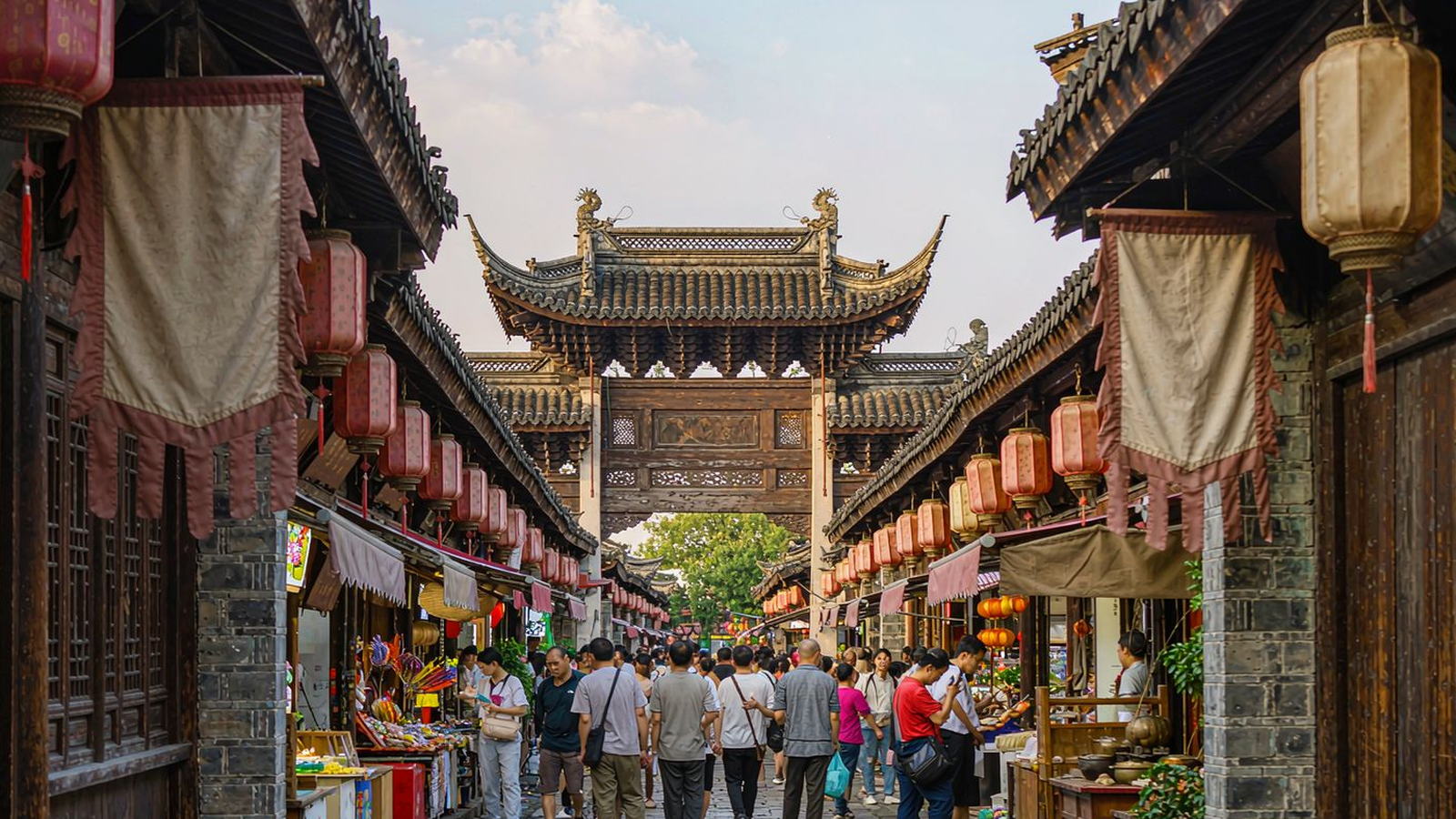
Each performing group is called a hui, and a fair might field twenty or thirty of them or more than a hundred. No two years are quite alike in repertoire or in number. When Tianhou goes out on procession the troupes perform along the streets, the route runs through the old city, and the whole town turns out.
Tianjin Imperial Fair·Cultural Significance Tianjin Imperial Fair · Cultural Significance
3

Cultural Significance

Where the heart points · carried down the generations

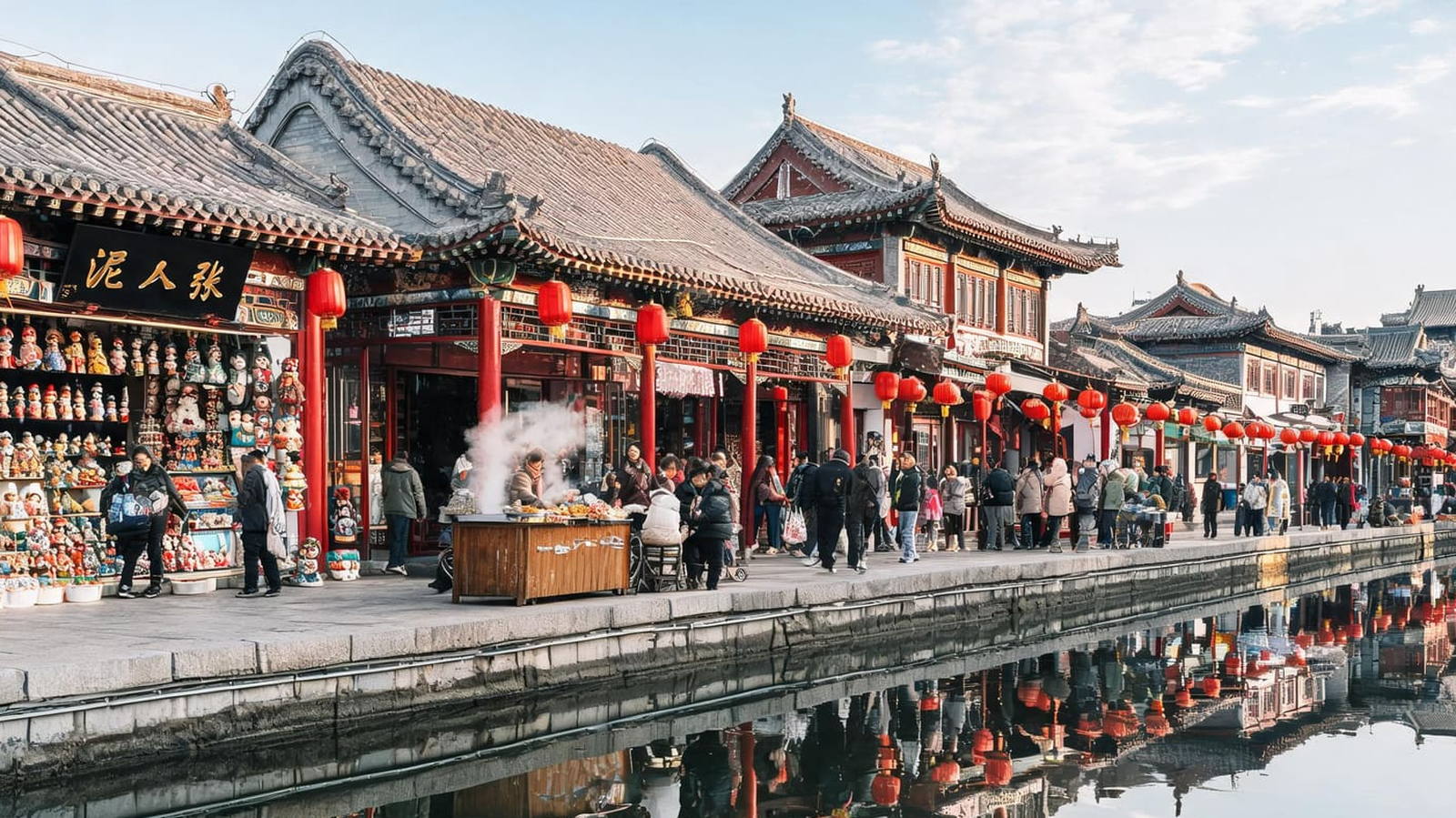
The fair long ago outgrew its ritual purpose. It folds deity worship, prayers and vows, competitive performance, rural and urban trade and family reunions into one occasion, and it is the liveliest stroke in Tianjin's character: the everyday warmth of the people of the riverbank is all there, in a hundred troupes.

In 2024, for the 1064th anniversary of the goddess's birth, flower troupes from Beijing, Tianjin and Hebei joined the parade. A hundred troupes marching for one sea goddess are showing a new audience the scale Tianjin can still put on.

03

Folk goods · Bring the tradition home

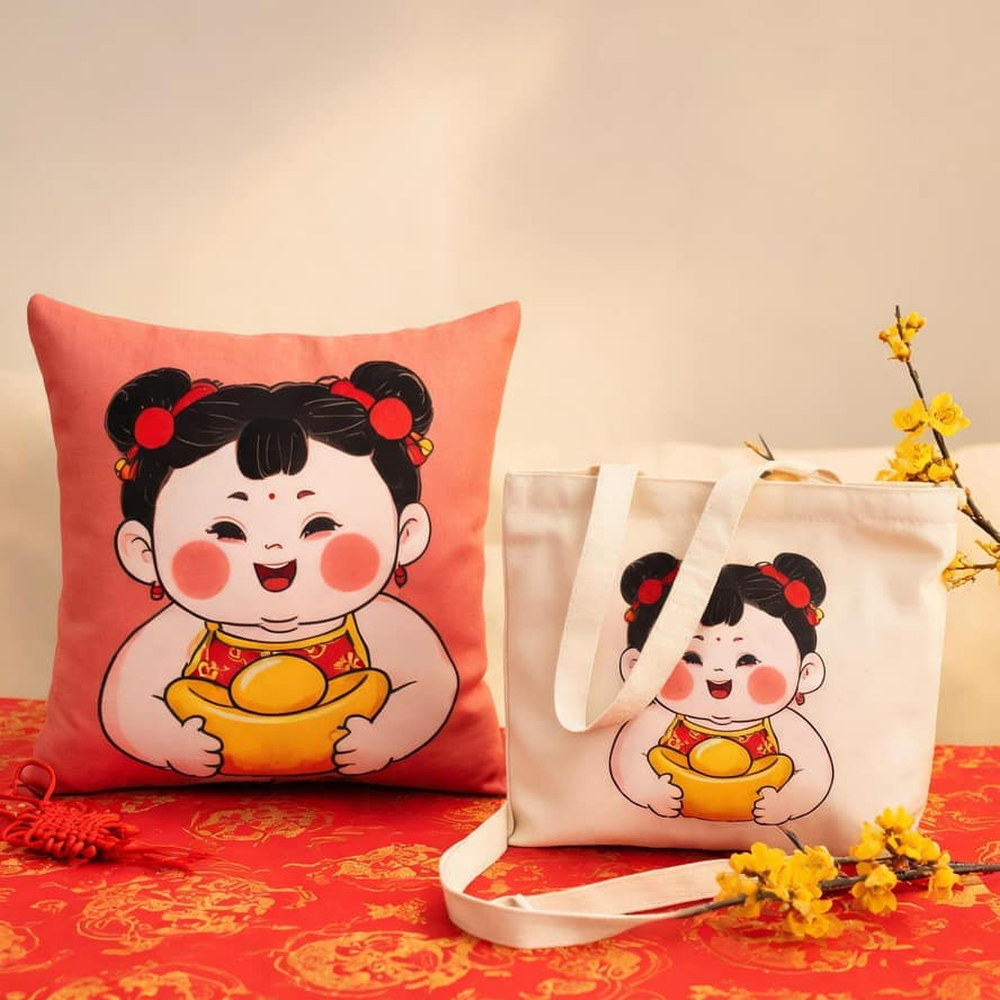
To admire and to use · Tradition in everyday life

← Scroll sideways for more →

Links lead to third-party marketplaces. This site has no promotional relationship with them.

04

Where to experience Tianjin Imperial Fair

Travel proposals · Meet the custom in its real setting

← Scroll sideways for more →

+

Keep exploring

Related customs

← Scroll sideways for more →

S

Sources

Fact-checked October 2026 · every citation traceable

Primary sources are Chinese-language publications, cited for traceability. Bodies without a standard English name are listed by domain.