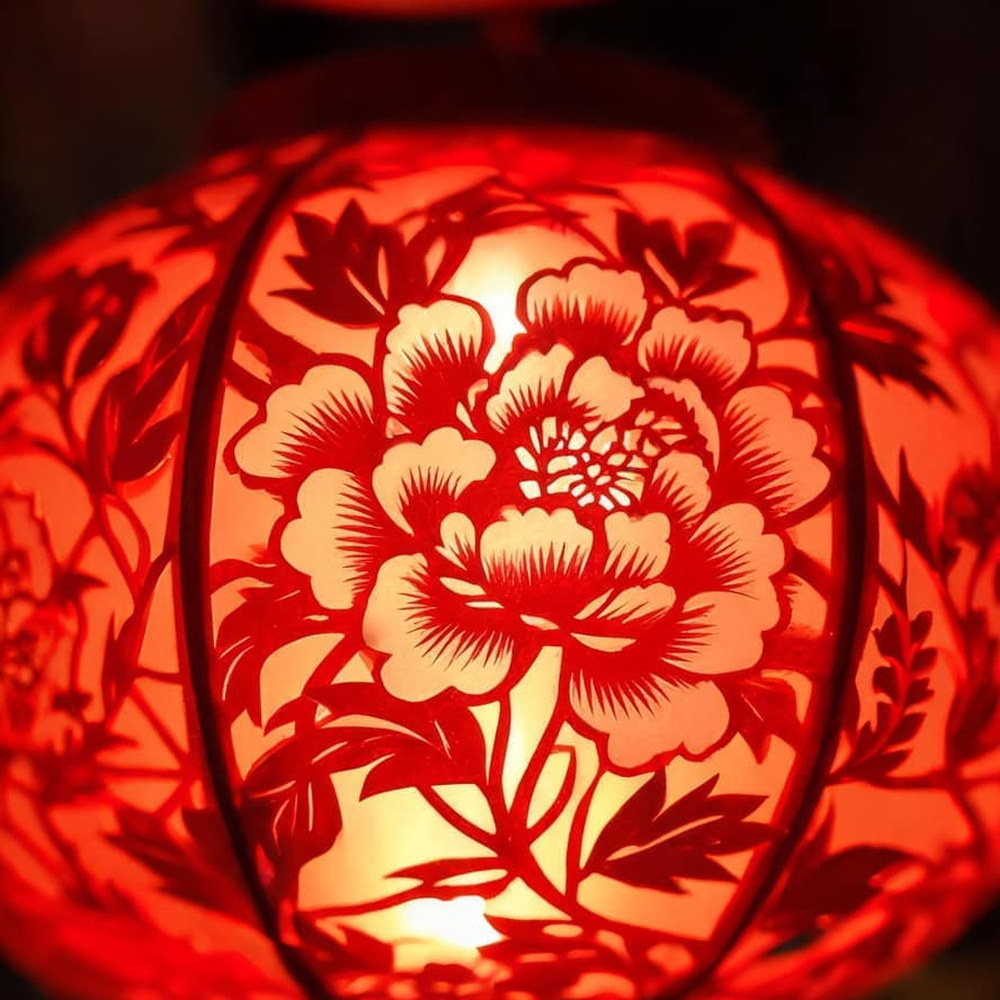
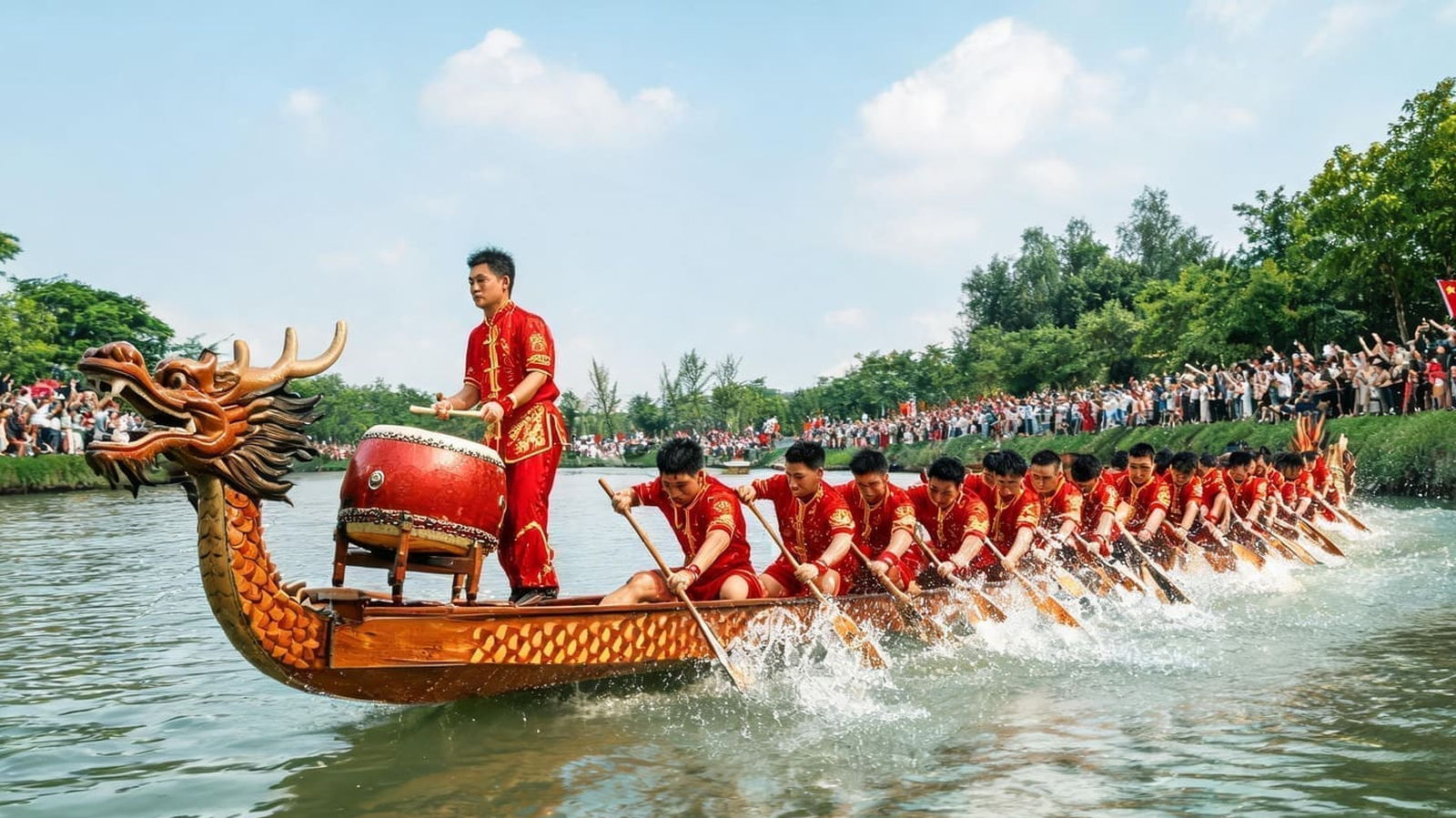
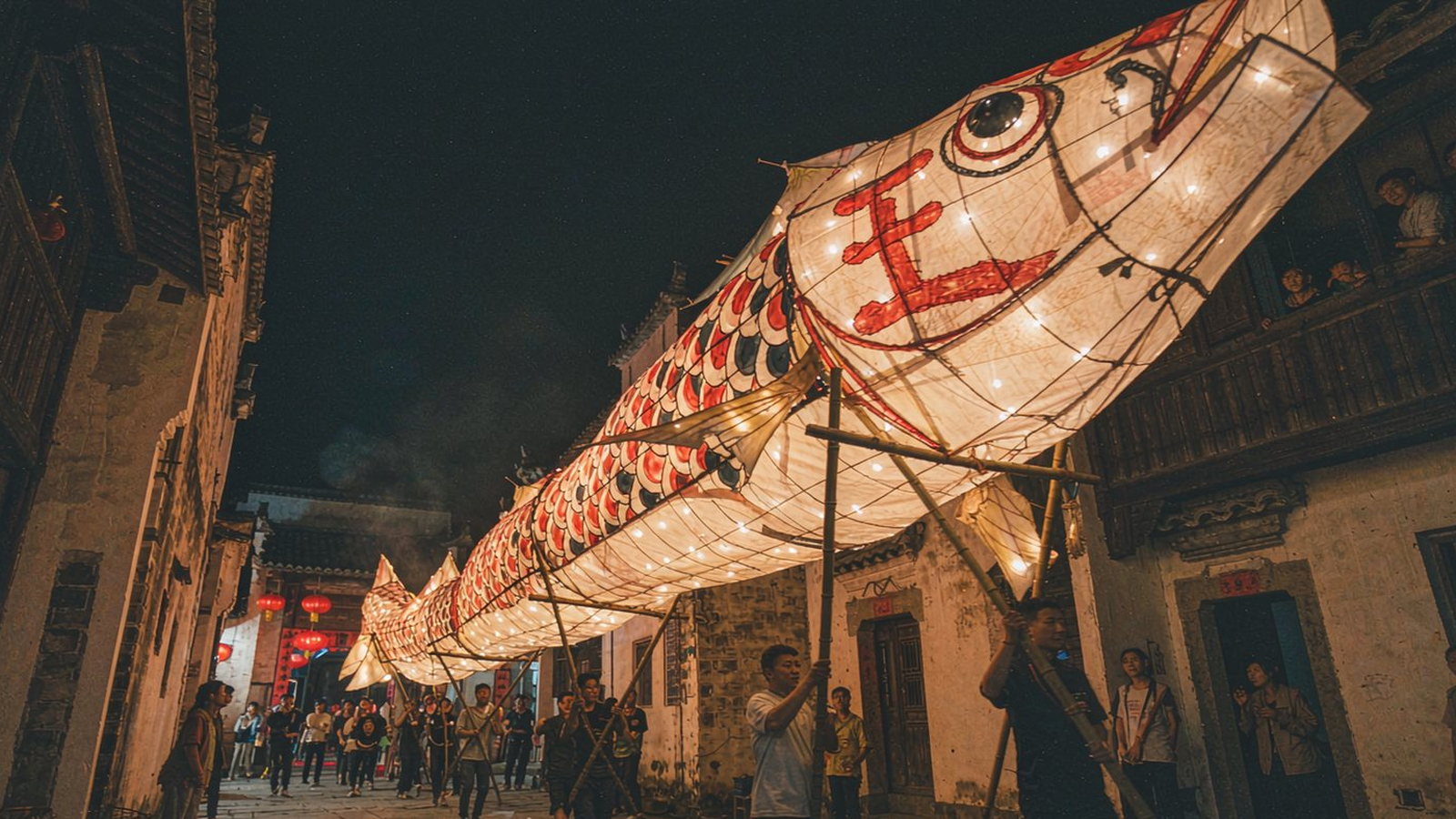
On the fifteenth of the first month, before the sky is fully dark, someone at the lane's mouth is already carrying out a ladder to hang lanterns. Bamboo-rib frames pasted with red paper, a candle lit inside — when the wind passes, the shadows sway on the wall. In the kitchen the water boils and yuanxiao rise one by one, white and plump and round.
Paper slips hang beneath the lamps — 'one bite takes the ox's tail', guess a character. The crowd around stays silent, fingers tracing strokes on palms. Whoever solves it tears down the slip and claims the prize at the stall. On the eighteenth the lanterns come down one by one, and with them the New Year ends.
'Fire on the thirtieth night, lamps on the fifteenth' — the year is not closed until the lanterns come down on the eighteenth.
Traditions, echoed by a new generation
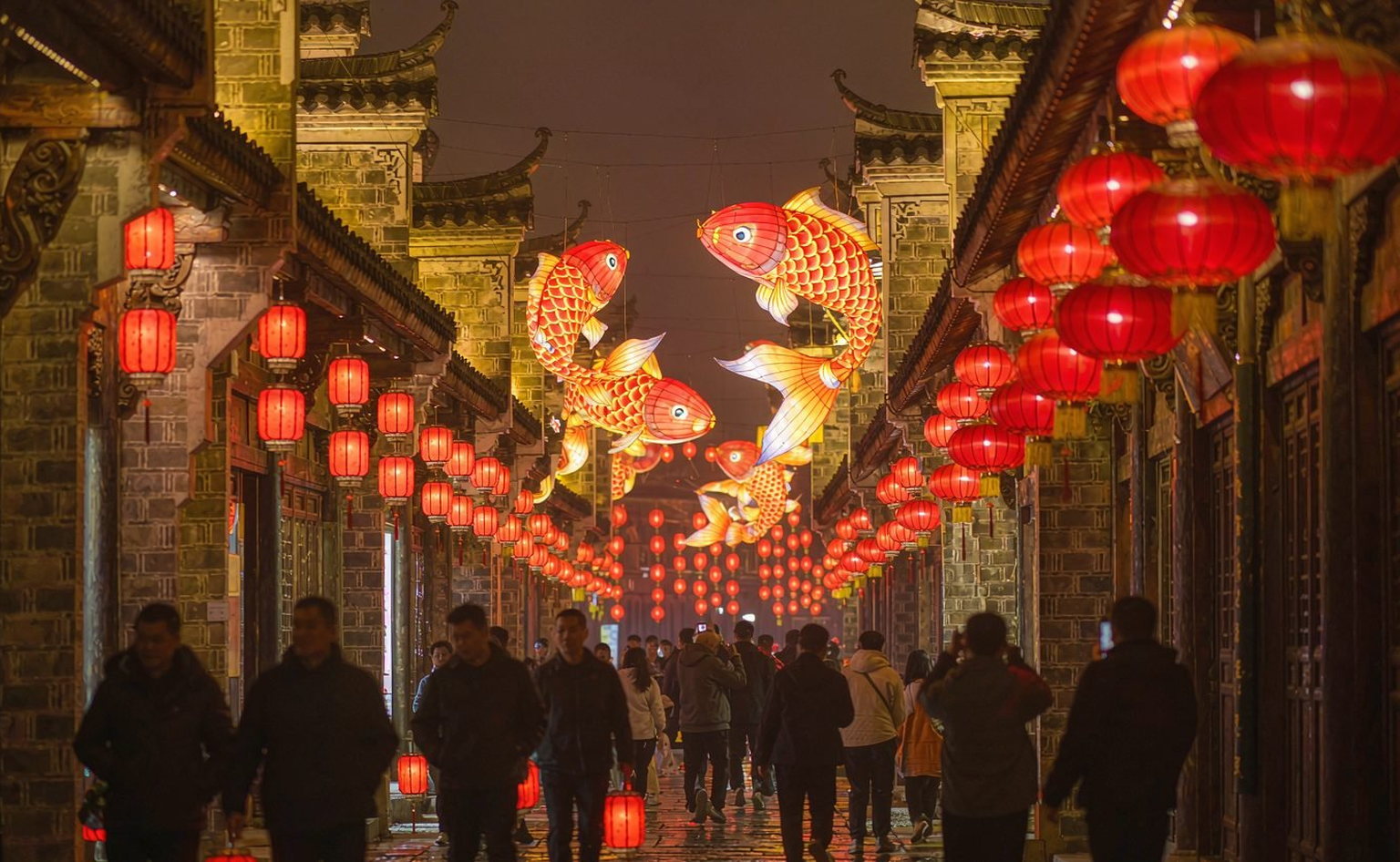
On the night of the fifteenth, a whole city walks toward the light: to see lanterns, guess riddles, and buy a bowl of yuanxiao.
'Fire-trees and silver flowers, the star bridge and its iron lock open' — Su Weidao wrote of this very night, when the Tang city gates stayed unbarred
Yuanxiao are rolled, not wrapped: filling cut to cubes, dipped in water, shaken in a basket of glutinous flour, growing layer by layer
On the sixteenth, cross the bridges in company and touch the gate studs — 'walking off the hundred ills'; walk it, and the year ahead keeps you well
History · Customs · Cultural meaning
The Lantern Festival · Origins
From sacrifice to lamplight
The ancients called the night of the fifteenth 'yuanxiao'. The Shuowen explains: yuan means first, xiao means night — the year's first full-moon night, hence the name; it is also called Shangyuan, yuanxi, or the Lantern Festival. As a fixed folk festival it is generally dated to after the Han and Wei.
Its sources run in two streams. One is native sky-worship: under Emperor Wu of Han, the Taizhen god was sacrificed at Ganquan Palace on the first xin night of the first month — the Shiji records that the rite began at dusk and ended at dawn — read by later generations as the festival's herald. The other came with Buddhism: in the Yongping reign of Emperor Ming (Eastern Han), the faith was promoted and an order required that lamps be lit in palace and monasteries on the night of the fifteenth 'to honour the Buddha with light'; from there the custom spread among the people. Later, Daoism named the day Shangyuan, when the Officer of Heaven bestows blessings.
Tang curfews were strict, yet around the Lantern Festival the ban was specially lifted and lamps burned all night. Emperor Xuanzong decreed that the market wards stay open with lamps on the fourteenth, fifteenth and sixteenth, 'as a lasting rule'; Su Weidao's fire-trees and silver flowers describe exactly that unlocked Chang'an. The Song stretched the fair to five days, the Ming to ten — the longest lantern season China has known. In 2008 the Lantern Festival entered the second batch of the national intangible cultural heritage list as item Ⅹ-71.
The Lantern Festival · The customs
Lamplight and reunion
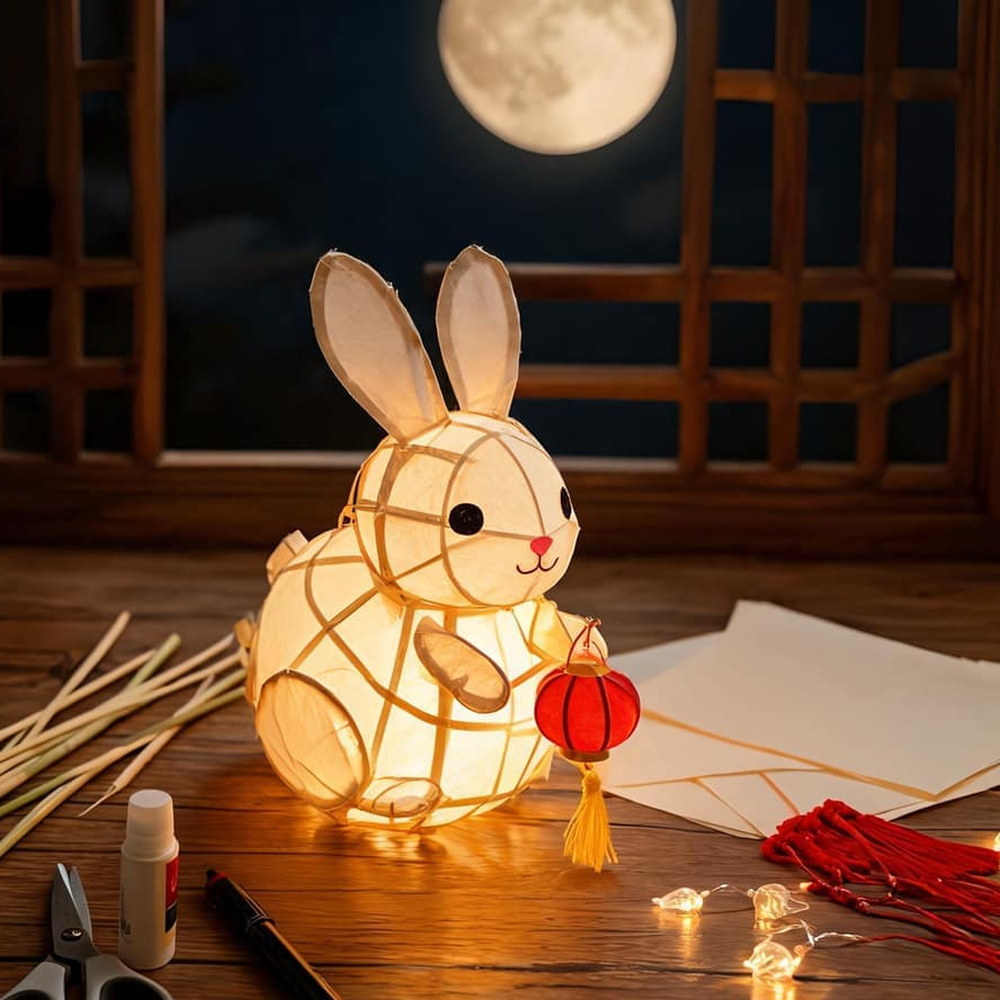
The lamp is the festival's protagonist. In the old almanac of the days: lamps go up on the thirteenth, are tested on the fourteenth, burn in full on the fifteenth, come down on the eighteenth. The lamp-makers first bent bamboo ribs into frames, pasted thin paper or silk over them, then painted carp, lotus and rabbits. The Song even built 'turtle-mountain lanterns' — great pavilions of timber bound with coloured silk and hung with a thousand lamps, the crowds so thick that carts could not pass.
Lantern riddles were a Song addition: riddles written on slips pasted beneath the lamps, prizes for the answers. Dragon lanterns, lion dances, stilts, land boats, yangge drums and the taiping drum take the streets in turn on these days. The north adds 'walking off the hundred ills': on the night of the sixteenth women go out together, cross bridges, touch the studs on the city gates — and only then leave the year's sickness behind them.
The food runs on two rails. Northern yuanxiao are rolled: filling cut into small cubes, dipped in water, shaken in a basket of glutinous flour — a layer, a dip, until walnut-sized. Southern tangyuan are wrapped: flour and water kneaded to dough, a pinch pressed into a nest, filling added, the mouth closed, rounded in the palm. The old name for yuanxiao was 'floating rounds' — cooked when they rise.
The Lantern Festival · What it means
A good year, sons, and reunion
On the lanterns are written 'even rains and fair winds', 'a peaceful country and a people at ease'. The lamp custom began with prayers for the year's harvest, evolved from fire rites to heaven of the pre-Qin age. The word for lamp, deng, puns on ding — sons — so hanging, giving and viewing lamps carried a quiet blessing of adding to the family; in Wengyuan, Guangdong, hanging the lamp is still called 'celebrating the lamp'.
The fifteenth is the new year's first full-moon night, and 'full moon' reads naturally as 'full circle of people'. After the Song, tangyuan became the festival food and the theme of reunion was settled. In the old days women seldom went out freely — but on this one night they dressed up and walked out to see the lamps and the crowds. 'The moon tops the willow tips; we met after dusk' and 'I turn my head — and there she stands, where the lantern light is thinnest': both are written about this night.
On the eighteenth the lamps come down one by one, their paper smoked yellow, the bamboo ribs untied and bundled to the woodshed. The lane falls quiet; a few crushed lantern shells still lie on the ground, and a child crouches to pick one up — saying next year they will come again.
To admire and to use · Tradition in everyday life
Craft
Bamboo ribs, thin paper, paste and a length of cotton — bend the frame by the diagram, paste the skin, and out comes a hexagonal lamp
Case: Bamboo ribs, thin paper, paste and a length of cotton — bend the frame by the diagram, paste the skin, and out comes a hexagonal lamp
Craft
White paper over a bamboo frame on wooden wheels, pulled by a bamboo pole — the wheels click over the flagstones
Case: White paper over a bamboo frame on wooden wheels, pulled by a bamboo pole — the wheels click over the flagstones
Home
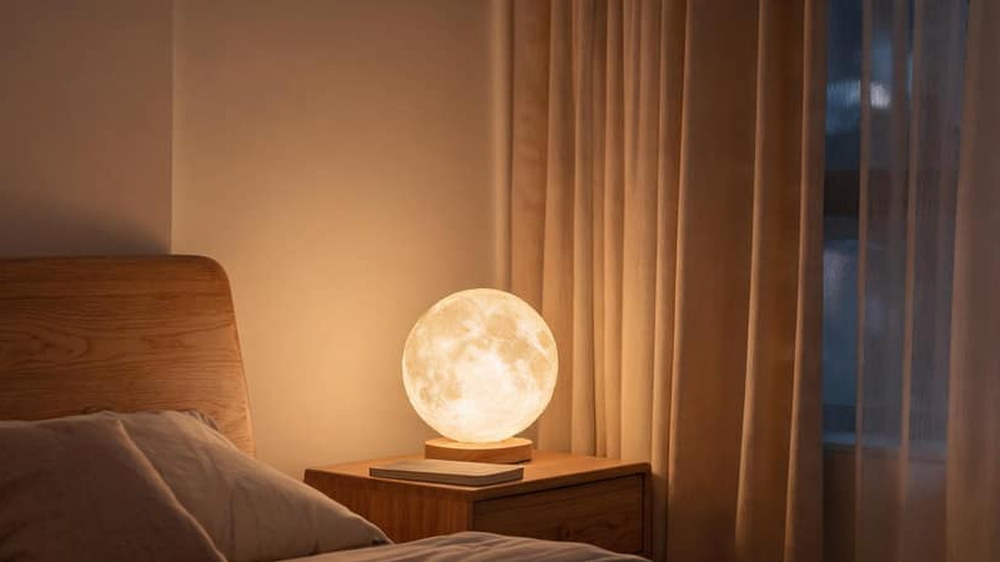
The shade shaped from crescent to full moon, a small bulb inside, the light glowing through the paper
Case: The shade shaped from crescent to full moon, a small bulb inside, the light glowing through the paper
Craft
A stack of red slips, riddle on the front, answer on the back, strung on fine hemp and hung beneath a lamp
Case: A stack of red slips, riddle on the front, answer on the back, strung on fine hemp and hung beneath a lamp
Food
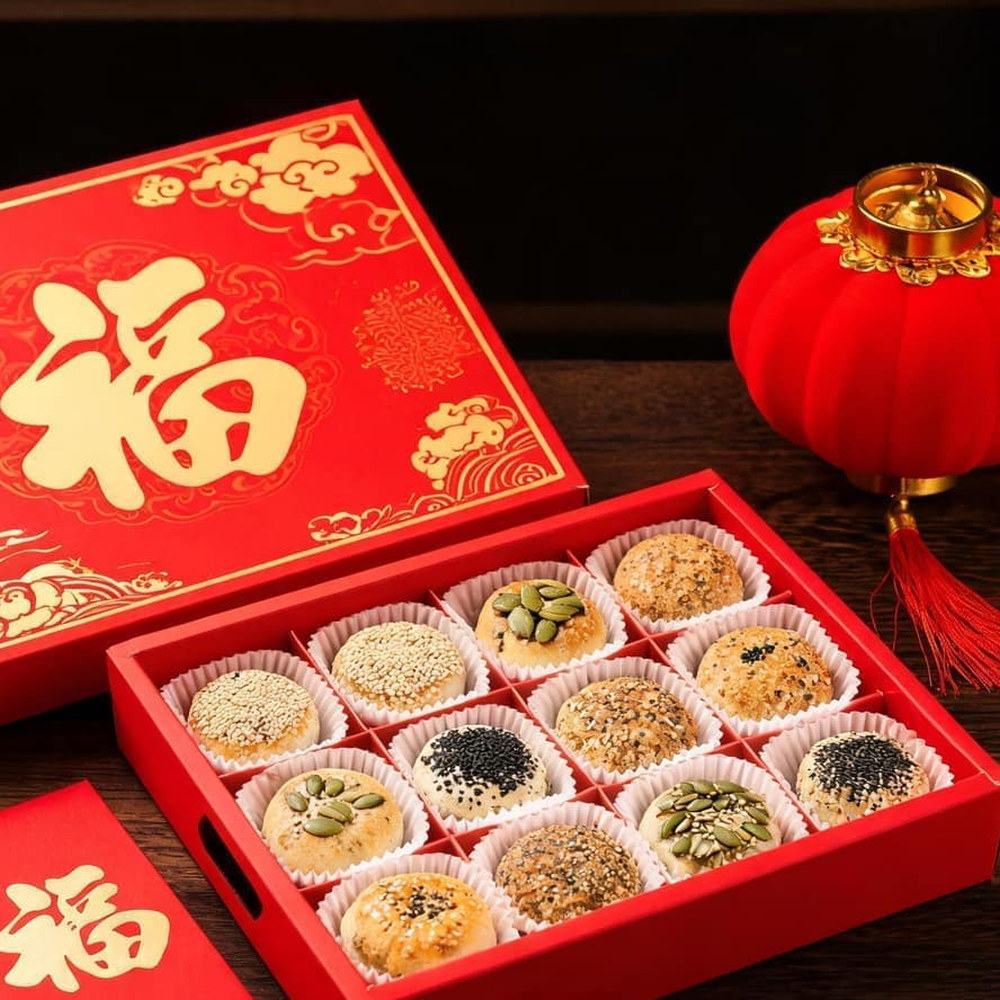
Glutinous flour, black sesame, lard, white sugar — the north rolls its filling in flour, the south wraps its filling in dough
Case: Glutinous flour, black sesame, lard, white sugar — the north rolls its filling in flour, the south wraps its filling in dough
← Scroll sideways for more →
Links lead to third-party marketplaces. This site has no promotional relationship with them.
Travel proposals · Meet the custom in its real setting
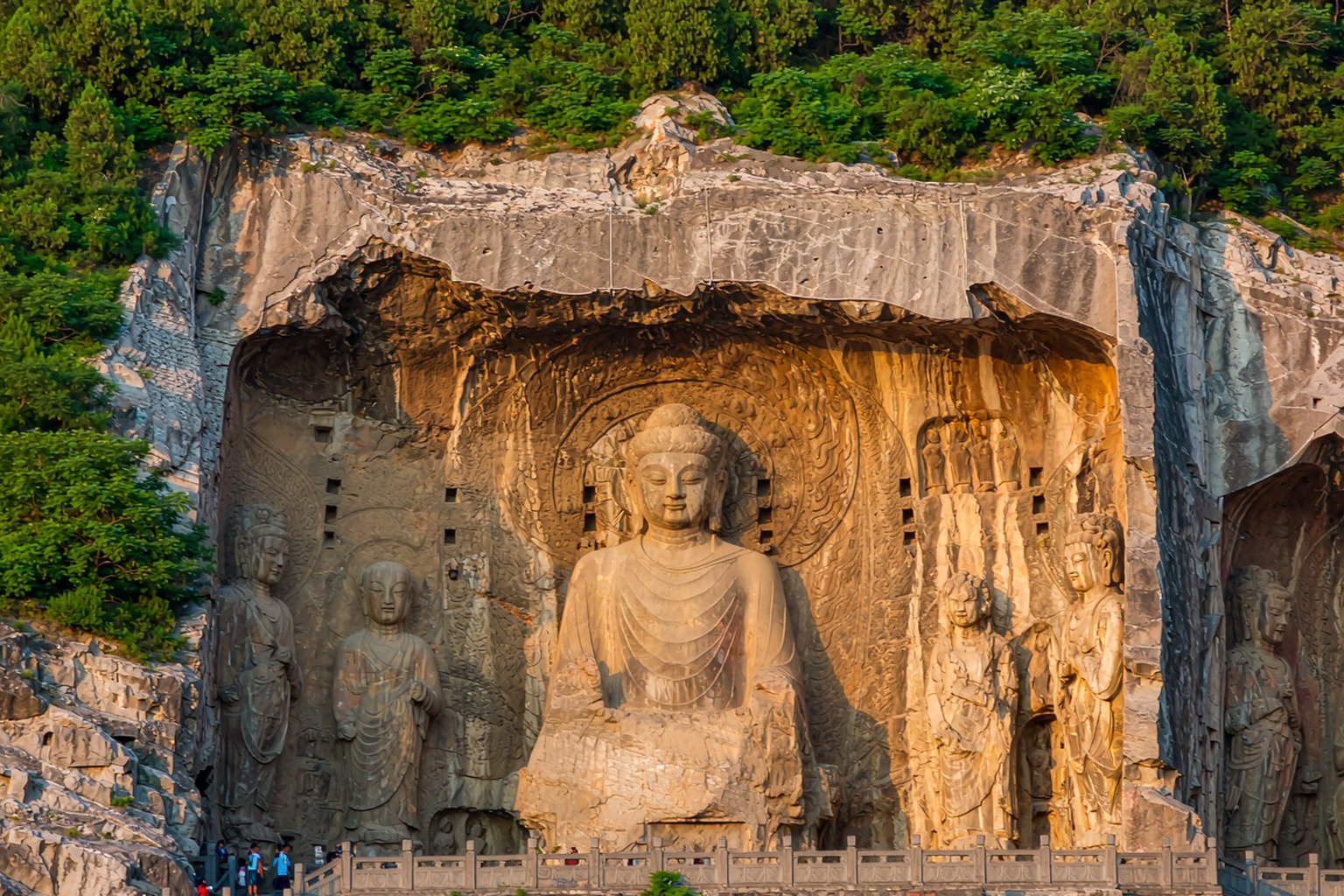
Illustrative photo
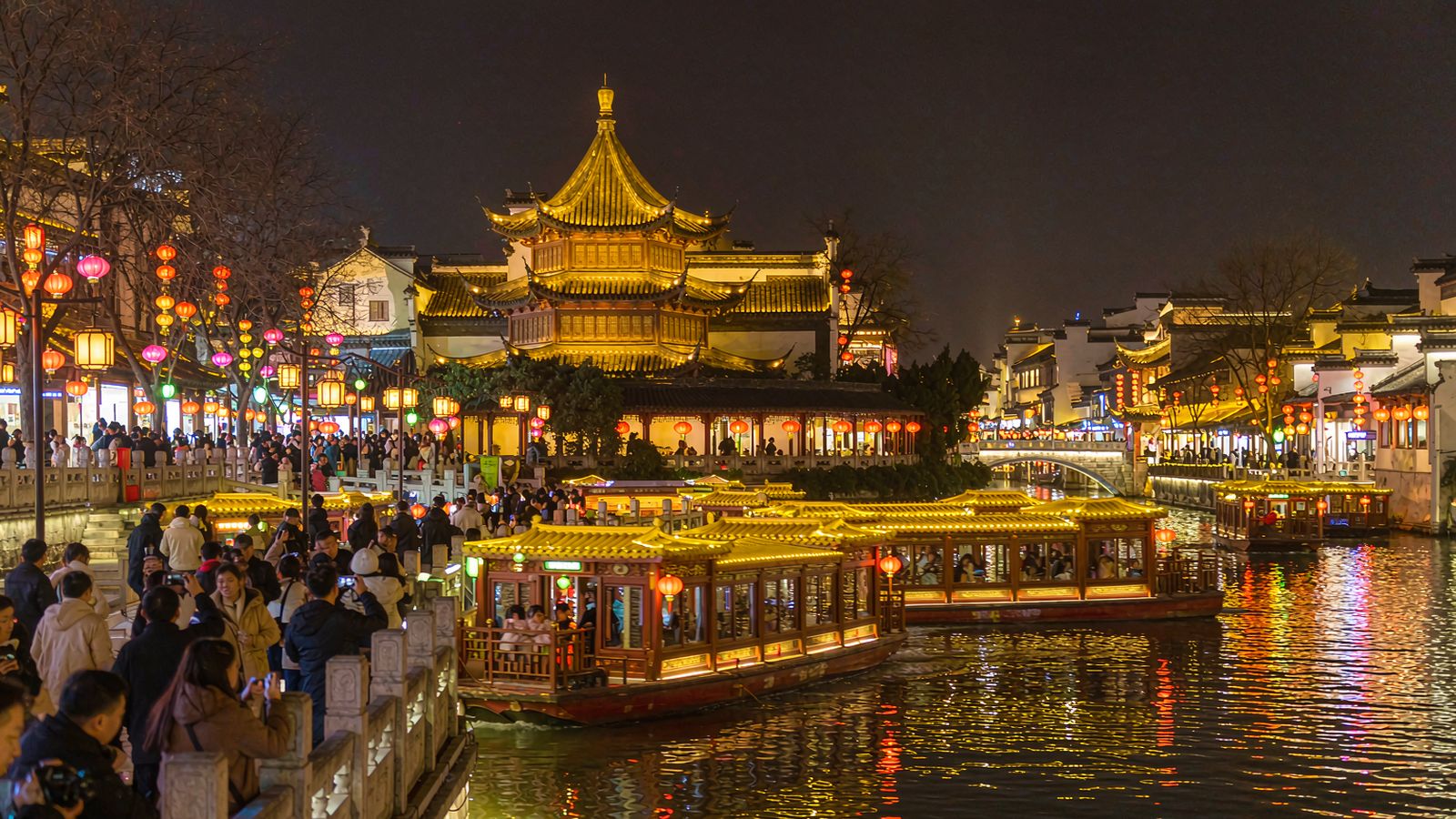
'The Qinhuai lanterns first under heaven' — one of the great lamp markets of the first month
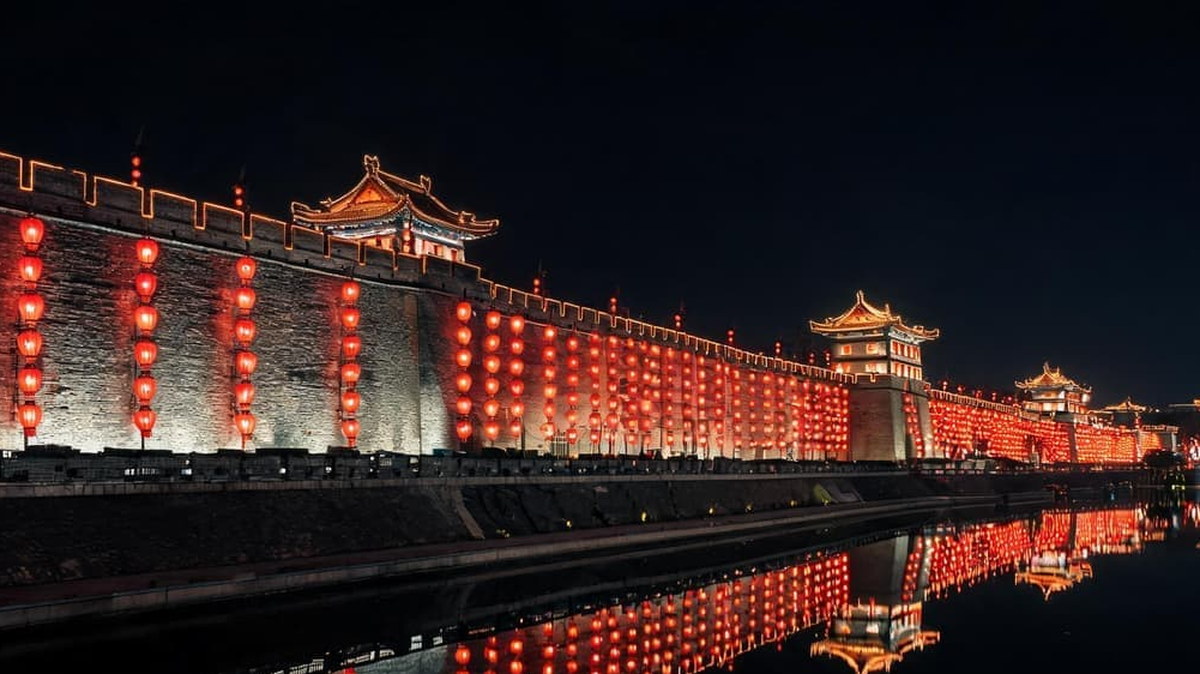
To walk the ramparts among lamps is how Chang'an keeps the New Year
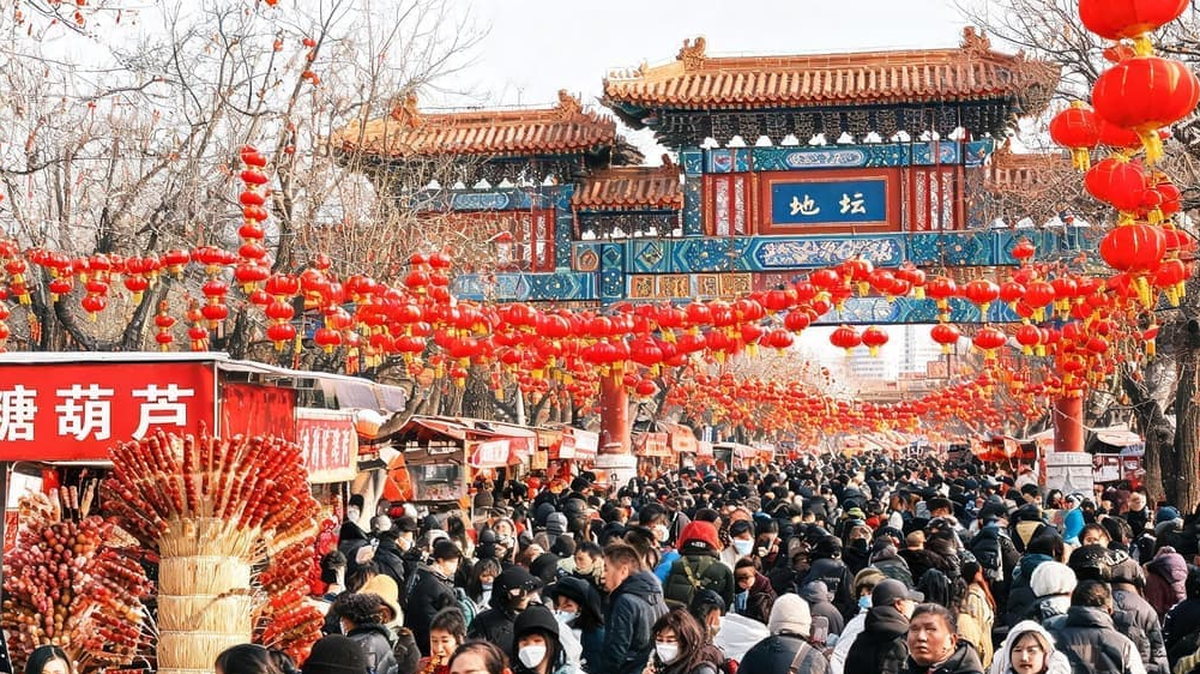
Old Beijing's New Year flavour — fair stalls, snacks, lanterns and pinwheels
← Scroll sideways for more →
Related customs
← Scroll sideways for more →
Fact-checked October 2026 · every citation traceable
Primary sources are Chinese-language publications, cited for traceability. Bodies without a standard English name are listed by domain.