FestivalXizang
Sho Dun Festival
Yoghurt for the monks, and Tibetan opera strikes up. At the end of the sixth Tibetan month a giant thangka is unrolled in the dawn light at Drepung, and Lhasa begins its liveliest week of the year.
Yoghurt for the monks, and Tibetan opera strikes up. At the end of the sixth Tibetan month a giant thangka is unrolled in the dawn light at Drepung, and Lhasa begins its liveliest week of the year.
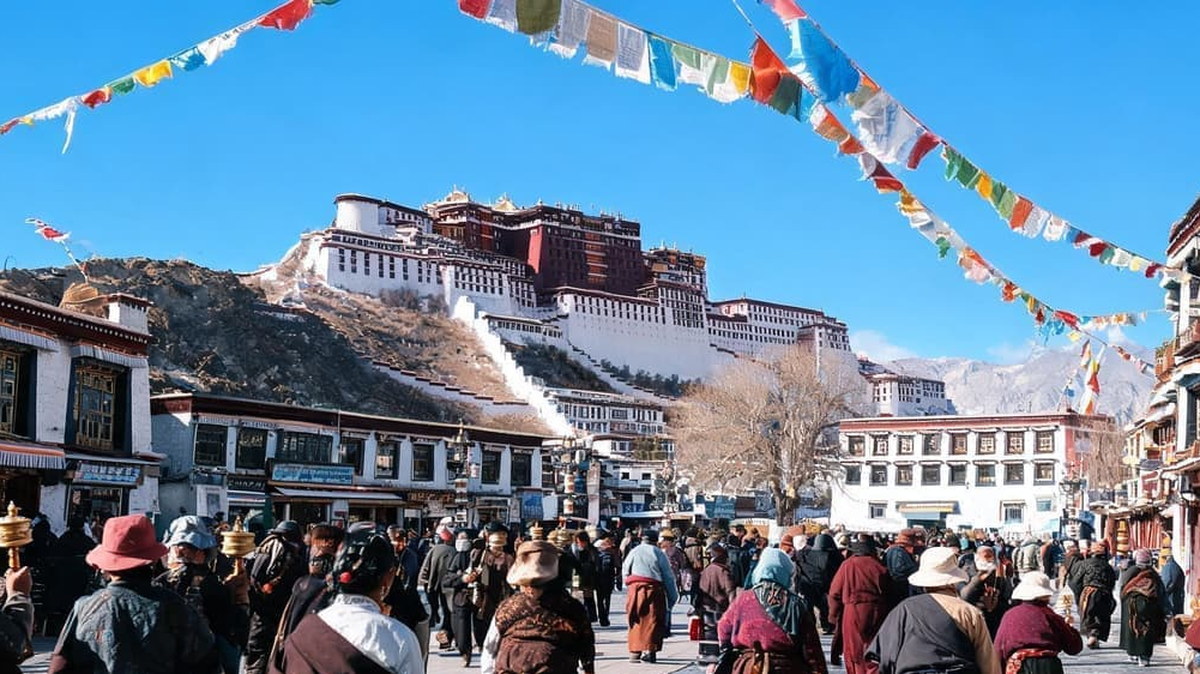
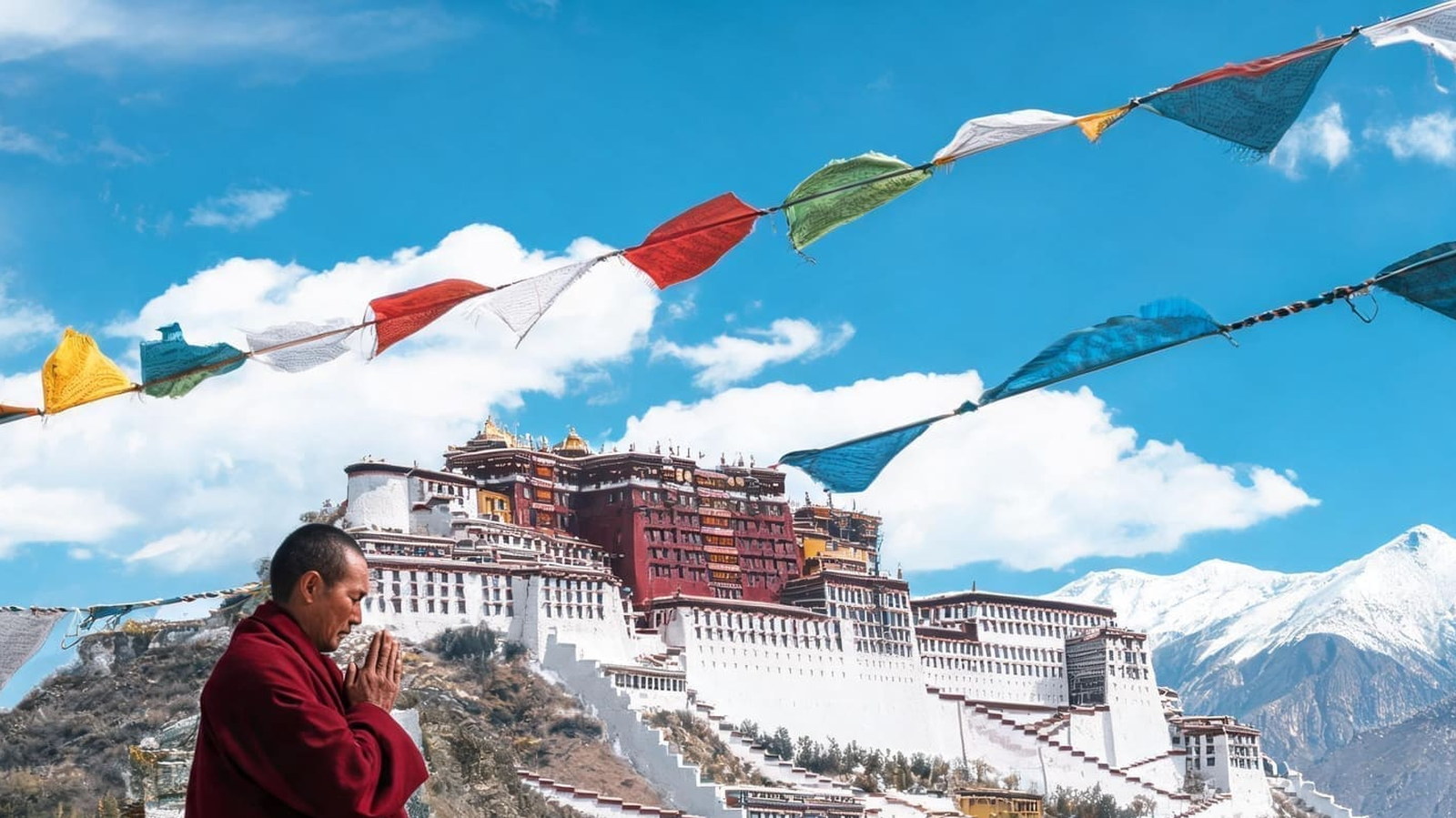
Well before daylight the ground below the thangka terrace behind Drepung Monastery is already full. To the sound of long horns, monks carry the rolled silk thangka up the mountain path and let it down slowly, top to bottom, in the first light. The scarves thrown up from the crowd look, from a distance, like a rain of white.
Yoghurt to thank the summer, Tibetan opera all day long — Sho Dun turns the plateau's late summer into a city-wide garden party.
Traditions, echoed by a new generation
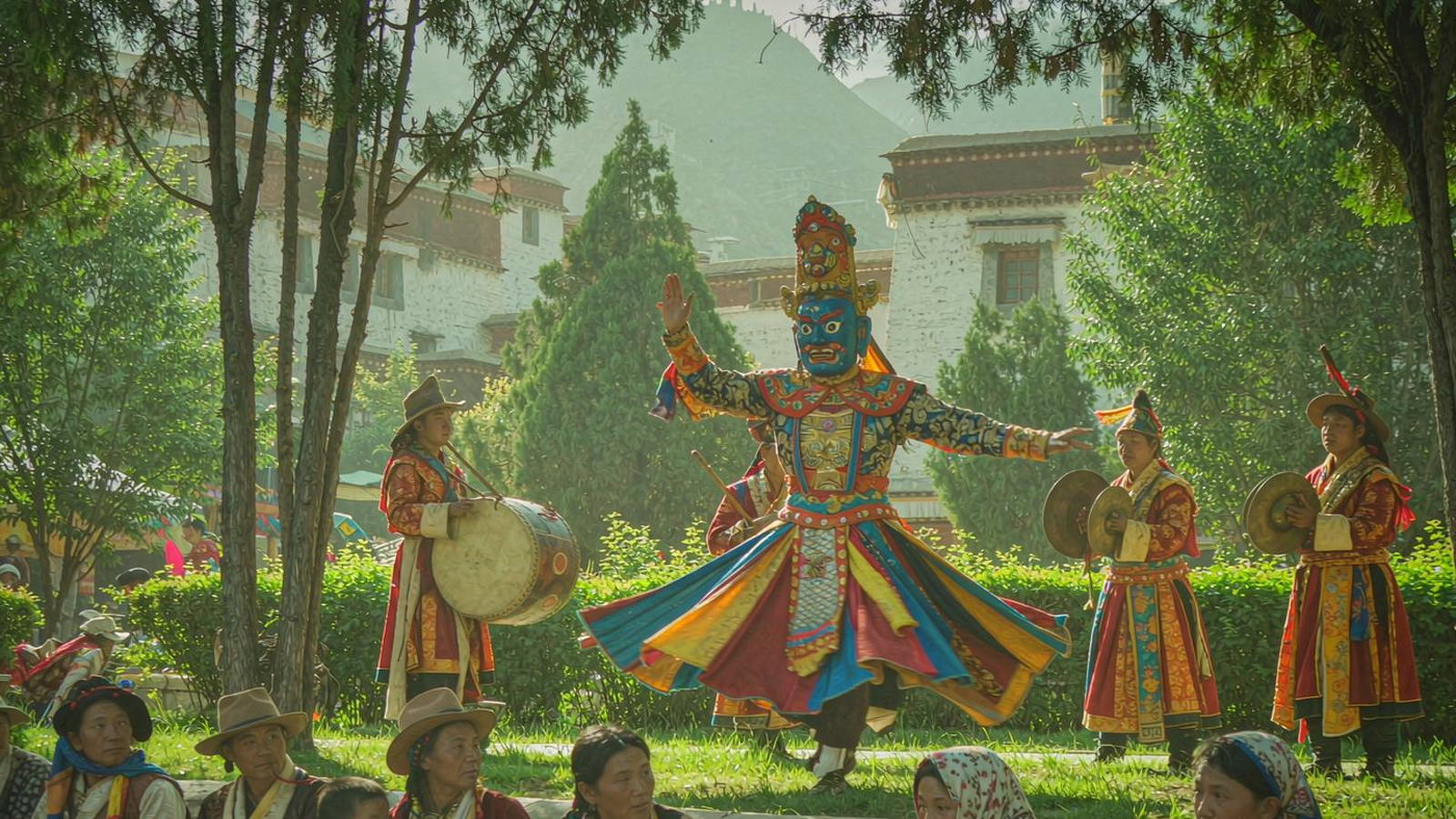
Some are up before dawn to hold a place before a thangka tens of metres wide; others travel a thousand miles for the masks and voices of Tibetan opera. Sho Dun is open-air theatre that runs for one week a year.
Tibetan opera is more than six centuries old: the moment a blue mask appears and drum and cymbals strike up, you are in a live presence found nowhere else
In Norbulingka people pitch tents, lay out carpets, watch opera and picnic — the 'lingka outing' is a plateau version of a camping-and-picnic festival
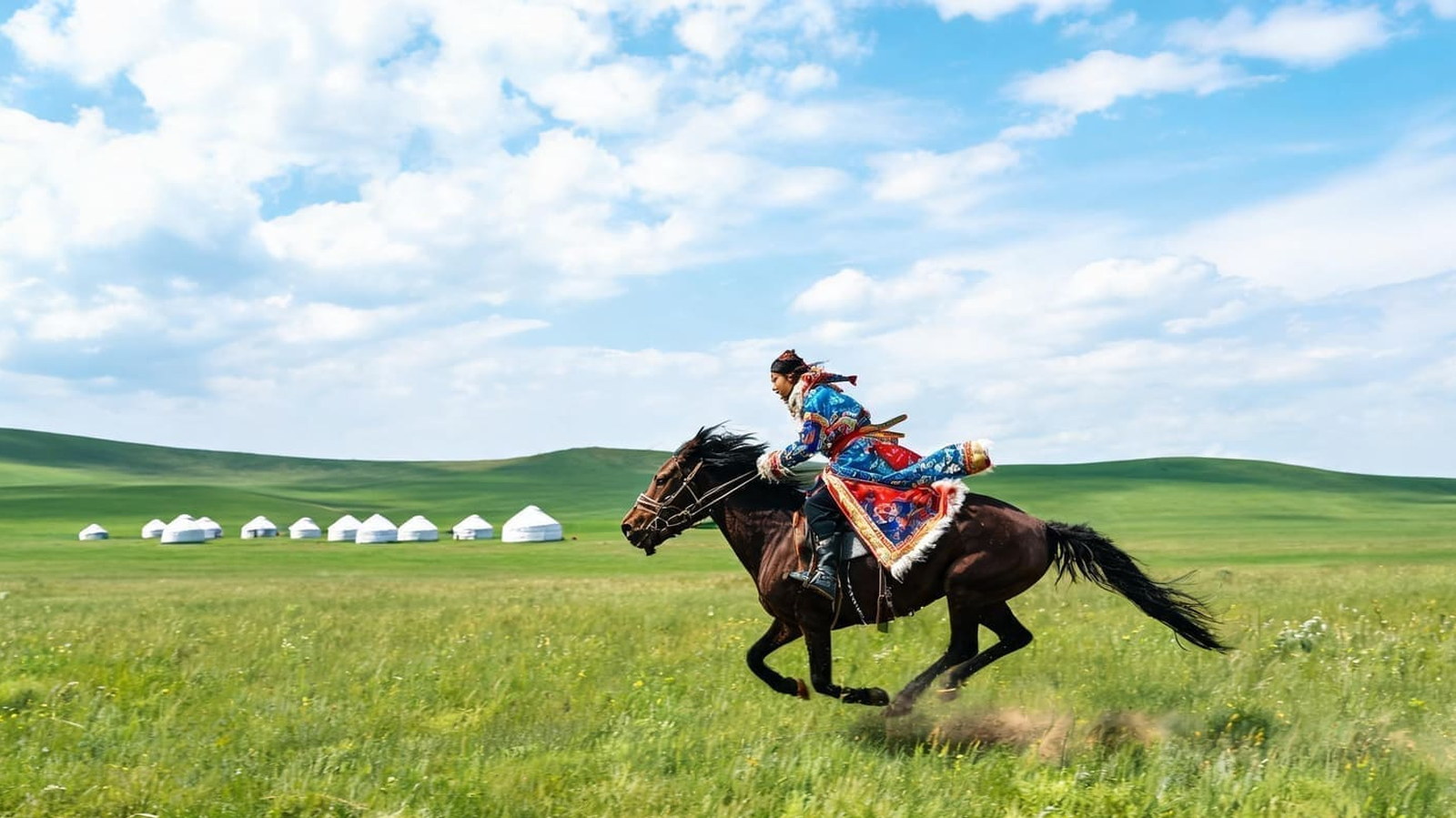
At the horse races riders scoop scarves from the ground at full gallop and shoot arrows from horseback; the flat races never flag
History · Customs · Cultural meaning
 Sho Dun Festival · Origins
One line of descent · tracing the root
Sho Dun began in the mid-eleventh century as a matter for the monasteries. Tibetan Buddhist discipline forbids the taking of life, and in summer, when grass and insects are abroad, monks withdrew behind closed doors from the fourth to the sixth Tibetan month — the 'summer retreat'. Released at the end of the sixth month, they came down the mountain to find the lay community waiting with freshly made yoghurt and picnic feasts spread in the meadows. In Tibetan 'sho' is yoghurt and 'dun' is to eat or to feast; the name of the festival comes from there.
By the mid-seventeenth century Tibetan opera had joined the festival, centred on Drepung Monastery west of Lhasa and known as 'Drepung Sho Dun'. After Norbulingka was completed in the early eighteenth century the opera performances moved into its grounds and ordinary townspeople were able to enter and watch, so the festival moved from the monastery out into the streets; for a time Drepung, Potala and Norbulingka Sho Dun were held side by side. After the democratic reform in Xizang in 1959 the festival grew richer in content; from 1986 it was organised by the cultural department of the autonomous region, and from 1994 by the Lhasa municipal government.
Sho Dun Festival · Customs
Seasonal rites · the life of people
The festival opens at Drepung. At dawn on the thirtieth day of the sixth Tibetan month monks carry the rolled silk thangka up the hillside and unroll it slowly from top to bottom on the unveiling terrace, long horns sounding, while tens of thousands of monks and lay people throw offering scarves; Sera Monastery holds its own unveiling the same day.
Tibetan opera is the heart of it. In Norbulingka, folk opera troupes take the stage in turn from morning until dusk, performing the old repertoire that has run for centuries — Prince Norsang, Princess Wencheng, Drowa Sangmo. Below the stage people pitch tents, spread carpets and set out barley wine and yoghurt: what Lhasa calls 'going lingka' — opera, picnic and wine offered tent to tent, for a full week. Horse racing and horsemanship are the other draw, with riders scooping scarves from the ground and loosing arrows from the saddle.
Sho Dun Festival · Cultural meaning
What the heart turns to · handed down through generations
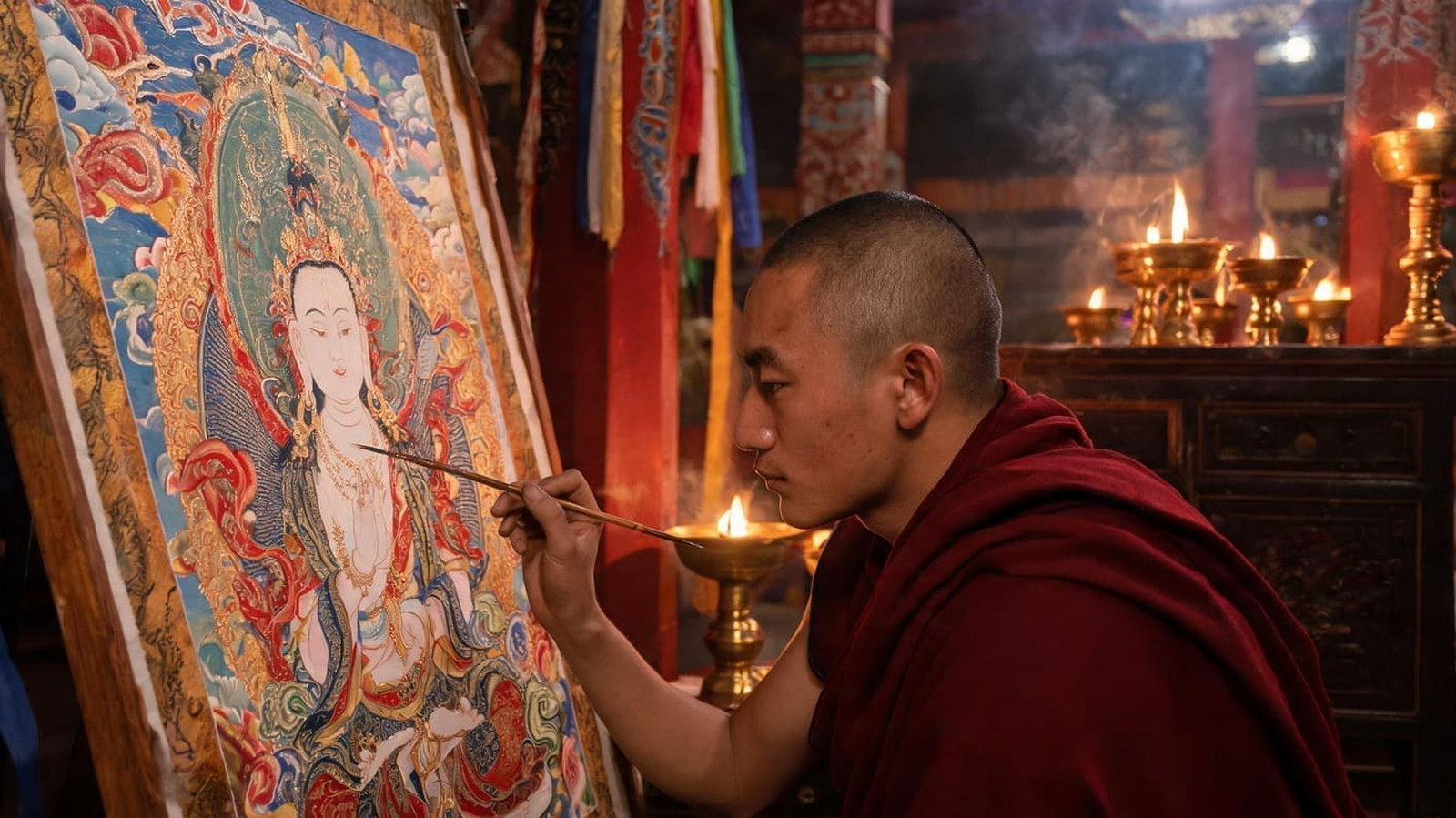
Sho Dun links the thangka unveiling, the art of Tibetan opera and the plateau's summer outings into one observance, which is why it is also called the Festival of Tibetan Opera: it gives an art more than six centuries old its most dependable stage. In May 2006 Sho Dun was inscribed on the first national list of intangible cultural heritage as item Ⅹ-31, nominated by the Xizang Autonomous Region; Tibetan opera entered the national list the same year and was inscribed on UNESCO's Representative List of the Intangible Cultural Heritage of Humanity in 2009. According to a CCTV report in 2019, with state support folk Tibetan opera troupes in Xizang grew from fewer than fifty to more than one hundred and fifty over a decade, giving over a thousand performances a year.
To admire and to use · Tradition in everyday life
 Craft
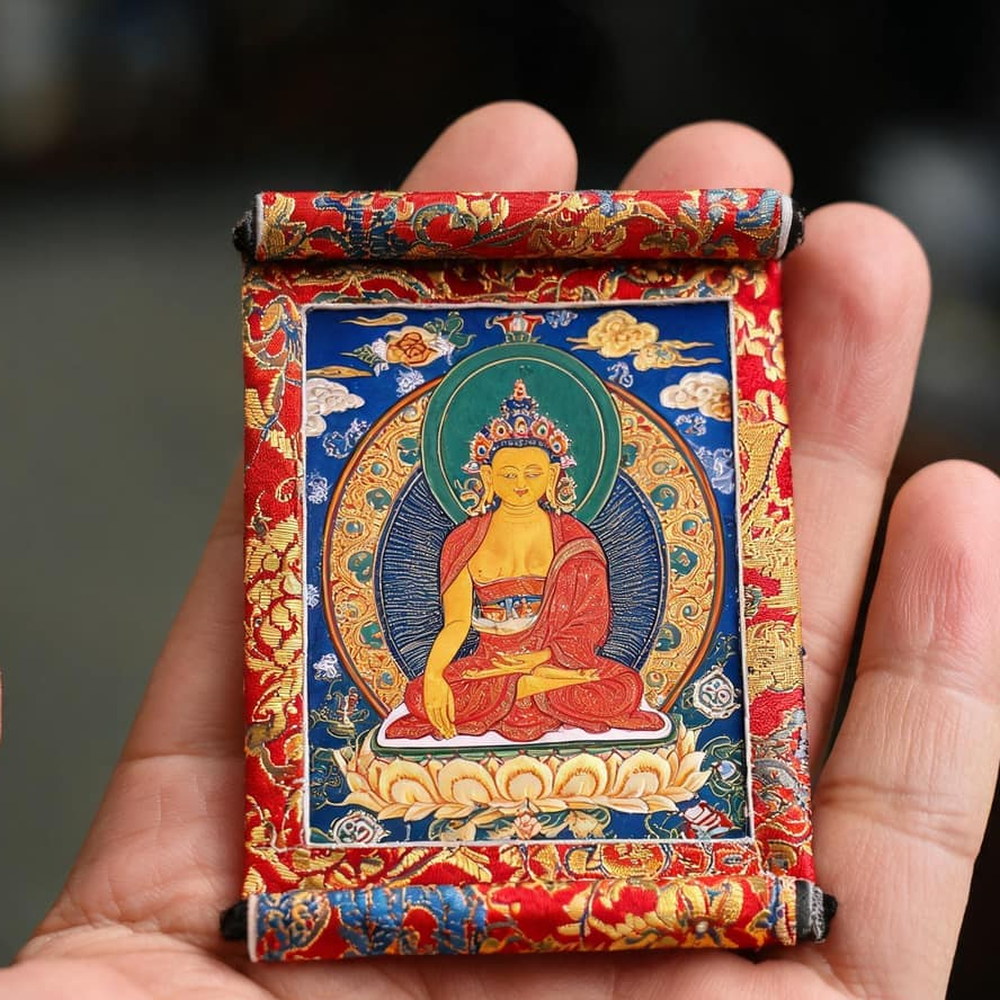
The blue mask of the festival emblem: the signature symbol of Sho Dun
Case: The blue mask of the festival emblem: the signature symbol of Sho Dun
 Food
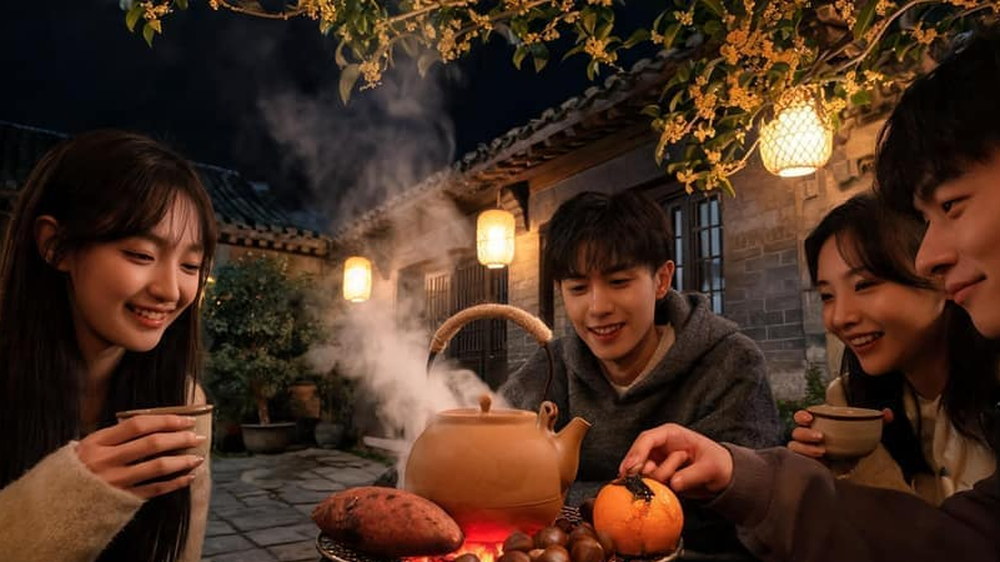
'Sho dun' means a yoghurt feast in the first place — take the taste of the festival home
Case: 'Sho dun' means a yoghurt feast in the first place — take the taste of the festival home
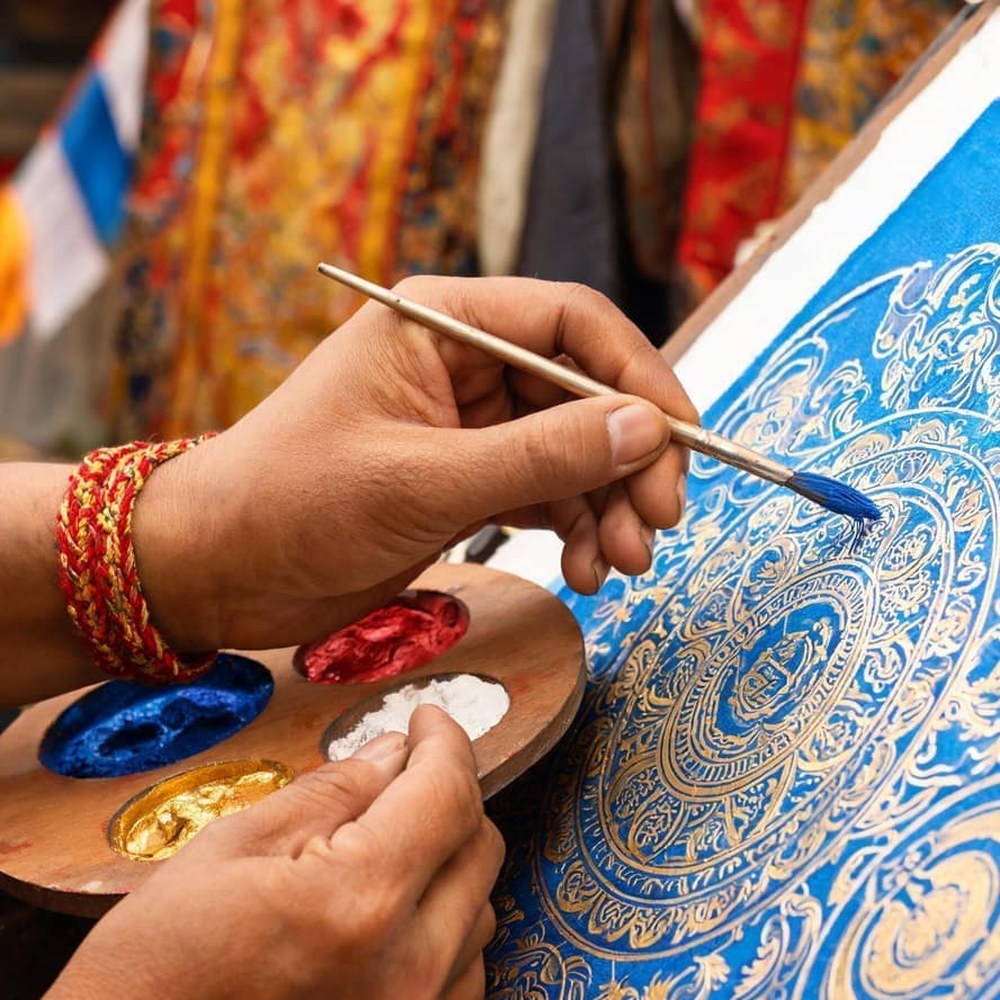 Experience
Copy a blue mask of your own and learn to read the code of colours on the face
Case: Copy a blue mask of your own and learn to read the code of colours on the face
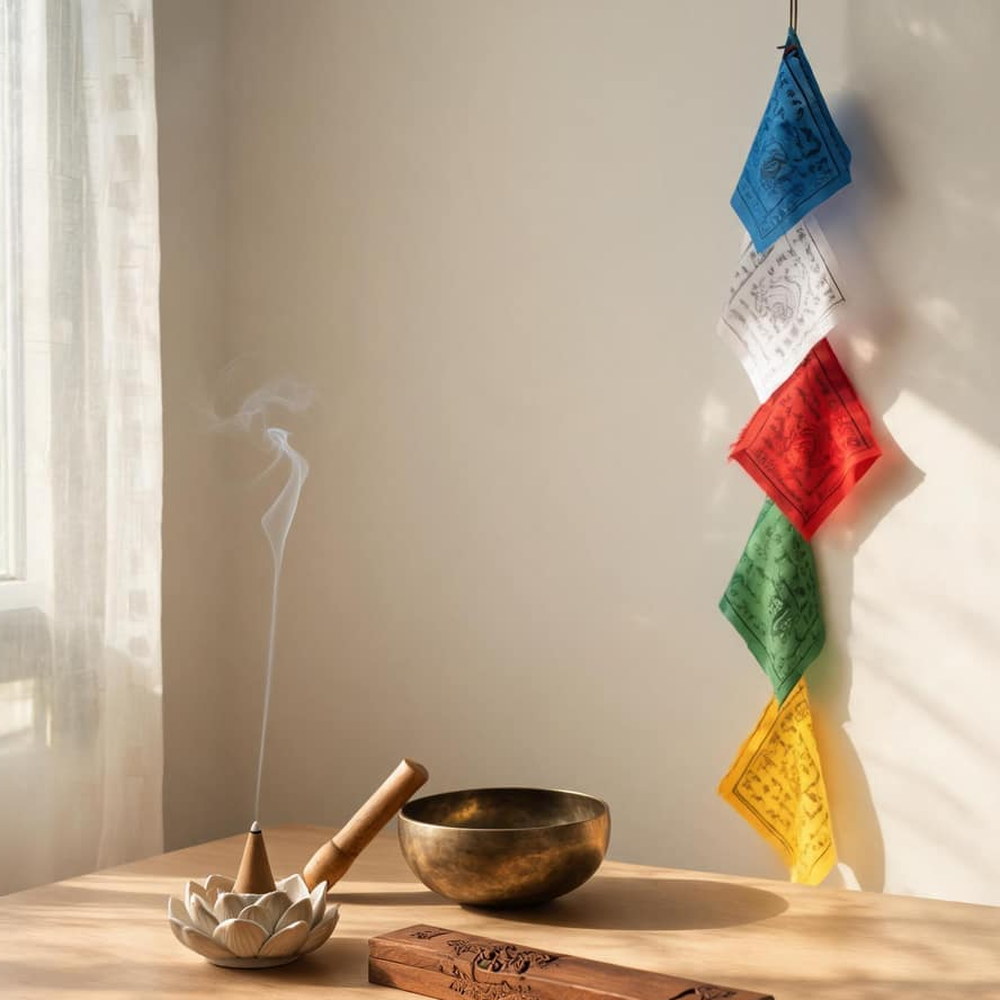 Home
A bundle of Tibetan incense and one butter lamp; lit together they give off butter and juniper.
Case: A bundle of Tibetan incense and one butter lamp; lit together they give off butter and juniper.
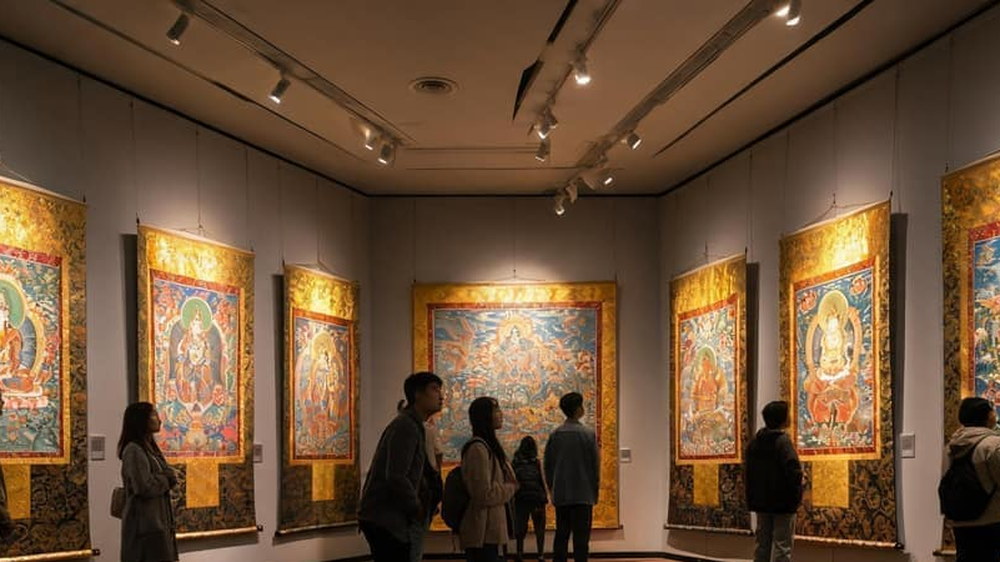 Experience
Sho Dun brings many performances at once; watch a full play rather than passing through
Case: Sho Dun brings many performances at once; watch a full play rather than passing through
← Scroll sideways for more →
Links lead to third-party marketplaces. This site has no promotional relationship with them.
Travel proposals · Meet the custom in its real setting
← Scroll sideways for more →
Related customs
← Scroll sideways for more →
Fact-checked line by line · every citation traceable
Primary sources are Chinese-language publications, cited for traceability. Bodies without a standard English name are listed by domain.