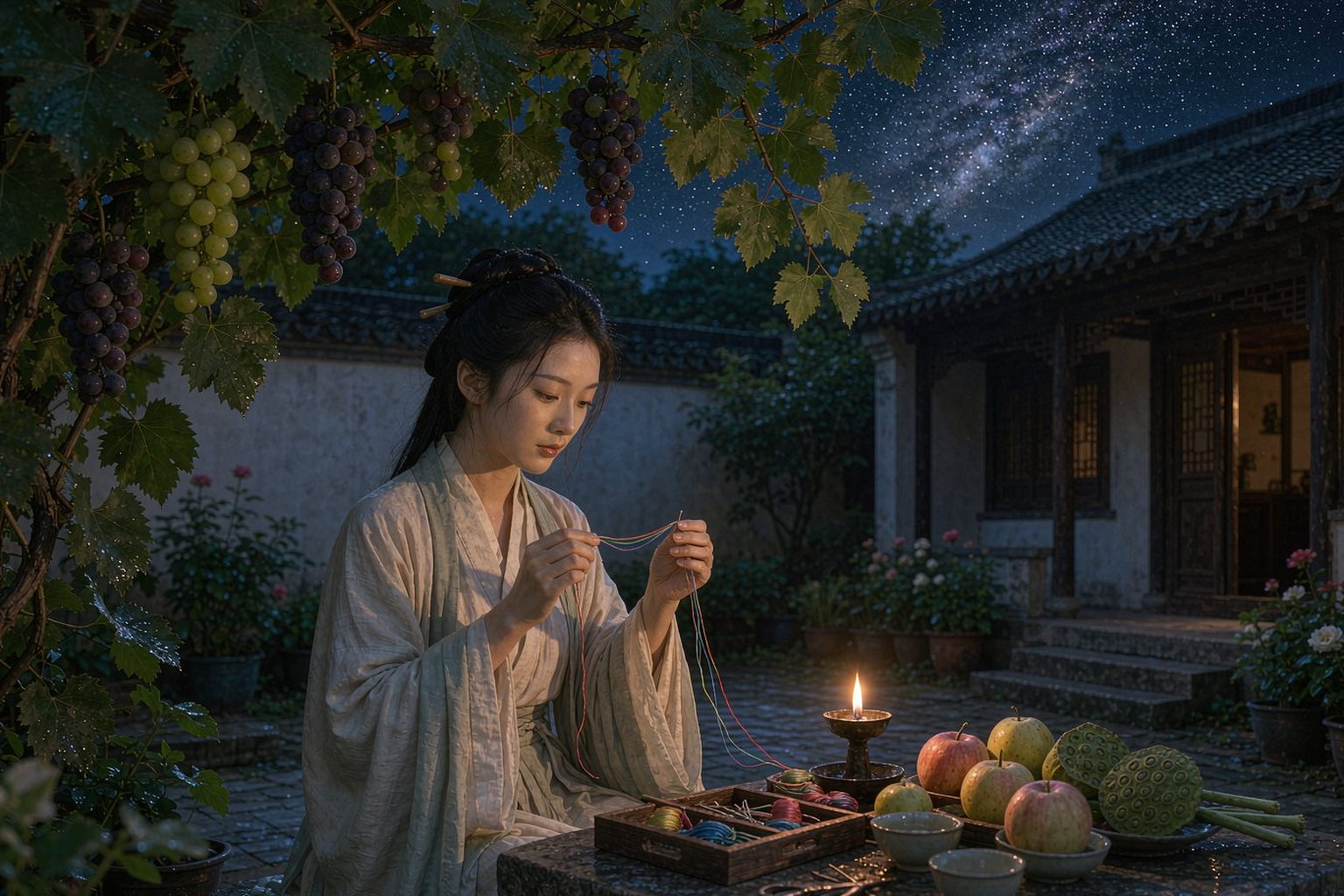
On the seventh evening of the seventh month, as the heat first relents, a bamboo table is set in the courtyard and a bowl of clear water left in the moonlight. Each girl holds a five-coloured silk thread and, holding her breath, threads the seven-eyed needle — the first to finish 'wins skill'.
The July night's heat has just eased, and the shadows under the grape arbour lie pale in the moonlight. The girls thread five-coloured silk through the seven-eyed needle; whoever finishes first 'wins skill'. The needle's shadow rests at the bottom of the water bowl — like cloud, like a flower, like scissors. The elders say: look up — across the Milky Way that spans the sky, a bridge of magpies is built tonight.
One thread through seven eyes, and the magpie bridge across heaven is up.
Traditions, echoed by a new generation
On the night of the seventh of the seventh, girls lay out melons and fruit and light lamps, asking the Weaver Girl for a touch of her craft — the day was originally called the Festival of Begging for Skill.
Threading needles, floating needles, reading a spider's web — three trials, all testing the steadiness of a hand
Qiaoguo pastries are pressed from oil, flour, sugar and honey in wooden moulds; melons carved into flowers and birds are called 'fancy melons'
'If love between two lasts long, what matter that they meet but seldom?' — one meeting a year, and the days go on being kept
History · Customs · Cultural meaning
The Qixi Festival · Origins
Star worship and legend
Look up at night and a bright star stands on each bank of the Milky Way: Vega of Lyra, the Weaver Girl, second brightest in the northern sky; and Altair of Aquila, the Cowherd, gazing across the river. The ancestors did not make them lovers at first — they read the Weaver Girl's position for the season and the farm calendar; by the Western Zhou at the latest there are records of sacrifice to her star.
The tale of the Cowherd and the Weaver Girl was already widespread by the early Qin. But in those days the seventh of the seventh was a bad day — a folk taboo on weddings, to be avoided. From the mid-Western Han the tide turned, and the inauspicious hour became auspicious; by the Eastern Han, Ying Shao's Fengsu Tongyi already records that 'on the seventh night the Weaver Girl must cross the river, and magpies are made her bridge' — that is where the magpie bridge was first built.
From Han and Wei times the date settled on the seventh of the seventh, and the customs took shape: women worshipping the Weaver Girl, threading needles to beg for skill, eating qiaoguo. In 2006 the Qixi Festival entered the first batch of the national intangible cultural heritage list as item Ⅹ-4.
The Qixi Festival · The customs
Begging for skill, keeping the day
Begging for skill is the festival's main text. Ge Hong'sMiscellaneous Records of the Western Capital (Eastern Jin) notes: 'In Han times the palace maidens would thread seven-eyed needles on the seventh of the seventh at Kaijin Tower, and everyone followed the practice' — the earliest written record of the rite. In the moonlight each girl threads a five-coloured silk through the seven-eyed needle (some use five or nine eyes); the first to finish 'wins skill', the slow 'lose skill'.
Every village proved skill its own way. Some 'floated needles': at noon, lay the needle gently on water and read its shadow at the bowl's bottom — cloud, flower or scissors meant skill won. Some kept 'responsive spiders': seal a spider in a box overnight and judge the roundness and fineness of its web by morning. Others 'grew the skill': soak grain in water days ahead, and on the day itself cut the sprouts for soup.
Of the foods, qiaoguo is the most famous — oil, flour, sugar and honey pressed into moulds and baked; the deft could shape them into the Cowherd and Weaver Girl themselves. Melons and fruit carved into strange flowers and birds were called 'fancy melons'. There was also the old practice of sunning books and clothes — the July sun is strong enough that nothing moths afterwards.
The Qixi Festival · What it means
Deft hands, long faithfulness
Qixi was once led by women — hence its other names, the Daughters' Festival, the Maidens' Festival. On this night girls gathered to match skills and speak their minds while elders corrected their stitches; craft, feeling and the days to come were handed down, one thread at a time.
The Cowherd and Weaver Girl meet but once a year; the rest of the days each keeps separately, holding faith across a river of stars. Qin Guan's line — 'if love between two lasts long, what matter that they meet but seldom?' — is exactly this kind of keeping.
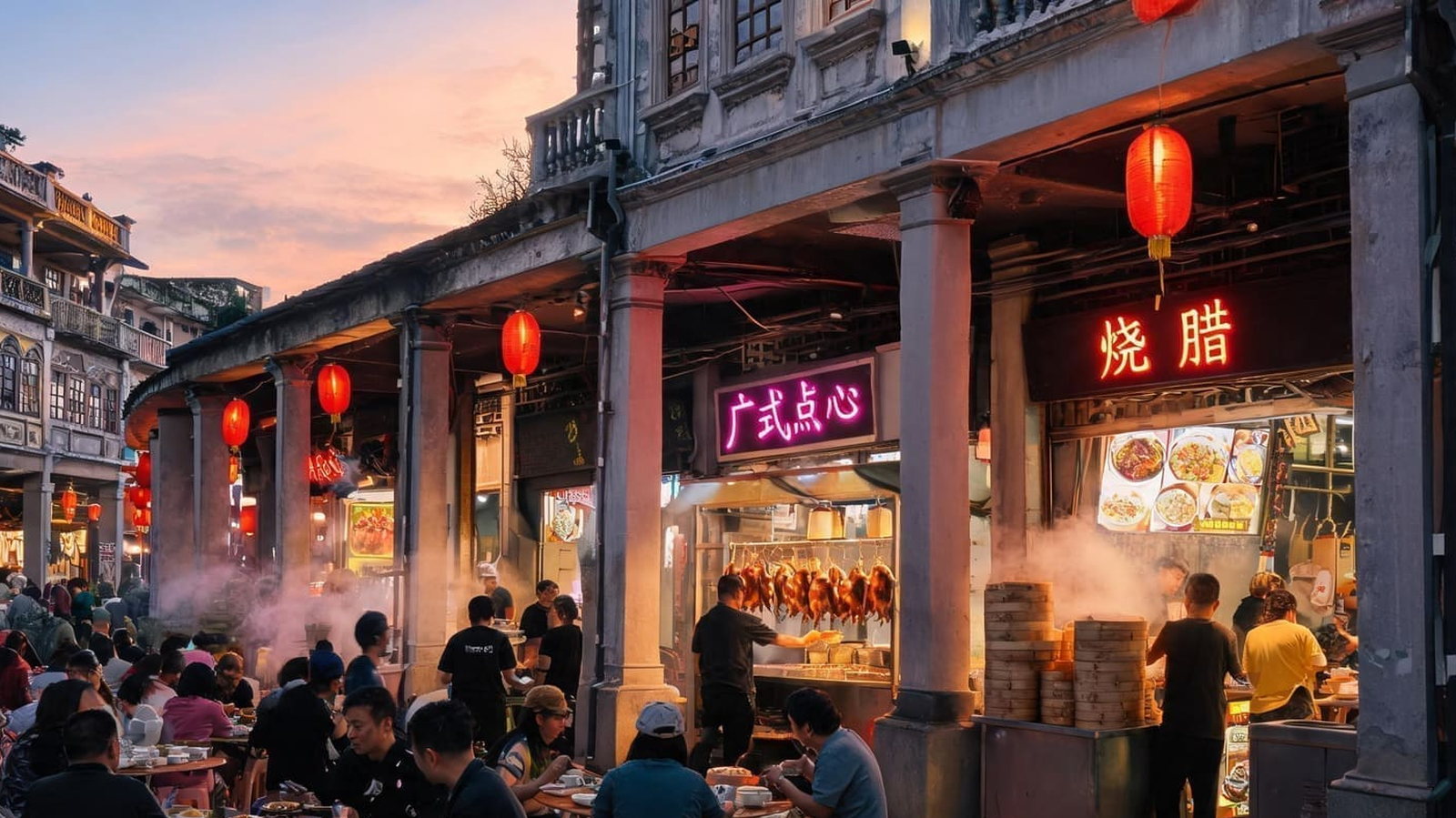
Today's Qixi mostly looks like this: each busy by day, a late dinner wherever is still open, and on the walk home a look at the sky. City lights are too bright for the Milky Way, but everyone knows where the magpie bridge stands that night.
To admire and to use · Tradition in everyday life
Handwork
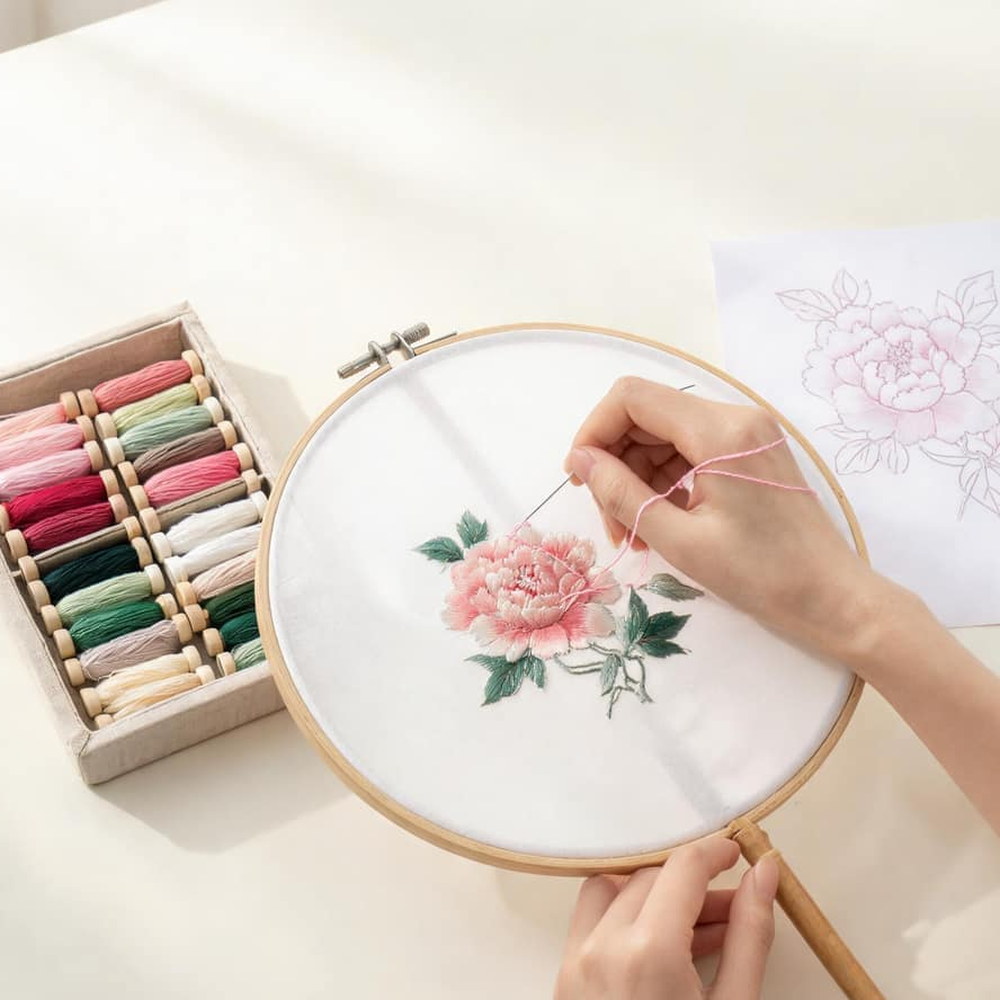
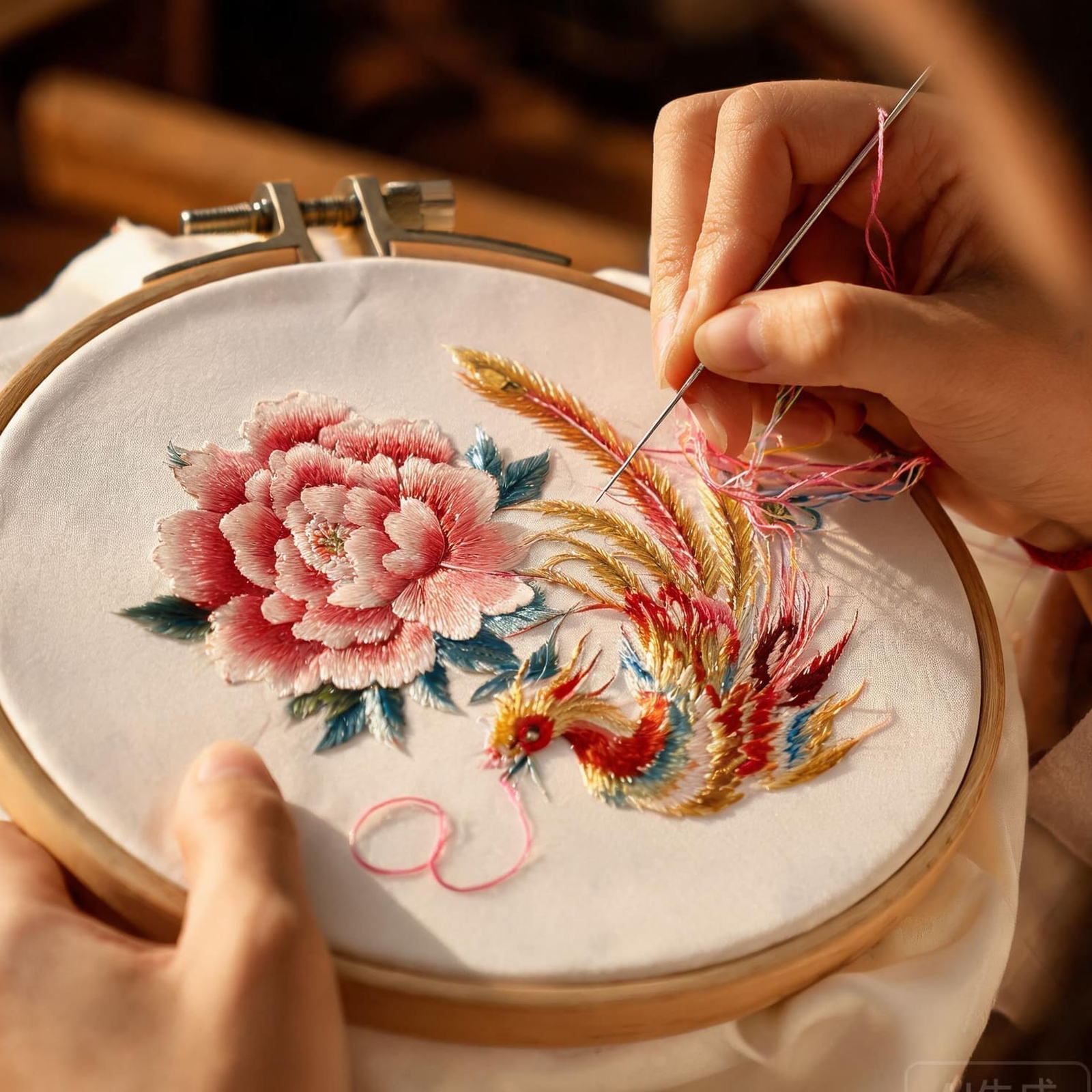
Cotton cloth in a bamboo hoop with a skein of coloured floss — start from the running stitch
Case: Cotton cloth in a bamboo hoop with a skein of coloured floss — start from the running stitch
Handwork
Five-coloured silks and a seven-eyed needle in one box, the eye sizes kept to the old rite's spec
Case: Five-coloured silks and a seven-eyed needle in one box, the eye sizes kept to the old rite's spec
Objects
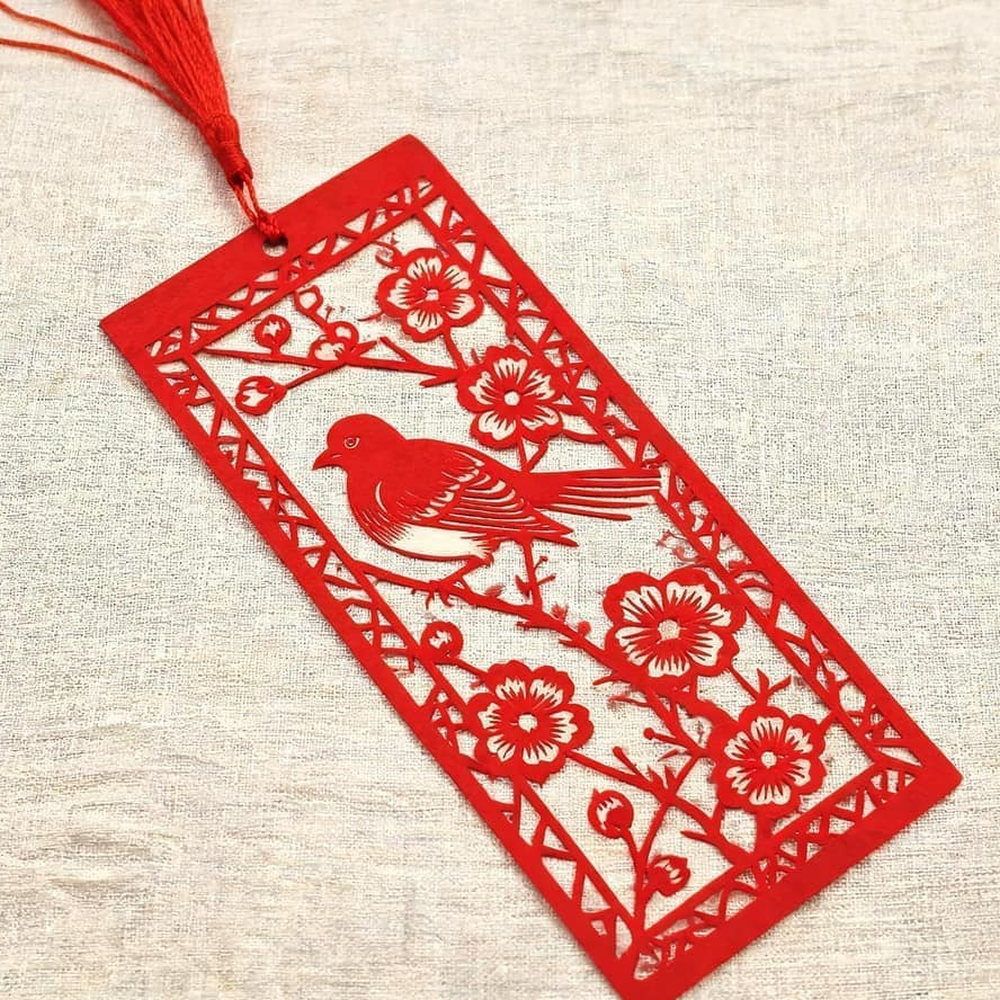
A small Chinese pattern, thin-bitted — clean through silk thread and cloth samples alike
Case: A small Chinese pattern, thin-bitted — clean through silk thread and cloth samples alike
Craft
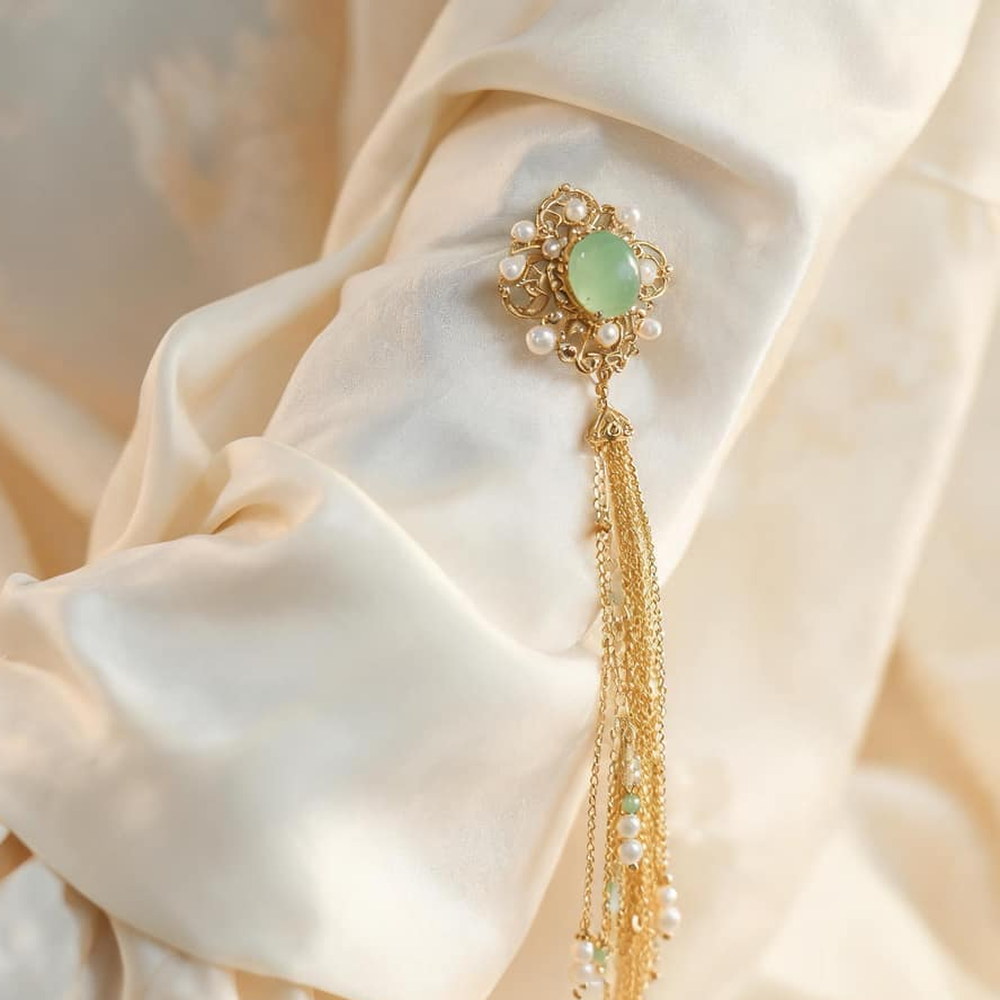
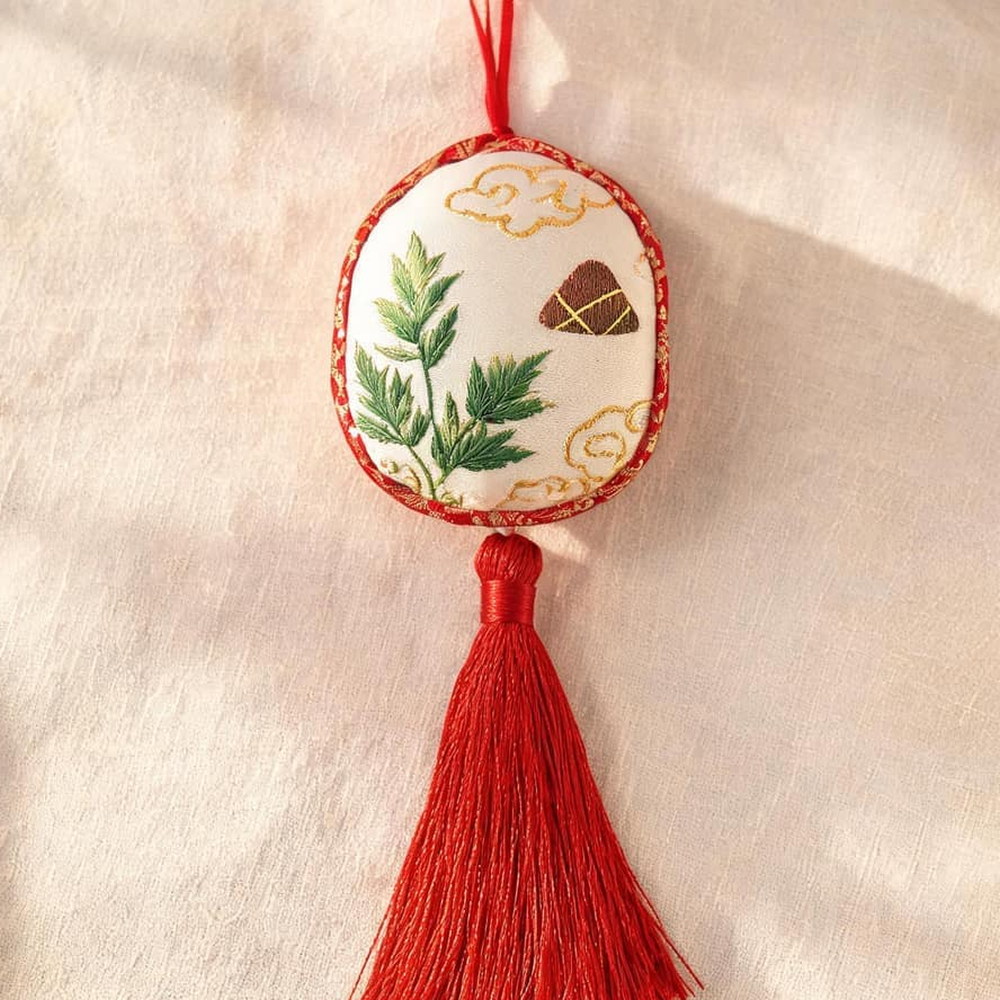
Plain silk faces embroidered in coloured petals, filled with dried flowers and herbs
Case: Plain silk faces embroidered in coloured petals, filled with dried flowers and herbs
Home
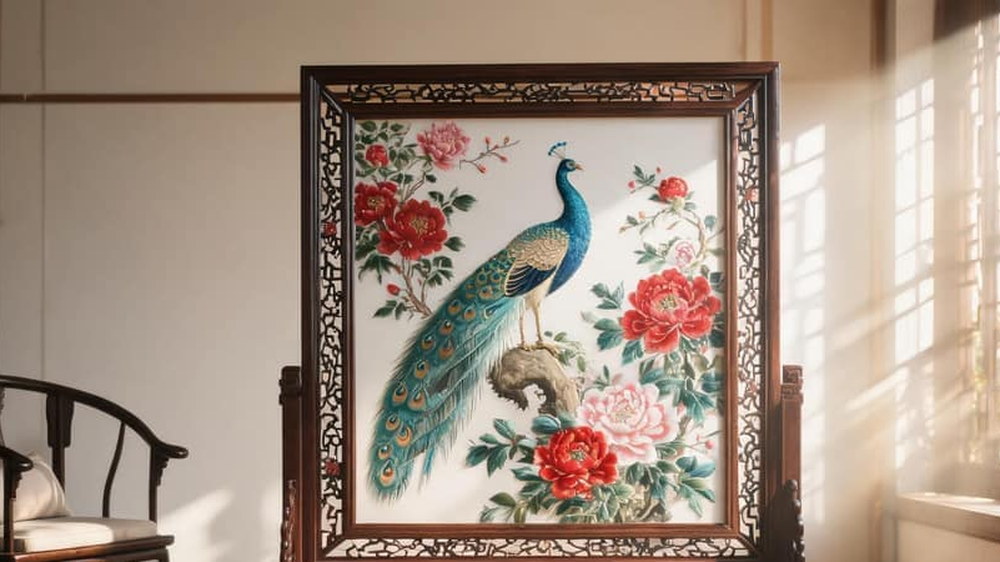
A small double-sided embroidery stretched on a wooden frame — stands or hangs
Case: A small double-sided embroidery stretched on a wooden frame — stands or hangs
← Scroll sideways for more →
Links lead to third-party marketplaces. This site has no promotional relationship with them.
Travel proposals · Meet the custom in its real setting
By the pool dug under Emperor Wu of Han stand the earliest stone images of the pair
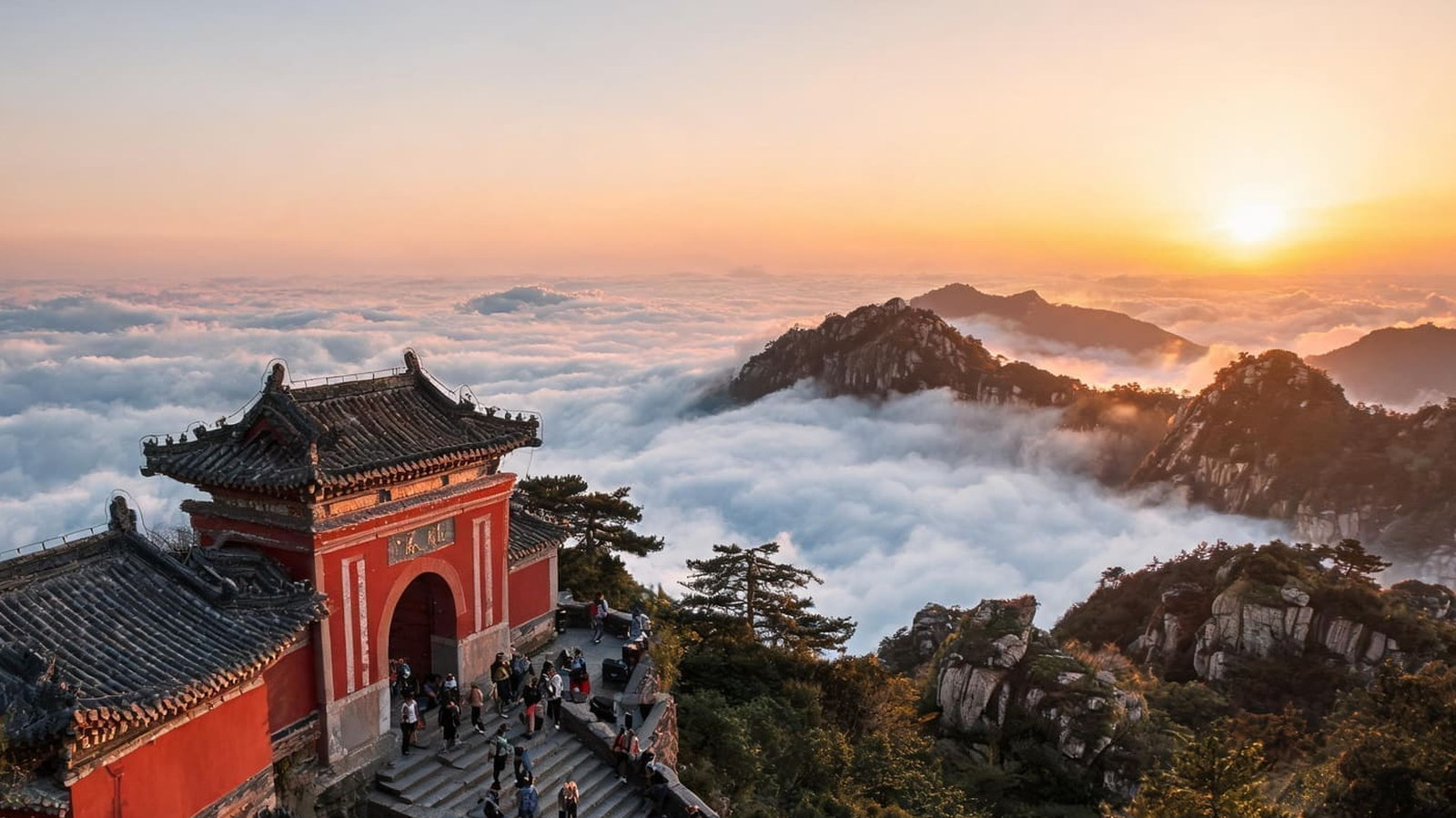
Weaver Girl Grotto and Cowherd Temple face each other across the Yi River, legend kept by the landscape
The old Lingnan rite of 'worshipping the Seventh Sister', still alive in the village
← Scroll sideways for more →
Related customs
← Scroll sideways for more →
Fact-checked October 2026 · every citation traceable
Primary sources are Chinese-language publications, cited for traceability. Bodies without a standard English name are listed by domain.