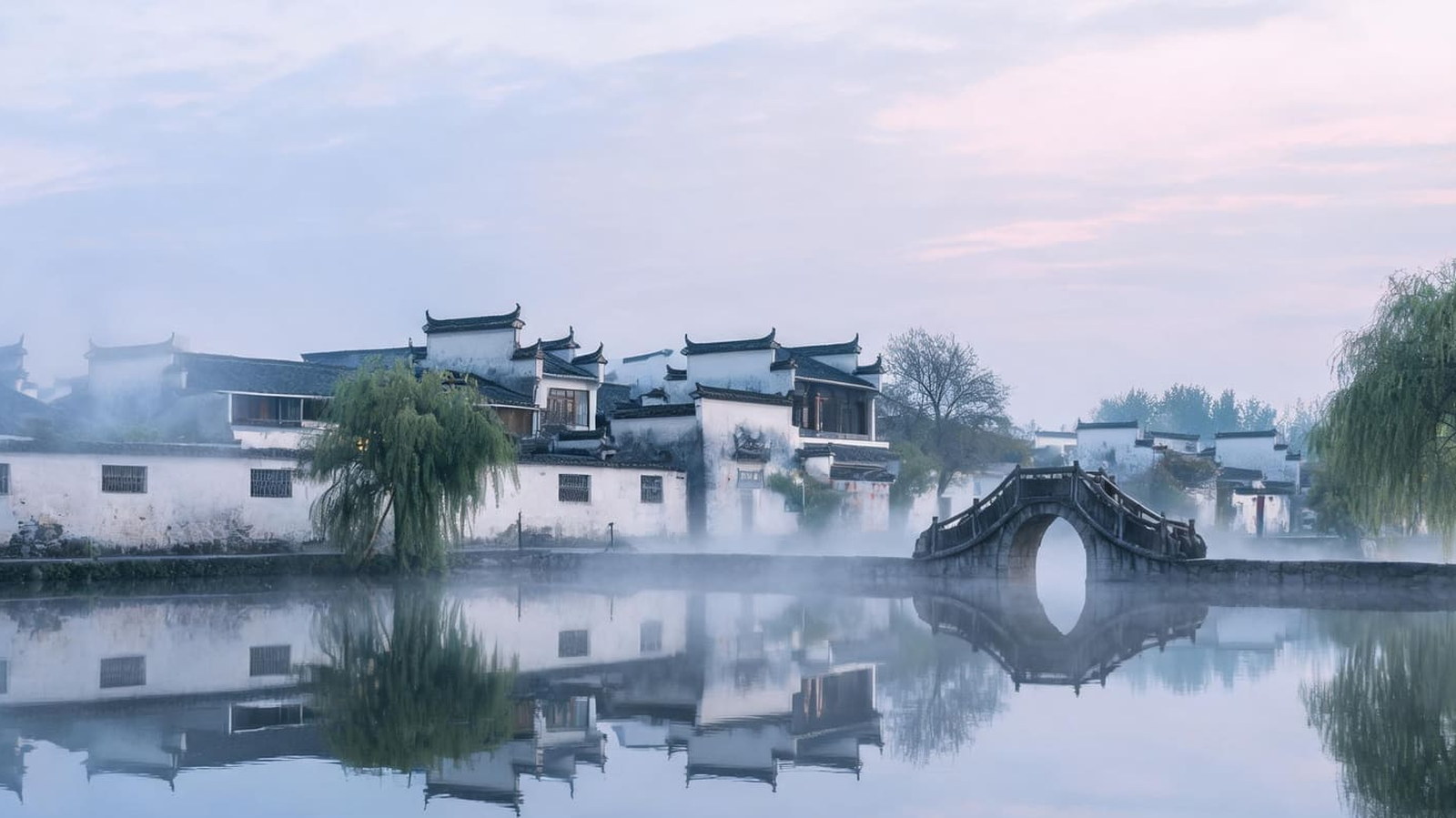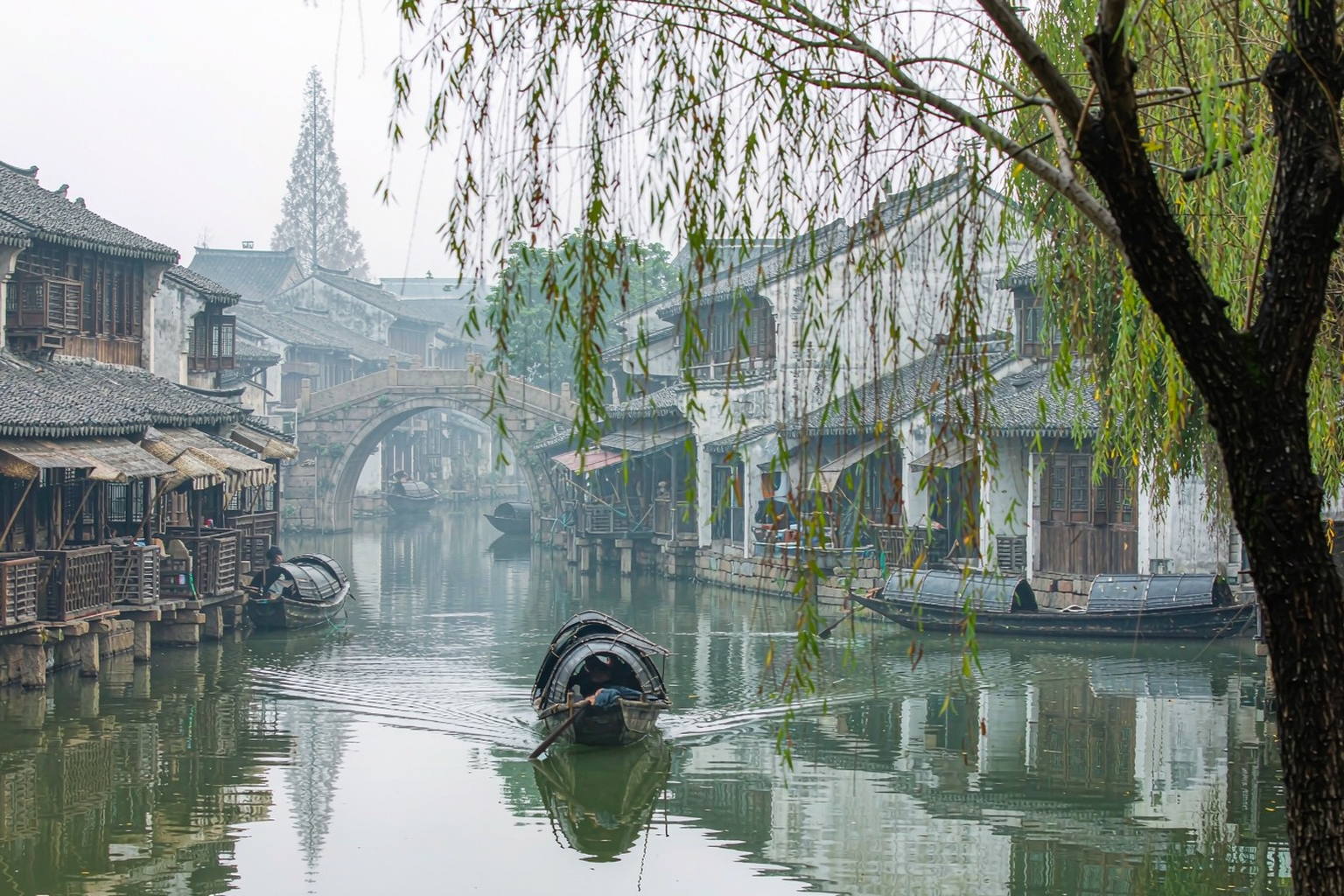
Misty water town, Jiangnan — Chinese folk culture
A public-interest digital archiveEst. 2026

Folklore of China

The living traditions of China, recorded region by region — the festivals that mark the year, the crafts held in the fingers, and the customs that turn a house into a home. Fact-checked against official sources, written for the curious.
Archive 176 pages · 80 folk customs · 70 heritage listings · 34 regions Browse the archive →
01

Four collections

Browse the archive by the shape of the tradition

02

Featured customs

Start with these deeply documented traditions

Bai Three-Course Tea
Bai Three-Course TeaRegional culture

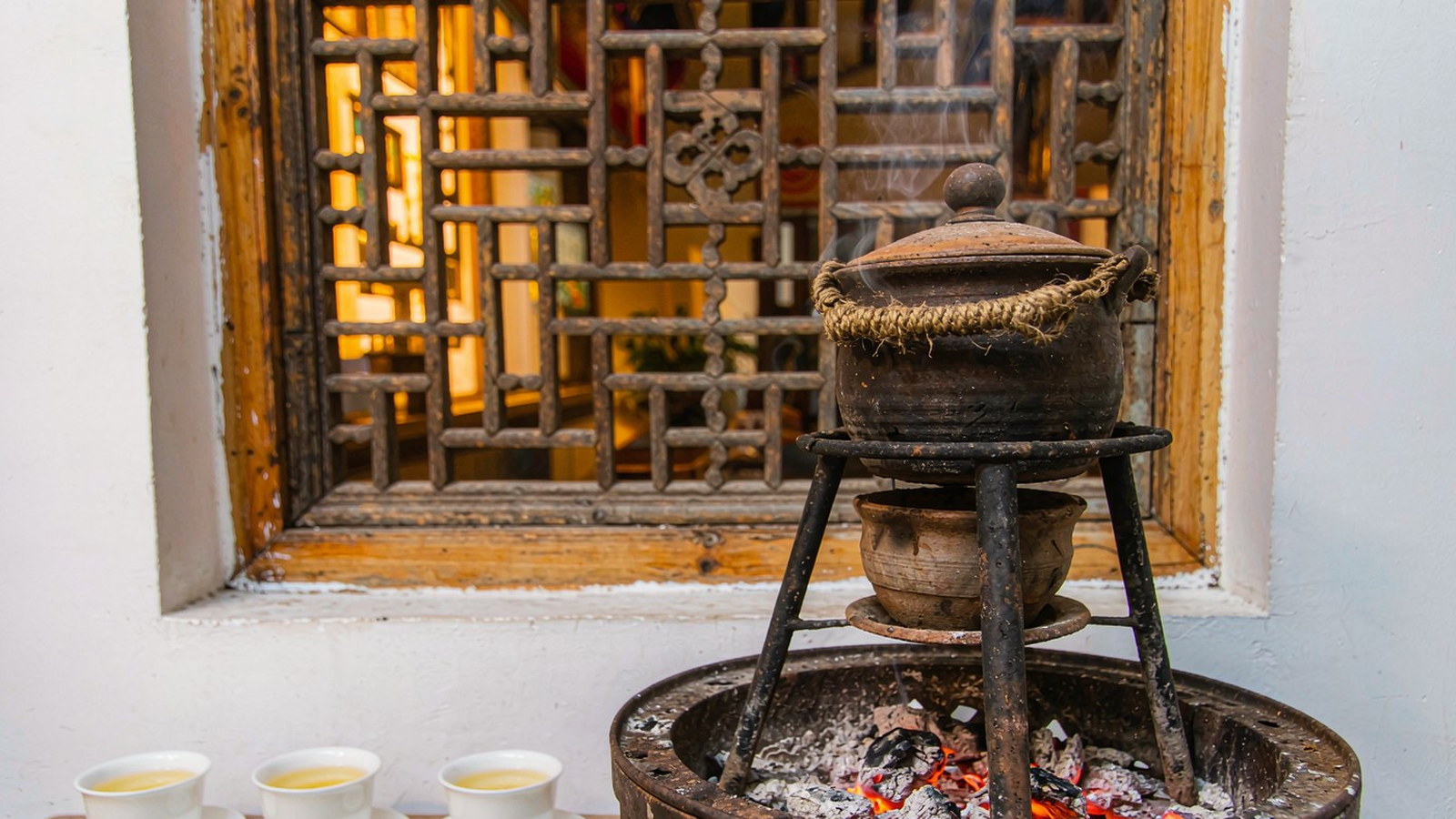
A tripod is set over the brazier and the clay pot is heated until it stings to touch. The first course is bitter, the second sweet, the third carries Sichuan pepper and cassia.

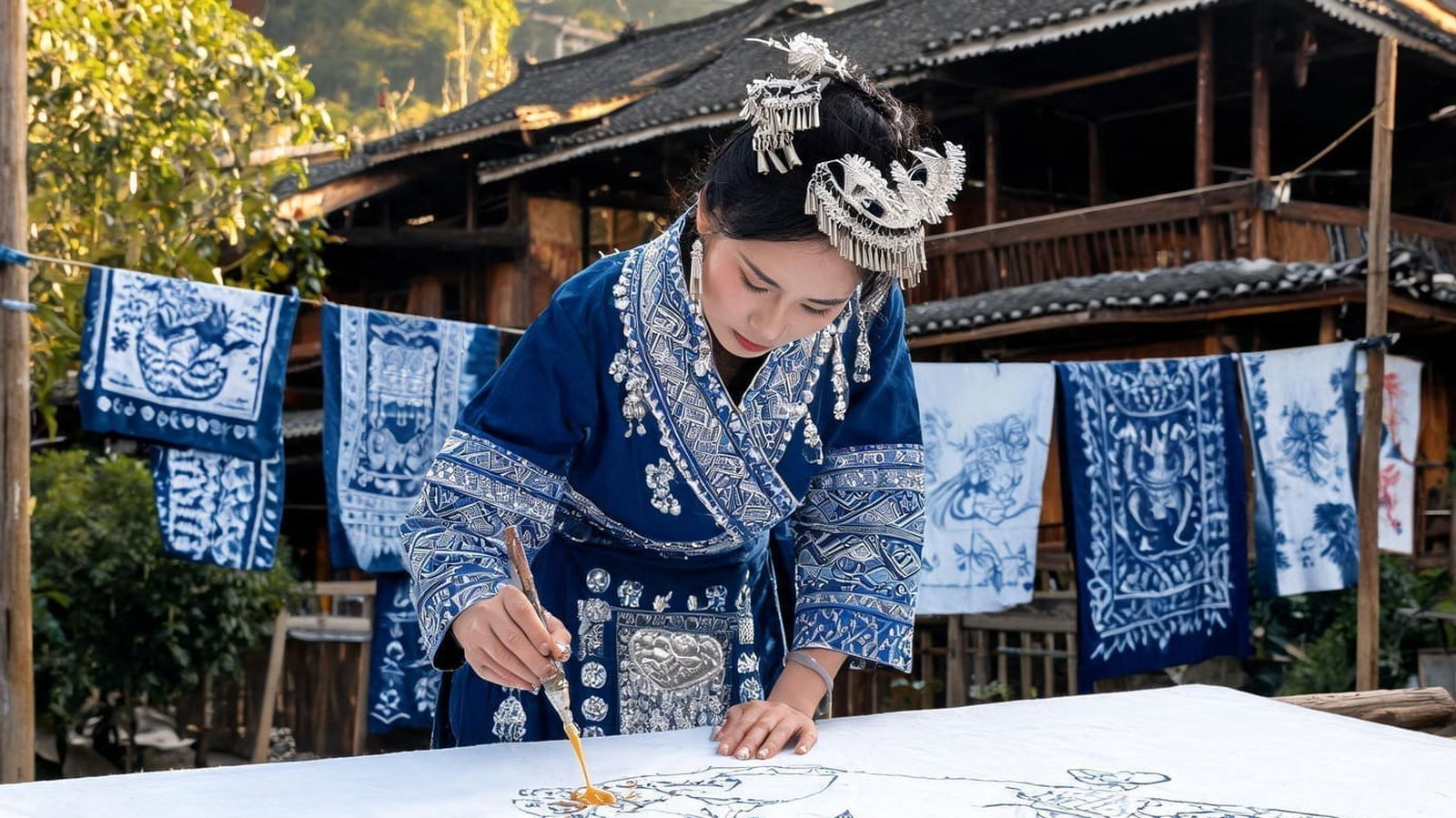
Batik
BatikTraditional crafts

An ancient resist-dyeing craft that uses wax to hold back the colour, passed down through generations of Miao and Bouyei makers.
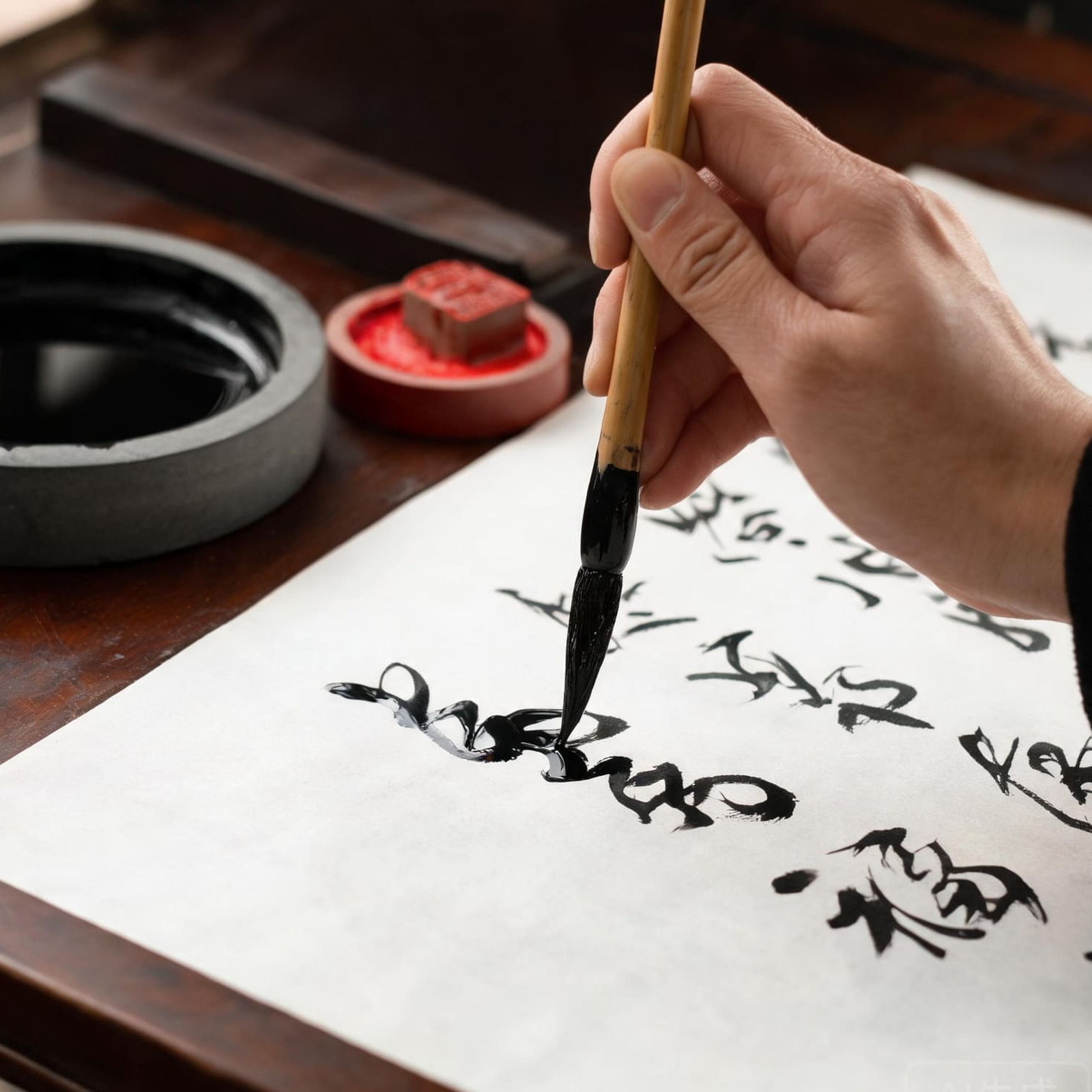
Chinese Calligraphy
Chinese CalligraphyFolk arts

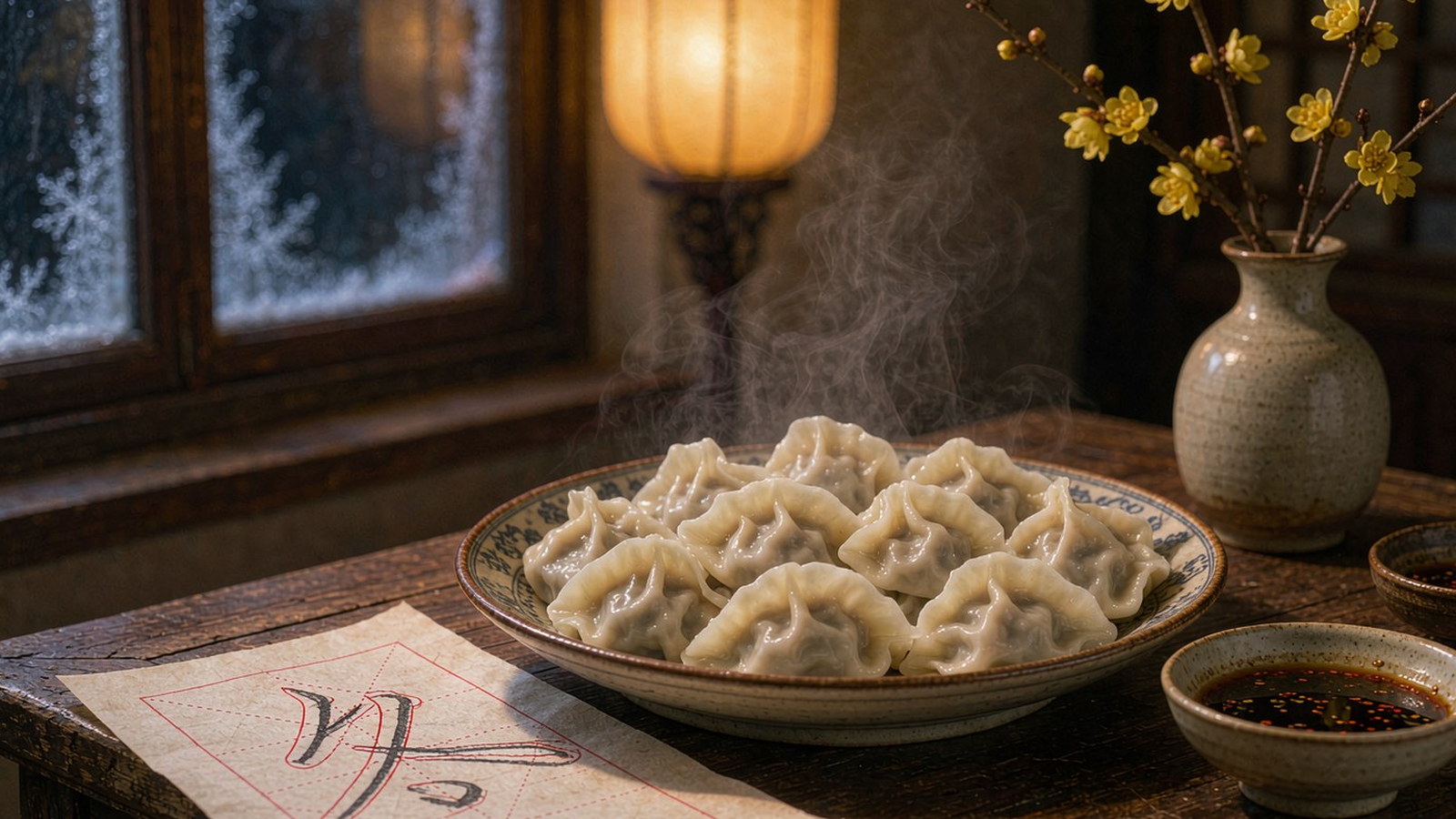
The art of writing Chinese characters with a brush — 'colourless, yet brilliant as painting; soundless, yet harmonious as music'.
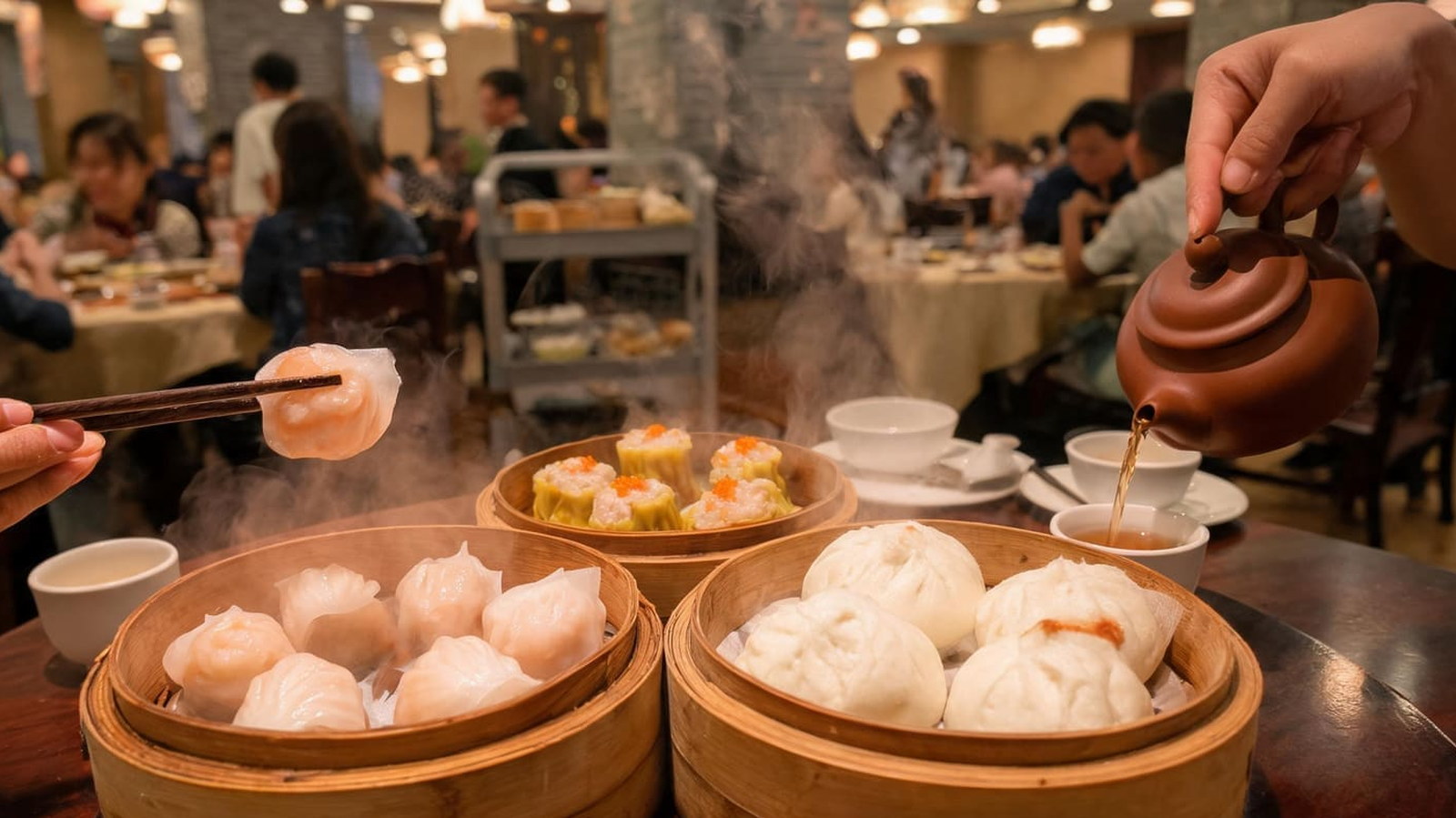
Cantonese Morning Tea
Cantonese Morning TeaLocal customs

'One pot, two pieces': the Lingnan art of living, in which drinking tea is less about tea than about a social rite.

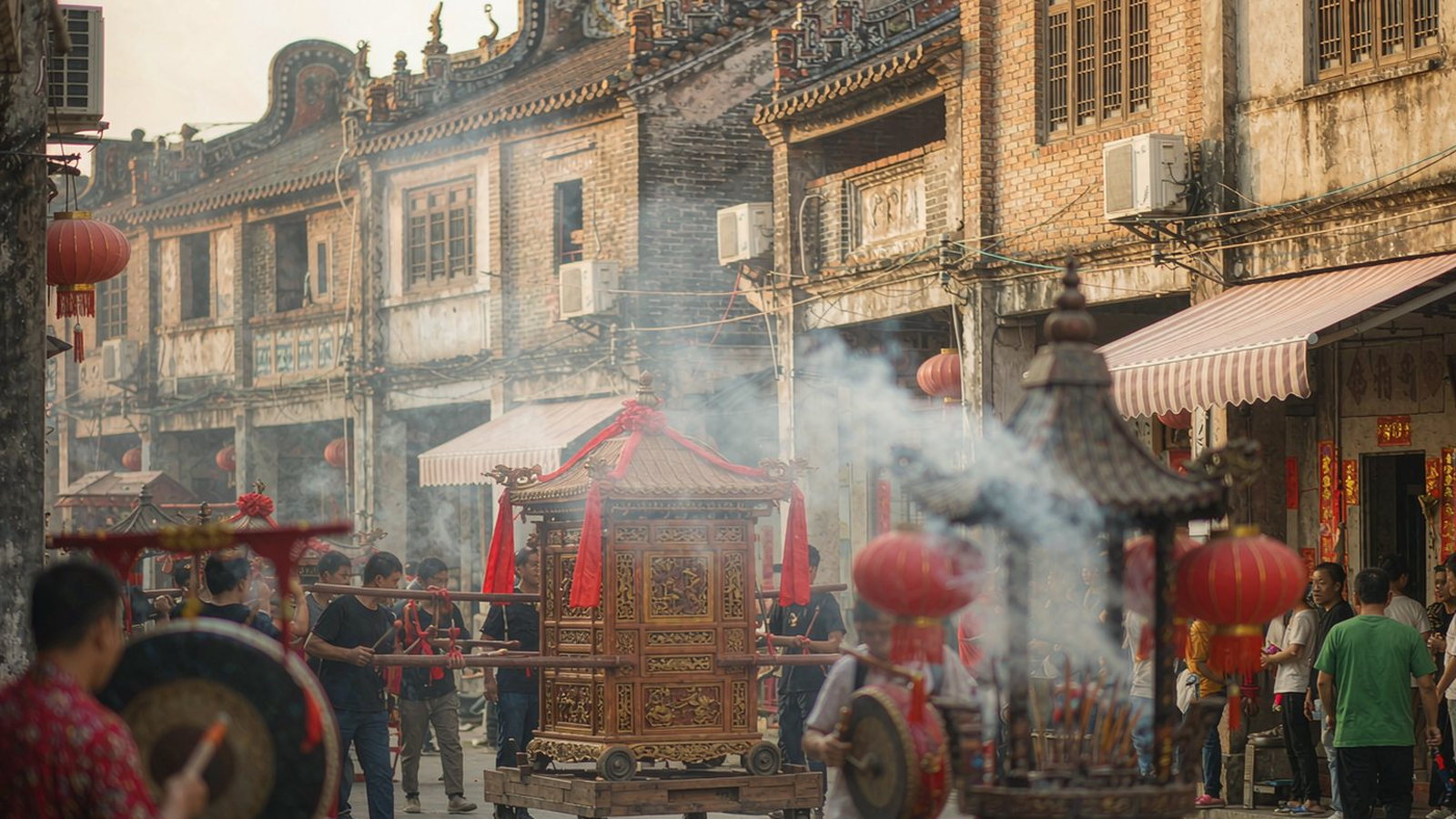
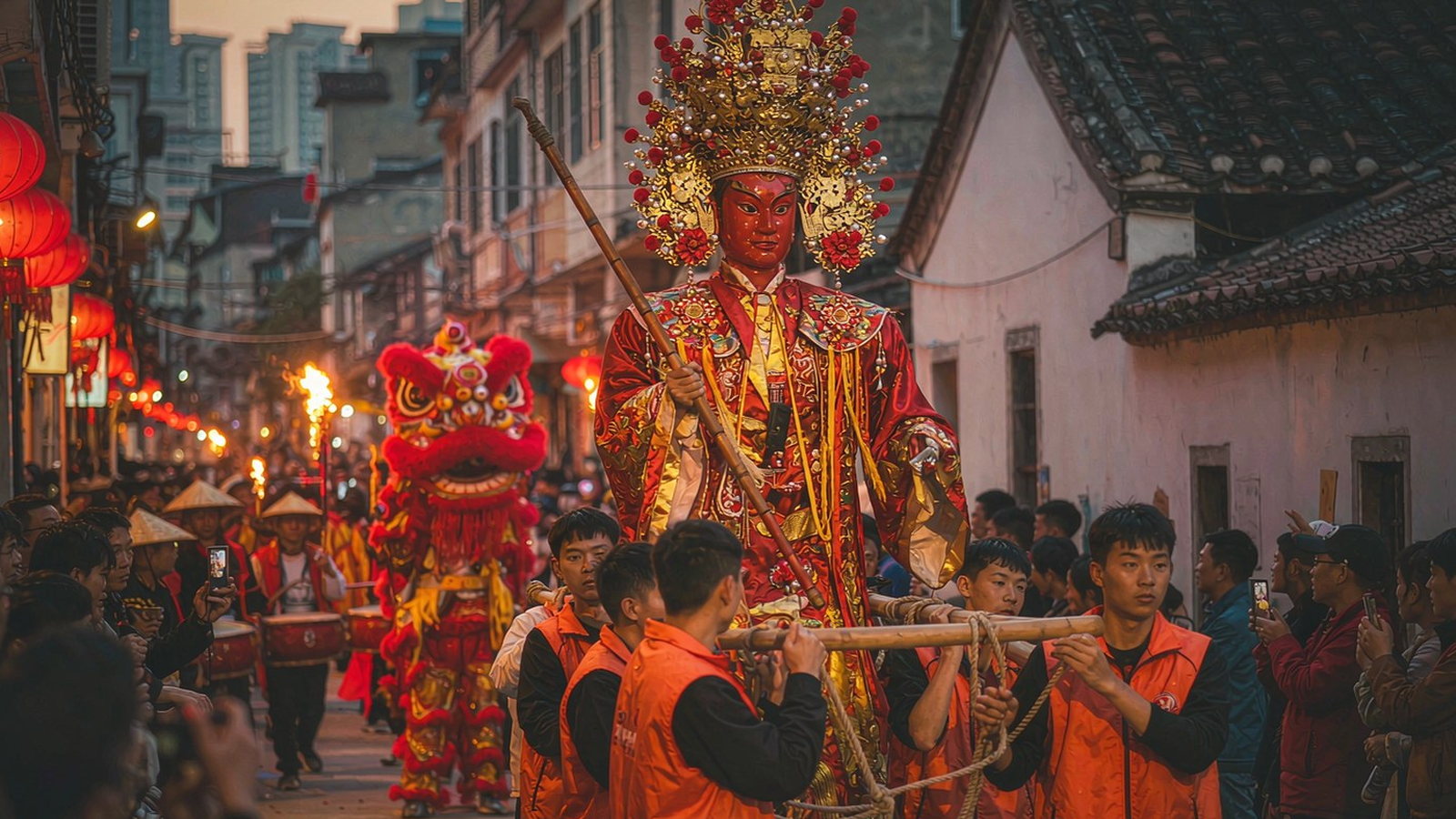
Ying Laoye of Chaoshan
Ying Laoye of ChaoshanFestival

The great god procession of the first lunar month in eastern Guangdong: images carried through the parish, drums clearing the way, a custom the whole community turns out for.

Corban Festival
Corban FestivalFestival

A sacrifice offered, relatives visited, the poor remembered — the most solemn of the year's festivals, also called the Festival of Loyalty and Filial Piety.

The Winter Solstice
The Winter SolsticeFestival customs

The day with the year's shortest daylight — and for the Chinese a major date for ancestor offerings, family reunion, and counting the nines toward spring.

Grand Song of the Dong
Grand Song of the DongFolk arts

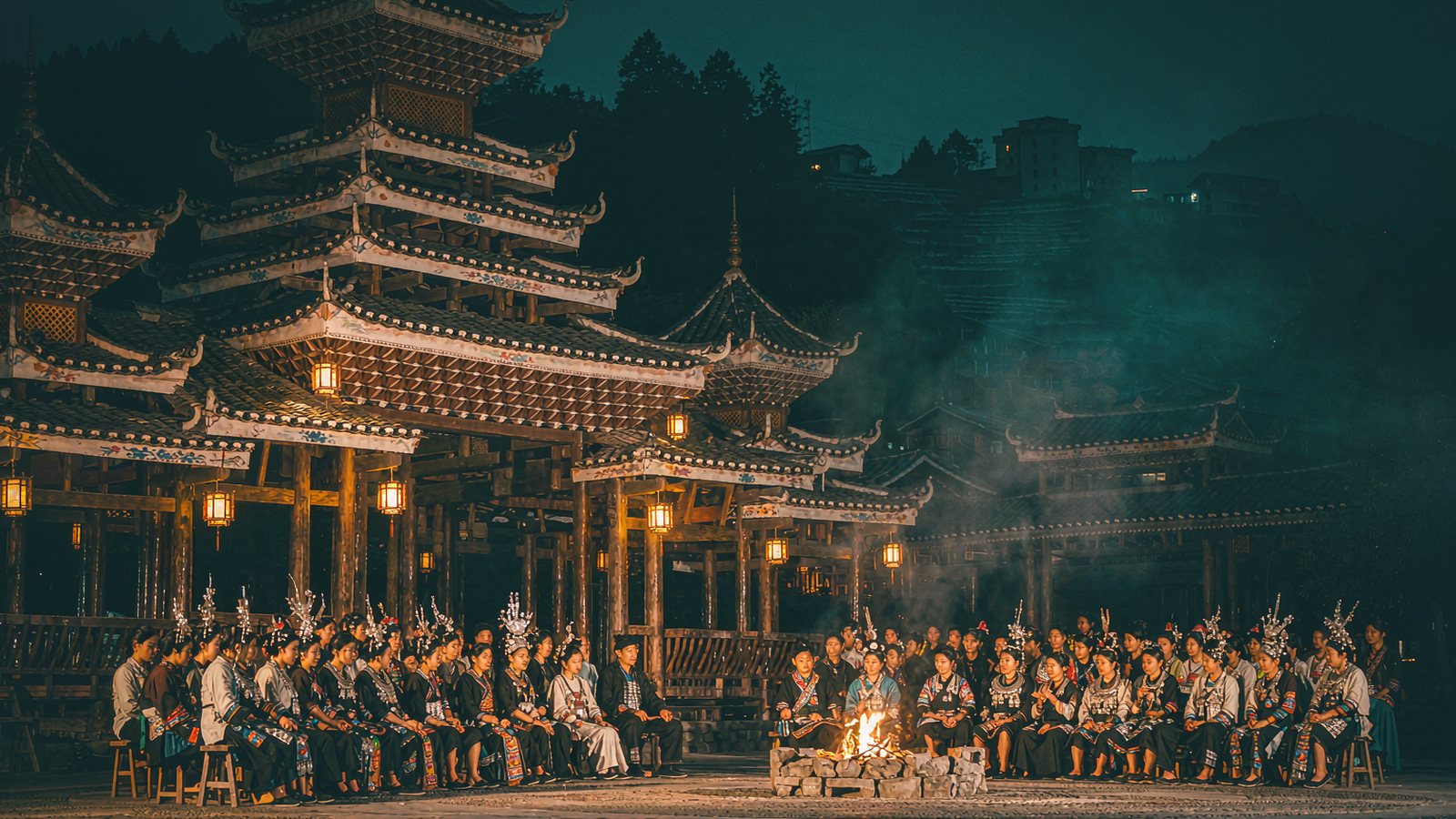
The Dong call it ga lao. In the drum tower there is no conductor and no accompaniment: one high voice leads, a crowd of low voices carries it, and the song climbs the fir columns to the roof.

The Double Ninth Festival
The Double Ninth FestivalFestival customs

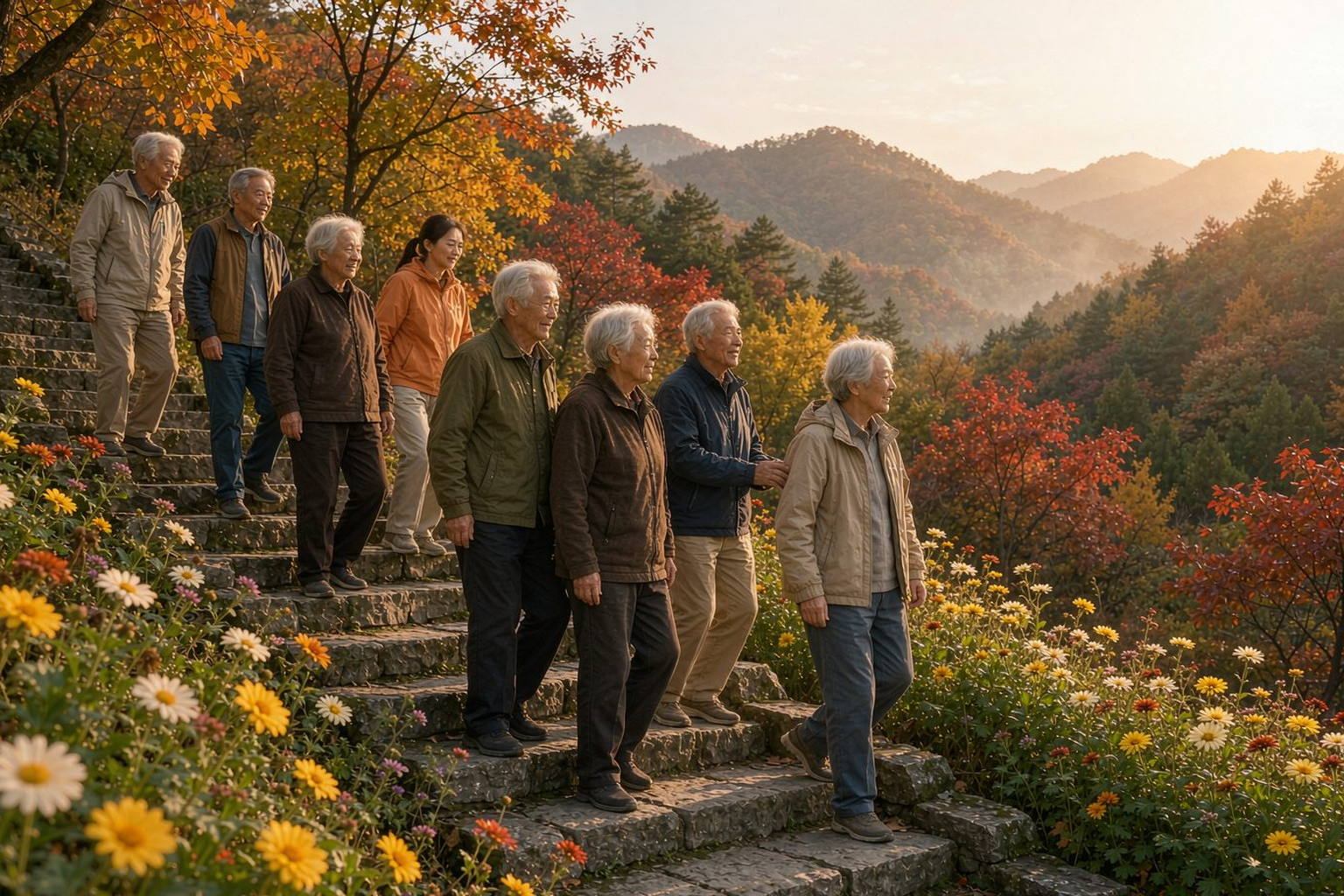
On the ninth day of the ninth month, both month and day meet on nine — two yang numbers doubled, hence Chongyang. Before daybreak someone is already walking uphill with a basket of Chongyang cake, a sprig of dogwood pinned to the lapel.

The Dragon Boat Festival
The Dragon Boat FestivalFestival customs

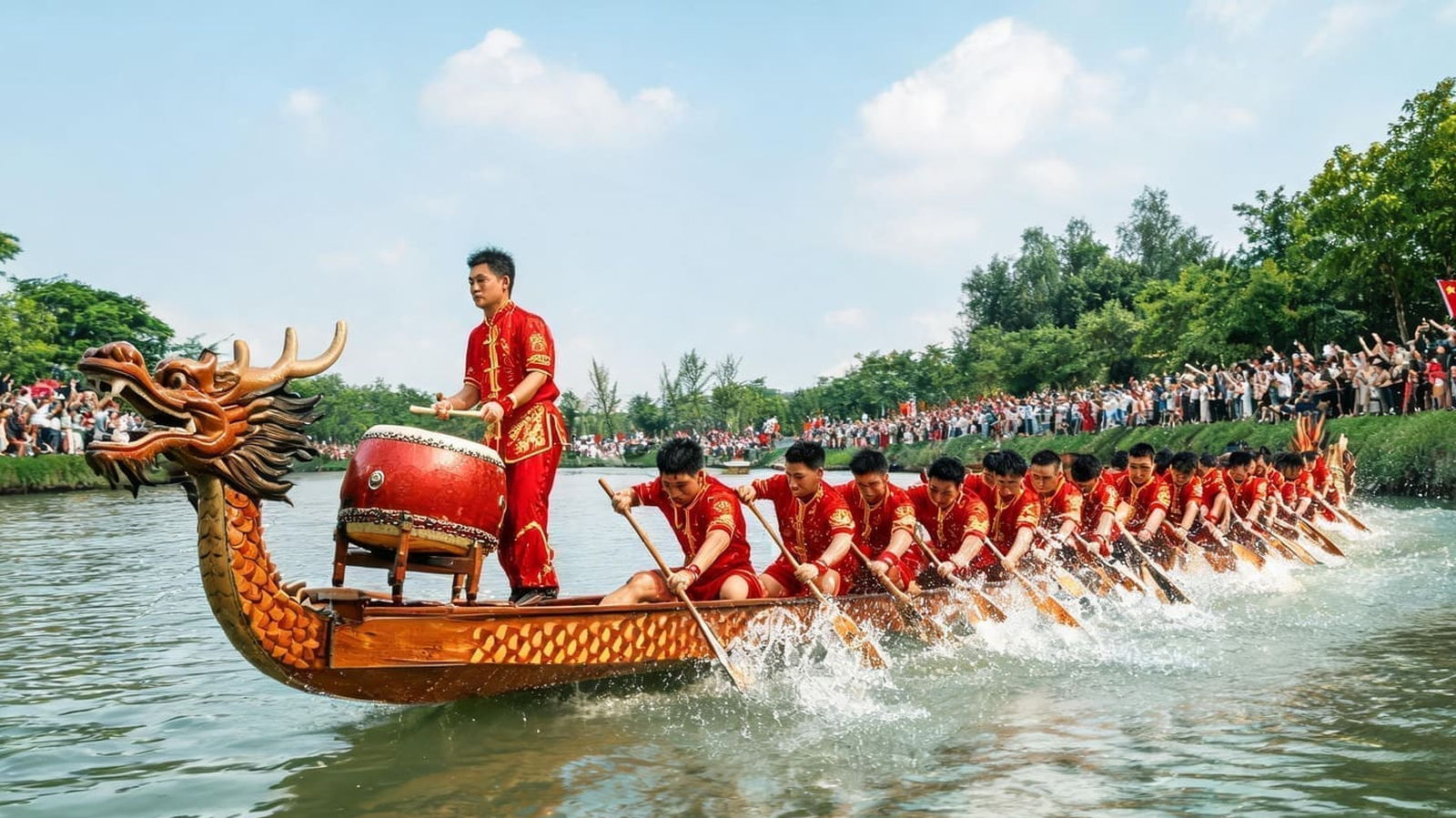
On the morning of the fifth day of the fifth lunar month, the first drumbeats break over the river and rowers bend to their paddles in unison. Mugwort and calamus hang over doorways, zongzi simmer in kitchen pots, and children wear five-coloured silk threads knotted at the wrist.

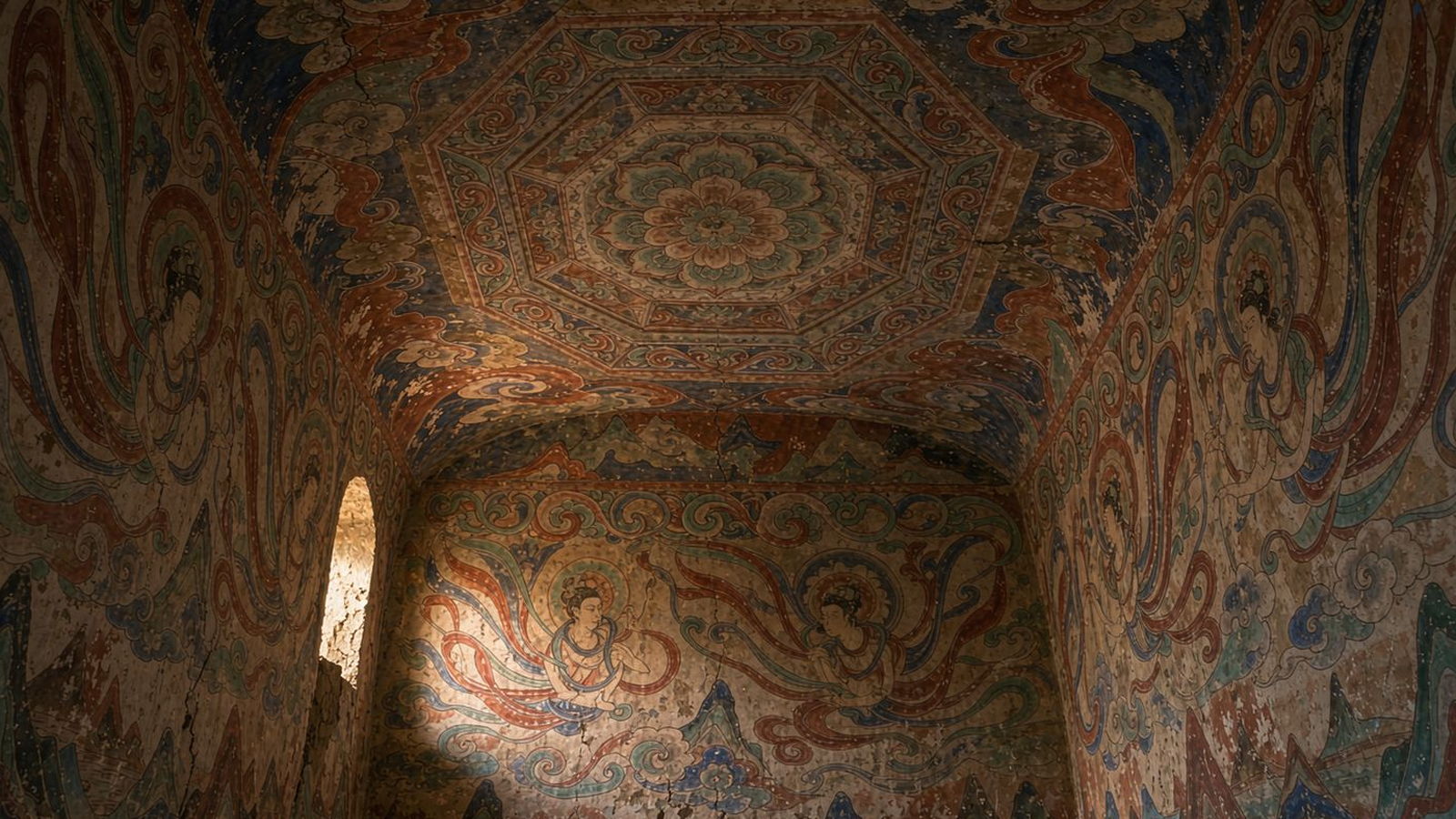
Dunhuang Murals
Dunhuang MuralsTraditional crafts

The four walls and the ceiling of every cave are painted over. Earth red, azurite and malachite were laid on in layer after layer, and a thousand years later the doors opened and the colours were still bright.

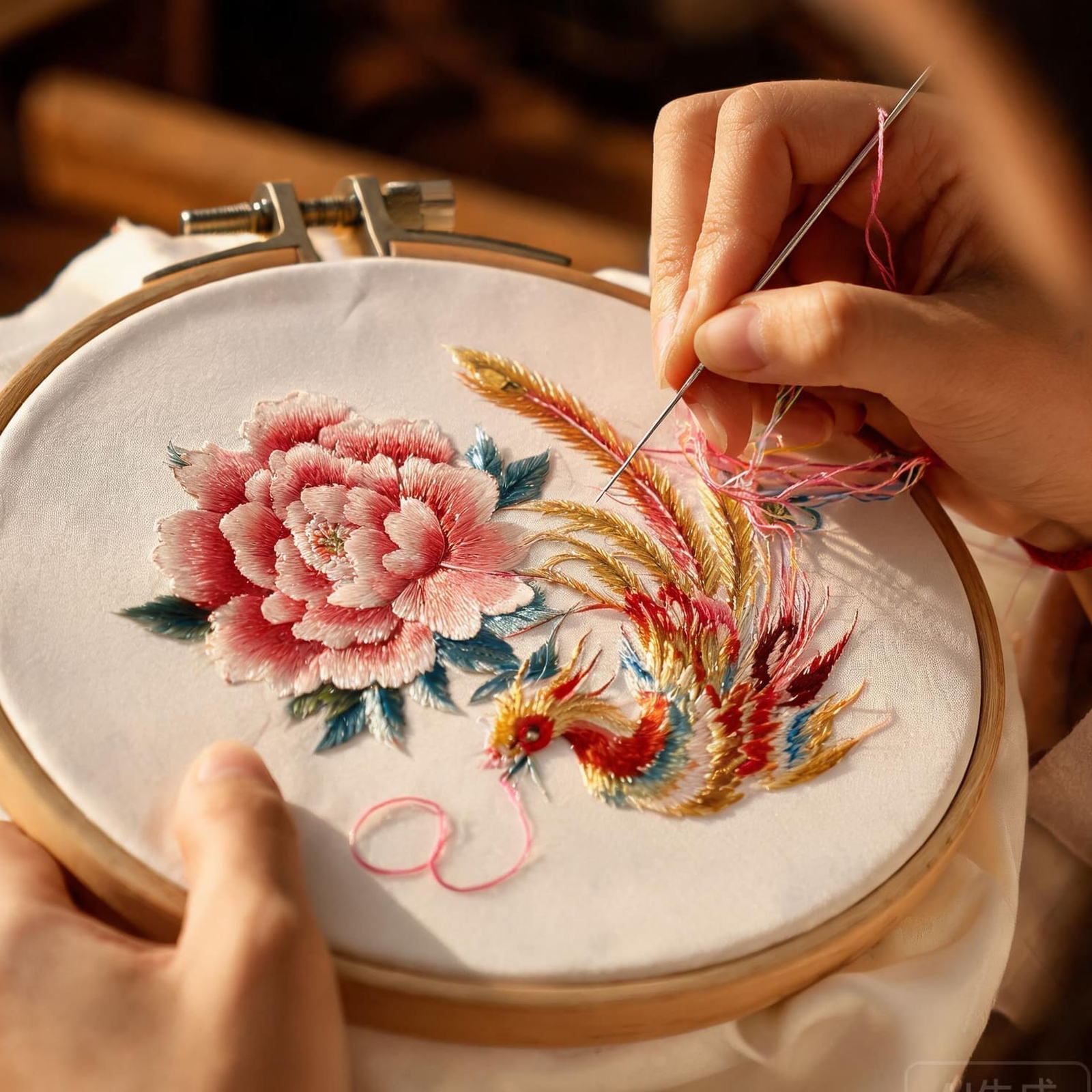
Chinese Embroidery
Chinese EmbroideryTraditional crafts

The handcraft of building pictures on cloth with needle and thread — its Four Great Traditions are known around the world.

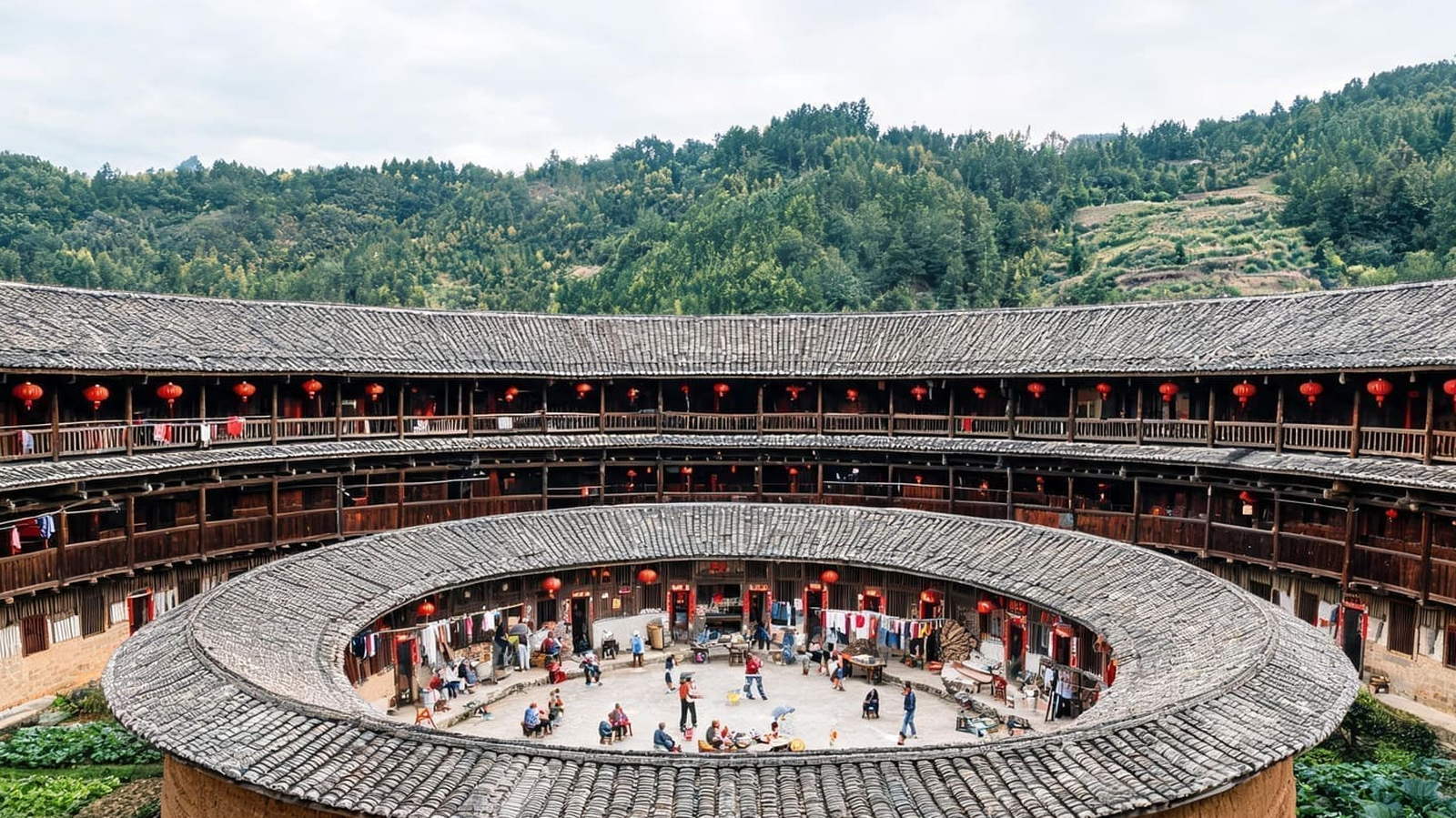
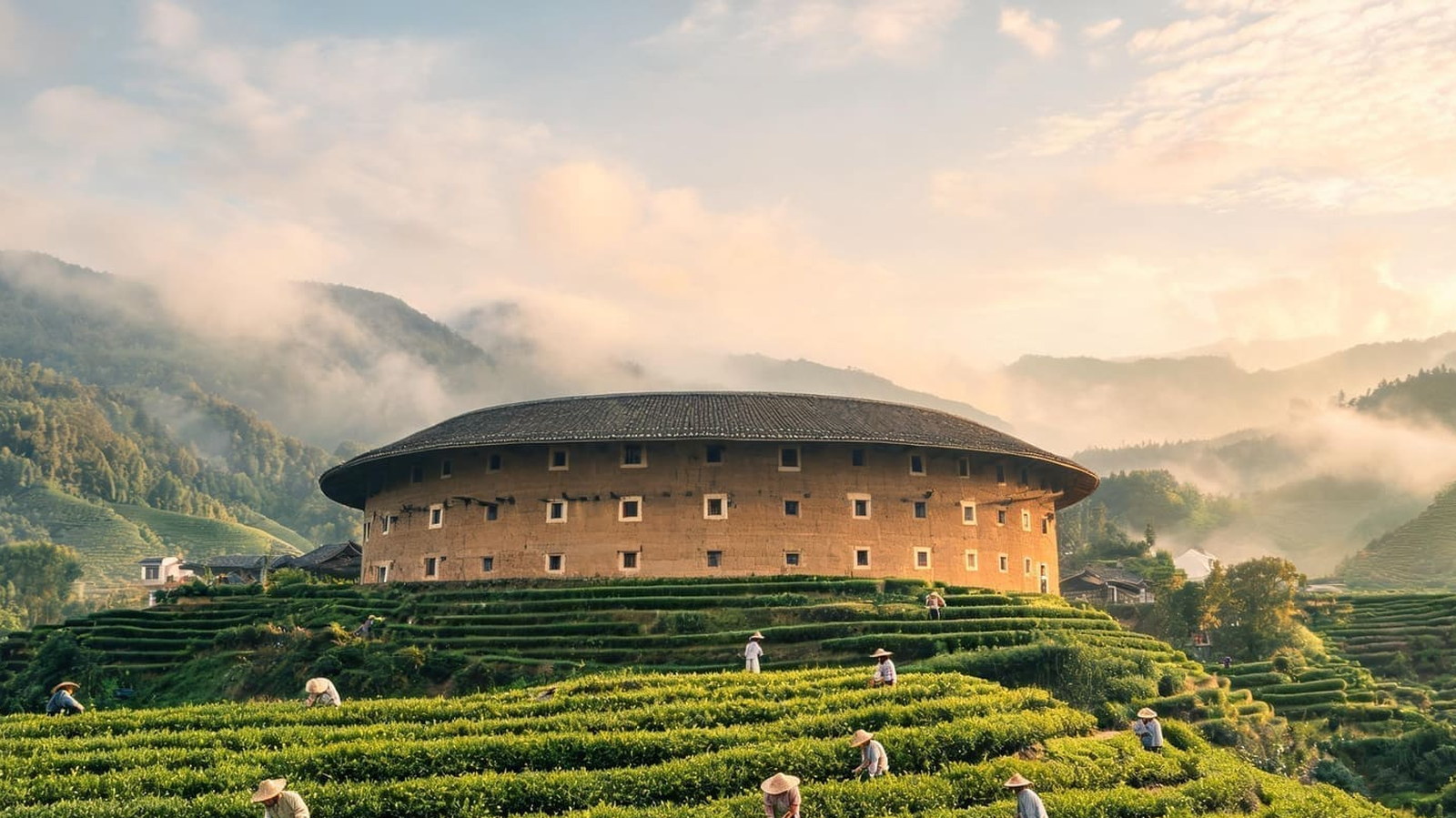
Fujian Tulou
Fujian TulouLocal customs

A World Heritage site: the great rammed-earth houses in which Hakka clans lived together as one household.

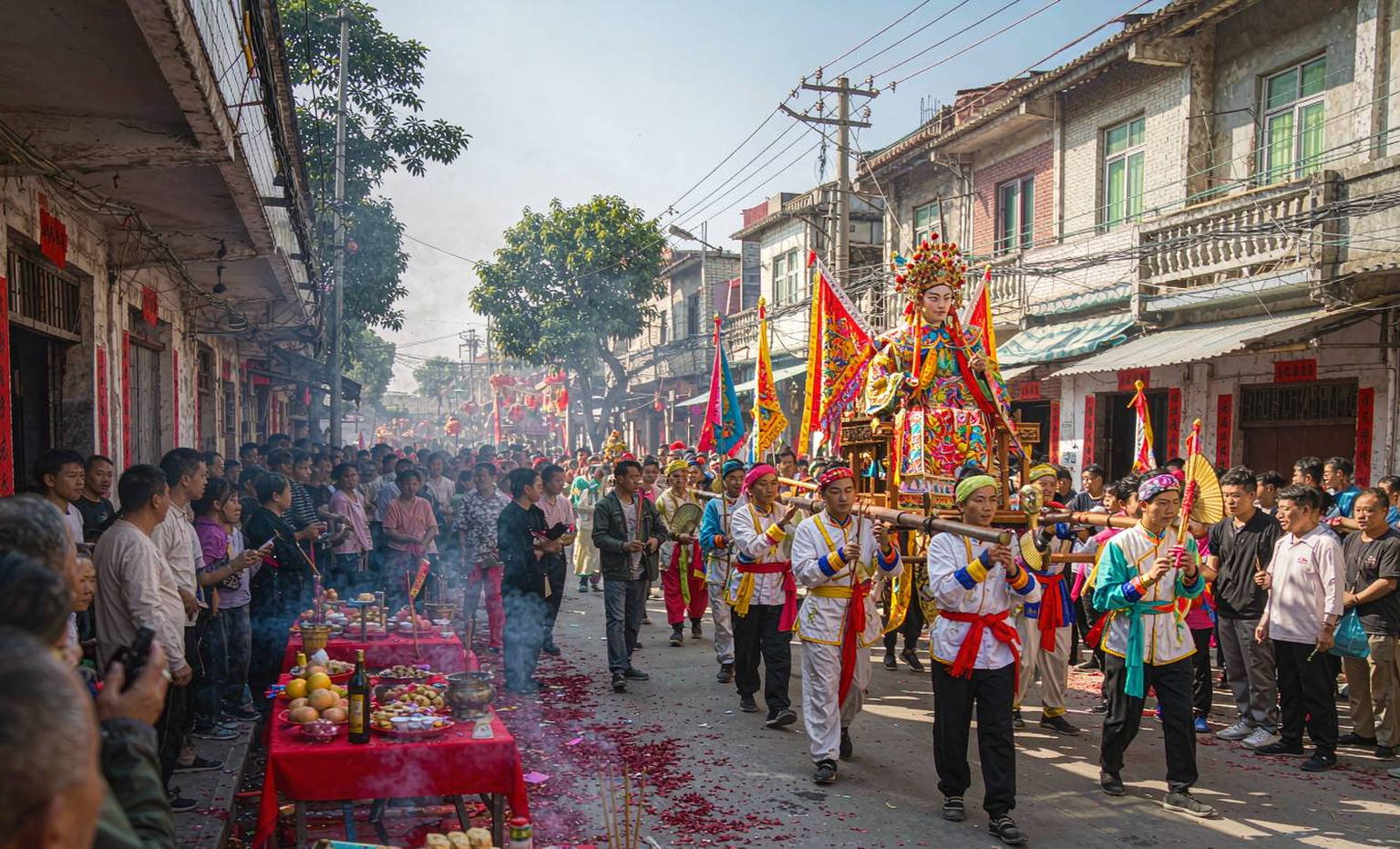
Youshen in Fujian
Youshen in FujianFestival

Through the first lunar month the firecrackers in the villages of Changle, Fuzhou, do not stop: youshen is the most boisterous spring rite on the Fujian coast.

Haicheng Stilt Yangge
Haicheng Stilt YanggeFolk arts

A dance on wooden stilts more than two feet tall: the art on wooden legs of southern Liaoning, where danger and comedy arrive together.

Hua'er Mountain Songs
Hua'er Mountain SongsFolk arts

The hill-country rock of the northwest: launch a hua'er across the valley and the mountains turn into a sounding board.

Huizhou Architecture
Huizhou ArchitectureLocal customs

White walls, dark tiles and stepped horse-head gables — the most poetic of China's traditional dwelling styles.

Yi Torch Festival
Yi Torch FestivalFestivals

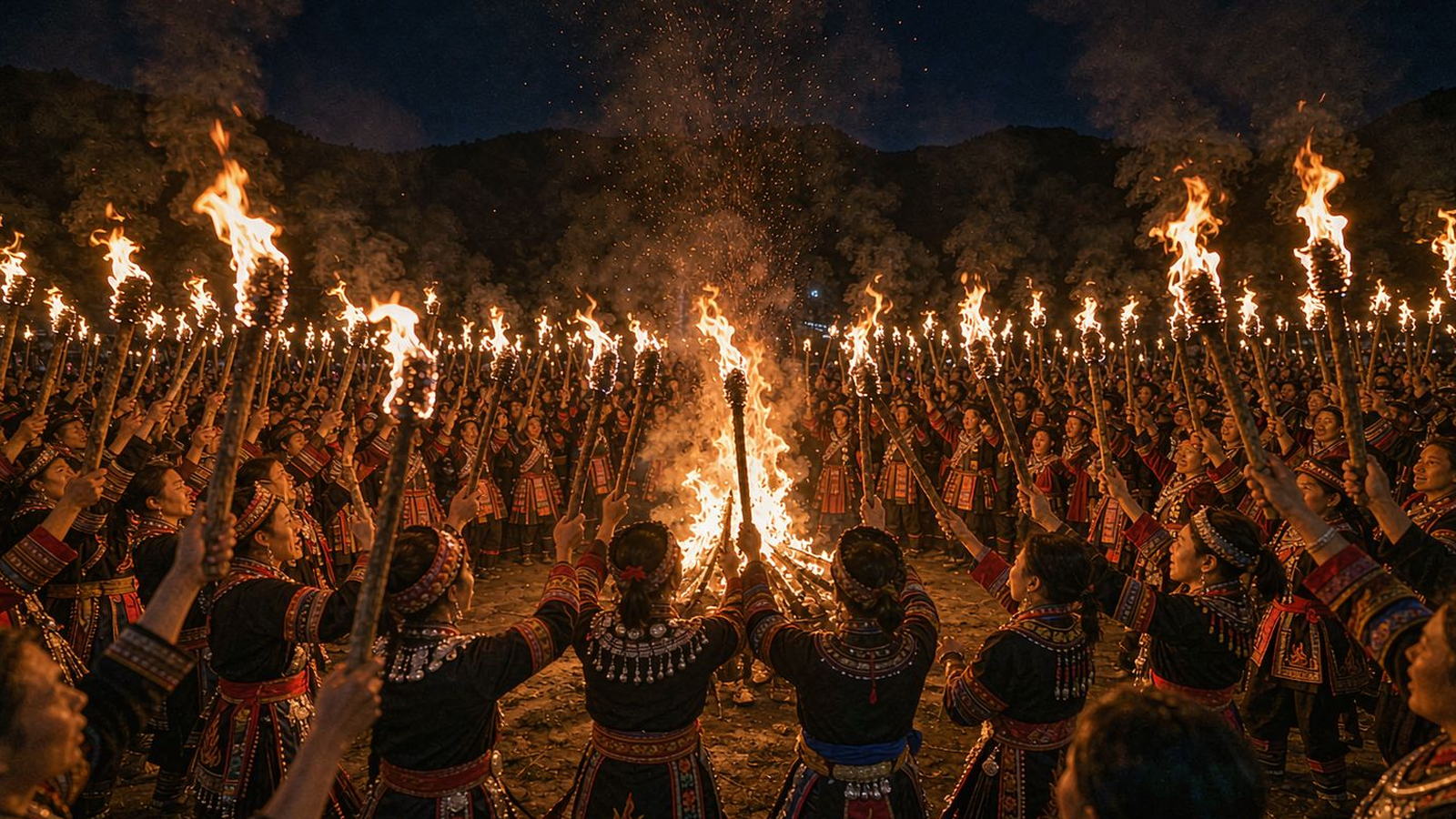
On the twenty-fourth day of the sixth lunar month, called Duze in the Yi language — fire is worshipped, honoured and sent off, and the night is lit for a good harvest.

Junpo Festival
Junpo FestivalFestival

A great festival of northern Hainan, held in memory of Lady Xian: mustered troops on the march, cheek piercing and fire walking, and a noise you feel in the chest.

Eid al-Fitr
Eid al-FitrFestival

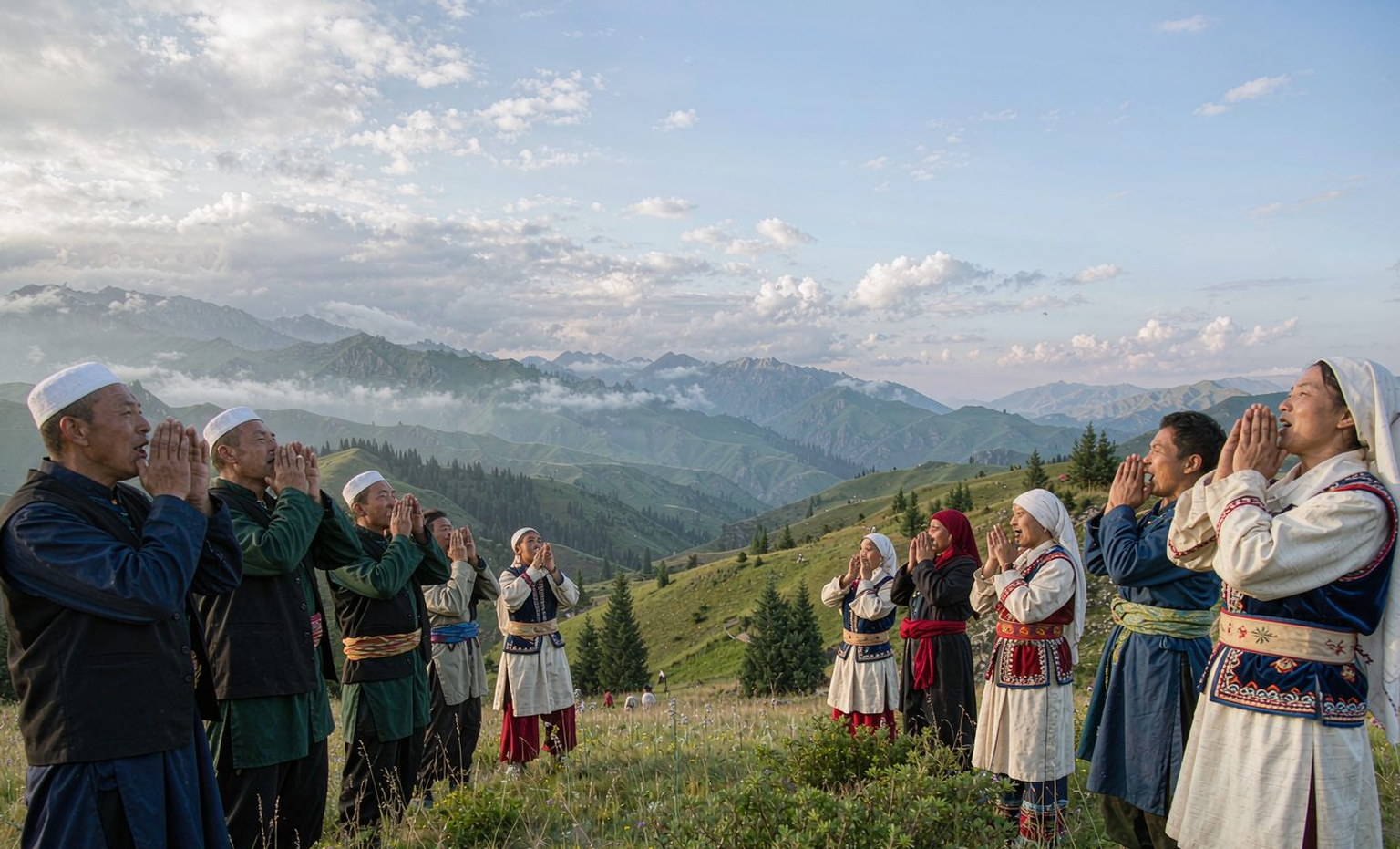
Thirty days of fasting kept, and a reunion at first light — the greatest festival of the year for the Hui.

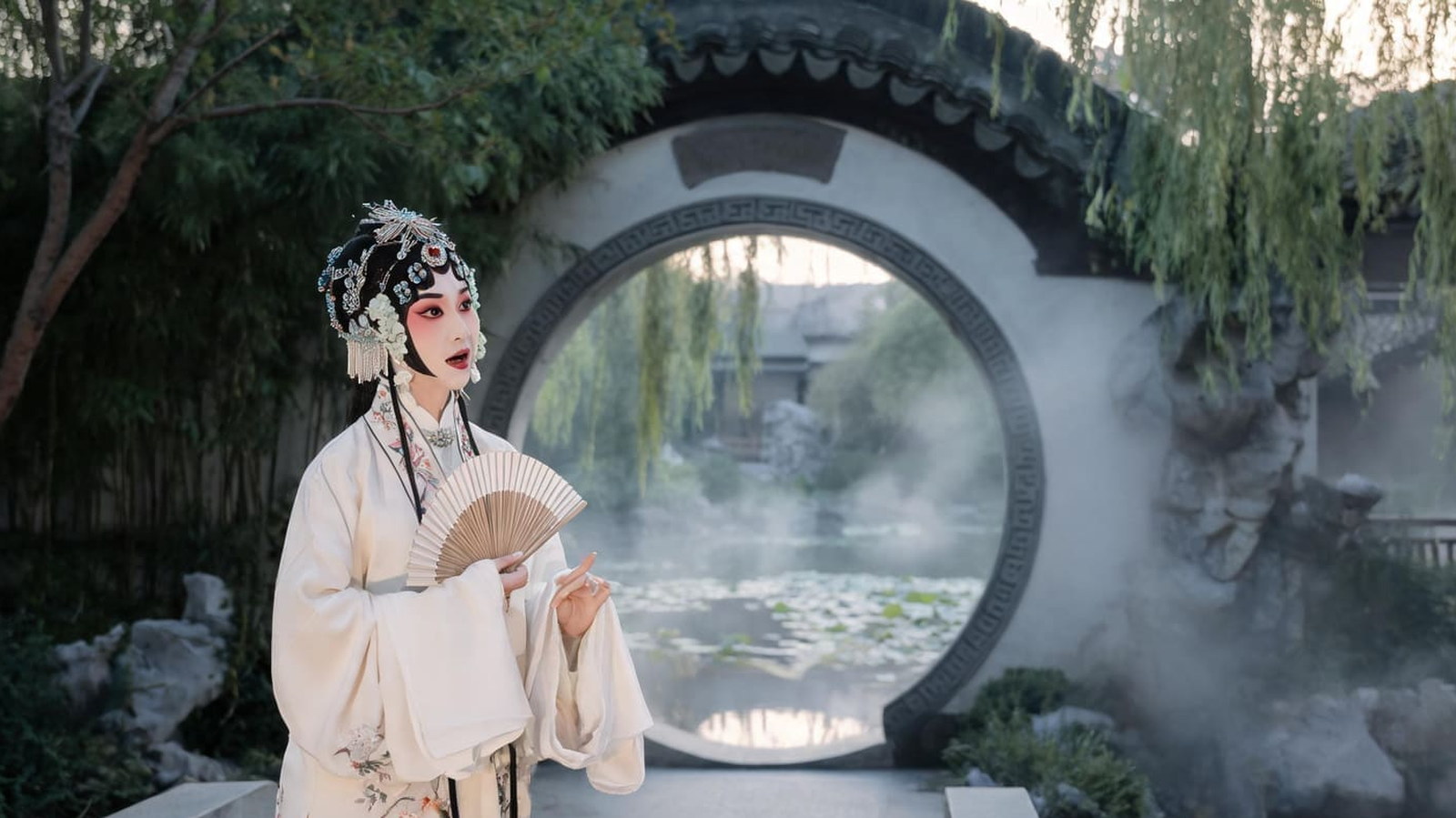
Kunqu Opera
Kunqu OperaFolk arts

The 'ancestor of a hundred operas' and the oldest surviving form of Chinese opera, celebrated for its supple, refined delivery.

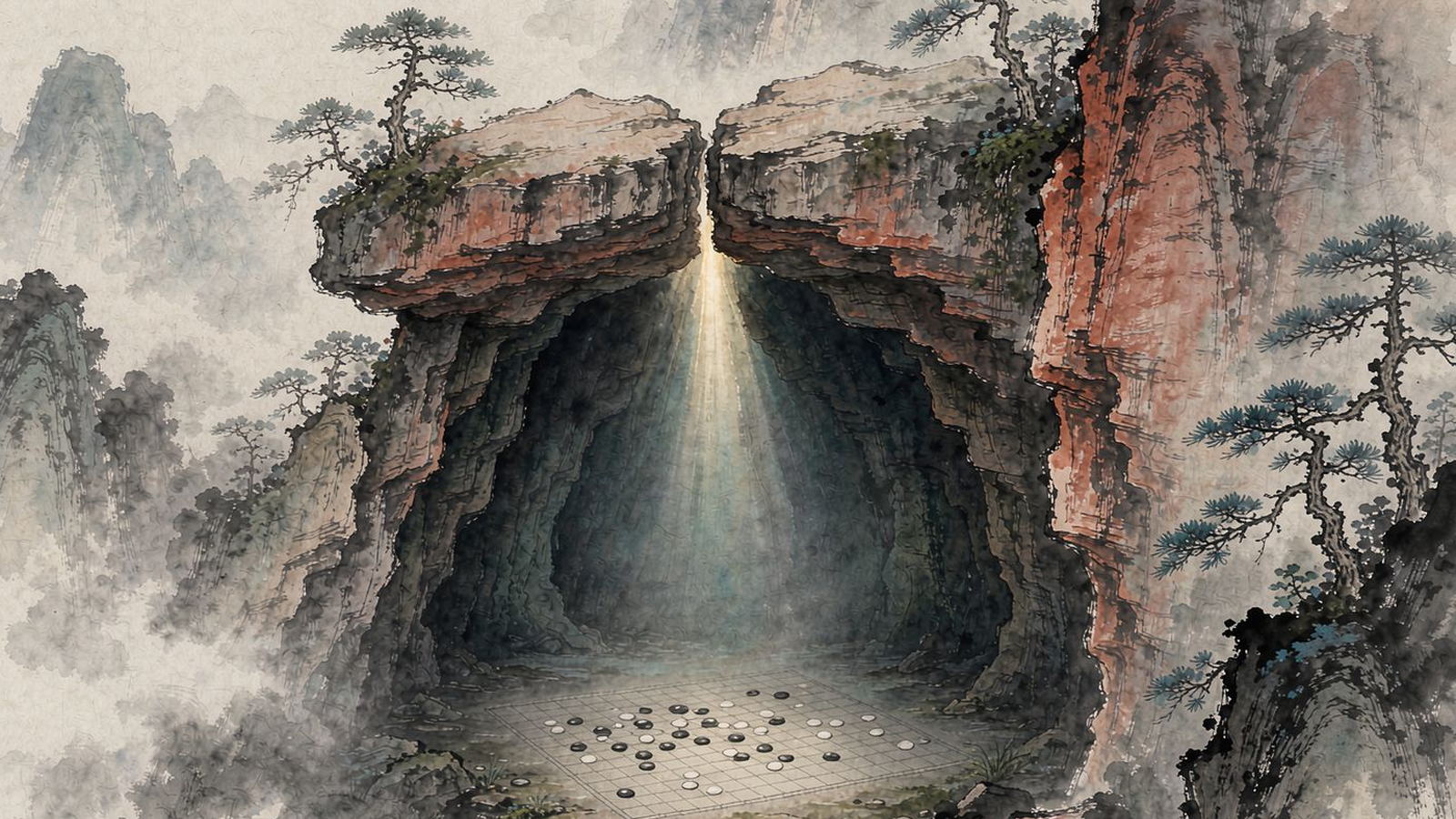
Legend of Lanke Mountain
Legend of Lanke MountainFolk arts

A woodcutter set down his axe to watch a game of Go. When he turned round, the handle had rotted away in his hand.

The Lantern Festival
The Lantern FestivalFestival customs

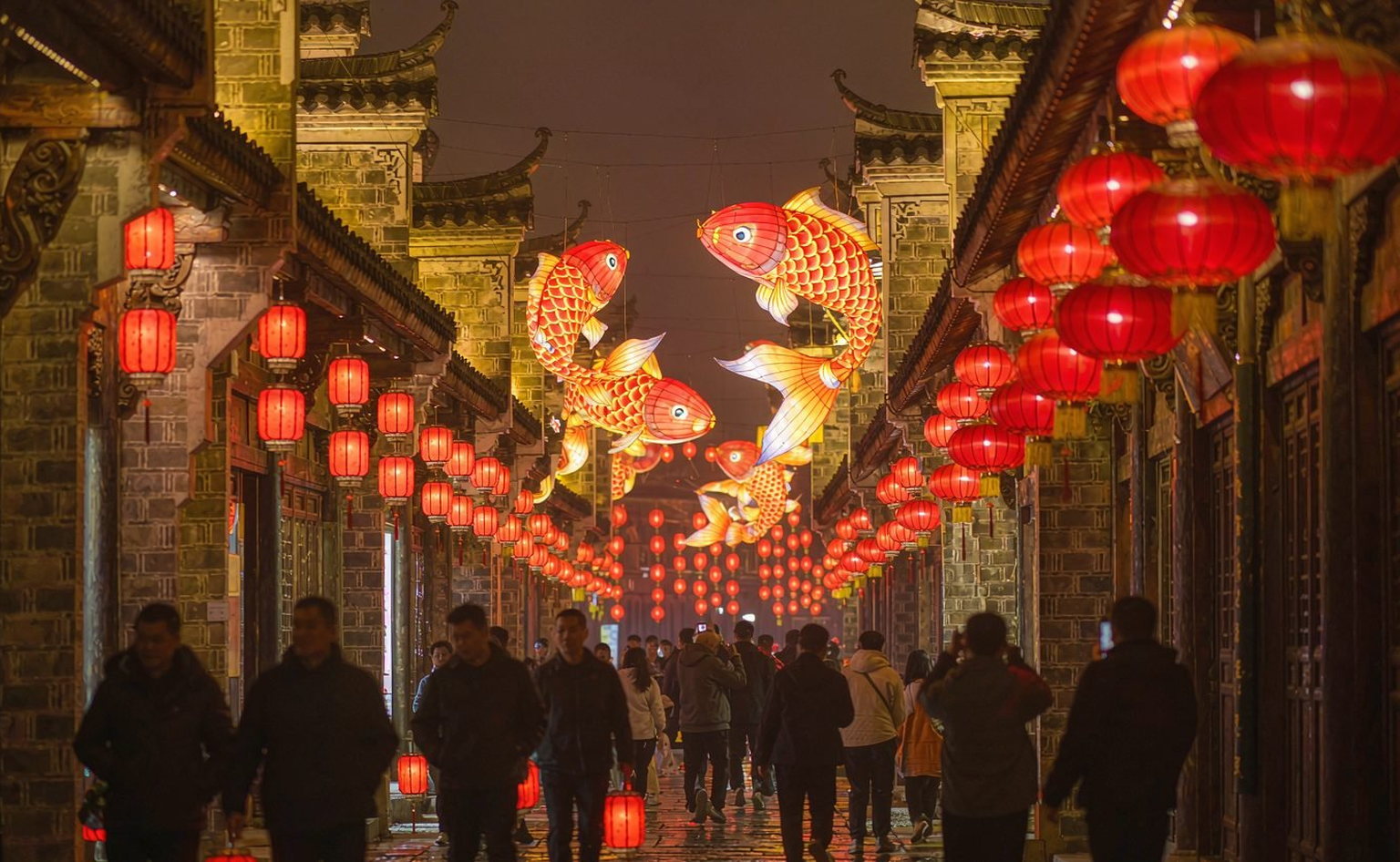
On the fifteenth of the first month, before the sky is fully dark, someone at the lane's mouth is already carrying out a ladder to hang lanterns. Bamboo-rib frames pasted with red paper, a candle lit inside — when the wind passes, the shadows sway on the wall. In the kitchen the water boils and yuanxiao rise one by one, white and plump and round.

Lanzhou Taiping Drum
Lanzhou Taiping DrumFolk arts

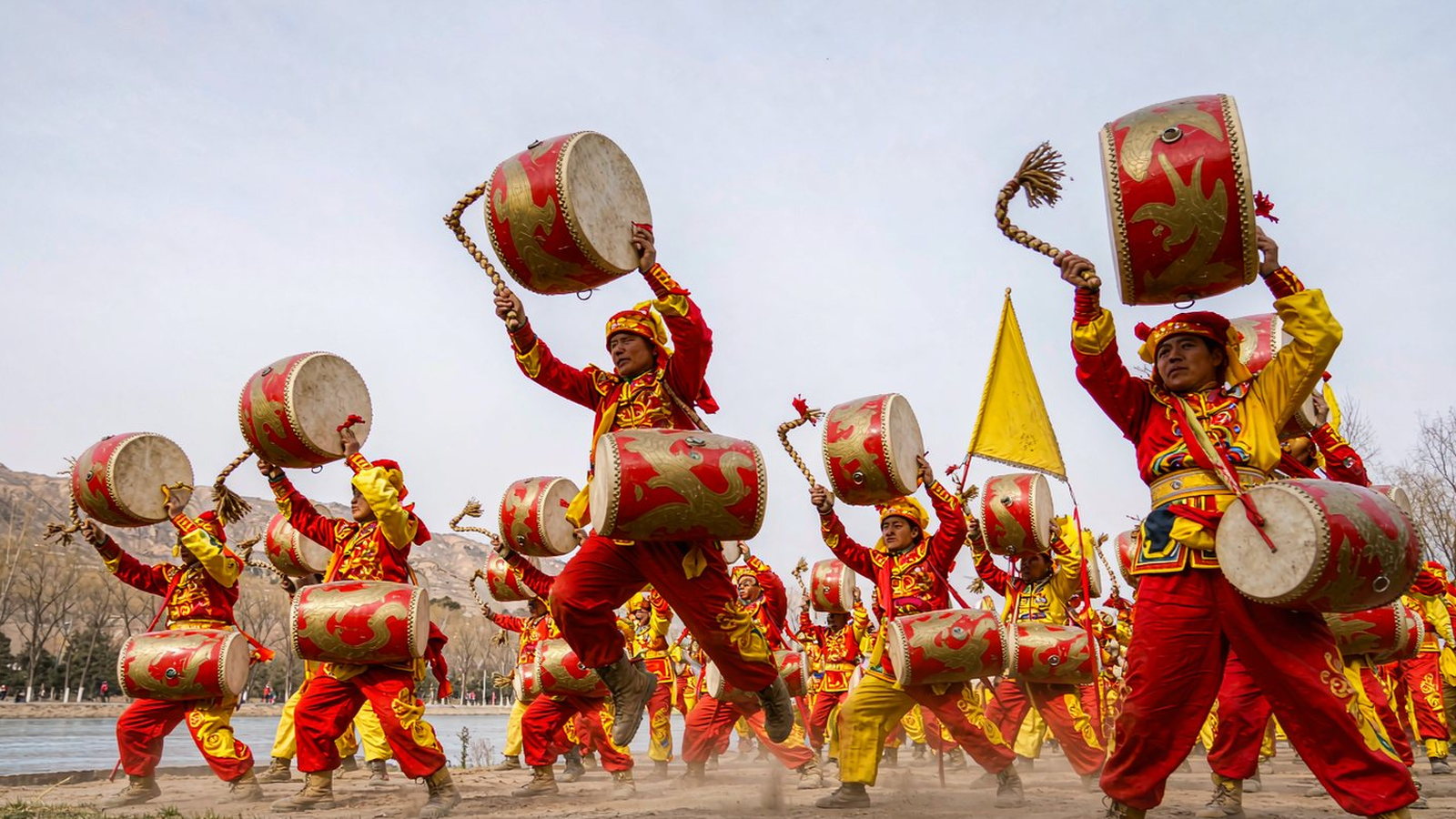
Lanzhou people call it the finest drum under heaven: seventy-odd centimetres of barrel slung at the waist, struck with a whip braided from hemp rope, loud enough to drown the whole bank of the Yellow River.

Lion Dance (Southern Style)
Lion Dance (Southern Style)Folk arts

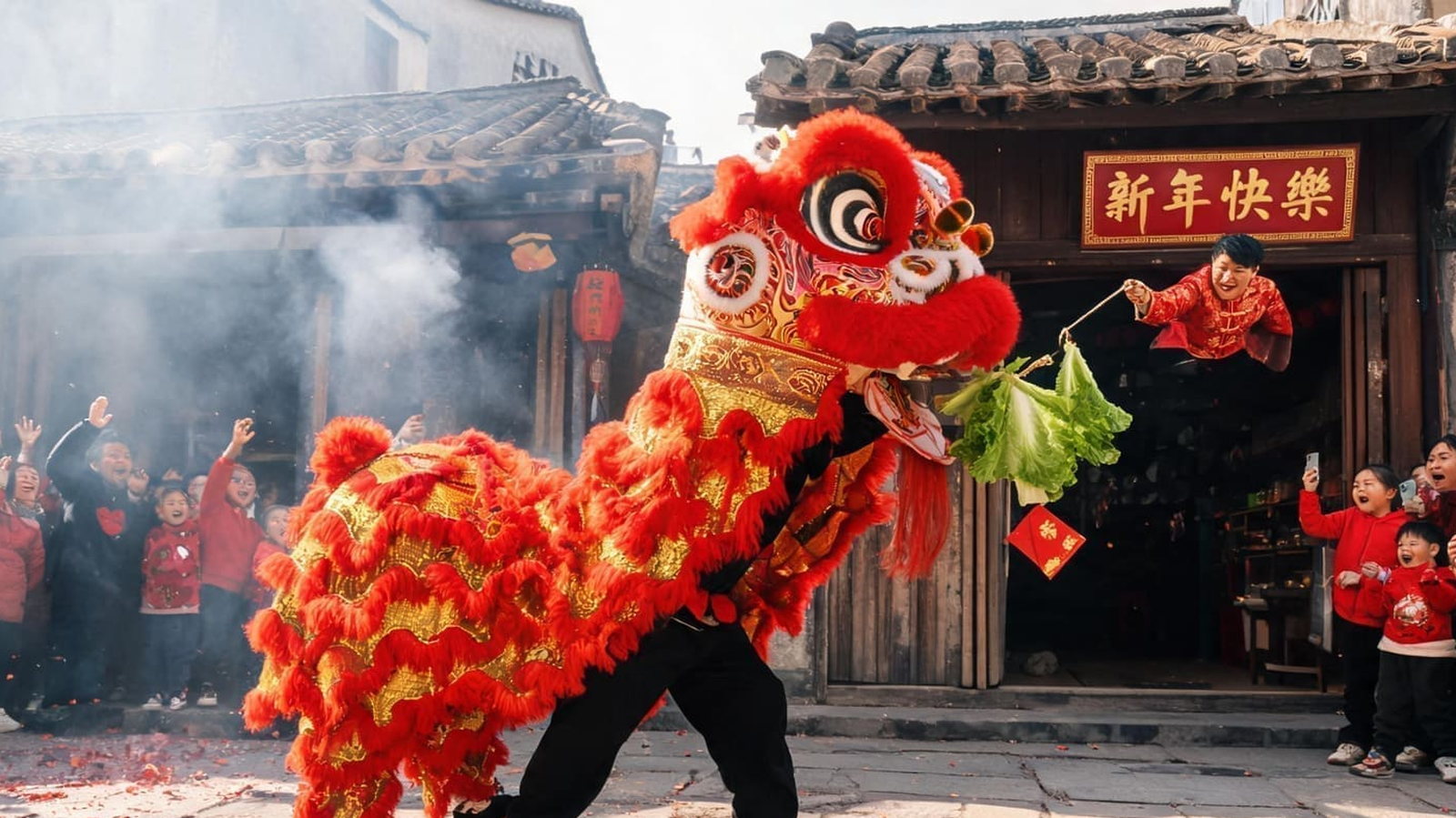
The signature folk dance of Lingnan, folding martial arts, dance and music into one.

Sanyuesan of the Li People
Sanyuesan of the Li PeopleFestival

The oldest festival of love among the Li people: spring, with song as matchmaker and mountain-orchid wine as the pledge.

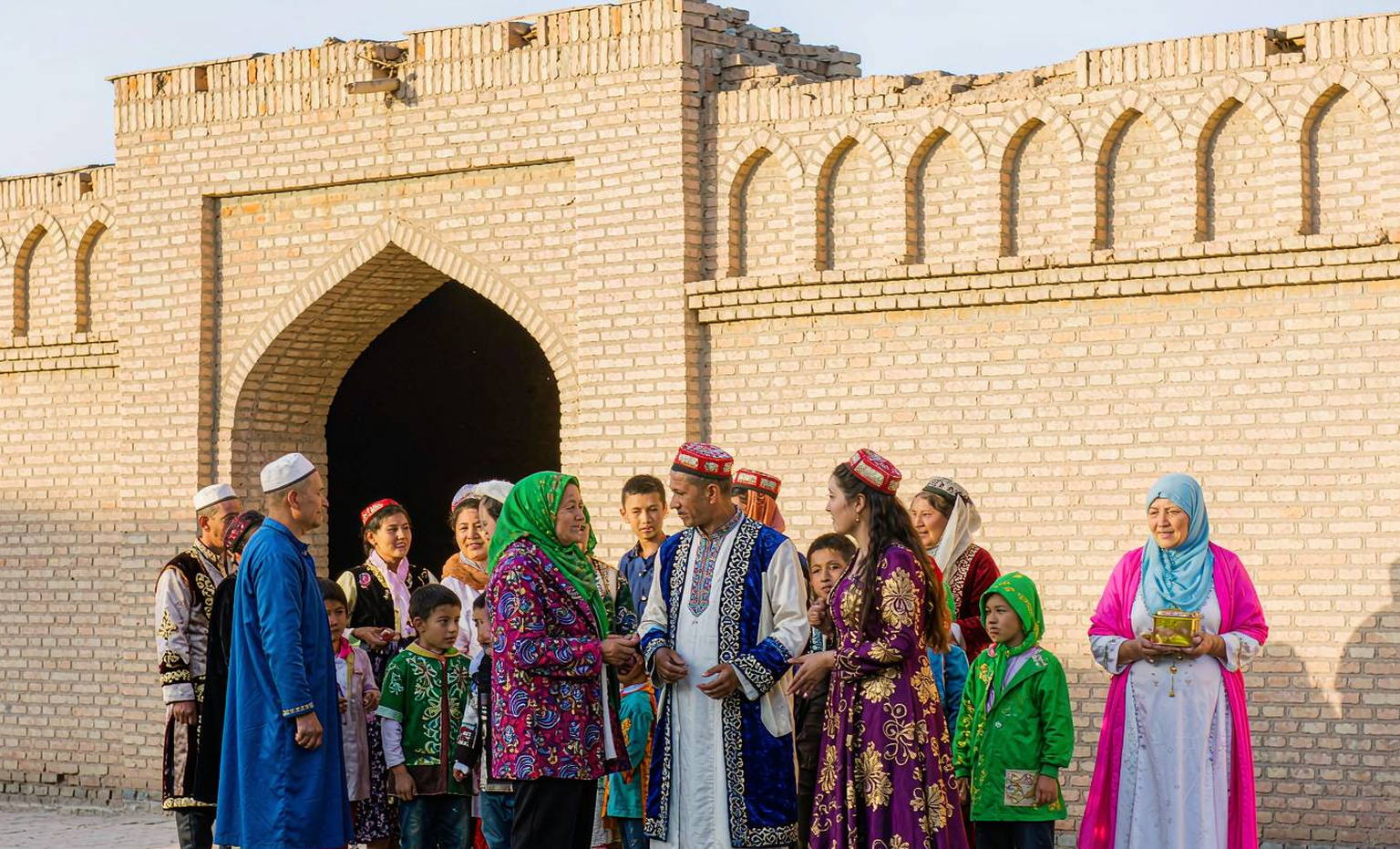
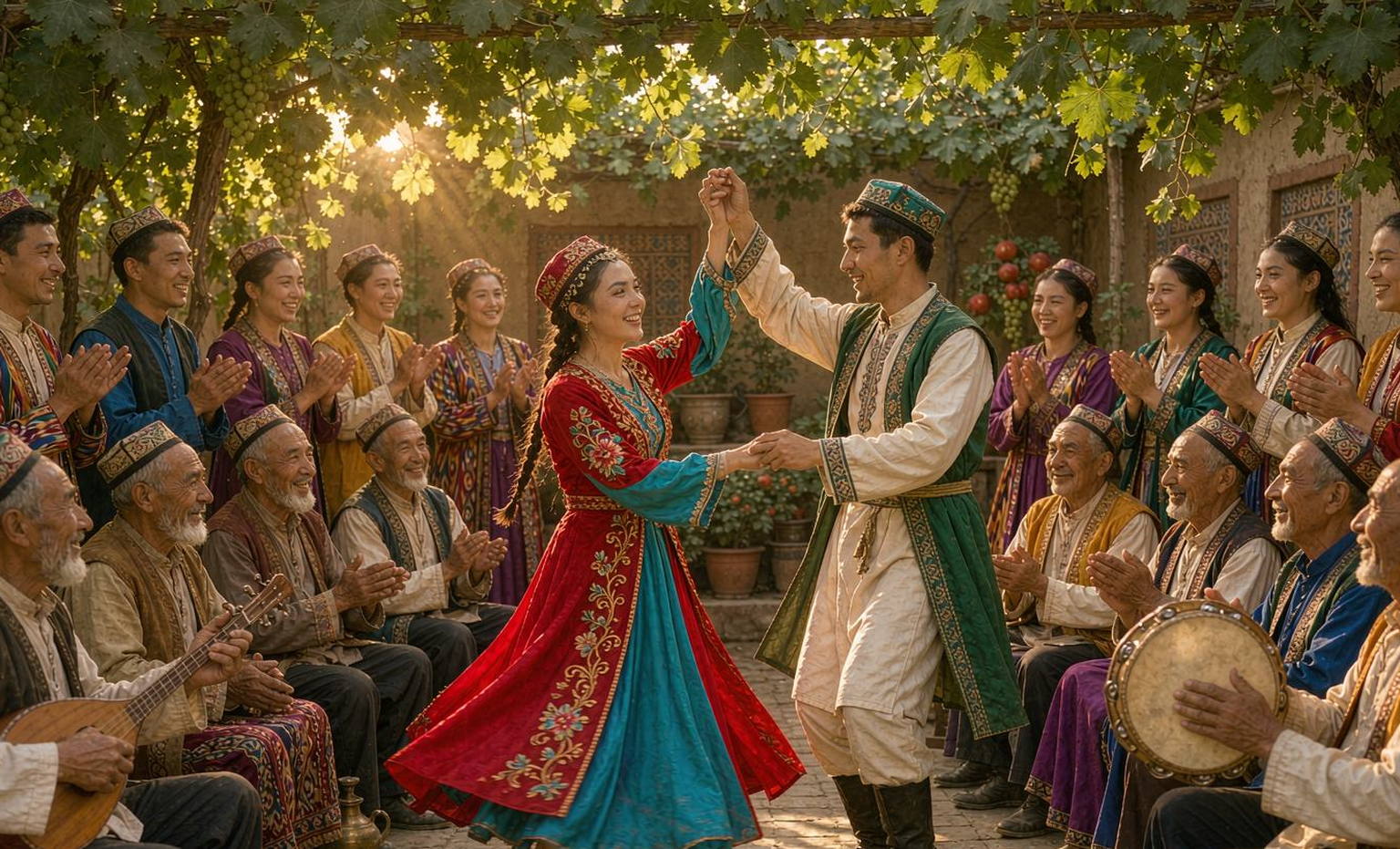
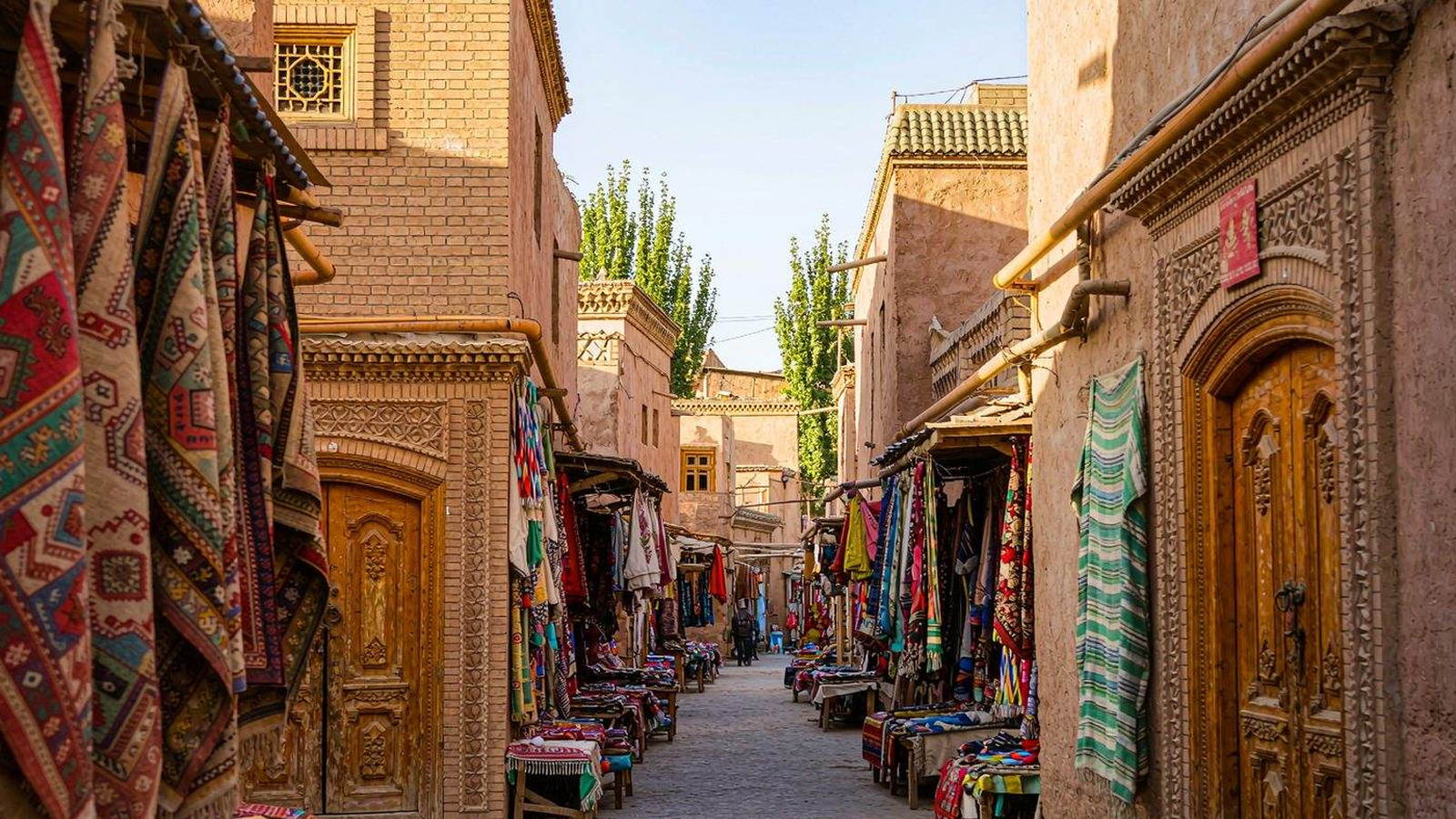
Meshrep
MeshrepFolk arts

A gathering of song, dance, games and food that draws in a whole Uyghur neighbourhood — once a meshrep begins, the joy does not stop.

Mazu Belief and Customs
Mazu Belief and CustomsFestivals

A sea goddess who came from Meizhou Island and has watched over everyone who lives by the water for more than a thousand years.

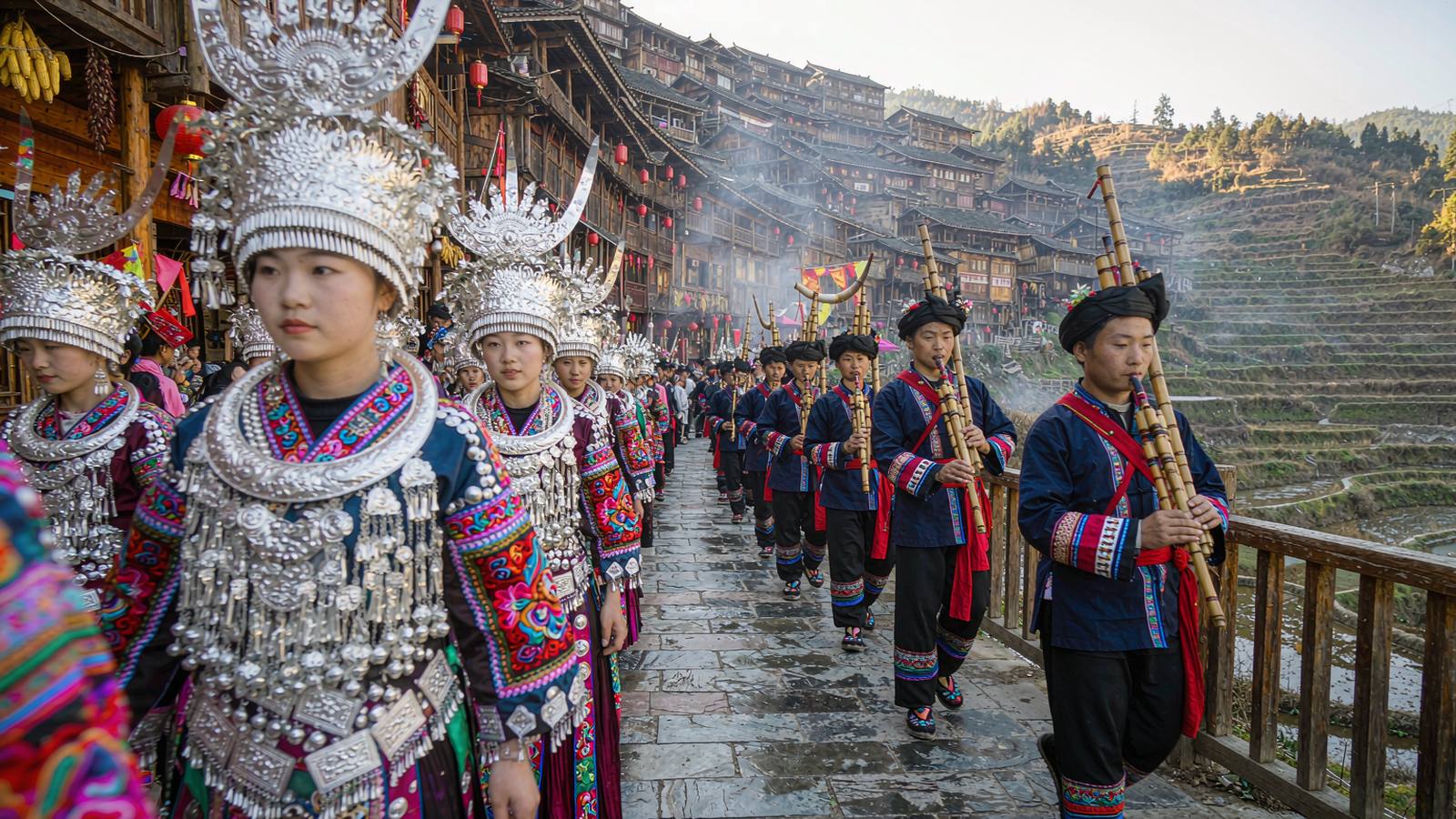
Miao New Year
Miao New YearFestival

The first month of the Miao calendar: the lusheng pipes sound from one end of the village to the other. After the reunion meal, it is out with the rice wine to visit neighbouring villages — a Miao New Year that is drunk and feasted all the way to the second month.

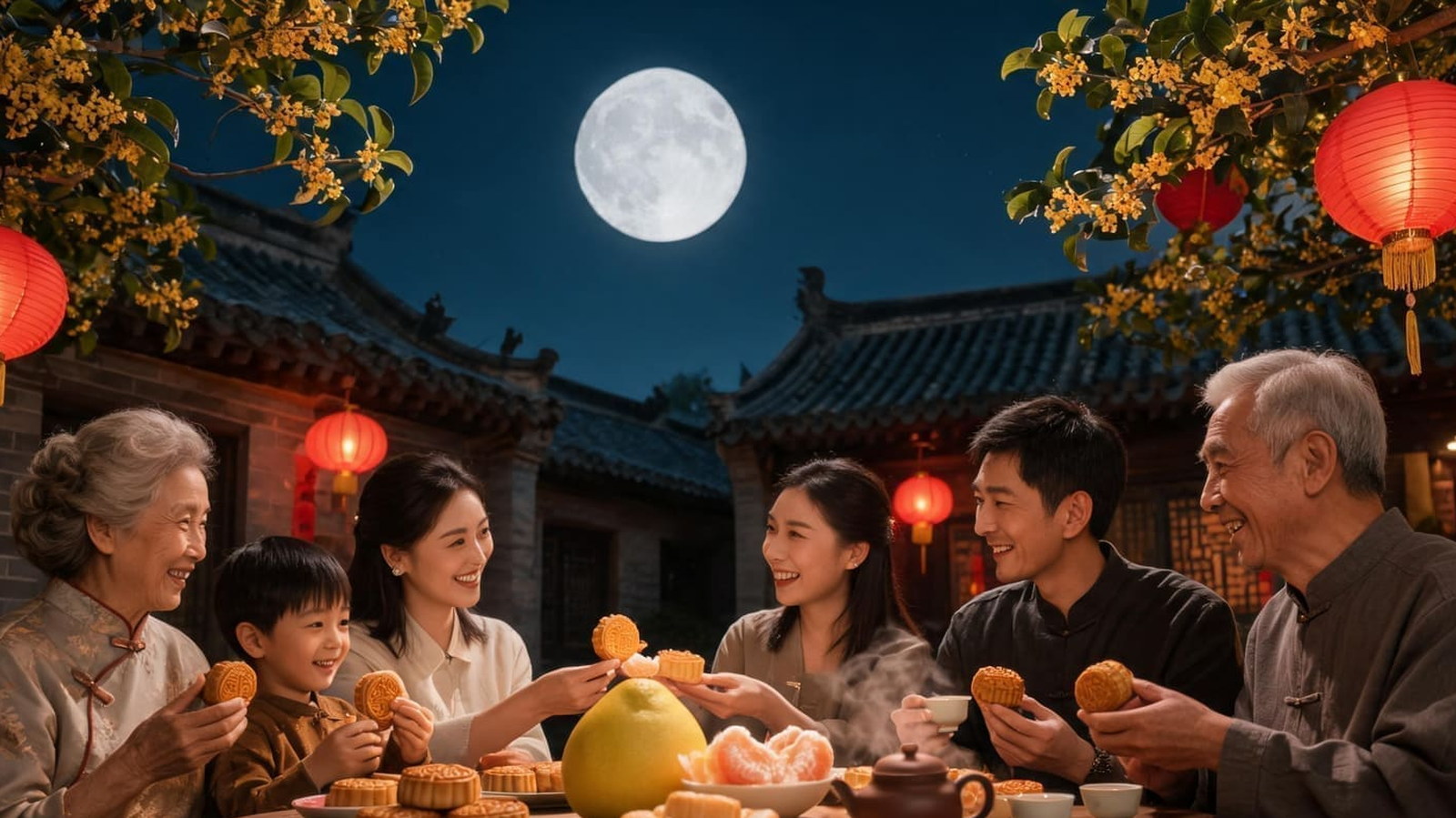
The Mid-Autumn Festival
The Mid-Autumn FestivalFestival customs

Halfway through the autumn harvest, on the night the moon is at its fullest, the Chinese carry the table into the courtyard and set out mooncakes and fruit.

Mongolian Chess
Mongolian ChessFolk arts

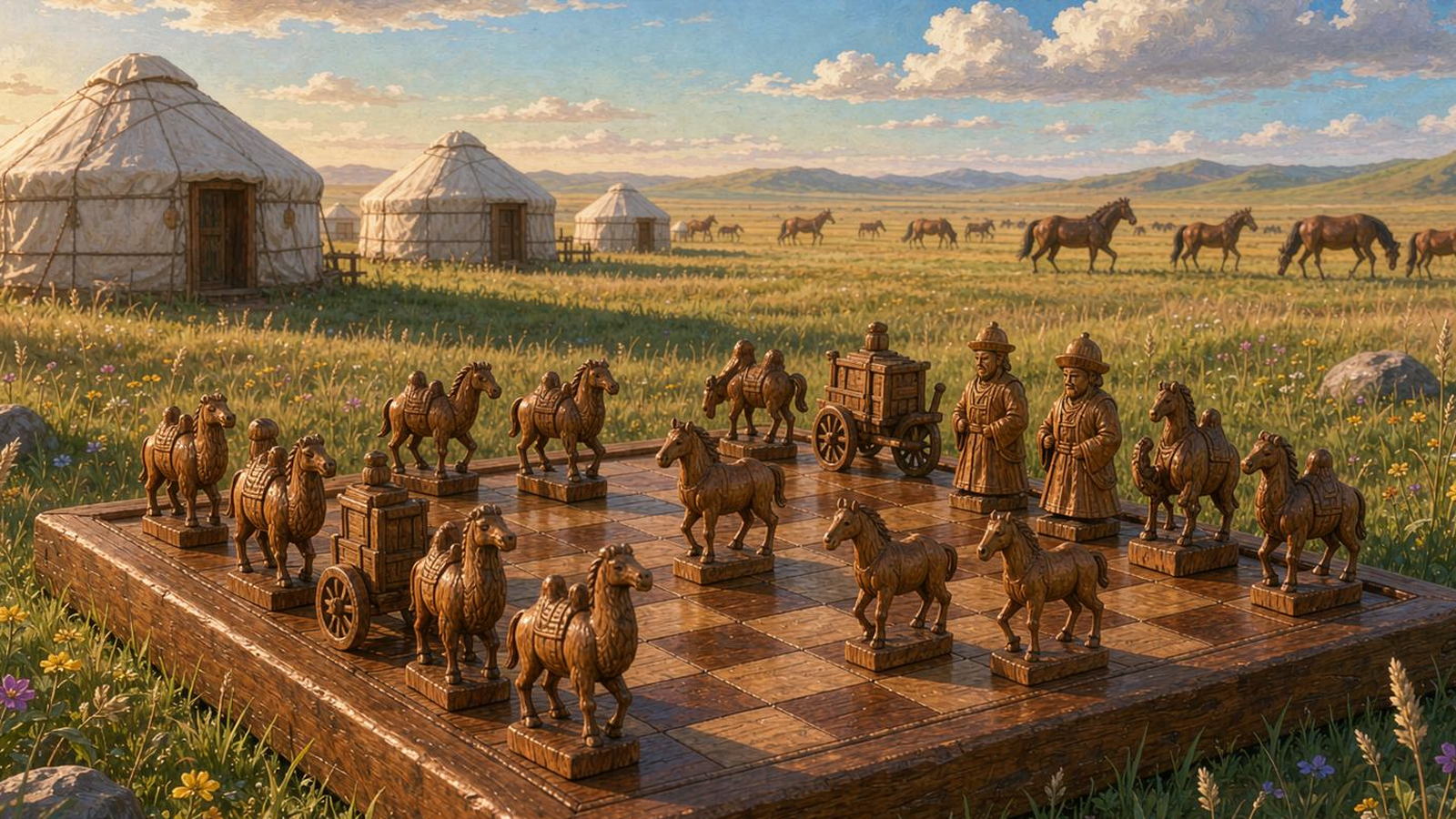
Sixty-four squares, no river between the camps, the whole board open to every piece. Camels, horses, carts and noyon lords line up, and herders sit down to play.

The Twelve Muqam
The Twelve MuqamFolk arts

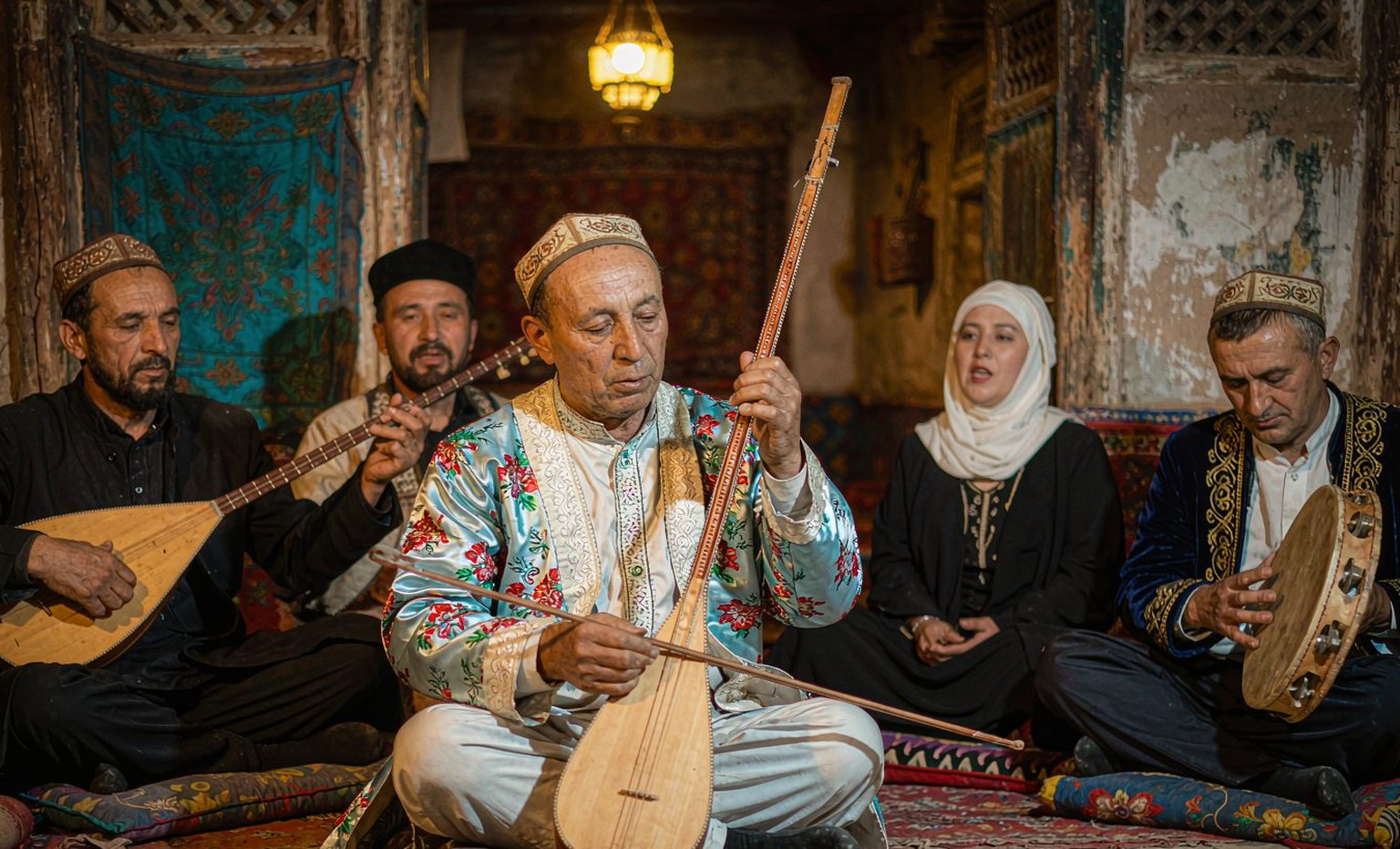
Twelve great suites that take more than twenty hours to sing through — the Uyghur encyclopaedia of music.

Munao Zongge
Munao ZonggeFestivals

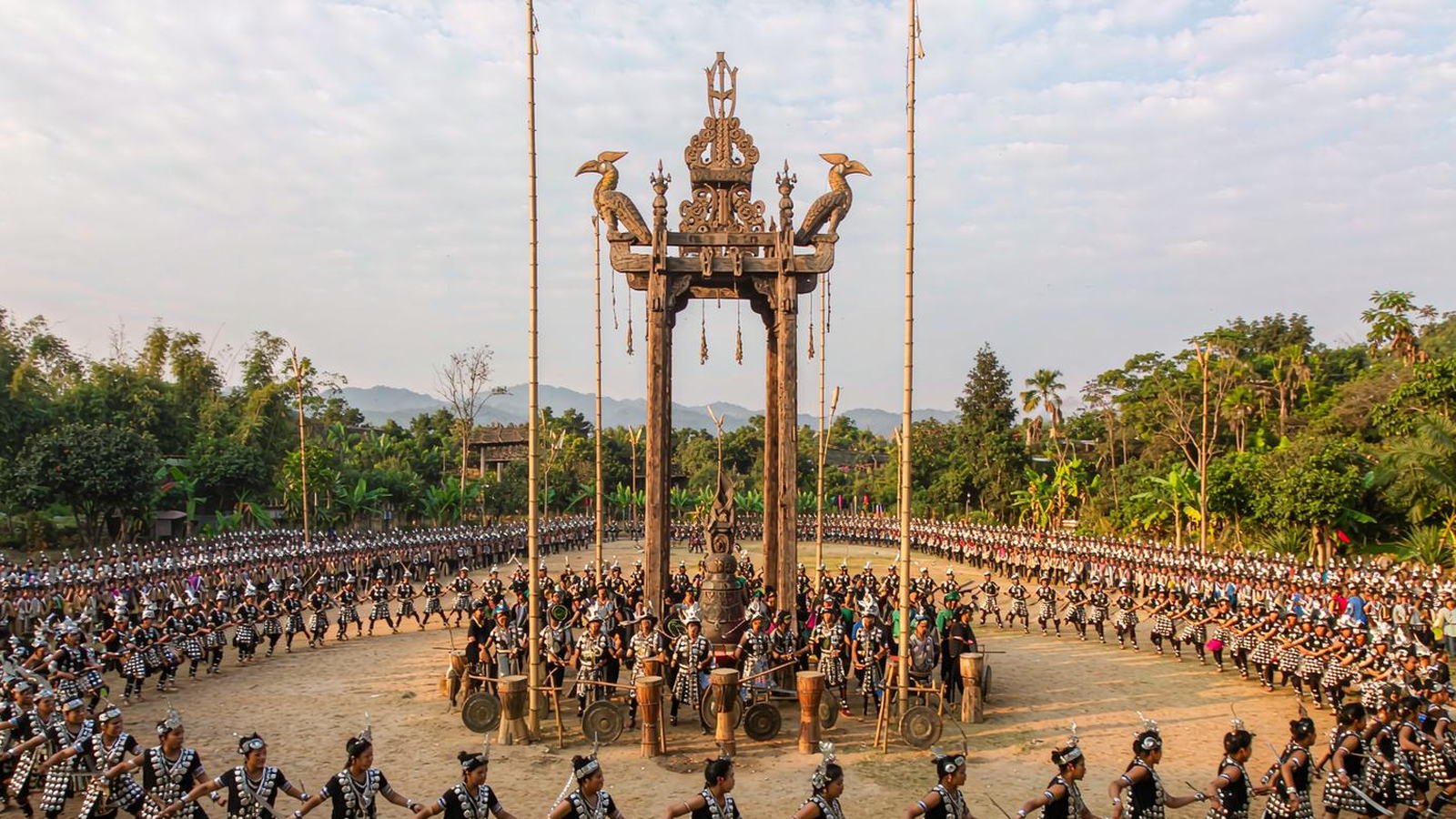
The greatest festival of the Jingpo year. Tens of thousands dance in a spiral around the totem pillars to a single drumbeat — the 'dance of ten thousand people'.

Naadam Festival
Naadam FestivalFestivals

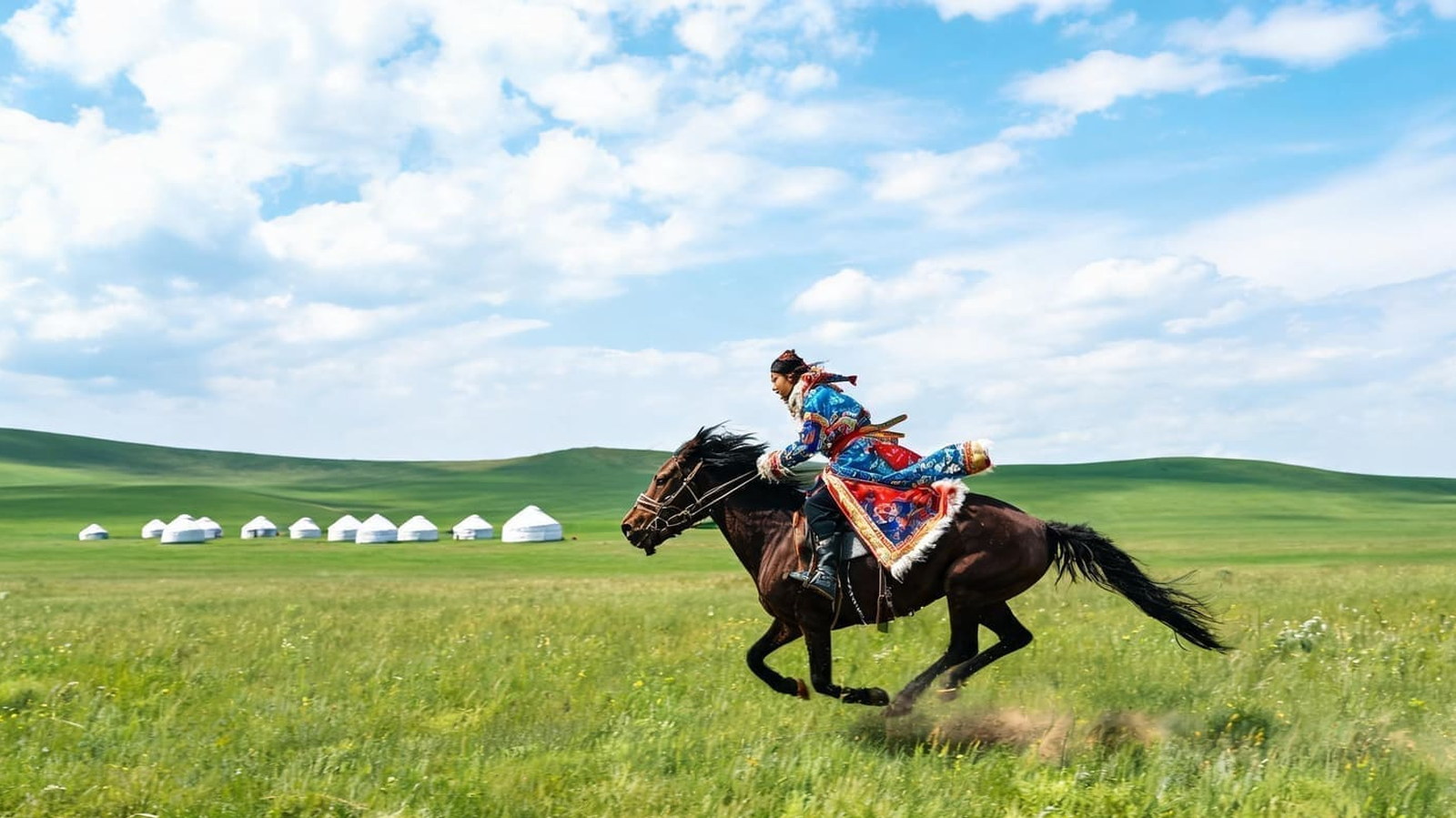
The largest gathering of the Mongolian year. Horse racing, wrestling and archery — on the steppe, strength and song arrive together.

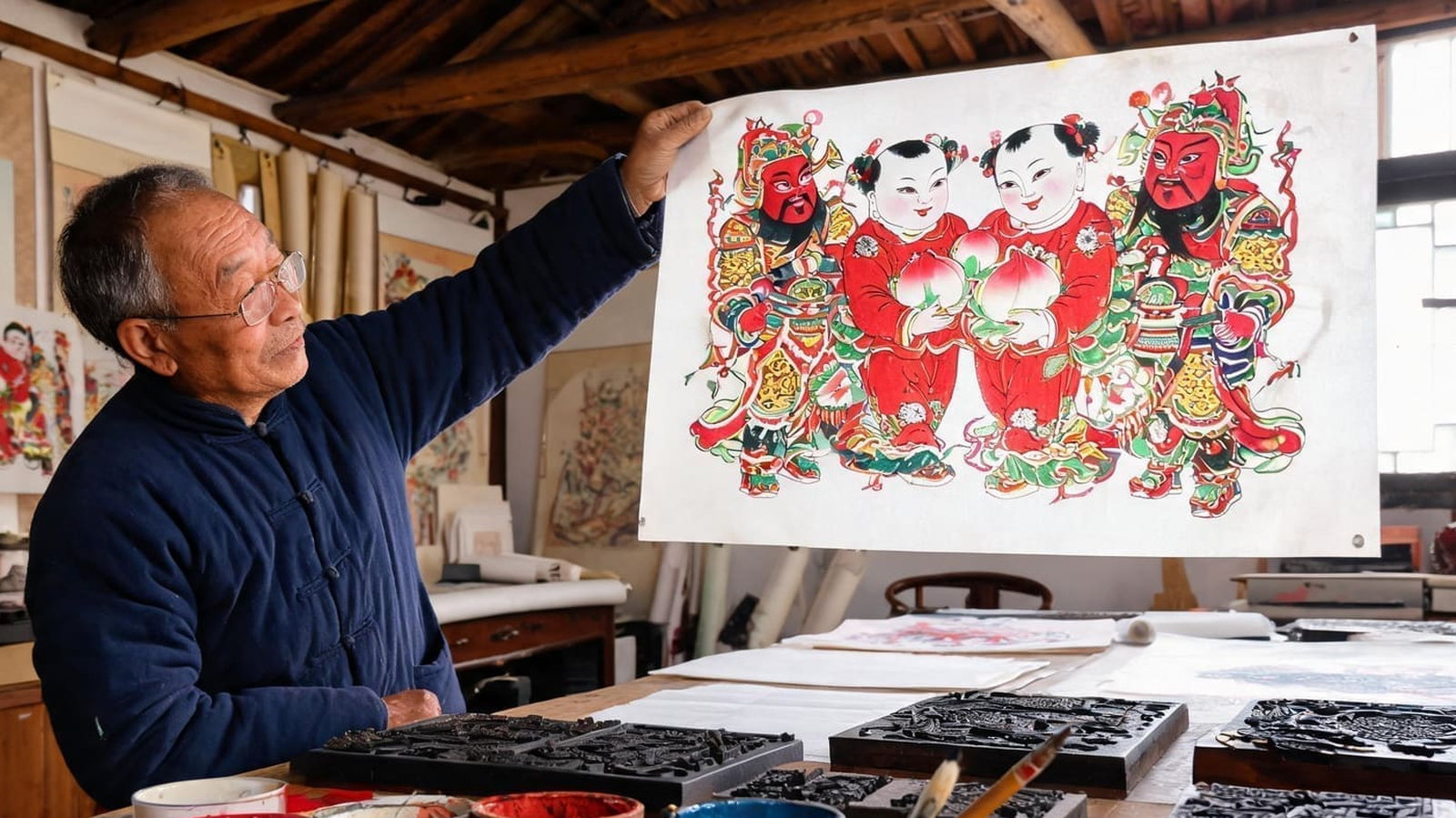
Woodblock New Year Prints
Woodblock New Year PrintsFolk arts

Folk pictures pasted up at New Year, carrying wishes for good fortune and driving off ill luck.

Nowruz
NowruzFestival

The old year out and the new in at the spring equinox — the shared 'birthday of spring' of many peoples in Xinjiang.

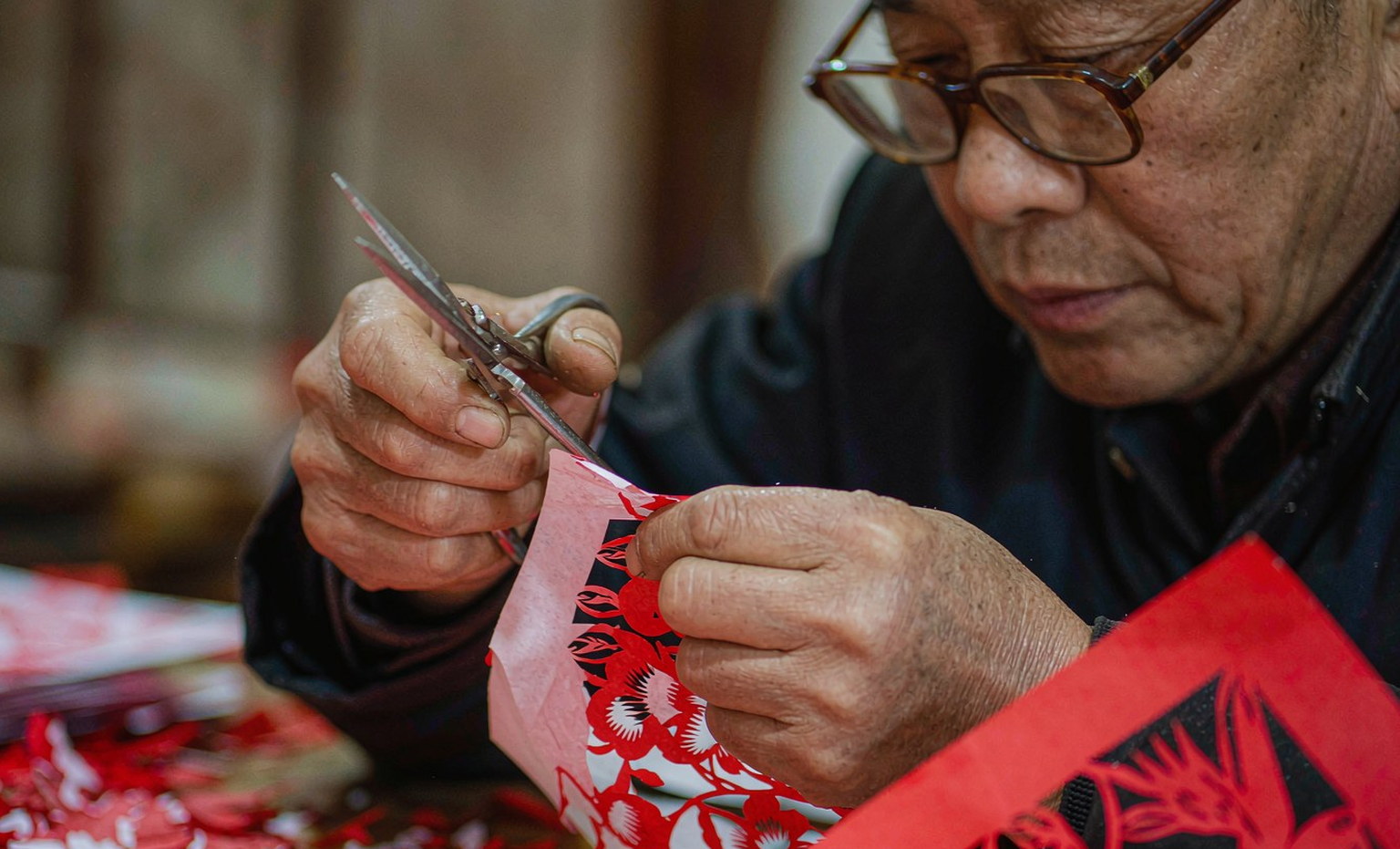
Chinese Paper-Cutting
Chinese Paper-CuttingTraditional crafts

When the twelfth month comes, a stack of red paper spreads across the kang. The scissors turn inside the fold, shavings falling in layers onto the apron — open the paper, and a magpie already stands on a plum branch while a chubby baby laughs hugging a carp. Such window flowers will be up on the panes before long.

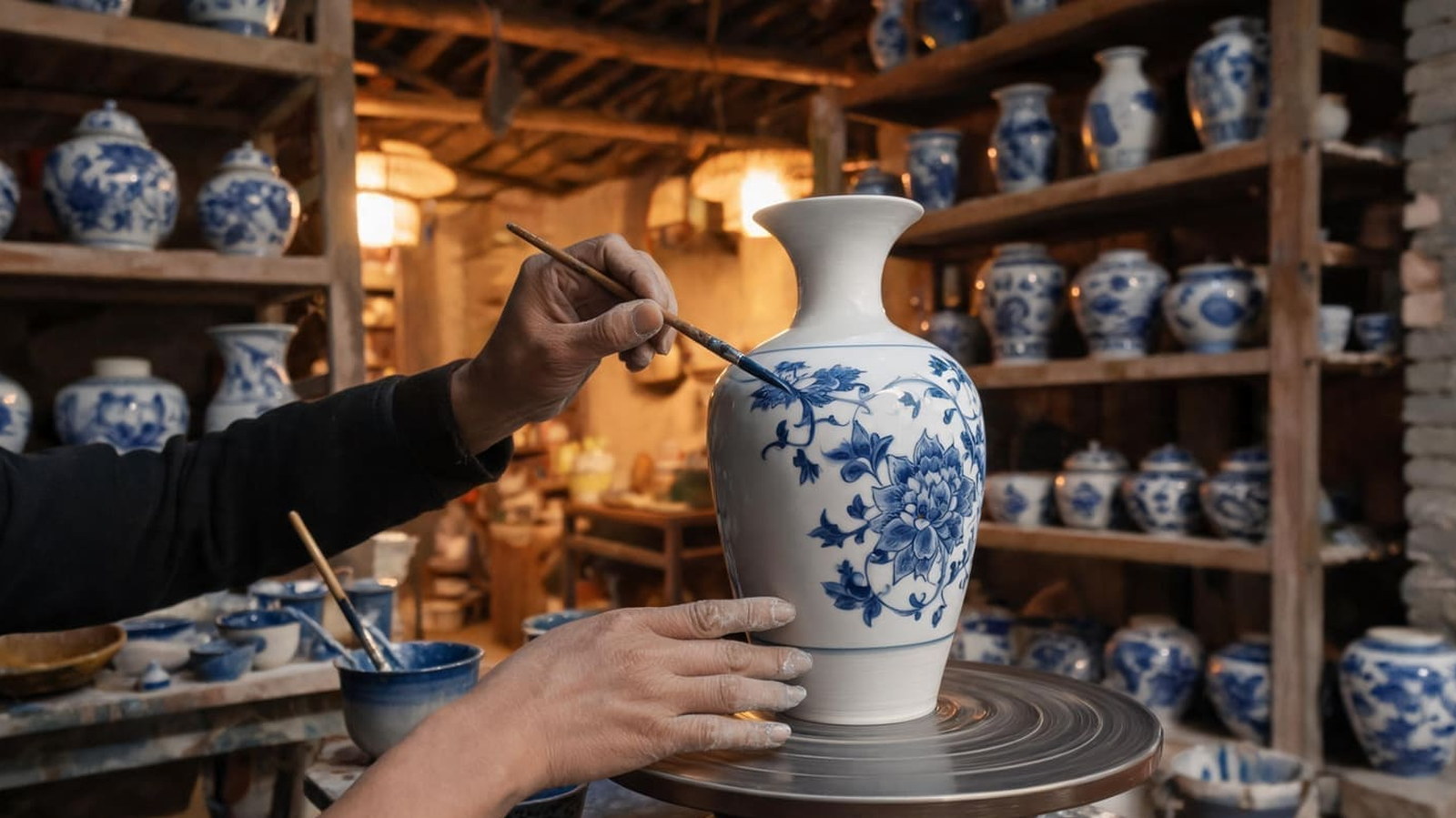
Porcelain Making
Porcelain MakingTraditional crafts

China is the homeland of porcelain; a thousand years of ceramic craft have made its name known the world over.

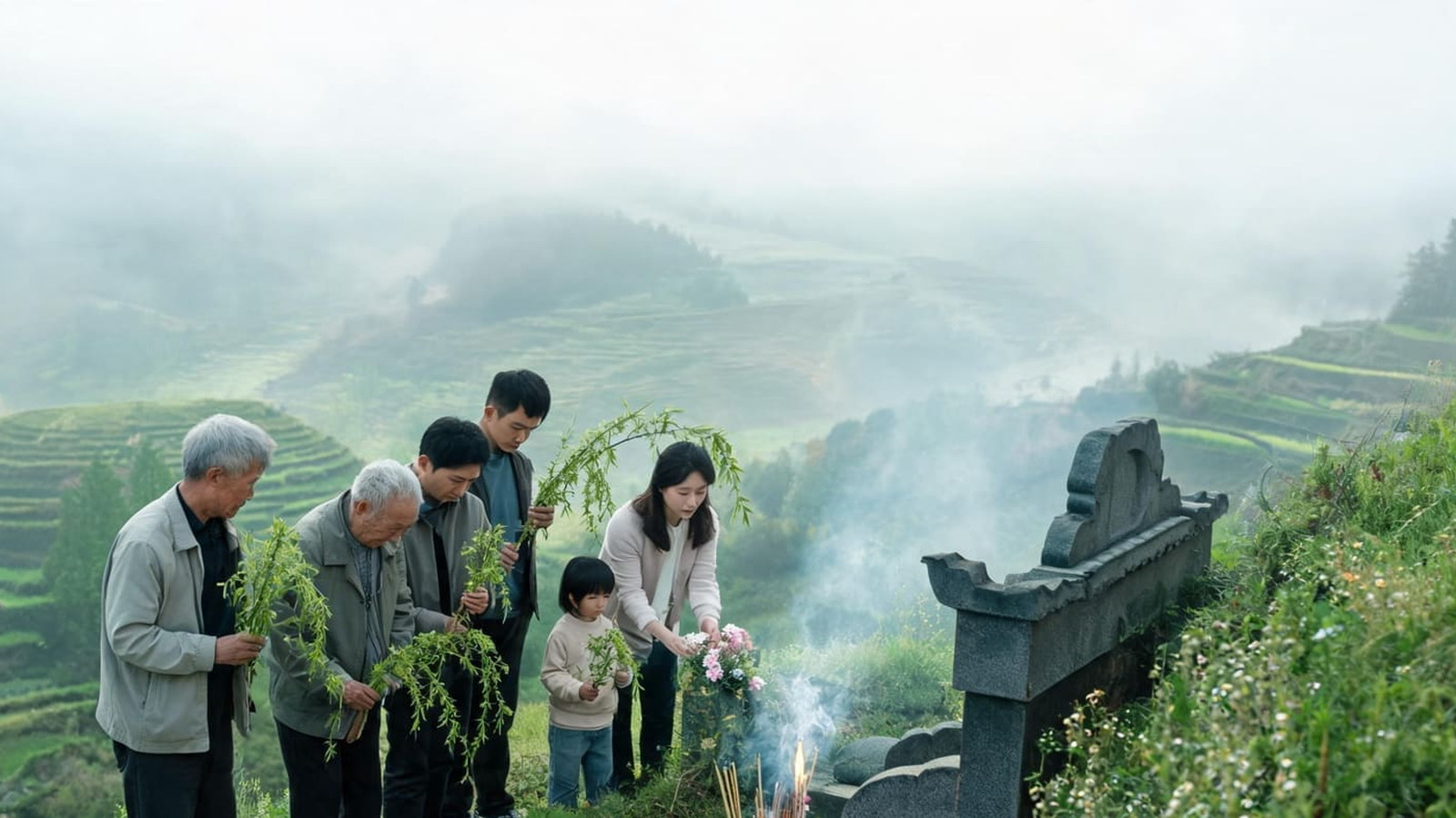
The Qingming Festival
The Qingming FestivalFestival customs

Around Qingming the willow shoots are barely out and the dew still hangs on the field paths. A family carries bamboo baskets up the hill — clearing weeds, banking fresh soil, laying out food, lighting a stick of incense; on the way down they break a willow sprig and set it over the door.

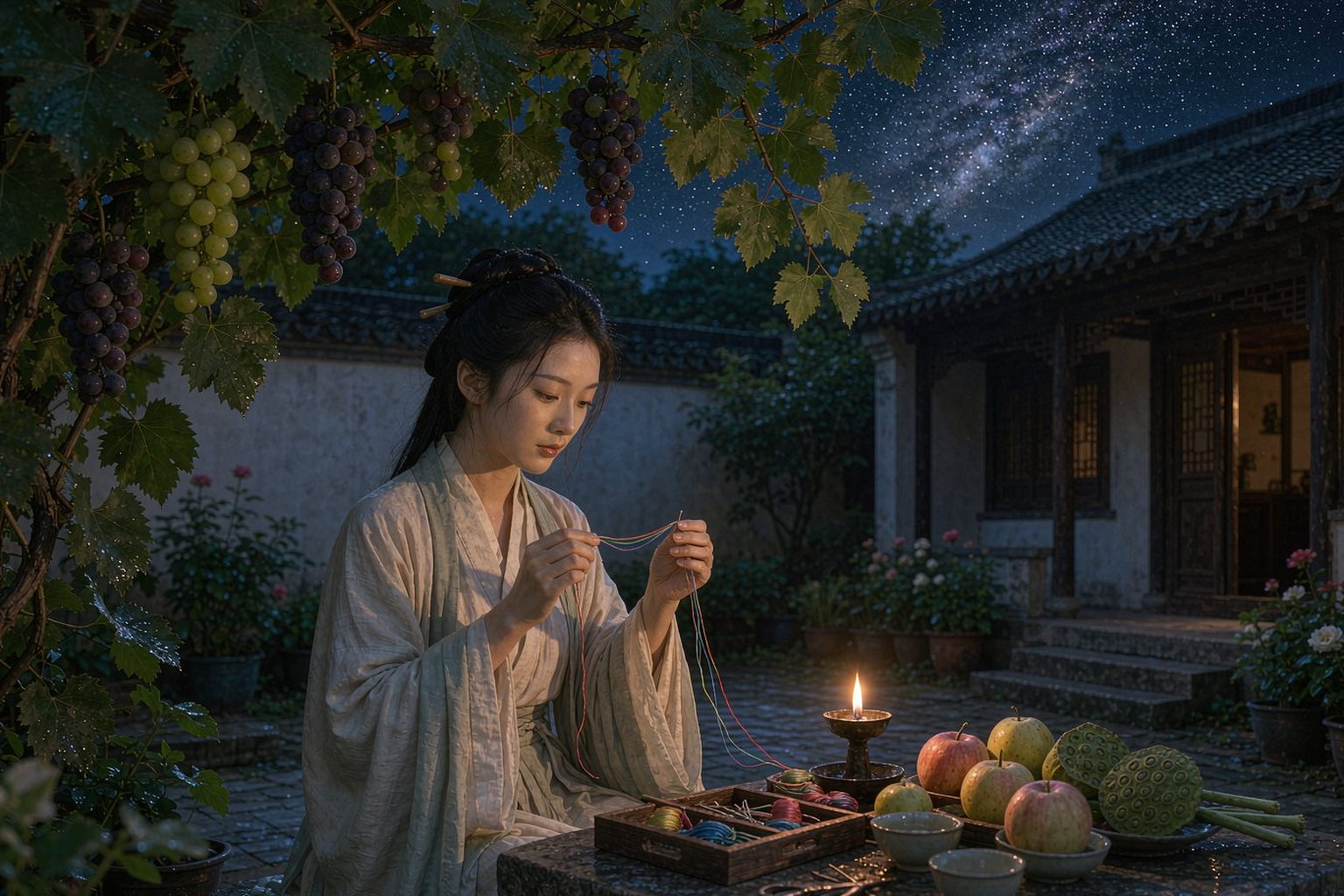
The Qixi Festival
The Qixi FestivalFestival customs

On the seventh evening of the seventh month, as the heat first relents, a bamboo table is set in the courtyard and a bowl of clear water left in the moonlight. Each girl holds a five-coloured silk thread and, holding her breath, threads the seven-eyed needle — the first to finish 'wins skill'.

Shadow Puppetry
Shadow PuppetryFolk arts

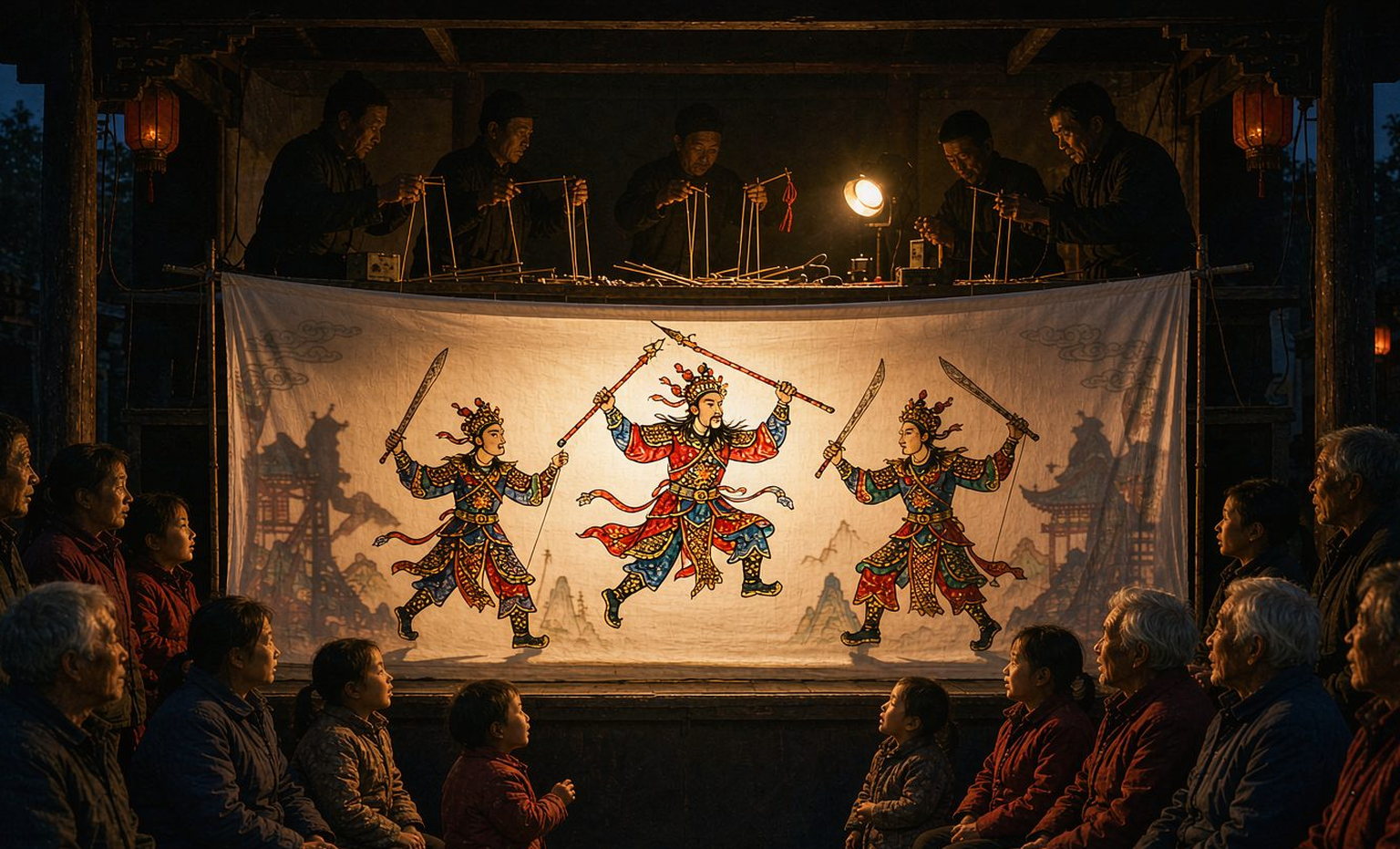
Darkness falls and a paper screen goes up in the courtyard — three feet high, five wide, which the puppeteers call the 'bright'. An oil lamp is lit behind it and the paper glows warm yellow. At the first gong, a figure leans in from the side, flicks its helmet, and an army of thousands arrives on stage.

Spring Festival Shehuo
Spring Festival ShehuoFestival customs

One roll of gongs and drums and the whole village turns out: shehuo is the ground-level carnival that drives the New Year to its peak.

Sichuan Teahouse Culture
Sichuan Teahouse CultureLocal customs

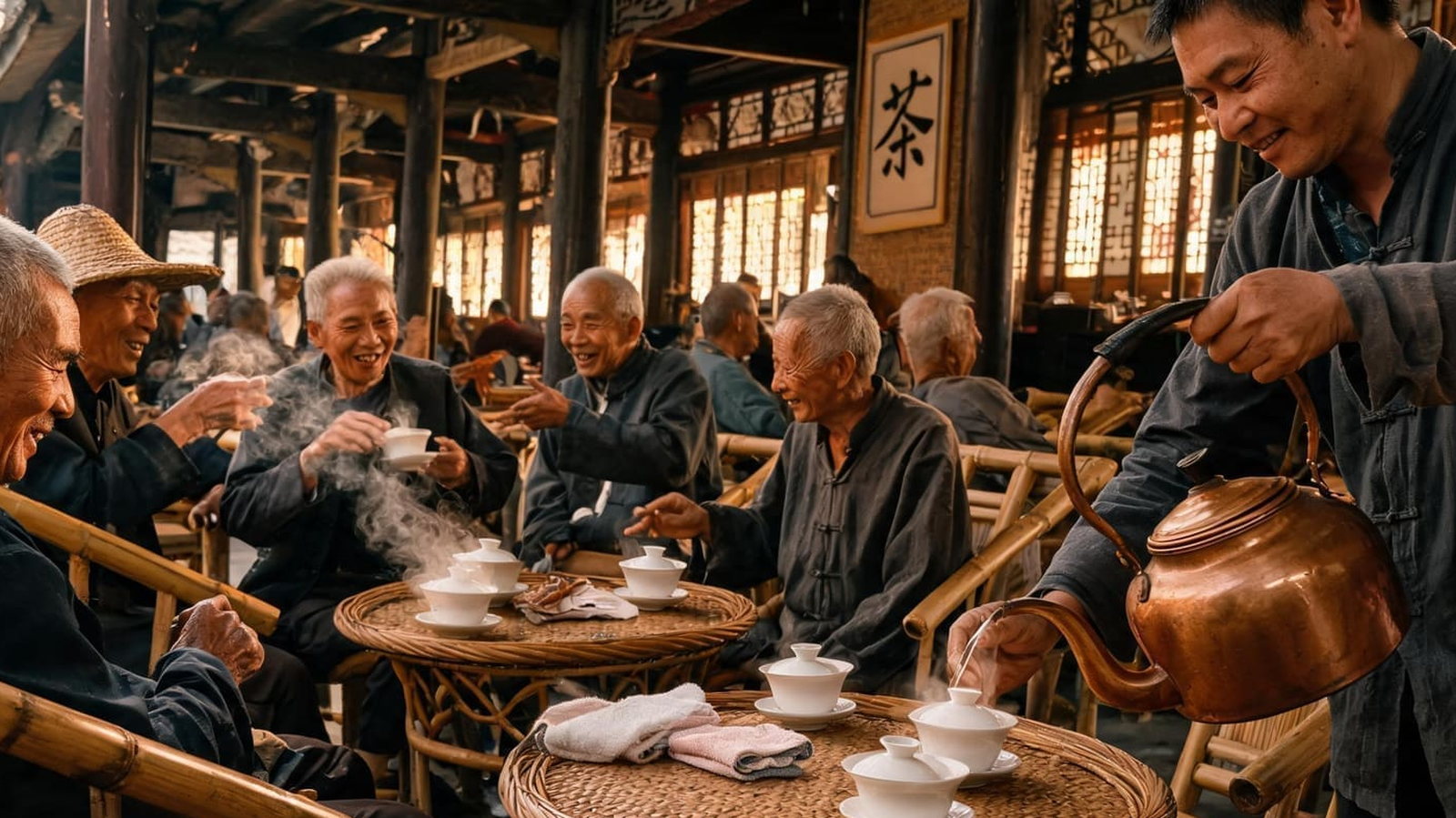
The teahouse as social institution in the Bashu region, and the unhurried philosophy behind the saying 'do not go to Sichuan young'.

Beijing Siheyuan
Beijing SiheyuanLocal customs

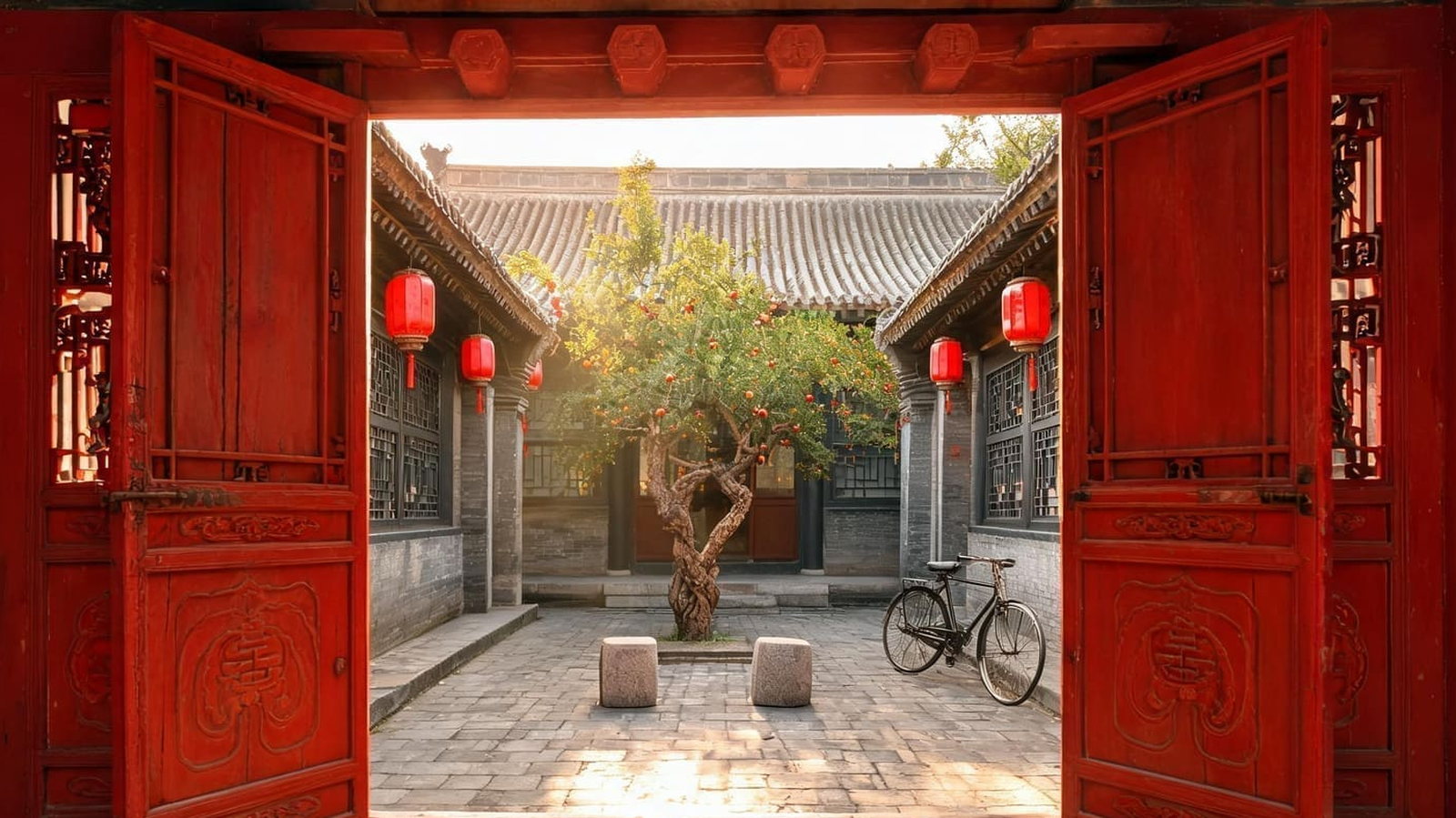
The traditional dwelling of old Beijing: four ranges of building enclosing a courtyard, an expression of ritual order and of harmony.

The Spring Festival
The Spring FestivalFestival customs

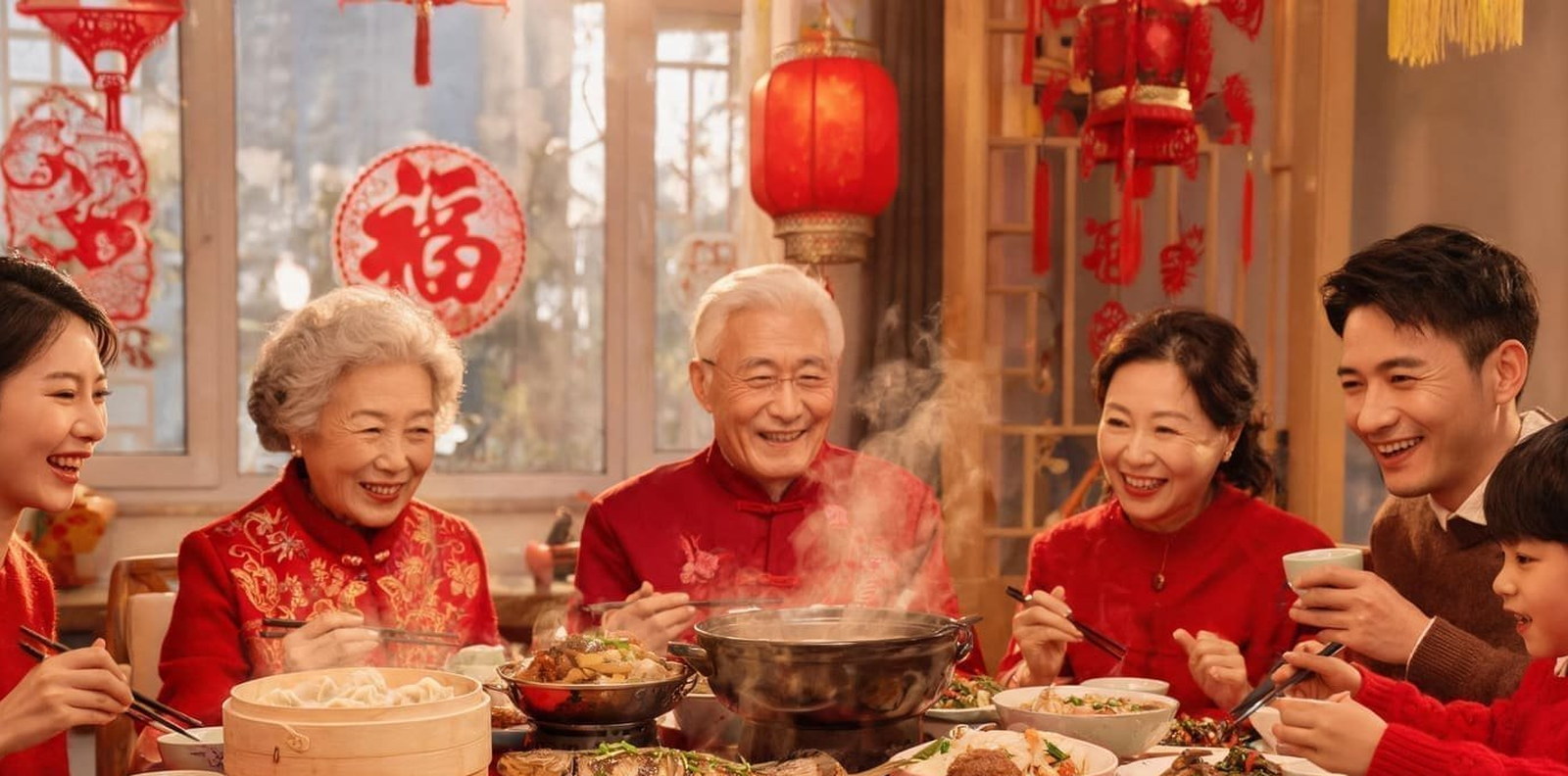
Once the twelfth lunar month begins, every household starts the busy work of the New Year — sweeping the house, steaming bread, filling sausages, writing couplets — right up to the reunion dinner on New Year's Eve.

Cheung Chau Bun Festival
Cheung Chau Bun FestivalFestival

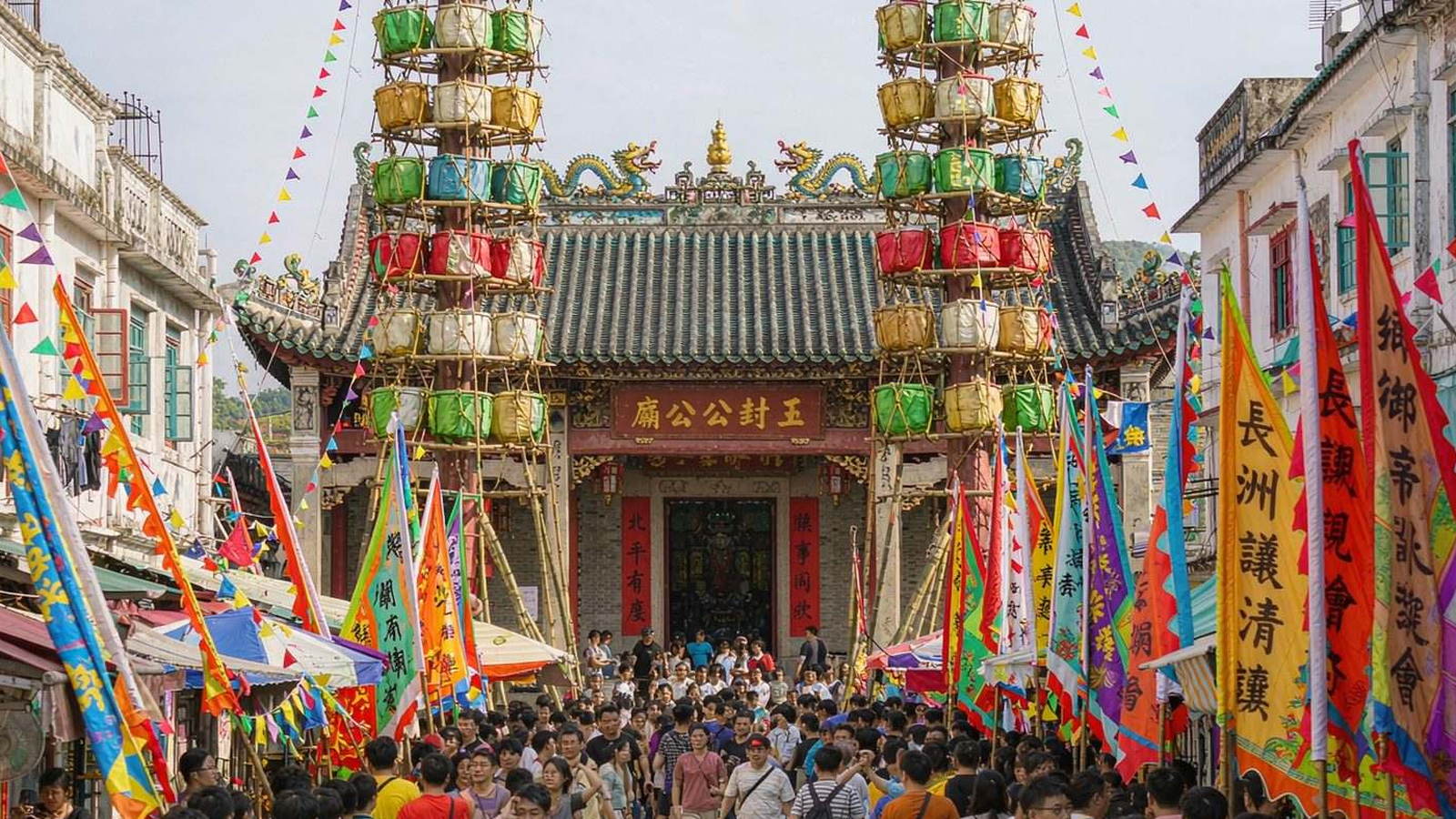
Floating children in procession and a midnight scramble up towers of buns: the yearly appointment with peace on the outlying islands of Hong Kong, China.

Thangka Painting
Thangka PaintingTraditional crafts

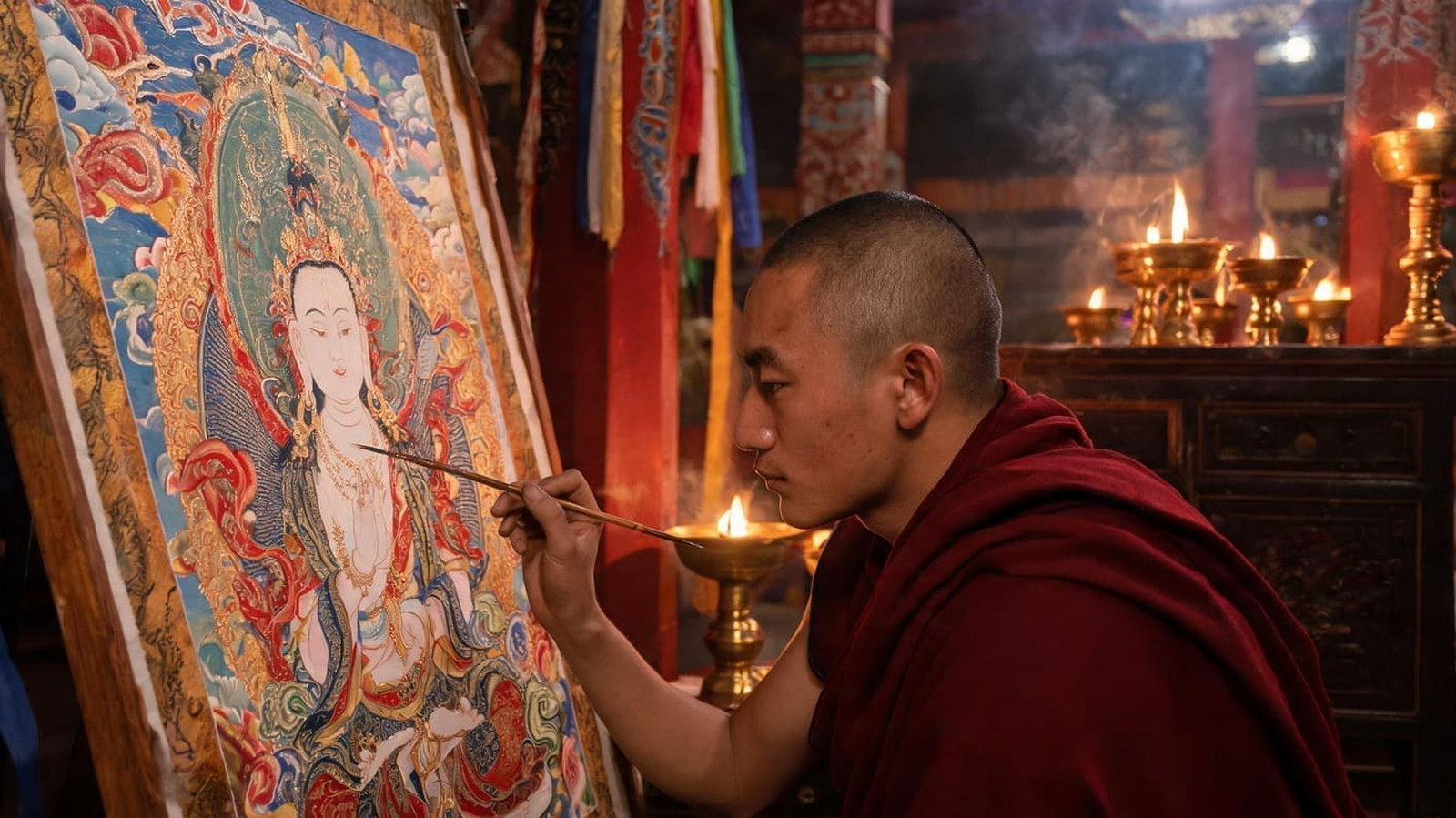
Painted on cloth, rolled up and carried. Tibetan painters put Buddhas, medical diagrams and star charts into a single thangka.

Tianjin Imperial Fair
Tianjin Imperial FairFestival customs

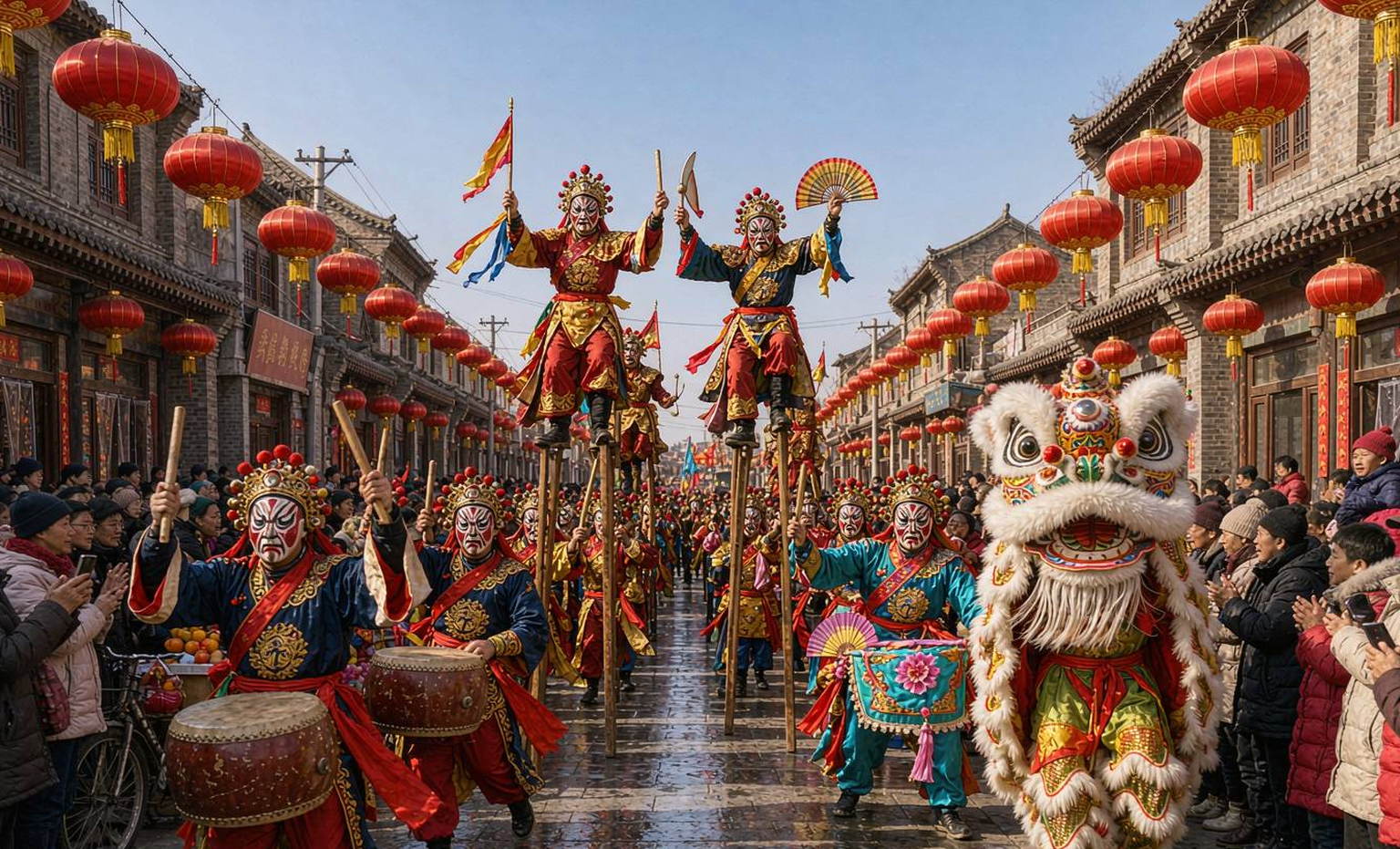
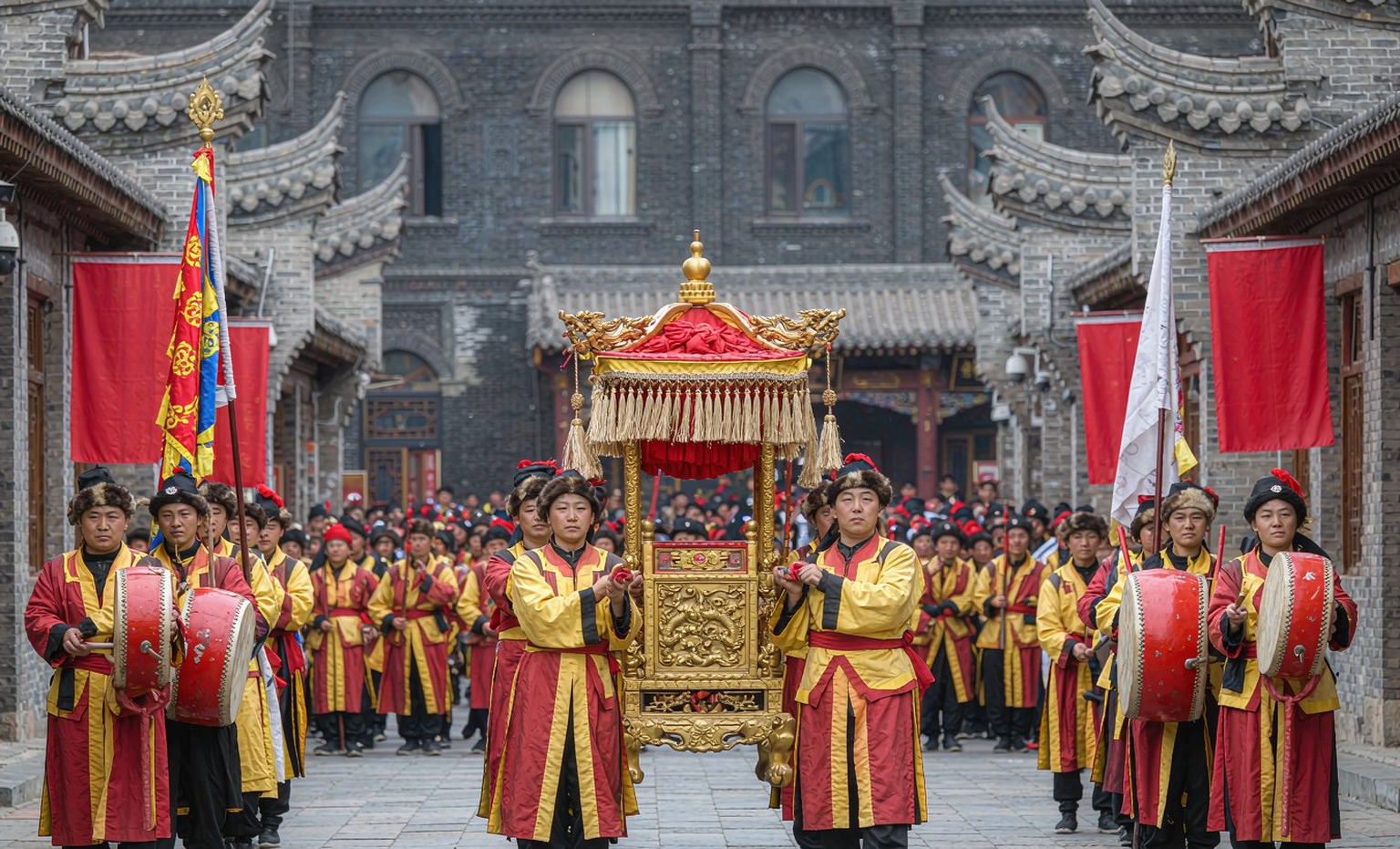
In the third lunar month old Tianjin turns out wholesale. Drum troupes, stilt walkers, precious sedans and banner poles line up, and scores of hui process through the streets: the huanghui, or Imperial Fair, is held for Mazu's birthday, and it is also Tianjin's own carnival.

The Water-Splashing Festival
The Water-Splashing FestivalFestival customs

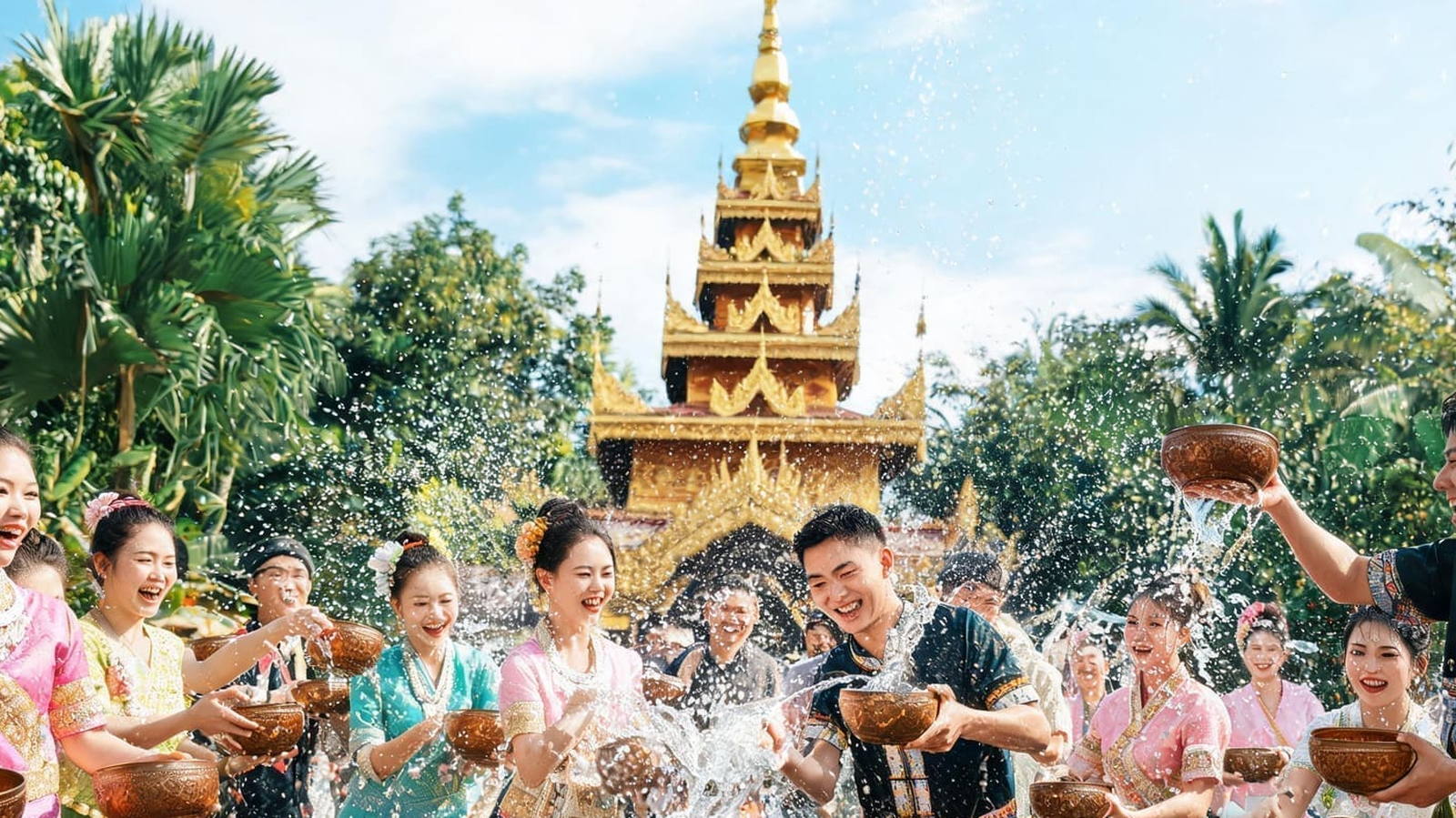
April in Jinghong, and the sun has the asphalt shimmering. At dawn, villagers carry clear water into the monastery to bathe the Buddha with perfume and flowers; out of the gate, the first ladle goes over the person beside you. From this day on, no one goes home dry.

Sho Dun Festival
Sho Dun FestivalFestival

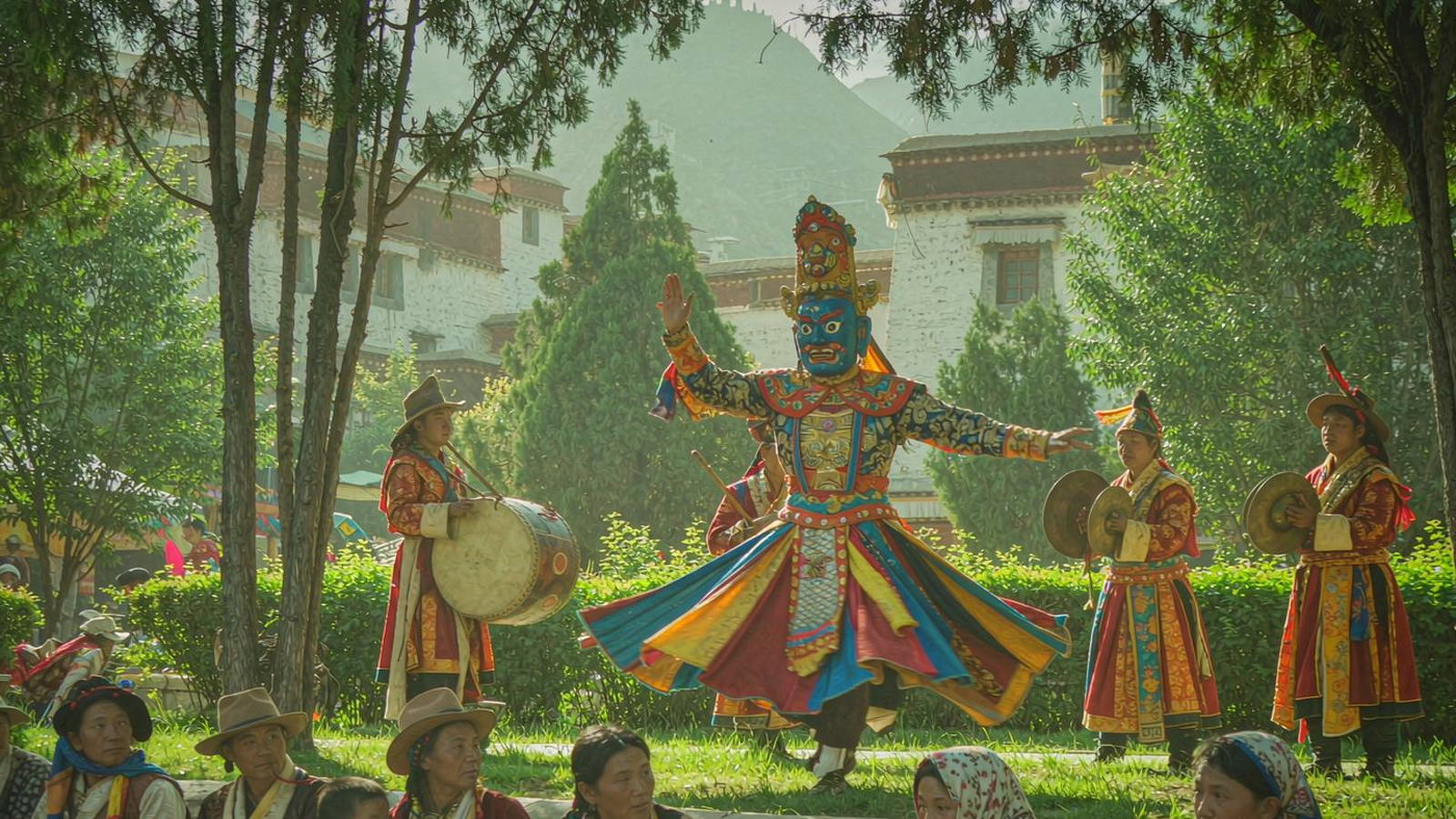
Yoghurt for the monks, and Tibetan opera strikes up. At the end of the sixth Tibetan month a giant thangka is unrolled in the dawn light at Drepung, and Lhasa begins its liveliest week of the year.

← Scroll sideways for more →

03

Thirty-four regions

Every province keeps its own calendar, crafts and flavours

The archive also keeps a folk calendar, the national ICH list and travel routes built around the customs themselves.

“Folk custom is the memory a people keeps without trying.”

Folklore of China — a public-interest archive, updated weekly